
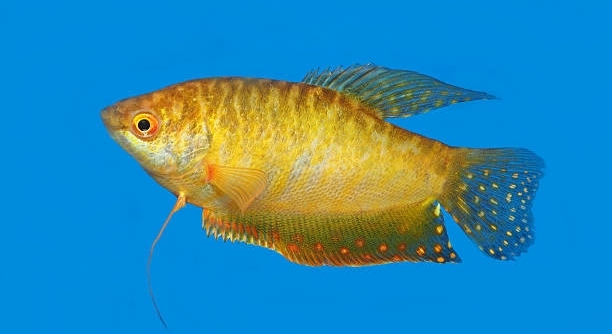
Many aquarium owners enjoy watching their fish swim freely but often struggle with stagnant tank spaces. A thoughtfully arranged tank can improve both fish activity and overall visual appeal, creating a livelier environment for aquatic pets.
Optimizing tank layout to encourage movement involves placing plants, decorations, and hiding spots strategically to create pathways and zones. This design promotes natural swimming behavior, reduces territorial stress, and ensures fish engage with their environment more actively throughout the day.
Small changes in décor and structure can make a big difference. Exploring practical layout adjustments can transform a simple tank into a dynamic, engaging aquatic space.
Use Open Spaces Strategically
Open spaces in a tank give fish room to swim freely, which is essential for their physical and mental health. Avoid crowding every corner with decorations or plants. Instead, leave certain areas clear so fish can move without obstruction. These spaces act as natural swimming lanes, helping fish exercise and interact with their environment. Overcrowding can cause stress and aggressive behavior, so balancing open areas with hiding spots is key. Positioning rocks or ornaments along the edges rather than the center allows for both exploration and free swimming. Watching fish glide through open water is calming and rewarding. It also helps maintain cleaner water since waste is less likely to accumulate in busy, cluttered zones. Regularly reassess the tank’s layout as your fish grow to maintain enough open space for their needs. Simple adjustments, like removing excess décor or trimming plants, can immediately encourage more natural movement. Open spaces create a healthier, more dynamic aquarium.
Leaving open areas in the tank promotes natural swimming, reducing stress while encouraging fish to explore and stay active.
Maintaining open spaces isn’t just about aesthetics. Fish benefit from a clear central area for swimming, which mimics natural habitats. Placing decorations along the sides allows hiding spots while leaving room for activity. Fish use these open lanes to dart, chase, and interact, which keeps them healthy. When open spaces are balanced with planted or decorated zones, it reduces conflict among territorial species. Observing fish utilize these spaces also gives owners insight into their behavior and social structure. Adjusting layouts as fish grow ensures they always have room to move. Even small tweaks, like moving rocks or thinning plants, can significantly increase activity levels. Open spaces also improve water circulation and prevent dead zones where debris accumulates. For active species, these areas are critical for exercise and overall well-being. Consistently maintaining this balance between open lanes and structured hiding spots creates a lively, engaging tank environment that supports both physical and mental health.
Create Hiding Spots With Purpose
Hiding spots reduce stress by giving fish places to retreat and feel safe. Fish naturally seek shelter when they are nervous, breeding, or resting. Properly placed hiding spots encourage movement rather than hiding excessively.
Intentionally positioned caves, plants, or tunnels guide fish along specific swimming paths.
Hiding spots should be varied in size and type to cater to different species’ needs. Place them near open areas so fish can move in and out easily. Grouping plants or rocks near the tank’s edges creates secure zones without obstructing central swimming lanes. These shelters provide relief from dominant tank mates, reducing aggression and promoting peaceful coexistence. Fish often explore these areas repeatedly, which adds activity to the tank. Rotating or adjusting hiding spots periodically keeps the environment interesting and stimulates natural behaviors. Overly clustered shelters can trap fish or restrict movement, so spacing them thoughtfully is important. Using natural materials, like driftwood or live plants, also enhances the tank’s appearance while serving functional purposes. Thoughtful hiding spots encourage confident swimming, exploration, and healthy interaction, making the tank feel more dynamic and comfortable for all its inhabitants.
Add Vertical Elements
Vertical structures give fish more areas to explore and create natural swimming patterns. Tall plants, driftwood, or stacked rocks encourage upward and downward movement, increasing activity levels and enriching the tank environment.
Vertical elements guide fish to move in different directions, preventing stagnation. These structures create multiple levels within the tank, making it feel larger and more dynamic. Fish can swim around, over, or under them, which mimics natural habitats. Vertical spaces also allow shy or smaller fish to hide above or below dominant species, reducing stress. Changing the arrangement of these elements occasionally keeps the tank stimulating and encourages exploration, which benefits both behavior and health.
Using tall structures strategically adds depth and interest to the tank. Fish naturally investigate vertical spaces, swimming between plants, rocks, and decorations. This movement reduces aggression, encourages exercise, and supports natural behaviors. Vertical layouts also improve water flow around obstacles, helping maintain cleaner, healthier conditions.
Place Food in Different Areas
Scattering food throughout the tank motivates fish to swim more actively rather than staying in one spot. Feeding in multiple areas encourages movement and exploration while making mealtime engaging.
Varying feeding locations prevents dominant fish from monopolizing food, giving all tank inhabitants a chance to eat. It promotes natural foraging behavior and keeps fish moving around different parts of the tank. Rotating feeding spots also helps fish exercise regularly. This method reduces stress and encourages interaction among species while supporting healthy physical activity. Over time, fish become accustomed to moving throughout the tank for food, which maintains liveliness.
Feeding in diverse areas can mimic natural conditions, where fish search for food rather than receiving it all in one place. This practice also distributes nutrients more evenly, preventing excess buildup in specific spots. Scattering food among plants, rocks, and open areas ensures that shy or smaller fish get their share without confrontation. Adjusting feeding locations daily or weekly keeps fish attentive and encourages exploration. It also helps monitor fish health, as owners can observe eating patterns in different zones. Overall, varied feeding supports movement, natural behavior, and a more interactive tank environment.
Use Curved Pathways
Curved pathways encourage fish to swim naturally and explore the tank fully. Arranging rocks, plants, or decorations in gentle curves prevents straight-line swimming and adds visual interest.
Curved layouts break up the tank’s structure, making movement more engaging. Fish follow winding routes, which promotes exercise and reduces boredom.
Layer Plants at Different Heights
Layering plants from short to tall creates a sense of depth and stimulates movement. Fish swim between layers, exploring spaces at multiple levels. This design mimics natural habitats, encouraging more activity and interaction among tank inhabitants.
Rotate Decorations Periodically
Changing the position of decorations every few weeks keeps the environment fresh. Fish notice new arrangements and explore their surroundings more actively, preventing stagnation.
Add Floating Elements
Floating plants or ornaments at the water surface create vertical interest. Fish swim up and down to interact with them, increasing natural movement and exploration.
FAQ
How do tank layout changes affect fish behavior?
Adjusting the layout of a tank can significantly impact how fish behave. Fish often respond to new structures, open spaces, and hiding spots by exploring more actively. When decorations or plants are rearranged, fish investigate unfamiliar areas, which encourages natural swimming patterns and increases overall activity. Properly spaced elements also reduce aggression, as dominant fish have fewer chances to control the entire tank. By creating multiple zones and pathways, each fish can establish its own space, feel secure, and move confidently throughout the tank.
How often should I rearrange decorations?
Rearranging decorations every few weeks can keep the tank stimulating for fish. Frequent changes aren’t necessary, but small adjustments prevent boredom and encourage exploration. Moving rocks, plants, or ornaments slightly can motivate fish to investigate new routes, promoting exercise and healthy movement.
Can open spaces and hiding spots coexist effectively?
Yes, they can. Open areas provide room for swimming, while hiding spots offer security. Combining both ensures fish feel safe yet remain active. Proper placement prevents overcrowding and maintains natural movement paths, reducing stress and supporting a healthier tank environment.
Do vertical elements really make a difference?
Vertical structures, like tall plants or driftwood, create levels for fish to explore. Fish use these spaces for hiding, swimming above or below dominant individuals, and practicing natural behaviors. Vertical layout adds depth and encourages movement in ways flat arrangements cannot, making tanks more dynamic.
How does varied feeding encourage movement?
Feeding in different spots motivates fish to search for food instead of staying in one location. This practice mimics natural foraging, ensures smaller or shy fish get their share, and keeps all inhabitants active. Rotating feeding areas also allows owners to monitor fish behavior more closely.
Can curved pathways really increase activity?
Yes. Curved routes guide fish through winding swimming paths, preventing monotonous straight-line movement. Fish navigate around plants, rocks, and decorations naturally, which promotes exercise and exploration. Over time, these paths support healthier behavior and make the tank environment more engaging.
Are floating elements necessary?
Floating plants or ornaments aren’t essential, but they add a vertical dimension that encourages fish to swim up and down. They break up empty space at the surface, stimulate natural movement, and provide occasional shade, which some species appreciate.
Will frequent changes stress the fish?
Minor, gradual adjustments typically do not stress fish. Sudden major rearrangements can cause temporary unease, so it’s better to make small, careful changes. Monitoring fish reactions after each change helps ensure their well-being and maintains a balanced environment.
How can I balance open areas and decorations?
Place decorations along edges and leave central spaces clear. Use a mix of short and tall plants to create zones without blocking pathways. Open areas allow free swimming, while structured zones offer hiding and exploration, achieving a balance that encourages movement.
Do all fish benefit from these layout hacks?
Most species benefit, but the degree varies. Active, social, or exploratory fish respond most positively, while very shy or sedentary species may use hiding spots more. Adjust layouts according to specific species’ behavior and tank dynamics to maximize effectiveness.
Can layout changes improve fish health?
Yes. A stimulating tank layout encourages exercise, reduces stress, and promotes natural behaviors. These factors contribute to stronger immunity, lower aggression, and overall well-being, making a thoughtfully arranged tank an important part of fish care.
Is it better to use live or artificial plants for layout hacks?
Both can work, but live plants provide oxygen, filtration benefits, and natural hiding spots. Artificial plants are easier to maintain and can be positioned flexibly. Choosing the right combination depends on your tank’s needs and the fish species present.
How do I know if the layout is effective?
Observe fish movement, interactions, and overall behavior. Active, confident swimming, exploration of different zones, and reduced aggression indicate a successful layout. Adjustments can be made gradually to optimize engagement and maintain a healthy tank environment.
Can small changes make a noticeable difference?
Absolutely. Even minor tweaks, like moving a rock, trimming plants, or rotating a decoration, can motivate fish to explore more actively. Small adjustments maintain interest in the environment without causing stress or disorientation.
How should I start rearranging a tank for better movement?
Begin by creating open swimming spaces and adding a few hiding spots. Introduce vertical elements and curved pathways gradually. Observe how fish respond, and make incremental changes to encourage consistent activity and natural behavior.
Creating a tank that encourages fish to move actively requires thoughtful planning and consistent care. The layout of the tank plays a major role in how fish behave and interact with their environment. Open spaces allow for free swimming, while hiding spots provide security and reduce stress. Combining these elements ensures that fish have both room to explore and safe places to retreat when needed. Even small adjustments, such as moving a plant or changing the position of a decoration, can make a noticeable difference in how fish use the space. By paying attention to the layout and observing fish behavior, owners can maintain a tank that is both visually appealing and supportive of healthy, natural movement.
Vertical elements and varied pathways further enhance activity in the tank. Tall plants, stacked rocks, or driftwood create multiple levels for fish to explore, which adds depth and interest to the aquarium. Curved routes encourage fish to swim more naturally, preventing them from moving in straight lines repeatedly. These simple strategies mimic aspects of a fish’s natural environment, which helps reduce stress and encourages exploration. Scattering food in different areas also motivates movement and supports natural foraging behaviors. With consistent observation, small layout changes can be used to keep fish engaged and active, contributing to their overall health and well-being. The balance of open spaces, hiding spots, vertical structures, and feeding strategies creates a tank environment that is dynamic and stimulating.
Maintaining a tank for optimal movement also involves gradual updates and regular care. Rearranging decorations, trimming plants, or rotating ornaments every few weeks can prevent stagnation and maintain interest for the fish. Choosing the right combination of live or artificial plants, along with carefully positioned rocks and tunnels, ensures that all species in the tank can thrive. Observing how fish interact with new layouts allows for fine-tuning, ensuring that each fish has adequate swimming space and access to hiding areas. Over time, these layout strategies not only encourage physical activity but also support mental stimulation, helping fish remain confident and healthy. Thoughtful tank design, combined with attentive care, results in a lively and balanced aquatic environment that benefits both the fish and the overall aesthetic of the aquarium.

Hello,
If you enjoy the content that we create, please consider saying a "Thank You!" by leaving a tip.
Every little bit helps us continue crafting quality advice that supports the health, happiness, and well-being of pets around the world, for pets of all shapes, sizes, and species.
We really appreciate the kindness and support that you show us!