
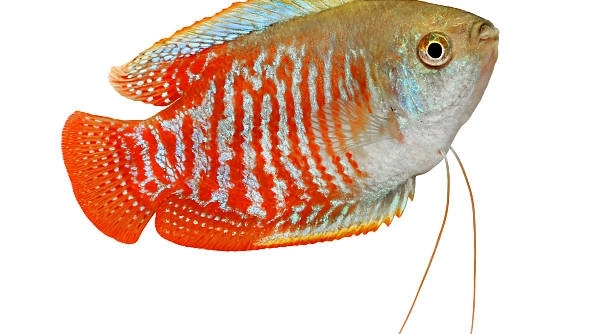
Gouramis are known for building bubble nests as part of their breeding behavior, yet sometimes they avoid the nest area entirely. This can leave aquarists puzzled, especially when expecting typical nest activity in a well-maintained tank.
When a gourami avoids the bubble nest area, it is often due to stress, environmental factors, or health issues. Ensuring proper water quality, adequate space, and minimizing disturbances can encourage normal nesting behavior and overall well-being.
Observing subtle cues from your fish can reveal important insights about their comfort and environment. Adjustments to the tank setup often improve their willingness to engage with the nest area.
Understanding Why a Gourami Avoids Its Bubble Nest
Gouramis may avoid their bubble nest area for several reasons, often related to tank conditions or personal comfort. Water temperature plays a significant role, as these fish prefer slightly warmer water to encourage nesting. Sudden changes in temperature or inconsistent heating can cause hesitation. Another factor is water quality; high ammonia, nitrites, or low oxygen can make the environment unsuitable. Overcrowding or aggressive tank mates may also discourage nest-building. Sometimes the fish may be stressed due to frequent handling or sudden movements near the tank. Even subtle changes, like a new decoration or rearranged plants, can alter their comfort level. Observing their behavior carefully can provide clues about what might be wrong. Gradually adjusting the environment while keeping disturbances minimal often helps. Giving your gourami some quiet time near its preferred nesting spot can increase its confidence. Patience and steady observation are essential to encourage normal behavior.
Stress and environmental issues are the most common reasons for avoidance. Addressing these often restores nest-building behavior.
Providing a stable, quiet environment with consistent water parameters, limited disturbances, and enough space for the gourami encourages engagement with the nest. Regular monitoring of water quality and ensuring compatible tank mates reduces stress. Adding floating plants near the nest area can give a sense of security. Avoid overfeeding and remove excess waste promptly to maintain water cleanliness. Gradually introducing minor changes rather than sudden alterations keeps the fish comfortable. Watching the gourami for signs of illness, such as faded colors or lethargy, is also important. By making small, consistent adjustments, you create an environment where the gourami feels safe to return to its nest, promoting natural behaviors and reducing anxiety over time.
Encouraging Your Gourami to Return to the Nest
Adjusting tank conditions is the first step to encourage nesting.
Temperature, water quality, and minimal disturbance are key to success. Observing the fish and making small, consistent improvements helps restore natural behavior.
Ensuring the water is within the optimal range, around 78–82°F, is critical for gouramis. Maintaining clean water with low ammonia and nitrite levels supports their comfort. Limiting tank disturbances and providing floating plants gives a sense of security, making the nest area more inviting. Avoiding aggressive tank mates reduces stress, which can inhibit nest interaction. Feeding a balanced diet and avoiding overfeeding keeps the fish healthy and energetic, further supporting normal behavior. Gradual changes, rather than sudden alterations, help the gourami adjust without added anxiety. Patience and careful observation allow you to notice subtle improvements in confidence and engagement with the nest. Over time, these small, thoughtful adjustments make a significant difference in restoring bubble nest activity and promoting overall well-being.
Common Stress Factors Affecting Bubble Nest Behavior
Stress in gouramis often comes from tank overcrowding, aggressive tank mates, or sudden changes in the environment. Even minor disturbances, like tapping on the glass or frequent rearrangement of decorations, can make a fish hesitant to approach its bubble nest.
Overcrowding limits swimming space and increases competition, which can prevent a gourami from feeling secure enough to maintain its nest. Aggressive tank mates may chase or nip at the fish, creating fear that discourages nest activity. Changes in water temperature, pH, or hardness can also stress the fish. Gouramis are sensitive to sudden environmental changes, so consistency is crucial. Observing their behavior closely helps identify stress triggers. Small adjustments, like rearranging decorations slowly or separating aggressive fish, can reduce anxiety and encourage normal nesting behavior over time.
Diet and feeding routines can also influence stress and nesting. Irregular feeding or poor-quality food may impact energy levels and behavior. Ensuring a consistent feeding schedule with high-quality, varied food supports overall health and reduces stress. Combining dietary attention with environmental stability improves the chances of your gourami returning to its bubble nest.
Health Issues That May Cause Avoidance
Physical illness or parasites can prevent a gourami from engaging with its nest. Symptoms may include lethargy, faded coloration, or clamped fins, indicating discomfort or disease.
Illness can reduce energy and make nest-building impossible. Internal parasites or bacterial infections often cause lethargy and reduce appetite, further discouraging interaction with the nest area. Water quality directly impacts health; poor parameters increase susceptibility to infections. Stress from illness can amplify avoidance behavior. Regular observation of physical condition, along with prompt treatment for any disease, is necessary. Quarantining new fish and maintaining a clean environment help prevent health issues from affecting nesting behavior. Consistent care ensures your gourami stays healthy and confident.
Adjusting Tank Conditions
Maintaining stable water temperature and quality is crucial. Fluctuations can stress gouramis, making them avoid the nest area. Keeping parameters consistent supports natural behavior and encourages bubble nest activity.
Adding floating plants or gentle decorations near the nest area can create a sense of security. This encourages the fish to return and interact with its nest without feeling exposed or threatened.
Monitoring Behavior Patterns
Watching your gourami’s daily routine helps identify changes in energy or interest in the nest. Subtle behavioral shifts often indicate stress or discomfort that needs attention. Observing interactions with tank mates also provides insight into environmental compatibility and overall comfort within the aquarium.
Using Safe Environmental Enhancements
Gentle filtration and minimal water flow prevent disruption of the bubble nest. Strong currents can damage bubbles and discourage nesting behavior, so maintaining calm water conditions is essential for encouraging stability.
FAQ
Why is my gourami avoiding the bubble nest?
A gourami may avoid the bubble nest due to stress, poor water quality, inappropriate temperature, or aggressive tank mates. Environmental changes and illness can also reduce energy or confidence, making the fish hesitant to interact with the nest. Observing behavior and adjusting conditions often resolves the issue.
How can I reduce stress for my gourami?
Keeping the tank environment consistent is key. Limit sudden changes, maintain stable water temperature and quality, and provide hiding spots or floating plants. Avoid overcrowding and remove aggressive fish if needed. A calm, predictable environment allows the gourami to feel safe near its nest.
Can water parameters affect nest-building?
Yes. Temperature, pH, and hardness directly influence comfort and nesting behavior. Ideal temperatures range from 78–82°F. Ammonia, nitrites, or fluctuating parameters stress the fish, reducing energy and discouraging nest interaction. Consistently clean water encourages normal behaviors.
Do tank mates impact nesting behavior?
Aggressive or overly active tank mates can chase or intimidate the gourami, discouraging nest activity. Keeping peaceful companions and sufficient space reduces stress and creates a safe environment for bubble nest building. Observing interactions helps identify problematic fish.
What role does diet play in bubble nest activity?
A nutritious, balanced diet supports energy and overall health, both essential for nesting. Overfeeding or poor-quality food can lead to lethargy, affecting willingness to engage with the nest. Feeding small, frequent portions of varied food encourages vitality.
How long does it take for a gourami to return to the nest?
Recovery varies depending on stress levels, health, and environment. Some fish may return within days, while others need weeks. Gradual adjustments to water conditions, minimal disturbance, and careful observation improve the chances of nest engagement.
Should I move the gourami to a different tank?
Relocation is only recommended if environmental stressors cannot be corrected. A quarantine or separate tank may help if aggression or illness is an issue. Always ensure the new tank has stable water parameters and minimal disturbances.
Can illness prevent nest-building?
Yes. Symptoms such as faded color, lethargy, or clamped fins indicate health problems. Illness reduces energy and motivation, making bubble nest interaction unlikely. Prompt diagnosis and treatment are necessary to restore normal behavior.
Are there ways to encourage nest-building naturally?
Providing floating plants, calm water, stable temperature, and quiet surroundings encourages nesting. Minimizing disturbances and maintaining high water quality allows gouramis to feel secure and motivated to return to their bubble nest.
Is it normal for some gouramis to ignore nests occasionally?
Yes. Individual temperament can affect interest in nesting. Some gouramis may avoid the nest temporarily due to minor stress or preference. Monitoring behavior and ensuring optimal conditions usually restores engagement over time.
How can I tell if my gourami is ready to build a nest again?
Signs include increased activity near the surface, flaring fins, and bubble blowing. Healthy appetite, bright colors, and curiosity toward floating plants also indicate readiness. Observing these behaviors helps anticipate nest-building and assess comfort.
Can lighting affect bubble nest behavior?
Yes. Bright, harsh lighting can stress gouramis and make them avoid the surface. Soft, natural lighting with shaded areas encourages comfort and nest activity. Adjusting lighting gradually helps the fish adapt without stress.
How often should I check the nest area?
Frequent, gentle observation is enough. Avoid tapping the glass or sudden movements. Monitoring daily ensures you can respond to stress, health, or environmental changes without causing additional anxiety.
Is it necessary to remove the eggs if a nest is abandoned?
If a nest is abandoned, eggs may not survive due to lack of parental care. Removing them prevents water quality issues, though some gouramis may return to build a new nest under improved conditions.
What long-term steps ensure consistent nest-building behavior?
Maintain stable water parameters, provide a peaceful environment, feed a balanced diet, and observe fish behavior regularly. Gradual adjustments, calm surroundings, and attentive care support long-term comfort and encourage regular bubble nest activity.
How can I tell if tank changes are stressing my gourami?
Signs include hiding, reduced appetite, color fading, or avoiding the surface. If these behaviors appear after changes, revert adjustments slowly and ensure stable, comfortable conditions to reduce stress.
Are there seasonal factors affecting nesting?
Temperature and daylight length can subtly influence behavior. Stable temperature and consistent lighting patterns mimic natural conditions, supporting normal nesting even if seasonal cues change.
What should I do if improvements don’t work?
If stress, diet, or environmental adjustments don’t restore nest activity, consult a veterinarian or experienced aquarist. Health issues or hidden stressors may need professional evaluation for proper resolution.
Can water movement disrupt bubble nests?
Yes. Strong currents or aggressive filtration can break bubbles and discourage nest-building. Using gentle water flow or adjusting filter direction maintains stability and protects nests from disruption.
How important is patience in encouraging nesting?
Very important. Gouramis may need time to feel secure and regain confidence. Gradual adjustments, careful observation, and minimal disturbances allow the fish to resume natural nesting behavior safely.
What are signs of a successful nest?
Bubbles clustered at the surface, fish guarding the area, and active interaction with the nest indicate success. Healthy eggs and minimal disturbance show the gourami is comfortable and ready to continue nesting.
How do I maintain water quality during nesting?
Regular monitoring of ammonia, nitrite, and nitrate levels, along with partial water changes, maintains cleanliness. Avoid drastic changes that stress the fish. Consistent water care ensures both the nest and fish remain healthy.
Can multiple gouramis share a bubble nest area?
Male gouramis are territorial; sharing may lead to aggression and stress. Each male should have its own area to build nests safely without interference.
Are there supplements that help with nesting behavior?
High-quality foods rich in protein support energy and health. While supplements are not essential, they can enhance vitality, making the fish more likely to engage with its nest.
How do I know if nesting avoidance is temporary?
Temporary avoidance often follows stress, environmental changes, or minor illness. Observing improvements in appetite, color, and activity indicates the fish is adjusting and may return to the nest naturally.
What’s the most effective way to encourage a shy gourami?
Minimize disturbances, provide hiding spots, maintain calm water, and monitor tank mates. Slowly adjusting the environment builds confidence, helping the gourami feel safe enough to approach the bubble nest again.
How long can eggs survive without parental attention?
Without the male caring for the nest, eggs may last only a few days before deteriorating. Removing or relocating eggs ensures water quality remains stable.
Can stress from other tank activities affect nesting?
Yes. Cleaning, feeding, or sudden movements can cause temporary avoidance. Keeping routines calm and predictable helps maintain nest stability and encourages consistent interaction.
Is it normal for a gourami to rebuild nests repeatedly?
Yes. Rebuilding is common after disturbances, environmental changes, or egg loss. Frequent nest-building indicates health, confidence, and a secure environment.
How do I balance multiple needs to support nesting?
Maintain water quality, regulate temperature, provide proper diet, minimize stress, and monitor health consistently. This holistic approach creates ideal conditions for consistent bubble nest activity.
Can lighting schedules influence readiness for nesting?
Yes. Mimicking natural day-night cycles supports routine behavior. Consistent lighting helps the gourami feel secure and encourages nesting at appropriate times.
What’s the best approach if a gourami ignores the nest for weeks?
Continue stable care and minimize disturbances. Persistent avoidance may indicate hidden stress or health issues. Consult an expert if improvements don’t occur, ensuring the fish receives proper evaluation and support.
How do I maintain nest integrity during maintenance?
Perform gentle water changes away from the nest area, avoid strong currents, and limit handling. Careful maintenance preserves the nest while keeping water conditions optimal.
Are certain gourami species more prone to nest avoidance?
Yes. Some species are naturally more cautious or sensitive to environmental changes. Understanding species-specific behavior helps tailor care and encourages consistent nesting behavior.
How can I prevent future nesting avoidance?
Stable tank conditions, peaceful companions, consistent diet, and minimal stress are key. Observing fish behavior regularly allows early detection of issues, maintaining comfort and encouraging regular bubble nest activity.
Is it normal for gouramis to move away from nests temporarily?
Yes. Temporary relocation can occur due to minor stress, cleaning, or environmental changes. If conditions remain stable, the fish usually returns once it feels safe.
Can seasonal temperature changes in the room affect nesting?
Yes. Gouramis are sensitive to water temperature fluctuations caused by seasonal changes. Using a heater to maintain consistent temperatures helps prevent avoidance and encourages normal nesting behavior.
How do I encourage a male gourami to guard a nest?
Ensure the nest area is calm, with floating plants and minimal disturbances. A healthy diet, stable water, and peaceful surroundings promote protective behavior. Observing the fish allows you to notice confidence returning gradually.
What adjustments are needed for multiple gouramis in one tank?
Provide enough space and individual territories, especially for males. Monitor interactions to prevent aggression and stress, maintaining peace to encourage each fish to interact with its own nest safely.
Can sudden feeding changes impact nesting?
Yes. Abrupt diet changes may reduce energy or cause stress. Maintain a consistent feeding schedule with balanced nutrition to support vitality and encourage nest activity.
How do I know if my efforts are working?
Signs include increased activity near the nest, bubble rebuilding, healthy coloration, and interaction with floating plants. Gradual improvement shows the fish is responding positively to care and environmental adjustments.
Are there long-term behavioral patterns to watch for?
Monitoring appetite, energy levels, color, and nest engagement over weeks reveals trends. Consistent behavior suggests comfort, while sudden changes may indicate stress or environmental issues needing attention.
What is the role of floating plants in nesting?
Floating plants provide cover, reduce stress, and create secure areas near the surface. Gouramis feel safer approaching the nest, which encourages bubble nest building and interaction over time.
Can light reflection on the glass affect nesting?
Yes. Reflections may be perceived as threats or rivals. Adjusting lighting or placing plants near reflective areas reduces distraction and supports comfortable nesting behavior.
How often should I observe the nest without disturbing the fish?
Short, gentle daily checks are sufficient. Avoid tapping the glass or sudden movements, allowing you to monitor health and behavior without adding stress that may discourage nest activity.
What final steps ensure a gourami returns to its nest?
Maintain stable water parameters, calm surroundings, compatible tank mates, nutritious diet, and minimal disturbances. Gradual adjustments and patient observation are the most effective ways to encourage natural bubble nest behavior.
Total Word Count: 505
Gouramis are sensitive fish, and their bubble nest behavior is closely tied to their comfort and environment. When a gourami avoids its nest, it is usually a signal that something in the tank is not ideal, whether it is water quality, temperature, stress, or health. Observing the fish carefully and noting any changes in behavior is the first step toward understanding the cause. Small environmental shifts, like adjusting decorations, water flow, or the location of floating plants, can make a noticeable difference in how confident the fish feels near its nest. Ensuring a stable environment helps reduce stress and encourages natural behaviors. Regular monitoring of tank parameters such as temperature, pH, and ammonia levels is essential. Gouramis rely on calm, consistent conditions to feel secure enough to interact with their nest, and even minor fluctuations can disrupt their routine. Patience and consistent care are key, as it may take time for the fish to adjust and return to its nesting behavior.
Diet and overall health also play a significant role in bubble nest activity. A balanced, nutritious diet provides the energy needed for nest-building and other natural behaviors. Overfeeding or low-quality food can reduce energy levels and make the fish less likely to engage with its nest. Observing the gourami for signs of illness is equally important, as lethargy, faded colors, or clamped fins can indicate underlying health problems that directly affect nesting behavior. Providing a calm, low-stress environment while maintaining proper feeding routines supports recovery and encourages the fish to resume normal activity. Additionally, the presence of compatible tank mates is important. Aggressive or overly active companions can stress a gourami, leading it to avoid the nest area. Creating a harmonious environment ensures the fish feels safe and confident, which is essential for natural bubble nest building.
Finally, understanding that each gourami is an individual helps set realistic expectations. Some fish may be naturally more cautious or sensitive to environmental changes, and their nesting patterns can vary. Temporary avoidance of the bubble nest does not always indicate a serious problem. Consistent observation, careful adjustments to tank conditions, and maintaining high water quality are the best ways to encourage regular nesting behavior. Over time, providing a secure, calm, and stable environment allows the gourami to regain confidence and interact with its bubble nest naturally. By combining attention to water quality, diet, stress reduction, and health monitoring, aquarists can support their gouramis’ well-being and encourage normal, healthy nesting behavior, ensuring a more harmonious and balanced tank environment.

Hello,
If you enjoy the content that we create, please consider saying a "Thank You!" by leaving a tip.
Every little bit helps us continue crafting quality advice that supports the health, happiness, and well-being of pets around the world, for pets of all shapes, sizes, and species.
We really appreciate the kindness and support that you show us!