
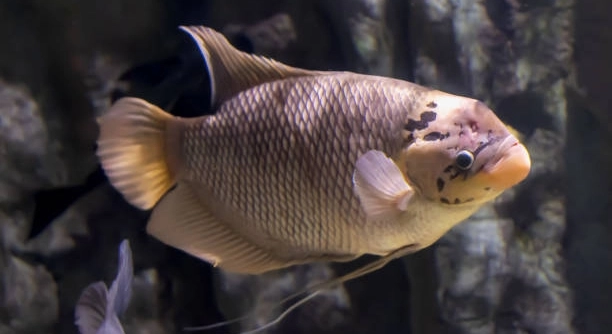
Are your gouramis constantly hiding or struggling in the corners of the tank? Many aquarists notice their fish avoiding areas with strong water currents. Understanding their behavior can improve both their comfort and overall health in your aquarium.
Gouramis that dislike high flow often exhibit stress behaviors such as clinging to plants or tank edges. Reducing water current and providing calm zones allows them to swim naturally, conserve energy, and maintain proper health without constant strain.
Learning how to adjust water flow can greatly enhance your gouramis’ well-being and make your tank a more peaceful environment for all its inhabitants.
Understanding Gourami Behavior in Strong Currents
Gouramis are naturally slow swimmers and prefer calm water. High flow can make them feel stressed and tired, causing them to hide or stay in one corner. Observing their daily patterns helps you see when the water current is too strong. Some gouramis may only tolerate short bursts of stronger flow near filters, while others avoid it entirely. Plants, decorations, and floating barriers can create calm zones where they can rest. Providing these spaces allows gouramis to explore the tank without constant struggle. Their fins are delicate, and strong currents can cause tears or damage. Over time, stress from excessive water movement can reduce their appetite, weaken their immune system, and even shorten lifespan. Simple changes like adjusting filter output or redirecting flow with decorations often solve the issue. Watching them swim freely in calmer water shows how much they benefit from these small adjustments.
Even a few slow zones can make a big difference in their daily comfort.
Tank layout plays a key role in flow management. Placing tall plants near filters or creating caves with rocks lets gouramis find refuge. Floating plants soften surface currents and reduce turbulence. Adjusting filter flow or using sponge pre-filters can control water speed without sacrificing filtration. Observing how they move and rest helps you fine-tune the environment. Over time, you learn which areas they prefer and which they avoid. Creating multiple calm spots allows for natural behavior, like gliding and resting among plants. This approach not only keeps gouramis healthy but also reduces stress behaviors such as rapid gill movement or fin clamping. A well-structured tank with gentle currents encourages exploration, exercise, and better appetite. Their comfort translates into more vibrant colors and livelier interactions with other peaceful tank mates. Simple tweaks in water flow and tank design can dramatically improve the quality of life for your gouramis.
Adjusting Flow Without Compromising Filtration
Reducing water flow does not mean lowering filtration efficiency.
You can use flow deflectors, sponge filters, or redirect currents with decorations. Combining these techniques balances strong filtration with calm swimming areas, ensuring gouramis stay healthy while the tank remains clean.
Adjusting water flow effectively starts with understanding your filtration system. Many filters allow output adjustments, and attaching a spray bar or directional outlet can diffuse strong currents. Sponge filters are gentle alternatives that maintain biological filtration while producing minimal turbulence. Creating zones with plants or ornaments allows water to circulate softly around the tank, giving gouramis resting spots. Floating plants can absorb some surface agitation and provide shade, further calming the water. Observing fish behavior over several days shows whether adjustments are successful. Sometimes, small changes such as repositioning a filter or adding a small rock formation make a big difference. Maintaining proper oxygen levels and filtration ensures water quality stays high even with reduced current. By focusing on both flow management and tank health, you create an environment where gouramis can swim comfortably, eat well, and exhibit natural behavior without unnecessary stress.
Signs Your Gourami is Uncomfortable
Rapid gill movement, clamped fins, and hiding near plants indicate stress from strong currents. Gouramis may also lose interest in food or seem lethargic. Observing these behaviors early helps prevent long-term health problems and lets you adjust tank conditions promptly.
Frequent hiding or staying in one area signals the fish is struggling with water flow. Gouramis naturally prefer calm areas, so constant avoidance of open spaces shows discomfort. Stress can weaken their immune system, making them more prone to disease. Adjusting the current, adding plants, or creating shaded spots allows them to regain energy. Monitoring feeding habits is also important; a healthy gourami will eat consistently. Minor changes like slowing filter output or adding floating plants can significantly reduce stress, letting the fish swim freely and display natural colors. Proper observation ensures they remain active and healthy over time.
Long periods of avoidance in the tank corners or behind decorations indicate persistent discomfort. Gouramis may also rub against surfaces, which can damage fins if stress continues. Providing multiple calm zones and monitoring interactions with other fish is essential. Small environmental tweaks often restore natural behavior, improving appetite and overall well-being.
Creating Calm Zones in the Aquarium
Adding dense plants, rocks, or floating barriers creates gentle areas where gouramis can rest. Calm zones reduce stress, allowing them to swim naturally and interact comfortably with tank mates.
Positioning tall plants near filter outlets or arranging rock caves breaks up strong currents, giving gouramis soft swimming areas. Floating plants can shield the surface from turbulence and offer shade, enhancing calm zones. Decorations like driftwood or hollow ornaments create small retreats, letting the fish rest without being disturbed. Observing their preferred spots over time allows you to refine placement and optimize comfort. Multiple gentle areas also reduce competition with other species, as each fish can choose a preferred resting zone. Adjusting flow gradually ensures the environment remains balanced, keeping both the gouramis and other tank inhabitants healthy and stress-free.
Adjusting Filter Output
Lowering filter flow can make a significant difference for gouramis. Many filters have adjustable settings, allowing gentle water movement without reducing filtration efficiency. Gradual changes help the fish adapt without causing shock.
Using a sponge pre-filter or spray bar diffuser can redirect strong currents. This softens water movement while maintaining clean water and proper circulation, creating a calmer swimming environment.
Observing Gourami Preferences
Some gouramis enjoy moderate flow near the surface but need still water at the bottom. Watching where they spend most of their time helps determine ideal tank conditions. Adjust decorations and plants based on their preferred zones to maximize comfort and reduce stress.
Balancing Flow and Tank Health
Maintaining water quality is essential even with reduced flow. Gentle currents prevent stagnation and support filtration, while calm zones protect gouramis. Monitoring ammonia, nitrite, and nitrate levels ensures a healthy environment, combining both fish comfort and tank hygiene effectively.
Long-Term Benefits of Calm Zones
Calm areas help gouramis conserve energy, display natural behavior, and maintain vibrant colors. Over time, reduced stress supports stronger immunity, better appetite, and overall longevity, making the tank more enjoyable to observe.
FAQ
Why does my gourami avoid strong currents?
Gouramis are slow swimmers and prefer calm water. Strong currents can tire them quickly, stress them out, and make it hard to feed properly. When they stay in one corner or hide among plants, it’s usually their way of finding a calmer spot to rest.
How can I tell if my gourami is stressed by water flow?
Look for signs like clamped fins, rapid gill movement, hiding frequently, or loss of appetite. Sometimes they rub against decorations or plants, which can cause minor injuries. Observing their daily swimming patterns helps you identify areas of discomfort and adjust the environment.
Will reducing water flow harm my tank’s filtration?
Not necessarily. You can redirect strong currents using spray bars, sponge filters, or decorations. Adjusting filter output gradually ensures water remains clean while creating calm zones. These methods balance flow and filtration without compromising water quality.
What plants help create calmer areas for gouramis?
Tall stem plants, floating plants, and bushy foreground plants help soften water movement. Floating plants absorb surface turbulence, while tall plants near filter outlets break strong currents. Bushy plants provide resting spots and hiding areas, making gouramis feel secure.
Can tank decorations reduce stress for gouramis?
Yes. Rocks, driftwood, caves, and hollow ornaments break up water flow and create retreats. Positioning decorations near filter outlets or open swimming areas gives fish gentle zones to rest. Multiple calm areas allow gouramis to choose their preferred spots freely.
Do all gouramis dislike high flow?
Not all. Some may tolerate moderate currents, especially near the surface, but most prefer calm water at the bottom and around dense plants. Observing their behavior over several days helps determine how much flow your specific fish can handle comfortably.
How quickly can gouramis adapt to flow changes?
Gradual adjustments work best. Sudden changes can cause stress or shock. Reducing flow in small increments over several days lets them adapt and explore calm zones safely. Frequent observation ensures they remain comfortable during the transition.
Will calm zones affect other tank inhabitants?
Calm zones can benefit other peaceful species too. Aggressive or fast-swimming fish may still prefer open areas, but slower or timid species enjoy gentle zones. Arranging multiple resting spots accommodates different behaviors without compromising tank harmony.
How do I balance oxygen levels with slower water movement?
Gentle currents and floating plants still allow surface agitation, maintaining oxygen exchange. Adjusting filter output slightly and ensuring good water circulation without strong flow keeps oxygen levels stable. Observing fish activity can indicate if oxygen is sufficient.
What are the long-term benefits of creating calm zones?
Calm zones reduce stress, protect delicate fins, and encourage natural swimming behavior. Gouramis conserve energy, eat better, and show brighter colors. Over time, their immune system strengthens, overall health improves, and lifespan increases. A well-structured tank with gentle currents benefits all inhabitants.
Can I use flow deflectors instead of changing the filter?
Yes. Flow deflectors redirect water without reducing filtration. They allow you to maintain tank cleanliness while softening currents in areas frequented by gouramis. This is a simple, non-invasive way to create calm zones without major equipment changes.
How do I monitor if changes are effective?
Watch their swimming patterns, feeding behavior, and interaction with tank mates. Calm swimming, regular eating, and exploration of the tank indicate successful adjustments. If stress behaviors persist, further tweaks to flow, decorations, or plant placement may be necessary.
Should I separate gouramis if they dislike strong currents?
Separation is rarely needed if you adjust tank conditions. Creating multiple calm zones and redistributing water flow usually solves the issue. Only consider separation if other fish are aggressive or if stress behaviors continue despite environmental adjustments.
Are there specific gourami species more sensitive to flow?
Dwarf gouramis and pearl gouramis are usually more sensitive, preferring very calm water. Larger species like kissing gouramis tolerate moderate flow better but still appreciate gentle zones. Knowing the species helps tailor tank conditions effectively.
Can high flow cause long-term health issues?
Yes. Prolonged exposure to strong currents can lead to weakened immunity, fin damage, reduced appetite, and slower growth. Creating calm areas prevents these problems, supporting healthier, more active fish over time.
Is it okay to have a mix of flow preferences in the same tank?
Yes, as long as you provide zones for both preferences. Fast swimmers can occupy stronger currents while gouramis enjoy calm areas. Decorations, plants, and flow adjustments allow coexistence without stress or conflict.
How do I maintain a clean tank while keeping calm zones?
Use gentle filtration like sponge filters or redirect existing filter flow. Floating plants and decorations help slow water movement locally, while the overall tank still circulates properly. Regular water changes combined with calm zones keep both cleanliness and fish comfort balanced.
What should I do if gouramis still avoid parts of the tank?
Reassess flow, decorations, and plant placement. Sometimes slight adjustments in filter direction or adding more cover can encourage exploration. Persistent avoidance may indicate remaining stress points that need fine-tuning for comfort.
Can temperature affect how gouramis react to flow?
Yes. Higher temperatures increase metabolism, making strong currents more tiring. Cooler, stable water reduces stress and allows them to handle moderate flow more comfortably. Maintaining consistent temperature supports overall adaptation to flow changes.
Are calm zones necessary in small tanks?
Even small tanks benefit from gentle areas. Floating plants, small caves, or rearranged decorations can create calm zones without taking up much space. Proper planning ensures gouramis feel secure and can rest despite limited room.
How often should I check for flow-related stress?
Daily observation is ideal, especially after changes. Look for hiding, clamped fins, or loss of appetite. Adjustments can be made gradually, and consistent monitoring ensures gouramis remain healthy and stress-free in their environment.
Will calm zones improve breeding behavior?
Yes. Reduced stress and gentle water movement encourage natural behaviors, including courtship and spawning. Providing calm areas increases comfort, which supports healthier, more successful breeding in gouramis.
Can I combine multiple strategies for calmer water?
Absolutely. Use plants, decorations, floating barriers, and filter adjustments together. Combining these strategies creates a more balanced environment, protecting gouramis while maintaining tank hygiene, oxygen levels, and overall harmony.
How do I introduce these changes without shocking the fish?
Make small, gradual adjustments over several days. Move decorations slowly, reduce flow in increments, and monitor behavior closely. Gradual changes allow gouramis to adapt naturally without stress or sudden disruption to their routine.
What should I do if other fish prefer strong currents?
Create multiple zones in the tank. Fast swimmers can occupy higher flow areas while gouramis use calmer spots. Using plants and decorations to separate zones maintains harmony, letting each species thrive in their preferred environment.
How long does it take to see improvements after adjustments?
Usually a few days to a week. Gouramis start exploring calm zones, eating more consistently, and displaying normal swimming behavior. Observing gradual changes helps confirm that flow modifications are effective and beneficial.
Can stress from flow affect gourami coloration?
Yes. Stress can dull colors and reduce vibrancy. Calm zones and gentle water movement encourage natural color display, reflecting better overall health and reduced tension.
Is it necessary to measure flow speed?
Not always. Observing behavior is usually enough. If fish avoid certain areas, currents are likely too strong. Flow meters can help fine-tune adjustments, but visual cues are often sufficient.
Do gouramis need hiding spots in addition to calm water?
Yes. Calm zones combined with hiding places allow rest and security. Plants, caves, and floating barriers provide protection from stress and support natural behavior, making gouramis feel safe.
How do I know if my calm zones are effective long-term?
Consistent swimming in relaxed patterns, normal feeding, and healthy fin condition indicate success. Regular observation ensures continued comfort and lets you adjust for any environmental changes or tank growth.
Can high flow affect young or juvenile gouramis differently?
Yes. Juveniles are more fragile and tire quickly in strong currents. Providing calm zones is especially important during early growth to support proper development and prevent stress-related issues.
Are calm zones helpful during feeding times?
Definitely. Gouramis can eat without being pushed by currents. Calm zones reduce competition and allow fish to feed naturally, supporting better nutrition and overall well-being.
Do gouramis interact differently in calm versus strong flow?
Yes. In calm zones, they swim naturally, explore, and interact with tank mates. Strong currents often cause hiding, reduced movement, or aggression. Adjusting flow improves social behavior and overall tank harmony.
How often should decorations or plants be rearranged?
Only if fish behavior suggests stress or avoidance. Frequent changes can confuse them. Minor adjustments over time optimize calm zones while keeping the tank stable and comfortable for gouramis.
Can flow adjustments help with fin rot or injuries?
Yes. Reduced stress and calmer water prevent further fin damage. Gentle currents combined with hiding spots allow fins to heal naturally while maintaining proper water quality to prevent infections.
Should I combine calm zones with regular water changes?
Absolutely. Calm zones alone don’t replace maintenance. Regular water changes support health and water quality, while gentle areas protect gouramis from stress, creating a balanced and thriving environment.
Is it okay to have some strong flow areas in a gourami tank?
Yes. Some activity zones are fine, especially for fast-moving fish. Ensure gouramis have nearby calm zones to retreat to, balancing tank activity with their comfort.
How do I maintain calm zones in larger tanks?
Use multiple plants, decorations, and flow deflectors across the tank. Larger spaces may require more calm spots, ensuring all gouramis can find resting areas without competing for space.
Can calm zones affect algae growth?
Softer currents may slightly increase localized algae growth, but proper filtration and regular cleaning prevent buildup. Calm zones and tank hygiene can coexist without major issues.
Are calm zones necessary in community tanks?
Yes. They benefit all timid or slow-moving species. Calm zones reduce stress, prevent aggression, and provide safe resting areas, supporting overall harmony among diverse fish species.
How do I know if a filter adjustment is too extreme?
Watch fish behavior immediately after changes. Rapid hiding, clamped fins, or frantic swimming indicate stress. Gradually tweak flow until fish swim comfortably and explore the tank naturally.
Can calm zones improve overall fish activity?
Yes. Less stress means more natural swimming, exploration, and interaction. Gouramis and other peaceful species become livelier and healthier when they have gentle areas to rest and play.
Do gouramis need constant access to calm water?
Yes. Even brief exposure to strong currents can cause fatigue. Consistent calm zones allow them to regulate energy, eat properly, and maintain overall health.
How do I combine multiple gourami species with different flow tolerances?
Provide multiple zones with varying current levels. Sensitive species use calm areas while tolerant species occupy moderate flow regions. Decorations and plants help separate zones, creating a comfortable environment for all fish.
What signs indicate calm zones are working?
Fish swim freely, eat consistently, explore decorations, and display natural colors. Reduced hiding, relaxed fins, and regular activity show that environmental adjustments are effective.
Are calm zones important for nocturnal behavior?
Yes. Nighttime exploration is safer in gentle water. Calm zones prevent stress during low activity periods, allowing gouramis to rest and move comfortably even in dim light.
How do I balance flow for both gouramis and other tank fish?
Use multiple zones with plants, decorations, or flow deflectors. Adjust filter output gradually and observe fish behavior to ensure each species has comfortable areas without compromising overall circulation or water quality.
Will calm zones reduce aggression among gouramis?
Yes. Providing personal spaces reduces competition for territory. Multiple calm zones allow gouramis to coexist peacefully, minimizing conflicts and stress-related behaviors.
Can I maintain calm zones with strong filter output for oxygenation?
Yes. Redirecting flow with decorations, spray bars, or floating plants allows strong filtration while creating gentle areas. This ensures both proper oxygenation and comfortable zones for gouramis.
Do calm zones affect breeding success?
Yes. Reduced stress and gentle water movement encourage spawning and courtship. Calm areas increase comfort, leading to more successful and natural breeding behavior.
Are calm zones helpful during illness or recovery?
Definitely. Sick or injured gouramis benefit from reduced currents. Calm areas allow rest, recovery, and safer feeding, supporting faster healing and less stress during treatment.
How do I adjust flow without moving the filter?
Use spray bars, deflectors, or decorations to redirect water. Floating plants or rocks can break currents locally, creating calm zones while keeping the filter in place.
Can calm zones prevent future health problems?
Yes. Reduced stress, safer swimming, and less fin damage support stronger immunity and better long-term health. Properly designed calm zones protect gouramis from avoidable issues.
How do I maintain calm zones over time?
Monitor plant growth, decoration placement, and fish behavior. Gradual adjustments as the tank matures ensure calm zones remain effective, keeping gouramis comfortable and the environment balanced.
Are calm zones necessary in heated or cooled tanks?
Yes. Temperature fluctuations combined with strong currents increase stress. Calm zones allow fish to rest and regulate energy, supporting health regardless of water temperature.
Can calm zones improve social interaction among gouramis?
Yes. Reduced stress encourages exploration, interaction, and natural behaviors. Calm areas allow peaceful interactions while limiting aggression caused by competition for space or territory.
How often should I reassess calm zones?
Periodic observation is enough. Changes in tank size, plant growth, or fish behavior may require minor adjustments. Consistent monitoring ensures comfort and ongoing stress reduction for gouramis.
Will calm zones help if gouramis are kept with aggressive species?
Yes. Gentle areas provide retreat spots, reducing stress and potential injuries from more aggressive tank mates. Multiple calm zones enhance safety and overall well-being.
Can calm zones be temporary or permanent?
Permanent calm zones are best. While temporary adjustments may help in specific situations, consistent calm areas support long-term health, behavior, and comfort for gouramis in the tank.
How do I balance visual appeal with calm zones?
Use plants, rocks, and decorations that look natural and attractive while creating gentle swimming areas. Calm zones can enhance the tank’s aesthetics and functionality simultaneously.
Are calm zones more important for certain tank sizes?
Smaller tanks need carefully planned calm areas due to limited space, while larger tanks can have multiple zones. Regardless of size, providing gentle areas supports gourami comfort and reduces stress.
Can calm zones influence feeding behavior?
Yes. Gouramis feed more confidently in gentle water. Calm areas reduce competition and stress during feeding, improving nutrition, appetite, and overall health.
Do gouramis need different calm zones at different life stages?
Yes. Juveniles require more sheltered areas, while adults benefit from gentle open zones. Adjusting plant density and decoration placement accommodates growth and changing preferences.
How do I know if calm zones are too restrictive?
If fish cannot swim freely, avoid exploration, or appear confined, calm zones may be excessive. Balance shelter with open swimming areas to support natural movement and activity.
Can calm zones reduce waterborne stress?
Yes. Gentle currents and safe retreats reduce constant exertion, allowing gouramis to rest, conserve energy, and lower stress from turbulent water.
Are calm zones necessary for single gourami setups?
Yes. Even one fish benefits from areas with reduced flow for resting, feeding, and exploring comfortably without constant fatigue.
How do I adjust calm zones for seasonal changes?
Reposition plants, decorations, or flow deflectors as needed. Seasonal water temperature or growth of plants may alter currents, requiring minor tweaks to maintain effective calm areas.
Will calm zones affect fish exercise?
No. Properly placed calm areas encourage natural swimming while allowing rest. Fish still move actively but without constant stress from strong currents.
Can calm zones prevent fin clamping?
Yes. Gentle water reduces stress, protecting fins from damage and keeping them healthy. Providing retreats ensures less physical strain during swimming.
Do calm zones improve overall tank harmony?
Absolutely. Multiple gentle areas reduce conflict, stress, and competition, benefiting all peaceful species and promoting a balanced, healthy aquarium ecosystem.
How often should calm zones be modified?
Only as needed. Observe fish behavior and adjust decorations or flow gradually. Minimal changes maintain stability while ensuring continued comfort and stress reduction.
Are calm zones compatible with high-tech tanks?
Yes. Even tanks with strong filtration or CO2 injection can have localized gentle areas using plants, rocks, and flow redirection, balancing technology with fish comfort.
Can calm zones help prevent obesity in gouramis?
Indirectly. Reduced stress encourages natural activity and feeding behavior. Fish are more likely to swim and explore, supporting healthy metabolism and maintaining proper body condition.
Do calm zones reduce the risk of infections?
Yes. Stress weakens immunity, increasing susceptibility. Calm zones lower stress, helping maintain strong immune function and reducing the likelihood of disease.
How do I combine calm zones with tank maintenance routines?
Plan areas that don’t block access for cleaning. Floating plants, removable decorations, and flexible layouts allow maintenance while preserving gentle zones for gouramis.
Can calm zones improve interaction with other species?
Yes. Calm areas provide neutral spaces for timid species to coexist, reducing aggression and supporting peaceful social behavior across tank inhabitants.
Are calm zones helpful for all gourami sizes?
Yes. Juveniles, adults, and larger species benefit from reduced currents. Adjust the placement of plants or decorations to match size and swimming strength for optimal comfort.
How do I encourage gouramis to use calm zones?
Place hiding spots and plants near filter outlets, create soft currents, and provide areas with shade. Observing their behavior helps fine-tune locations to match natural preferences.
Will calm zones affect water chemistry?
No significant impact if proper filtration and water changes are maintained. Calm zones primarily influence behavior and stress, while regular maintenance ensures stable chemistry.
How do calm zones interact with lighting conditions?
Floating plants can provide shade, complementing calm zones. Gentle lighting enhances resting areas and supports natural behavior without stressing gouramis under bright, direct light.
Can calm zones prevent fin nipping from tank mates?
Yes. Providing retreats and gentle water reduces confrontation opportunities, protecting delicate fins from aggressive or fast-moving species.
Are calm zones necessary in planted tanks?
Yes. Even in densely planted tanks, gentle areas help gouramis rest, swim comfortably, and interact naturally, enhancing overall tank health and fish well-being.
How do I know if calm zones are too few?
Frequent hiding, clustering in one spot, or competition for space indicates additional zones are needed. Multiple areas ensure all gouramis have access to comfort.
**Can calm zones
Creating a comfortable environment for your gouramis is essential to their overall health and happiness. High water flow can be stressful for these fish, as they are naturally slow swimmers and prefer calm areas to rest and explore. When the current is too strong, gouramis often hide, clamp their fins, or lose interest in food, which can affect their growth and well-being. Observing their behavior is key to understanding their needs. By noticing where they spend most of their time and how they respond to water movement, you can make small adjustments to the tank that greatly improve their comfort. Simple changes, such as lowering filter output, adding floating plants, or creating resting zones with decorations, can make a significant difference in their daily life. Calm zones allow them to swim freely without fatigue, display natural behaviors, and interact peacefully with other fish. Over time, these gentle areas help reduce stress and support overall vitality, giving gouramis a healthier and more active life in the aquarium.
Maintaining proper tank conditions goes hand in hand with creating calm zones. Reducing water flow does not mean neglecting filtration or water quality. By redirecting currents with spray bars, sponge filters, or strategically placed decorations, you can keep the water clean and oxygenated while providing calmer spaces for the fish. Plants not only soften water movement but also improve aesthetics and offer hiding spots, making the environment more natural and comfortable. Observing your gouramis during feeding and daily swimming helps ensure that the adjustments are effective. Calm zones also help prevent injuries, such as torn fins or stress-related illness, which can occur when fish are constantly struggling against strong currents. Over time, properly balanced water movement supports better immunity, appetite, and coloration, showing visible signs of improved health. Paying attention to these small details creates a more harmonious tank where all inhabitants can thrive.
Consistency and observation are essential for long-term success. Gouramis benefit from calm zones not only for daily comfort but also for natural behavior and stress management. These areas give them the opportunity to rest, explore, and feel safe, which ultimately improves their overall quality of life. Adjusting the environment gradually and monitoring their response helps maintain the balance between gentle swimming areas and proper filtration. By creating multiple calm zones and providing hiding spots, you ensure that even timid or weaker fish can move comfortably and interact safely with tank mates. Over time, these measures contribute to a healthier, more vibrant, and peaceful aquarium. Calm zones are not just a convenience; they are an essential part of supporting your gouramis’ well-being and longevity. By paying attention to flow preferences, tank layout, and fish behavior, you create an environment where your gouramis can flourish naturally, maintaining their health and enhancing the enjoyment of your aquarium.

Hello,
If you enjoy the content that we create, please consider saying a "Thank You!" by leaving a tip.
Every little bit helps us continue crafting quality advice that supports the health, happiness, and well-being of pets around the world, for pets of all shapes, sizes, and species.
We really appreciate the kindness and support that you show us!