
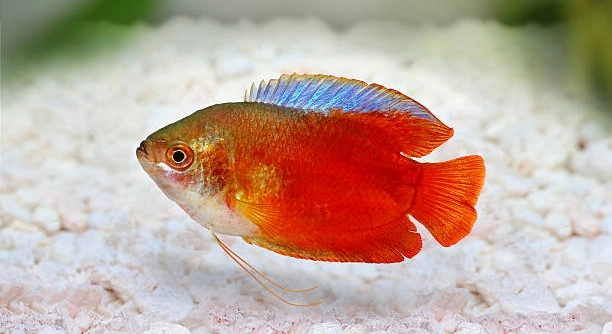
Keeping smart gouramis happy in an aquarium can feel tricky sometimes. Even with careful care, they may act confused or stressed without any obvious reason. Many fish owners unknowingly make small mistakes that impact their pets daily.
Smart gouramis often become confused due to inconsistent tank conditions, improper feeding routines, and lack of environmental enrichment. These factors can interfere with their natural behaviors, leading to stress, reduced activity, and unexpected interactions with other tank mates.
Understanding these common errors will help you provide a calmer and healthier environment for your gouramis, making your aquarium a more balanced space for them.
Inconsistent Tank Conditions
Maintaining a stable environment is essential for gouramis. Sudden changes in temperature, pH, or water hardness can leave them stressed and confused. Even small fluctuations may affect their appetite and activity. Many aquarists overlook the importance of testing water regularly. Filters, heaters, and air pumps need consistent monitoring. Overcrowded tanks worsen the issue, making it harder for gouramis to feel safe. Proper cycling before introducing fish helps prevent shocks to their system. Observing your gouramis daily allows you to notice subtle changes in behavior that indicate stress. Clean water and steady parameters support their immune system and natural routines. Avoid frequent partial water changes with large volumes, as this can mimic abrupt environmental shifts. Gradual adjustments are always better than sudden corrections, especially for sensitive species like gouramis. Establishing a predictable tank schedule gives them the stability they need to thrive.
Keeping water parameters steady improves gouramis’ confidence and reduces erratic or defensive behavior.
Smart gouramis are intelligent and notice small differences in their surroundings. By keeping temperature, pH, and hardness consistent, you ensure they swim calmly and interact naturally. Stress caused by inconsistent water can lead to hiding, reduced feeding, or even aggression toward tank mates. Even slight variations affect their behavior. Monitoring equipment regularly and adjusting conditions gradually keeps the tank comfortable. Overcrowding amplifies stress, as fish struggle to find personal space. A well-maintained environment supports their immune system, reducing illness risk. Regular water tests prevent unnoticed shifts, and gradual changes help them adjust without confusion. Providing hiding spots and a structured environment complements stable water conditions. Observing daily behavior helps identify any subtle issues early. When gouramis feel secure, their colors brighten, activity increases, and feeding becomes more consistent. Consistency is key to maintaining a harmonious and healthy tank for these intelligent fish.
Improper Feeding Routines
Skipping meals or overfeeding can confuse gouramis. They need a balanced diet at regular intervals.
Gouramis require both protein-rich foods and occasional plant matter. Feeding inconsistently affects their digestion, growth, and behavior. Overfeeding causes water quality issues, while underfeeding reduces energy and engagement. Small, frequent meals work best for maintaining health and mental stimulation.
Establishing a feeding routine helps gouramis recognize when to expect food, supporting natural behavior. Varying their diet between flakes, pellets, frozen, or live food keeps them interested and nourished. Observing how they respond to different portions prevents overfeeding and maintains water cleanliness. Overly large meals can cause bloating, lethargy, and territorial disputes. Underfeeding leaves them weak and more prone to illness. Even minor changes in feeding schedules can create stress, making them less active or more skittish. Consistent feeding times and measured portions strengthen their routine and mental alertness. Supplements like spirulina or occasional brine shrimp provide extra nutrients and encourage exploration in the tank. By keeping meals predictable but varied, gouramis stay healthy, active, and confident in their environment. A steady routine combined with careful portion control is essential for avoiding unnecessary stress and behavioral issues.
Lack of Hiding Spaces
Gouramis need places to feel safe in the tank. Without plants or decorations, they may appear nervous or withdrawn.
Providing dense vegetation, caves, or floating plants helps gouramis reduce stress. They use these areas to rest and observe without feeling exposed. A lack of hiding spots can increase aggression and reduce feeding activity, as fish compete for open space. Gouramis often retreat to corners when they feel threatened, which limits their natural swimming patterns. Adding a variety of shelters ensures they can choose areas that match their comfort level. Even small decorations or leaf cover can make a noticeable difference in their confidence. Overcrowding combined with few hiding spots worsens stress, leading to erratic behavior. Maintaining both open swimming areas and secure hiding spaces creates balance in the tank, supporting their overall well-being.
Hiding spaces help gouramis feel secure, reducing anxiety and encouraging normal activity throughout the tank.
With proper hiding areas, gouramis show more natural behavior. They explore, interact, and feed more confidently when they have secure spots. Floating plants provide shade and break lines of sight, minimizing territorial disputes. Caves or dense plant clusters mimic their natural environment and offer retreat when they feel threatened. Lack of these spaces can increase visible stress signs such as darting, fin clamping, or aggression toward tank mates. Even adding simple items like PVC pipes or leaf litter can provide significant relief. Adjusting placement periodically keeps them curious and mentally stimulated. By observing how your gouramis use these spaces, you can improve tank layout for comfort and security. Consistent access to hiding spots supports calmer, healthier fish that thrive in captivity.
Overcrowding
Too many fish in a tank leads to stress and confusion among gouramis. Maintaining proper numbers is essential.
Overcrowded tanks reduce swimming space and increase competition for food and territory. Gouramis become stressed, show defensive behavior, and may neglect feeding. Limited space prevents natural interaction and can lead to injury from collisions or aggression. Stress from overcrowding weakens their immune system, increasing vulnerability to disease. Careful planning of fish density and compatible species prevents these issues. Even intelligent gouramis cannot adjust easily to cramped conditions. Providing a tank with sufficient volume per fish ensures they can swim freely and interact naturally. Proper stocking reduces aggression, improves water quality management, and supports overall mental and physical health. Monitoring behavior in crowded tanks helps identify if numbers need adjustment, protecting their well-being.
Maintaining adequate space allows gouramis to swim, explore, and feed without constant stress or conflict. Overcrowding disrupts routine and can amplify other issues. Proper planning of tank capacity, compatible species, and hiding spots creates a balanced environment. Regular observation and monitoring prevent unnoticed stress or territorial disputes. Each gourami benefits from having enough room for normal activity, reducing confusion and promoting natural behavior. Adjustments in stocking or tank layout ensure calm, confident fish. Managing space carefully supports their health and enhances enjoyment for aquarists observing lively, active fish in a well-organized habitat.
Poor Water Quality
Dirty or unbalanced water confuses gouramis and weakens their immune system. Regular cleaning and testing are essential.
High ammonia, nitrite, or nitrate levels can cause stress and illness. Even small changes in clarity, temperature, or pH affect behavior. Maintaining clean, stable water supports their health and natural routines.
Aggressive Tank Mates
Gouramis can become stressed when housed with aggressive species. Conflicts over territory or food disrupt their natural behavior. Careful selection of compatible tank mates prevents constant stress and promotes a peaceful environment where gouramis can thrive without fear.
Lack of Mental Stimulation
Smart gouramis get bored without challenges or variety. Providing plants, decorations, and occasional enrichment encourages exploration and keeps them active. Without mental stimulation, they may become lethargic, hide excessively, or show repetitive behaviors, which signals frustration and discomfort in their environment.
Incorrect Temperature
Temperature outside the ideal range impacts gouramis’ metabolism and activity. Maintaining a steady, appropriate temperature ensures normal feeding, swimming, and social behavior.
FAQ
Why do my gouramis seem confused or stressed?
Gouramis show signs of confusion or stress when their environment is inconsistent, overcrowded, or lacking hiding spaces. Changes in water quality, temperature, or tank layout can affect their behavior. Even small disruptions to their routine may make them hesitant to feed or explore. Providing stable conditions and enough space helps them feel secure.
How often should I test water parameters?
Testing water at least once a week is ideal. Parameters like pH, ammonia, nitrite, and nitrate levels influence their health and behavior. Sudden spikes can cause stress or illness. Regular testing helps prevent unnoticed problems and keeps gouramis comfortable.
What is the best feeding routine for gouramis?
Gouramis do best with small, frequent meals rather than one large feeding. A balanced diet of flakes, pellets, and occasional live or frozen food ensures proper nutrition. Avoid overfeeding, as leftover food reduces water quality and increases stress. Consistency in timing helps them feel secure.
Do gouramis need hiding spots?
Yes, hiding spaces are essential. Plants, caves, and floating vegetation give them places to rest and observe. These areas reduce anxiety and aggression. Without them, gouramis may hide constantly, become withdrawn, or display erratic behavior. A mix of open swimming areas and shelters works best.
Can tank mates affect my gouramis’ behavior?
Absolutely. Aggressive or overly active tank mates can intimidate gouramis. Territorial disputes and competition for food can cause stress and confusion. Choosing compatible species and monitoring interactions ensures a calmer environment. Gouramis are more confident when other fish respect their space.
How many gouramis should I keep in one tank?
Tank size and density matter more than a fixed number. Overcrowding increases stress, aggression, and illness. A general guideline is one gourami per 10–15 gallons, but hiding spaces and tank layout can adjust this slightly. Providing ample swimming room keeps them active and relaxed.
Why do my gouramis hide too much?
Excessive hiding usually signals stress or insecurity. Poor water quality, aggressive tank mates, overcrowding, or lack of enrichment can all contribute. Ensure stable parameters, adequate space, and plenty of hiding spots to encourage them to explore and interact naturally.
How important is water temperature?
Water temperature directly affects gouramis’ metabolism and activity. Sudden shifts can confuse or stress them. Keeping a steady temperature within their ideal range ensures proper feeding, swimming, and social behavior. Using a reliable heater and thermometer helps maintain stability.
What are signs of a bored gourami?
Bored gouramis may hide excessively, swim repetitively, or show little interest in food. Lack of mental stimulation can lead to frustration. Adding plants, decorations, or occasional enrichment like floating food encourages exploration and keeps them active.
Can changing tank decorations affect them?
Yes, sudden changes in layout can confuse gouramis. Rearranging plants or ornaments may make them hesitant to explore. Introduce changes gradually to allow adjustment. Keeping some familiar areas helps them feel secure while they adapt to new spaces.
How do I reduce stress for my gouramis?
Maintain stable water parameters, provide enough hiding spaces, keep tank mates compatible, and establish a regular feeding routine. Avoid overcrowding and sudden environmental changes. Observing their behavior daily allows early detection of stress, keeping gouramis healthy and confident in their habitat.
Is it normal for gouramis to ignore food sometimes?
Yes, occasional refusal to eat can occur, especially if they are stressed or adjusting to changes. Consistent water quality, suitable temperature, and a stable routine usually encourage normal feeding behavior. Monitoring for prolonged disinterest helps identify potential issues early.
How do I know if my gourami is healthy?
Healthy gouramis are active, explore their environment, feed regularly, and show bright, consistent coloration. Clamped fins, lethargy, hiding, or erratic swimming indicate stress or illness. Regular observation, proper care, and stable tank conditions support their well-being.
Can I keep multiple gourami species together?
Some gourami species coexist well, but compatibility depends on size, temperament, and tank size. Avoid mixing aggressive species or those that occupy the same territory. Providing sufficient hiding spaces and open swimming areas helps minimize conflict and confusion.
How can I enrich my gouramis’ environment?
Adding plants, driftwood, caves, and floating vegetation encourages exploration. Varying food types, introducing gentle current changes, or occasional rearrangement provides mental stimulation. Enrichment reduces boredom, promotes natural behavior, and supports their overall health in captivity.
How do I prevent water quality issues?
Regular water changes, proper filtration, and avoiding overfeeding are key. Test water weekly for ammonia, nitrite, nitrate, and pH. Cleaning debris and uneaten food prevents harmful buildup. Stable conditions reduce stress and maintain a healthy tank for gouramis.
Are gouramis sensitive to sudden noise or movement?
Yes, gouramis notice vibrations and sudden activity outside the tank. Frequent disturbances can stress them, leading to hiding or erratic swimming. Placing the tank in a calm area and limiting abrupt movements around it helps keep them relaxed and comfortable.
How do I introduce new gouramis safely?
Quarantine new fish before adding them to the main tank. Introduce them gradually, ideally during feeding time, to reduce territorial aggression. Monitor interactions closely to ensure they integrate without stress or conflict, allowing all fish to adjust comfortably.
What should I do if my gourami becomes aggressive?
Aggression often stems from stress, overcrowding, or lack of hiding spots. Check water quality, provide sufficient space, and adjust tank layout. Separating aggressive individuals or rearranging territories can restore balance. Observing behavior helps prevent future conflicts and keeps all gouramis calm.
Can lighting affect gourami behavior?
Yes, sudden bright lights or inconsistent lighting can stress gouramis. A stable day-night cycle with moderate light intensity supports natural activity and feeding patterns. Floating plants or shaded areas help them adjust and feel secure during light changes.
How often should I clean the tank?
Partial water changes of 20–25% weekly help maintain quality. Remove debris, uneaten food, and vacuum the substrate as needed. Over-cleaning or large sudden changes can stress gouramis, so gradual and consistent maintenance works best.
What signs indicate boredom or stress in gouramis?
Repeated hiding, erratic swimming, clamped fins, or refusal to eat are clear indicators. Boredom or environmental stress affects both mental and physical health. Providing enrichment, hiding spots, and stable routines encourages natural behavior and reduces these signs.
How do I manage multiple gouramis in one tank?
Ensure enough space, hiding spots, and consistent feeding. Observe behavior for territorial disputes. Gradual introductions and careful monitoring prevent stress and confusion. Proper tank size, layout, and compatible species maintain a balanced and peaceful environment for all gouramis.
Can gouramis recognize their owners?
Gouramis are observant and can become familiar with people who feed or care for them regularly. Recognition is subtle, shown through curiosity or approaching the glass during feeding. Consistent routines and gentle interaction strengthen their comfort and confidence.
How do I encourage shy gouramis to explore?
Provide hiding spots near open swimming areas and introduce enrichment gradually. Offer food in different locations to encourage movement. Shy gouramis benefit from stable conditions, calm surroundings, and patience, helping them become more active and confident over time.
What are common mistakes that confuse gouramis?
Inconsistent water parameters, poor feeding routines, overcrowding, lack of hiding spaces, aggressive tank mates, and insufficient mental stimulation are common causes. Awareness and correction of these issues prevent stress, confusion, and health problems, ensuring gouramis remain active, curious, and healthy.
Keeping gouramis happy and healthy requires attention to several key aspects of their care. Many of the common mistakes that confuse smart gouramis come from small oversights that can easily be corrected with careful observation. Maintaining stable water parameters, such as temperature, pH, and hardness, is one of the most important steps. Sudden changes in these conditions can make gouramis stressed or withdrawn. Regular testing of water helps identify problems before they become serious. A clean and stable tank environment allows gouramis to swim, feed, and interact naturally, which reduces erratic behavior and supports their immune system. Even small adjustments, like gradually changing water temperature or pH, can make a noticeable difference in how calm and confident they appear.
Feeding routines also play a major role in their well-being. Gouramis thrive when they receive small, consistent meals that include a mix of flakes, pellets, and occasional live or frozen foods. Overfeeding leads to leftover food, which can reduce water quality and cause stress, while underfeeding reduces energy and interest in their environment. A predictable feeding schedule helps gouramis know when to expect food, giving them a sense of security. Variety in their diet encourages natural foraging behaviors and keeps them mentally stimulated. Additionally, providing hiding spots and decorations in the tank contributes to both mental and physical comfort. Dense plants, caves, or floating vegetation offer them places to retreat, explore, and rest without feeling exposed. Lack of shelter can lead to excessive hiding, skittishness, or even aggression when they compete for open space.
Finally, tank size, stocking density, and compatible tank mates are crucial to a balanced aquarium. Overcrowding increases stress and makes it harder for gouramis to establish territories or interact naturally. Aggressive or overly active tank mates can intimidate them, while calm, compatible species support a peaceful environment. Observing their behavior daily is important for spotting early signs of stress, illness, or boredom. Mental stimulation, such as occasional enrichment, rearranging decorations gradually, or introducing new plants, helps prevent boredom and encourages exploration. By combining stable water conditions, proper feeding, sufficient space, hiding areas, and careful selection of tank mates, you create an environment where gouramis feel secure, active, and healthy. Consistency, observation, and thoughtful adjustments are the key factors in keeping these intelligent fish comfortable and reducing the behaviors that indicate confusion or stress.

Hello,
If you enjoy the content that we create, please consider saying a "Thank You!" by leaving a tip.
Every little bit helps us continue crafting quality advice that supports the health, happiness, and well-being of pets around the world, for pets of all shapes, sizes, and species.
We really appreciate the kindness and support that you show us!