
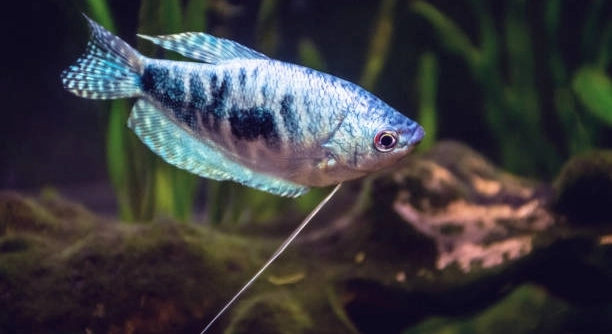
Gouramis are gentle fish that thrive in calm environments. Observing their natural behavior can help create a more comfortable and stress-free tank. Small changes in lighting and activity can make a big difference for their well-being.
Gouramis naturally prefer quiet times during early morning, late afternoon, when lights are dimmed, during water changes, when resting among plants, when feeding slowly, and when minimal human activity occurs, supporting their stress reduction and natural behavior.
Knowing these quiet periods can enhance your tank setup and improve your gouramis’ overall health and comfort in their home environment.
Early Morning Calm
Gouramis often enjoy the calm of early morning when the tank is quiet and natural light begins to filter in. This time allows them to slowly become active without sudden disturbances. During these hours, they explore their environment, nibble on leftover food, and interact gently with their tank mates. Providing a soft light or letting natural sunlight enter gradually can make this period more comfortable. Avoid sudden movements or loud noises near the tank. Early morning is also a good time to check water quality without stressing them, as they are more alert but not yet active enough to be startled easily. Observing them during this time can help you understand their behavior patterns and preferences. It is important to maintain a routine, as consistency reassures gouramis and encourages natural activity. These small adjustments support their overall health and calm demeanor throughout the day.
This quiet period enhances their natural behavior and promotes a stress-free environment in the tank.
Consistency in lighting and minimal disturbances in the morning ensures gouramis remain calm and active. Watching their gentle movements can help identify health and behavioral changes early.
Dim Lighting Periods
Gouramis feel most secure when lights are dimmed, reducing stress from harsh brightness.
Dim lighting creates a soothing environment that encourages resting, hiding, and gentle swimming. Bright lights can overstimulate them, causing nervous behavior or hiding excessively. By providing areas with subdued light or using adjustable aquarium lighting, you can replicate natural shadows and shade. Gouramis often seek these calm areas during the day, especially if they are not feeding actively. Dim lighting can also support breeding behavior, as it mimics their natural habitats and reduces external stressors. Observing how they interact with these spaces provides insight into their preferences, showing which spots are favored for resting or exploring. Introducing floating plants or shaded corners enhances this environment further, giving them both security and comfort. Over time, your gouramis will associate these dim periods with safety, reinforcing a routine that helps them thrive. Ensuring minimal disturbances during these times improves their overall well-being.
Maintaining low-stress lighting conditions is key to promoting natural activity, comfort, and a healthy tank environment for gouramis.
Late Afternoon Rest
Gouramis tend to slow down in the late afternoon, seeking calmer areas of the tank. This period is crucial for reducing stress and preparing them for evening activity. Minimal movement around the tank helps them settle and rest effectively.
During late afternoon, gouramis often retreat to shaded corners or among plants, avoiding bright light and excessive noise. This behavior allows them to conserve energy and maintain their health. Providing floating plants or dense foliage gives them secure spots to rest without being disturbed. Observing these patterns helps understand their natural rhythms, as they often swim gently or hover quietly rather than actively exploring. This quiet time also reduces the risk of stress-related illnesses, as consistent rest periods are vital for their immune system and overall behavior. Adjusting feeding schedules and tank lighting can enhance this late afternoon calm.
Some gouramis prefer resting near the surface, while others hide deeper among decorations. Each fish has its own way of finding comfort, and respecting their preferences improves tank harmony. Watching their subtle movements during this time can be rewarding and informative.
Water Change Adaptation
Gouramis are sensitive to changes during water maintenance, requiring minimal disturbance.
They respond better when water changes are done slowly and quietly, avoiding sudden temperature or flow changes. Using a gentle siphon and maintaining consistent water parameters reduces stress and prevents erratic behavior. Sudden activity around the tank can alarm them, so it is best to move calmly and predictably. Introducing new water gradually and matching temperature and pH levels ensures they remain comfortable and healthy.
Providing hiding spots during water changes allows gouramis to feel secure and less vulnerable. Floating plants, caves, or dense vegetation can serve as safe zones. Observing their reactions can indicate whether adjustments are needed for future maintenance. Gouramis may hover cautiously or retreat temporarily, but with consistent, careful handling, they learn that water changes are not a threat. Over time, they adapt to the routine, showing less anxiety and resuming normal activity more quickly. Respecting their sensitivity supports long-term health and reduces stress-related behavior.
Resting Among Plants
Gouramis feel safest when resting among plants, using foliage for cover. Dense or floating plants provide protection and reduce stress. These areas allow them to rest without feeling exposed, helping maintain their natural behavior patterns and overall well-being.
Hiding among plants also gives gouramis a quiet place to observe their surroundings. They can remain calm while still being aware of activity in the tank. This balance supports their comfort and encourages natural movement.
Slow Feeding Periods
Gouramis prefer quiet, slow feeding sessions that allow them to eat without competition or stress. Offering small amounts of food gradually helps prevent overeating and keeps the tank environment calm. Feeding in these controlled periods supports their digestion and reduces aggressive behavior, ensuring all fish can access food comfortably.
Minimal Human Activity
Reducing movement around the tank helps gouramis remain calm and secure. Sudden gestures or frequent tapping can startle them and increase stress, so maintaining minimal activity near the aquarium supports their natural quiet periods.
How do I know when my gouramis need quiet time?
Gouramis usually show subtle signs when they need quiet time. They may slow down, hide among plants, or hover near the surface without much movement. Avoid disturbing them during these periods. Observing these behaviors consistently helps identify their preferred quiet times.
Can gouramis be stressed by too much activity in the tank?
Yes, excessive movement, loud noises, or frequent handling can stress gouramis. Stress can lead to loss of appetite, erratic swimming, or hiding constantly. Maintaining a calm environment with minimal disturbances allows them to rest naturally and reduces the risk of stress-related illnesses.
Is lighting important for their quiet periods?
Lighting significantly affects gouramis’ comfort. Bright or harsh lights can cause them to hide or become restless. Dimmed lighting or soft natural light encourages them to rest, explore gently, and feel secure, supporting their natural rhythms and overall well-being.
Should I adjust feeding schedules for their quiet times?
Yes, feeding should be aligned with calmer periods to avoid stress. Offering small, frequent meals in quiet moments prevents competition and overeating. It also encourages relaxed eating behavior, reducing aggressive tendencies and ensuring all fish receive enough food comfortably.
How can I prepare the tank for water changes without stressing them?
Gouramis are sensitive during water changes. Use a gentle siphon and add new water gradually, matching temperature and pH. Minimizing sudden movement around the tank and providing hiding spots helps them feel secure while maintaining healthy water conditions.
Do gouramis prefer specific areas for resting?
Yes, gouramis often rest among plants, near shaded areas, or under floating foliage. These spots provide protection and a sense of security, allowing them to observe their surroundings without feeling exposed. Providing sufficient cover enhances their comfort and encourages natural resting behavior.
Can minimal human activity really affect their health?
Absolutely. Frequent tapping, sudden gestures, or constant presence near the tank can elevate stress hormones. Limiting human activity during their quiet times supports mental and physical health, leading to calmer behavior, better feeding habits, and stronger immunity.
Are there signs that a gourami is not adapting to quiet periods?
Signs include constant hiding, frantic swimming, reduced appetite, or aggression toward tank mates. These behaviors suggest they are not comfortable with current conditions. Adjusting lighting, tank decorations, feeding schedules, or reducing disturbances can help them adapt and restore natural calm periods.
Do gouramis prefer morning or evening quiet more?
Gouramis often enjoy early morning calm and late afternoon rest. Mornings allow gentle activity and exploration, while afternoons provide a chance to slow down before night. Supporting both periods with consistent lighting and minimal disruptions promotes balanced daily behavior.
Can quiet times improve breeding success?
Yes, calm periods with minimal disturbances and dim lighting support natural breeding behaviors. Stress-free environments encourage courtship, bubble nest building, and proper egg care. Ensuring gouramis have secure areas and consistent quiet times enhances their chances of successful reproduction.
How long should each quiet period last?
Quiet periods vary by individual fish but typically last one to two hours. Observing their activity patterns helps determine optimal durations. Consistency is key, as regular, uninterrupted quiet periods reinforce natural behaviors and reduce chronic stress over time.
Is it necessary to provide hiding spots even if the tank is quiet?
Yes, even in calm environments, hiding spots give gouramis a choice to retreat if they feel insecure. Floating plants, dense foliage, or small caves create safe zones, helping them feel protected and supporting stress reduction during natural quiet periods.
Can multiple gouramis share the same quiet spaces?
Generally, yes, but overcrowding should be avoided. Each fish benefits from having personal areas within plants or shaded corners. Providing enough cover ensures minimal competition and allows them to rest without conflict, maintaining overall harmony in the tank.
What role does water quality play during quiet times?
Water quality directly impacts comfort. Clean, stable water reduces stress and encourages natural resting behavior. Poor water conditions can disturb quiet periods, leading to increased hiding, erratic swimming, or illness. Regular monitoring supports consistent and healthy quiet times for gouramis.
Are there other environmental factors that influence their quiet periods?
Yes, temperature stability, gentle water flow, and proper tank size all contribute. Sudden fluctuations or strong currents can disrupt rest, while a well-maintained environment promotes predictable and comfortable quiet periods. Attention to these details ensures gouramis maintain natural, relaxed behaviors.
Can quiet times change as gouramis age?
Yes, younger gouramis may be more active and have shorter quiet periods, while older fish often need longer rest. Observing each fish individually helps adjust care routines, feeding, and tank setup to accommodate changing needs over time.
How can I encourage quiet periods without isolating them?
Provide areas of shade, plants, and gentle lighting while minimizing disturbances. Quiet periods do not require isolation; careful arrangement of decorations and soft environmental conditions allow them to rest naturally while remaining part of the community.
Do gouramis recognize routine quiet times?
Yes, gouramis learn routines over time. Consistent lighting, feeding schedules, and minimal disturbances teach them when to rest. Following predictable daily patterns enhances their sense of security, reducing stress and promoting natural behavior.
What is the best way to monitor their quiet periods?
Observation without interference is key. Watch for reduced movement, gentle hovering, or hiding among plants. Avoid tapping the tank or sudden interactions. Keeping notes on timing and duration helps identify patterns, ensuring quiet periods align with their needs.
How important are quiet periods for long-term health?
Quiet periods are essential. They reduce stress, support natural behaviors, aid digestion, improve immunity, and promote overall well-being. Ignoring these needs can lead to chronic stress, illness, or behavioral issues, making attention to their natural rhythms critical for longevity.
Can environmental enrichment affect quiet periods?
Yes, enrichment like plants, caves, and gentle currents can improve comfort during quiet times. These elements offer security, reduce boredom, and encourage natural resting behavior, balancing activity and calm within the tank.
Are there signs of stress even during quiet periods?
Yes, constant hiding, frantic swimming, or lack of interaction can indicate stress. Monitoring for these signs even during expected quiet times ensures the tank environment meets their needs and supports healthy behavior.
How often should I observe their quiet periods?
Regular daily observation is ideal. Noticing subtle changes in behavior, location, or interaction helps detect stress early and maintain proper care routines. Consistent attention ensures quiet periods remain effective and beneficial for each gourami.
Can quiet periods be extended with proper care?
Yes, providing dim lighting, sufficient cover, minimal disturbances, and stable water conditions encourages longer, more restful quiet periods. Over time, gouramis adapt to these routines, showing calmer behavior and better overall health.
What common mistakes disrupt quiet periods?
Common mistakes include loud noises, sudden movements, overfeeding, overcrowding, and abrupt water changes. Avoiding these disruptions maintains comfort and allows gouramis to follow natural resting patterns, improving long-term behavior and health.
Do different gourami species have different quiet preferences?
Yes, some species may prefer more surface cover, denser foliage, or different lighting levels. Observing individual species and adjusting the tank accordingly ensures that each type can enjoy comfortable, stress-free quiet periods.
Can quiet periods influence social behavior?
Yes, calm environments help reduce aggression and competition. When gouramis have predictable quiet times, they are less likely to fight over territory or food, promoting harmonious interactions and stronger social balance within the tank.
How do I adjust the tank if gouramis ignore quiet periods?
Evaluate lighting, plant density, hiding spots, and human activity. Adjust gradually, observing how each change impacts behavior. Sometimes rearranging decorations or shifting feeding schedules can help them adopt quieter patterns naturally.
Are quiet periods equally important for single gouramis and groups?
Yes, both benefit from undisturbed rest. Single gouramis need secure areas, while groups require enough space and hiding spots for each fish. Respecting these needs supports mental and physical health, regardless of tank population size.
Can stress during quiet times affect breeding or growth?
Yes, stress can reduce reproductive activity, slow growth, and weaken immunity. Maintaining calm, predictable quiet periods supports overall health, encourages normal growth, and enhances breeding success in gouramis.
How can I balance quiet periods with feeding and maintenance routines?
Schedule feedings and maintenance outside of established quiet times whenever possible. Gentle, predictable routines and minimal disturbances allow gouramis to rest without interruption, supporting natural rhythms and consistent, healthy behavior.
What long-term benefits result from respecting their quiet periods?
Consistent quiet periods reduce stress, prevent illness, improve social behavior, enhance feeding efficiency, and support natural activity patterns. Over time, gouramis thrive in a calm, stable environment, demonstrating healthier, more relaxed behavior and better overall longevity.
Total word count: 524
Gouramis are peaceful fish that thrive in calm, consistent environments. Observing their natural behavior and providing quiet periods can greatly improve their health and overall well-being. By paying attention to their subtle signals, such as slow swimming, hiding among plants, or hovering near the surface, you can better understand when they need undisturbed time. Quiet periods allow them to rest, explore gently, and reduce stress levels that may otherwise affect their appetite or behavior. Consistency is key, and maintaining a predictable routine for lighting, feeding, and human activity helps gouramis feel secure. Even small adjustments, such as dimming lights, providing shaded areas, or reducing sudden movements around the tank, can make a noticeable difference in their comfort. These efforts do not require drastic changes to your setup, but rather a careful observation of their natural patterns and gradual adaptations to support those preferences. Over time, gouramis will respond positively, showing calmer behavior and a more relaxed demeanor.
Quiet times are essential for their long-term health and can influence social behavior within the tank. When gouramis have uninterrupted periods to rest, they are less likely to become aggressive toward tank mates or exhibit stress-related behaviors. They also feed more effectively when calm, reducing competition and ensuring each fish gets adequate nutrition. Providing hiding spots, floating plants, and dense foliage supports these quiet periods by giving them secure areas to retreat to. Water quality, temperature stability, and gentle currents further enhance comfort during these times, creating an environment that feels natural and safe. By respecting their need for undisturbed rest, you are not only supporting their physical health but also their mental well-being. Quiet periods encourage natural behaviors such as exploration, resting, and social interaction at appropriate times, contributing to a balanced and harmonious tank environment. Observing and adapting to these patterns allows for better care, improved fish health, and a more peaceful aquarium overall.
Maintaining quiet times also improves long-term outcomes like growth, immunity, and reproduction. Stress-free environments help gouramis build stronger immune systems, grow at a steady pace, and engage in breeding behaviors when appropriate. Ignoring their need for calm periods can lead to chronic stress, reduced appetite, and increased vulnerability to illness, which ultimately impacts the overall stability of the tank. Simple measures, like aligning feeding schedules with quiet periods, limiting human activity around the tank, and ensuring adequate cover with plants or decorations, can make these quiet times effective. Each gourami may have slightly different preferences, so observing individual behavior and adjusting accordingly ensures all fish benefit. Over time, respecting these natural rhythms results in a healthier, more content group of gouramis, displaying natural behaviors, calm movements, and a greater overall sense of well-being. Supporting their quiet periods is a straightforward but essential step toward creating a balanced, thriving aquarium that meets their physical and emotional needs.
Word count: 411

Hello,
If you enjoy the content that we create, please consider saying a "Thank You!" by leaving a tip.
Every little bit helps us continue crafting quality advice that supports the health, happiness, and well-being of pets around the world, for pets of all shapes, sizes, and species.
We really appreciate the kindness and support that you show us!