
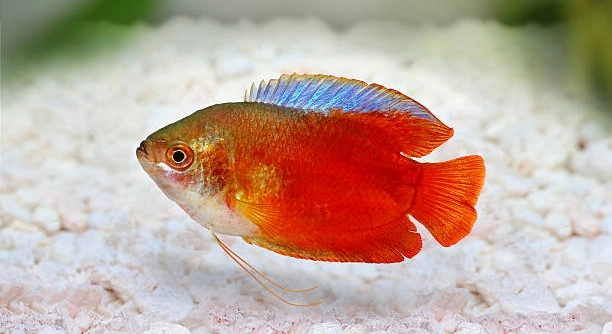
Gouramis are small, colorful freshwater fish often kept in home aquariums. Many owners enjoy observing their daily behaviors and routines, noticing how they interact with plants, decorations, and other objects in their tanks.
Research indicates that gouramis can recognize and remember certain tank objects over time. Studies show that these fish display consistent behavioral responses to familiar items, demonstrating a capacity for learning and memory within their controlled aquatic environment.
Observing these behaviors provides insight into how gouramis adapt to their surroundings and interact with objects in their tank. Understanding this can help improve tank design and enrichment strategies for their well-being.
How Gouramis Interact with Tank Objects
Gouramis are naturally curious, exploring their environment with careful movements. They often swim around decorations, plants, and rocks, sometimes hovering near items for long periods. Over time, they may approach familiar objects more confidently, showing recognition. This behavior is not only interesting to observe but also indicates cognitive abilities. Researchers have noticed that gouramis tend to remember locations of hiding spots and preferred resting areas. Some fish even develop routines around these objects, swimming past them in predictable patterns. Objects with strong colors or unusual shapes often attract more attention initially, but familiarity reduces cautious behavior. Tank arrangement affects how often gouramis engage with objects, with more complex setups encouraging exploration. Their memory seems to last for weeks, as they continue to respond to objects they encountered previously. Understanding these interactions can help owners provide a more stimulating and comfortable environment. Regular observation can reveal small but significant changes in behavior over time, reflecting their learning process.
Their interactions with tank objects show they can learn and remember details from their environment consistently.
Watching these behaviors gives insight into how gouramis think. Recognizing familiar objects affects their activity, feeding, and comfort, which can guide tank setup choices to enhance their well-being.
Factors That Influence Object Recognition
The size, shape, and color of items influence how quickly gouramis recognize them.
Several factors affect how gouramis remember objects, including frequency of exposure, tank layout, and environmental stability. Repeated interaction with an item strengthens memory, while moving objects often can cause confusion or hesitation. Lighting, water quality, and tank companions also play roles. A stable, enriched environment encourages consistent recognition patterns, whereas sudden changes may disrupt their memory. Gouramis may prioritize objects that offer shelter or food opportunities, showing selective attention. The complexity of the tank can increase exploration but may slow recognition if too many items compete for attention. Age and health also influence memory capabilities; younger, active gouramis tend to explore more, while older fish may be slower to adapt. By understanding these factors, owners can better predict fish behavior and design an aquarium that supports cognitive stimulation, safety, and comfort. Consistent observation and thoughtful tank arrangement make it easier to notice memory-driven behaviors and improve the overall habitat for gouramis.
How Memory Affects Feeding Behavior
Gouramis often remember where food is usually placed in the tank.
This memory influences how they approach feeding times. Fish tend to swim directly to familiar feeding spots, reducing hesitation and stress. They can distinguish between objects associated with food and neutral items, showing learned recognition. Over time, consistent feeding routines help gouramis anticipate meals and interact confidently with feeding tools or containers. This learned behavior can improve feeding efficiency and reduce competition among tank mates. Recognizing objects tied to food also reflects their ability to form simple associations, which is a key aspect of cognitive development in fish.
Memory also affects how gouramis explore new food. Items resembling previous meals often attract attention faster, while unfamiliar objects may require cautious investigation. Repetition strengthens these associations, making fish more predictable and responsive during feeding times. This behavior demonstrates how memory can influence daily activities and interactions within their tank environment.
Environmental Enrichment and Object Recognition
Providing a variety of objects enhances memory and learning in gouramis.
A diverse tank with different shapes, textures, and colors encourages exploration and interaction. Gouramis exposed to varied environments develop stronger recognition skills, learning which objects are safe and which are relevant to their routines. Moving objects occasionally keeps them mentally stimulated without causing stress, while stable items provide familiar reference points for comfort. Enrichment also reduces boredom, promotes natural behaviors, and supports cognitive growth. Understanding how objects influence memory helps owners create engaging habitats tailored to their fish’s needs, balancing stability with stimulation to encourage both recognition and exploration.
Habituation to Tank Objects
Gouramis gradually become accustomed to objects in their tank.
Repeated exposure reduces cautious behavior, allowing fish to navigate around decorations without hesitation. Familiar items become part of their routine, helping them feel secure and confident in their environment.
Signs of Object Recognition
Gouramis display recognition through consistent behavior patterns.
They may repeatedly visit certain objects, hover near them, or interact in predictable ways. Some fish show excitement or increased activity when approaching familiar items, while ignoring objects they do not recognize. These behaviors indicate memory retention and the ability to distinguish between familiar and new stimuli. Observation over days or weeks reveals which objects hold importance, and how recognition affects daily routines, feeding, and social interactions. Monitoring these patterns can help in understanding individual preferences and cognitive responses within the tank environment.
Impact of Object Placement
Changing object locations can influence recognition patterns.
Gouramis often investigate moved items cautiously, demonstrating their reliance on spatial memory. Consistent placement supports comfort and routine.
FAQ
Can gouramis really remember objects in their tank?
Yes, gouramis can remember objects they interact with regularly. Their recognition is shown by repeated visits, hovering, or interacting with familiar items. This memory helps them navigate the tank confidently and reduces stress when objects remain in consistent locations.
How long can gouramis remember tank objects?
Memory duration varies depending on the individual fish and its environment. Studies suggest gouramis can remember objects for several weeks. Regular exposure strengthens this memory, while sudden changes or constant rearrangement may cause temporary hesitation or confusion.
Do gouramis prefer certain types of objects?
Gouramis often show more interest in objects that offer shelter, hiding spots, or bright colors. Rounded shapes, textured surfaces, and objects resembling natural elements like rocks or plants are more engaging. Items associated with feeding also attract attention due to learned associations.
Does tank size affect object recognition?
Yes, tank size influences how quickly gouramis recognize objects. Smaller tanks allow repeated exposure to items, strengthening memory, while larger tanks may require more time for fish to explore and form consistent recognition patterns. Complexity in layout can also influence attention and interaction.
Can gouramis forget objects?
Yes, gouramis may forget objects if they are rarely exposed or removed for long periods. Memory is reinforced through repeated interaction, so infrequent contact can weaken recognition. However, they generally retain memory of regularly encountered objects for extended periods.
How does age affect recognition?
Younger gouramis are more active and curious, exploring new objects quickly, but may need repeated exposure to solidify memory. Older fish tend to be slower but may have stronger retention for familiar items they encounter regularly. Cognitive ability can be influenced by health and activity level.
Do gouramis interact differently with new versus familiar objects?
New objects often trigger cautious behavior, including circling, hovering, or investigating slowly. Familiar objects are approached confidently, with predictable patterns of interaction. This difference reflects learning, memory retention, and the ability to distinguish safe or relevant items.
Is there a way to improve gouramis’ object recognition?
Yes, providing consistent exposure to items and a stable environment improves recognition. Rotating enrichment occasionally can stimulate mental activity without causing stress. Combining visually distinct, safe objects with natural elements encourages exploration and strengthens memory.
Do gouramis use object recognition for social interaction?
Indirectly, yes. Recognizing objects like plants, rocks, or shelters can influence where gouramis choose to rest or hide, affecting their interactions with tank mates. Familiar objects provide comfort and reduce stress, which can improve social behaviors and overall activity levels.
How can I observe recognition without disturbing my gouramis?
Consistent observation during normal routines like feeding or swimming is effective. Watching patterns of approach, hovering, or repeated visits to certain objects reveals memory and recognition. Avoid frequent rearrangement or handling, as this can disrupt behaviors and make observation less accurate.
Are some gouramis better at remembering objects than others?
Yes, individual differences exist. Factors include age, personality, activity level, and environmental complexity. More curious and active gouramis often display stronger recognition and faster learning, while more cautious fish may take longer to form consistent patterns of interaction.
Does recognition affect feeding efficiency?
Definitely. Gouramis that remember feeding locations approach food quickly and confidently, reducing stress and competition. Learned associations between objects and food help them anticipate meals and interact efficiently, which is a clear demonstration of memory in action.
Can object recognition reduce stress in gouramis?
Yes, familiar objects provide a sense of security. Recognition helps them navigate confidently, find hiding spots, and establish routines, which lowers stress and promotes healthier, more natural behavior. A stable environment with consistent objects enhances overall well-being.
How do changes in lighting or water conditions affect recognition?
Sudden changes in lighting, water clarity, or quality can temporarily affect how gouramis recognize objects. While memory is retained, fish may behave cautiously until conditions stabilize. Consistent water quality and lighting support predictable interactions and reinforce learned recognition.
Are gouramis’ recognition skills comparable to other freshwater fish?
Gouramis show moderate cognitive abilities similar to other freshwater species known for object recognition. They can form simple associations, remember locations, and display consistent behaviors toward familiar items. While not as complex as mammals, their recognition demonstrates notable learning capacity in an aquarium setting.
Can enrichment objects replace social interaction?
No, objects can stimulate mental activity and reduce stress, but social interaction with tank mates is essential for overall well-being. Both environmental enrichment and social engagement work together to support natural behavior and cognitive development in gouramis.
How often should I rotate enrichment objects?
Occasional rotation, such as once every few weeks, keeps gouramis mentally stimulated without causing confusion. Frequent or constant changes may disrupt recognition patterns, while a balance of familiar and new objects encourages exploration and learning.
What signs indicate strong object recognition in my gouramis?
Repeated visits to the same objects, confident navigation around items, predictable patterns of interaction, and reduced hesitation near familiar objects indicate strong memory and recognition. Observing these behaviors over time confirms their ability to remember and learn from their environment.
Do gouramis recognize objects individually or collectively?
Recognition appears primarily individual, though social dynamics can influence behavior. Each fish forms its own memory of objects, but interactions with tank mates may affect how they approach or use familiar items, especially in shared spaces like shelters or feeding areas.
How important is routine in supporting object recognition?
Routine is very important. Consistent placement of objects, feeding times, and tank maintenance help reinforce memory. Predictability allows gouramis to form associations and reduces stress, making object recognition more reliable and supporting overall cognitive development.
Final Thoughts
Gouramis are more than just decorative fish in an aquarium; they are capable of learning and remembering objects in their environment. Their behavior shows that they can distinguish familiar items from new ones, and this ability affects their daily routines, feeding habits, and comfort in the tank. By observing how gouramis interact with plants, rocks, decorations, or feeding tools, we can gain insight into their memory and cognitive skills. Recognizing objects is not just about curiosity—it also provides a sense of security, helping fish feel safe and confident in their surroundings. Over time, this recognition allows them to navigate the tank efficiently and reduces stress caused by uncertainty or constant change.
Consistent exposure to objects is key to helping gouramis develop strong recognition skills. When items are placed in the same location regularly, fish learn to associate them with safety, shelter, or food. This memory improves their interaction with the environment and makes feeding more predictable and less stressful. Changes in placement, while sometimes useful for mental stimulation, should be done cautiously to avoid causing confusion or hesitation. Environmental factors, such as tank size, layout, lighting, and water quality, also play a role in how well gouramis remember objects. By maintaining a stable environment and offering a variety of visually distinct and engaging items, owners can encourage natural behaviors while supporting cognitive development. Observing these behaviors over days and weeks reveals patterns in how each fish interacts with its surroundings, giving valuable insight into their personalities and learning abilities.
Providing enrichment in the tank goes beyond aesthetics; it directly impacts the well-being of gouramis. Objects that offer shelter, hiding spots, or interesting textures encourage exploration and mental stimulation, helping fish stay active and engaged. These interactions strengthen memory and recognition, which in turn can improve feeding efficiency and reduce stress. Understanding these behaviors allows aquarium owners to make informed decisions about tank setup, object placement, and enrichment strategies. By paying attention to how gouramis respond to objects over time, we can create environments that are not only safe and comfortable but also mentally engaging. Supporting their cognitive abilities through thoughtful tank management contributes to healthier, more confident, and active fish, ensuring they thrive in a home aquarium.

Hello,
If you enjoy the content that we create, please consider saying a "Thank You!" by leaving a tip.
Every little bit helps us continue crafting quality advice that supports the health, happiness, and well-being of pets around the world, for pets of all shapes, sizes, and species.
We really appreciate the kindness and support that you show us!