
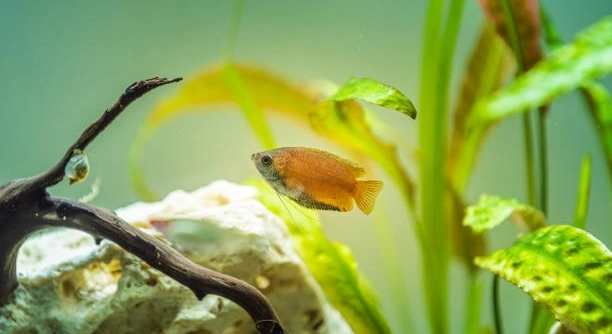
Watching your gourami swim gracefully can be a peaceful experience, but noticing it staying still for long periods can be worrying. Many owners feel concerned when their fish seems less active than usual in its tank environment.
A sudden decrease in movement in gouramis is often caused by changes in water quality, temperature fluctuations, stress, or underlying health issues. Immediate assessment of the tank environment and careful observation of your fish can help determine the cause.
Understanding these signs early can help prevent more serious problems and keep your gourami healthy and comfortable in its home.
Signs Your Gourami is Not Feeling Well
A gourami that stops moving much may show several signs beyond simple inactivity. It might float near the surface, hide more than usual, or cling to decorations. Its fins could appear clamped, colors may fade, and it might breathe faster or slower than normal. These changes are subtle at first but can indicate stress or illness. Many owners overlook slight changes in behavior because they seem normal for a day or two. However, consistent inactivity usually signals that the fish needs attention. Observing how it reacts to feeding times and how it interacts with other fish is also helpful. Sometimes, gouramis become lethargic because of water temperature shifts or improper diet. Stressful tank conditions, such as aggressive tankmates, loud noises, or too much movement around the aquarium, can make them hide or remain still. Taking note of these behaviors early can help prevent long-term health problems for your fish.
Monitoring your gourami closely helps catch small changes before they escalate into serious problems.
Pay attention to its breathing patterns and body posture, as these often indicate water or health issues. Early detection can make treatment easier and recovery faster. A healthy environment with clean water and proper temperature keeps gouramis active and comfortable.
Common Causes of Lethargy
Water quality is a major factor affecting your gourami’s activity. Poor water conditions, like high ammonia, nitrites, or sudden pH changes, can stress fish. Maintaining stable temperature and regular water changes keeps them healthy. Even slight fluctuations can make a gourami stop swimming actively.
Temperature, stress, and illness often combine to affect your fish. Gouramis are sensitive to water that is too cold or too warm, and even minor changes can trigger inactivity. Stress from tankmates or overcrowding makes them hide or float listlessly. Illnesses like bacterial or parasitic infections often appear first as lethargy. Observing how your gourami eats is crucial. A sudden loss of appetite is a strong indicator of trouble. Overfeeding or underfeeding can also impact energy levels. Regular maintenance of the tank, including checking filters and cleaning gravel, prevents buildup that could harm your fish. If inactivity persists despite good water conditions, separating the affected fish and monitoring it closely is recommended. A veterinarian specializing in fish can provide guidance for treatment if needed. Early action ensures better recovery chances and keeps your gourami active.
Adjusting Water Conditions
Checking the tank’s water temperature and quality can immediately improve your gourami’s activity. Stable temperature, clean water, and correct pH levels reduce stress and support normal behavior in your fish.
Maintaining proper water parameters is essential for a gourami’s health. Sudden changes in temperature or pH can cause lethargy and make the fish vulnerable to illness. Regularly testing ammonia, nitrite, nitrate, and pH ensures the environment is safe. Using a reliable water conditioner and performing partial water changes helps remove toxins. Consistent monitoring prevents long-term problems. Gouramis are sensitive to changes, so gradual adjustments are better than sudden ones. Observing the fish during these adjustments shows how it responds, indicating whether further changes are needed.
Aeration and circulation also play a role in your gourami’s energy levels. Insufficient oxygen or stagnant water can make it sluggish. Adding an air stone or adjusting the filter can improve movement and overall health. Ensuring the tank is clean and the water is well-oxygenated creates a stable environment where your gourami feels safe to swim and explore freely. Regular water maintenance is the key to maintaining activity and preventing stress-related behaviors.
Diet and Feeding Practices
Offering a varied diet keeps your gourami active and supports its health. Balanced nutrition prevents lethargy caused by poor feeding.
A diet including high-quality flakes, pellets, and occasional frozen or live foods provides essential nutrients. Overfeeding can lead to water pollution and reduce activity, while underfeeding can cause weakness. Feeding small portions twice daily encourages regular movement and healthy digestion. Monitoring how your gourami eats helps identify health issues early. Removing uneaten food promptly prevents bacterial growth, which can harm the fish. Providing occasional treats, like brine shrimp or bloodworms, stimulates interest and activity. Maintaining a consistent feeding routine ensures your gourami receives energy for swimming and interacting with its environment.
Hydration and nutrient absorption are affected by diet quality and feeding habits. Including fresh vegetables, such as blanched spinach or peas, supports digestive health. Live or frozen foods offer protein and variety that keep your gourami engaged and energetic. Avoiding sudden diet changes reduces stress and prevents digestive upset. Observing which foods your gourami prefers helps create a balanced meal plan. Proper feeding practices combined with clean water and stable temperature make a significant difference in restoring movement and vitality, keeping your fish healthy and responsive to its surroundings.
Reducing Stress in the Tank
Keeping your gourami’s environment calm helps it regain normal activity. Avoid overcrowding, aggressive tankmates, and sudden loud noises that can make it hide or stop moving.
Adding plants and decorations gives hiding spots, which can lower stress levels. A stable routine with minimal disruptions keeps the fish comfortable and more active over time.
Observing Health Issues
Watching your gourami for unusual spots, torn fins, or abnormal swimming patterns can help identify illness early. Early recognition allows for faster intervention and treatment before conditions worsen. Maintaining a log of behavior changes can be useful for tracking health trends over time.
Quarantining Sick Fish
Separating a sluggish or sick gourami prevents potential disease spread to other tankmates. Use a clean, properly maintained quarantine tank with stable water conditions and gentle filtration.
FAQ
Why is my gourami staying at the bottom of the tank?
Your gourami may stay at the bottom due to stress, poor water conditions, or illness. Temperature fluctuations or sudden changes in pH can make it sluggish. Low oxygen levels or aggressive tankmates can also cause hiding behavior. Observing its breathing and movement helps determine the cause.
How can I tell if my gourami is sick?
Look for faded colors, clamped fins, rapid or labored breathing, and loss of appetite. Abnormal swimming patterns, such as floating sideways or struggling to maintain balance, are also warning signs. Small white spots or red marks on the body can indicate infection. Recording behavior changes over time is helpful.
Can water temperature affect my gourami’s activity?
Yes. Gouramis prefer stable water temperatures between 75–82°F (24–28°C). Water that is too cold can slow metabolism, while water that is too warm increases stress and may trigger lethargy. Gradual temperature adjustments are safer than sudden changes to prevent shock.
What role does diet play in my gourami’s movement?
A balanced diet is essential for energy and overall health. Overfeeding can pollute the water, reducing activity, while underfeeding causes weakness. Providing a mix of high-quality flakes, pellets, and occasional live or frozen foods ensures proper nutrition and encourages normal swimming.
Should I quarantine my gourami if it becomes inactive?
Yes. Quarantining can prevent the spread of disease to other fish. Place the gourami in a separate tank with clean, stable water and gentle filtration. Monitor its behavior, appetite, and physical signs to decide on treatment or further intervention.
How often should I check water quality for my gourami?
Test the water at least once a week for ammonia, nitrites, nitrates, and pH levels. Regular monitoring ensures that conditions remain safe. Partial water changes, proper filtration, and cleaning the tank help maintain stability and reduce stress on your fish.
Can stress from tankmates cause inactivity?
Absolutely. Aggressive or overly active fish can intimidate gouramis, making them hide or stay still. Adding plants and decorations provides hiding spots and a sense of security. Ensuring compatible tankmates helps maintain a calm environment for your gourami to swim freely.
What immediate steps should I take if my gourami stops moving?
First, check water temperature, quality, and oxygen levels. Remove uneaten food and ensure the tank is calm. Observe for physical signs of illness and consider temporary isolation if necessary. Small adjustments in environment and care can quickly improve activity.
How long does it take for a gourami to recover from lethargy?
Recovery time depends on the cause. Minor stress or water issues may resolve in a few hours to days. Illnesses or infections can take longer, especially if treatment is required. Early detection and proper care significantly improve recovery chances.
Are there any signs that require a veterinarian?
Persistent inactivity, visible injuries, swelling, or severe color changes are signs to seek professional help. A vet specializing in fish can provide proper diagnosis and treatment options. Early intervention increases the likelihood of full recovery.
Can environmental enrichment improve activity?
Yes. Adding plants, hiding spots, and gentle water flow encourages natural behaviors. Environmental enrichment reduces stress and stimulates movement, helping your gourami stay active and healthy in its tank.
Is lethargy normal for older gouramis?
Some slowing down can occur with age, but sudden inactivity is not normal. Even older gouramis benefit from clean water, proper diet, and a calm environment to maintain activity levels. Regular observation is key to distinguishing age-related slowing from illness.
How do I prevent future lethargy in my gourami?
Maintain stable water parameters, provide a balanced diet, and reduce stressors. Regular tank maintenance, compatible tankmates, and monitoring behavior help prevent inactivity. Creating a consistent, healthy environment keeps your gourami active and thriving over time.
Can changing tank decorations help my gourami move more?
Yes. Rearranging decorations occasionally can encourage exploration and activity. Make sure there are hiding spots for security, but avoid frequent drastic changes that may cause stress. Gradual adjustments promote curiosity and swimming behavior.
Are there any supplements that help lethargic gouramis?
Vitamins and minerals can support overall health, but they are not a substitute for proper diet or water conditions. Focus on balanced feeding, and only use supplements if recommended by a veterinarian or fish care guide. Overuse may cause water quality issues.
Is it normal for gouramis to rest for long periods?
Short periods of resting are normal, but prolonged inactivity is a concern. Healthy gouramis usually swim throughout the day, explore their environment, and respond to feeding. Extended stillness often indicates stress, illness, or water-related problems.
What should I do if multiple gouramis become inactive?
Check water quality and tank conditions immediately, as this suggests a systemic issue. Test for toxins, temperature fluctuations, or overcrowding. Addressing environmental factors quickly can prevent widespread health problems and restore normal activity levels in all affected fish.
Can sudden lighting changes affect my gourami’s movement?
Yes. Gouramis are sensitive to bright or sudden changes in light. Gradually adjusting lighting and providing shaded areas helps reduce stress. Consistent light cycles encourage normal activity and maintain a sense of security in the tank.
How do I know if inactivity is permanent?
Permanent inactivity is rare. If your gourami remains lethargic despite stable water, proper diet, and minimal stress, it may indicate chronic illness or old age. A veterinarian can assess the situation and recommend next steps to ensure the best care possible.
What is the most effective way to stimulate movement?
Improving water quality, offering a varied diet, reducing stress, and adding gentle environmental enrichment are the most effective ways to encourage your gourami to move. Observing responses and adjusting care accordingly supports recovery and maintains long-term health.
Final Thoughts
Watching your gourami slow down or stop moving can be worrying, but it is often a sign that something in its environment or health needs attention. Gouramis are sensitive fish that respond strongly to changes in water quality, temperature, or stress levels. Even small shifts in their surroundings can affect their activity. Taking the time to observe your fish closely helps you understand what is normal for it and what might be a warning sign. Consistent monitoring of its behavior, appetite, and interactions with other tankmates provides valuable information that can prevent small problems from becoming serious. Simple steps, like checking water parameters, maintaining a steady temperature, and keeping the tank clean, can make a big difference in encouraging your gourami to move more and regain its usual energy.
Diet and feeding habits also play a major role in a gourami’s activity level. A balanced diet provides the nutrients needed for energy and overall health. Overfeeding can pollute the water and reduce movement, while underfeeding can cause weakness and lethargy. Offering a mix of high-quality flakes, pellets, and occasional live or frozen foods ensures proper nutrition and stimulates natural behaviors. Paying attention to how your gourami eats helps you spot potential health issues early. Including fresh vegetables occasionally can support digestion and provide variety, keeping your fish interested in its meals. Small, regular feedings promote consistent energy levels, helping your gourami stay active throughout the day. Along with proper care of the tank environment, diet is one of the easiest ways to prevent and correct inactivity.
Stress is another factor that should not be overlooked when your gourami stops moving much. Aggressive tankmates, overcrowding, sudden loud noises, or frequent changes in the tank can all make a gourami hide or remain still. Providing plants, decorations, and hiding spots gives your fish a sense of security, which encourages natural swimming and exploration. Creating a calm, predictable environment is essential for long-term health and activity. Sometimes, separating a sluggish or sick fish into a quarantine tank is necessary to monitor and treat it without interference from other tankmates. Taking action early, whether by adjusting the environment, improving diet, or seeking veterinary advice, increases the chances that your gourami will return to its normal behavior. With consistent attention, observation, and care, you can help your gourami stay healthy, active, and comfortable in its home for years to come.

Hello,
If you enjoy the content that we create, please consider saying a "Thank You!" by leaving a tip.
Every little bit helps us continue crafting quality advice that supports the health, happiness, and well-being of pets around the world, for pets of all shapes, sizes, and species.
We really appreciate the kindness and support that you show us!