
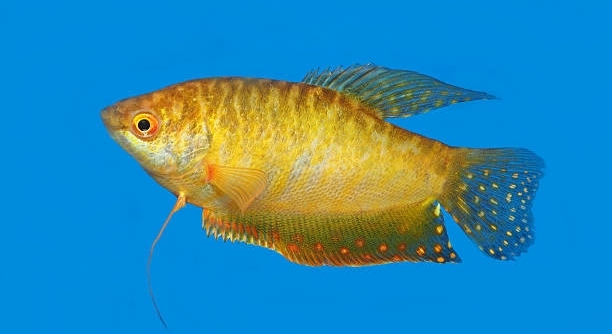
Do your gouramis sometimes flip upside down for a brief moment while swimming, leaving you a little puzzled? Observing your fish in this unusual position can be surprising, especially when they seem healthy and active otherwise.
The primary reason your gourami swims upside down briefly is due to issues with its swim bladder, which controls buoyancy. Factors such as overfeeding, constipation, or water quality changes can temporarily disrupt balance, causing short-term upside-down swimming.
Understanding the causes behind this behavior will help you maintain a stable environment, ensuring your gourami stays healthy and swims normally in its tank.
Common Reasons for Upside-Down Swimming
Many gourami owners notice occasional upside-down swimming and often worry it indicates serious illness. The most frequent cause is a swim bladder imbalance. This organ regulates buoyancy, helping the fish float, sink, and maintain orientation. Overfeeding or eating too quickly can lead to temporary bloating, which puts pressure on the swim bladder. Poor water quality, including high ammonia or nitrite levels, can also stress fish, affecting their balance. Occasionally, sudden changes in water temperature may shock your gourami, causing brief disorientation. Even mild constipation or trapped gas can result in upside-down swimming. Observing your fish during feeding can help identify if overeating is a factor. Some gouramis develop slight swim bladder deformities as they grow, which may appear intermittently. Providing high-quality, properly sized food and maintaining a clean tank can significantly reduce these episodes. Monitoring behavior daily helps catch problems before they escalate, ensuring your fish remains active and comfortable.
Maintaining a stable tank environment and feeding your gourami properly usually prevents frequent upside-down swimming incidents.
Keeping your gourami’s tank clean, monitoring water parameters, and adjusting feeding routines can greatly improve buoyancy issues. If problems persist, consulting a vet ensures correct diagnosis and treatment. Observing patterns in behavior, such as after feeding or water changes, provides clues to underlying causes. Small adjustments often resolve the problem quickly, helping your fish regain normal swimming patterns.
Tips for Preventing Upside-Down Swimming
Regular feeding schedules and avoiding overfeeding reduce swim bladder stress in gouramis.
Proper diet, tank maintenance, and attentive observation are key to preventing upside-down swimming. Providing a balanced diet with occasional fiber-rich foods helps digestion and reduces constipation risk. Ensure the tank has stable temperature and water quality, testing ammonia, nitrite, and nitrate levels frequently. Avoid sudden environmental changes, including lighting or decorations, which can temporarily stress fish. If your gourami shows repeated upside-down swimming, isolate the individual to prevent competition at feeding time. Observe if behavior improves with dietary adjustments or water stabilization. Small, consistent efforts maintain buoyancy and promote general health. Additionally, providing gentle water flow and adequate space allows natural movement without overexertion. Tanks with dense plants or hiding spots can reduce stress, further supporting normal swimming. Combining careful feeding, clean water, and a stress-free environment minimizes the likelihood of swim bladder issues. Regular monitoring ensures early detection of potential problems, keeping your gourami active and balanced.
Adjusting Diet to Support Buoyancy
Overfeeding and low-quality food are common triggers for swim bladder problems. Feeding smaller portions more frequently helps digestion and reduces pressure on the swim bladder.
Providing a balanced diet with varied ingredients supports digestive health. Include high-quality pellets, occasional frozen foods, and fiber-rich options like daphnia or blanched vegetables. Avoid overfeeding, as excess food can cause bloating, constipation, and temporary buoyancy issues. Monitor your gourami’s eating habits to ensure it consumes food fully but not excessively. Switching to softer or soaked pellets can also prevent gulping air, which contributes to swim bladder stress. Keeping feeding consistent and controlled allows the fish to maintain normal swimming patterns and reduces stress on its buoyancy system.
Some gouramis benefit from occasional fasting days to allow the digestive system to clear. Observe changes in behavior after dietary adjustments. Proper nutrition, combined with consistent feeding routines, significantly lowers the risk of upside-down swimming. Pairing diet control with clean water practices ensures your gourami remains balanced and healthy, minimizing swim bladder disturbances over time.
Water Quality and Tank Conditions
Stable water conditions are essential for preventing buoyancy issues. Frequent water testing and partial water changes maintain ammonia, nitrite, and nitrate at safe levels.
Poor water quality can irritate the fish’s internal systems, causing stress that affects swimming. Regular monitoring ensures parameters stay within safe ranges. Temperature fluctuations should be avoided, as sudden drops or spikes can temporarily disorient gouramis. Ensure proper filtration and aeration to maintain oxygen levels and reduce toxins. A well-maintained tank with sufficient space, hiding spots, and gentle flow supports natural movement and reduces stress. Observing behavior after water changes can indicate whether improvements are effective. Proper care promotes overall health and stability.
Providing a clean, stable environment minimizes swim bladder problems and supports normal buoyancy. Adjusting tank conditions, including temperature and flow, combined with regular cleaning and testing, creates a safe habitat. Gouramis thrive in water that is consistent and free of harmful chemicals. Adding live plants or soft decorations helps reduce stress and encourages natural swimming patterns. Avoid overcrowding, as competition can increase stress and contribute to temporary balance issues. Gradual adjustments to water parameters prevent sudden shocks that can trigger upside-down swimming. Maintaining consistent care practices ensures your gourami remains comfortable, active, and properly oriented in its environment.
Monitoring Behavior Closely
Observe your gourami daily for changes in swimming, appetite, or interaction with tank mates. Early detection of unusual behavior helps prevent serious problems.
Note patterns such as after feeding or water changes. Brief upside-down swimming is often temporary, but frequent occurrences may indicate diet or water issues that need correction.
Treating Swim Bladder Issues
If your gourami shows repeated upside-down swimming, dietary adjustments and water quality improvements are the first steps. Fasting for a day or two can relieve constipation and reduce swim bladder stress. Feeding fiber-rich foods like daphnia or blanched peas helps clear the digestive tract. Maintaining stable water temperature and parameters prevents further stress. Avoid sudden environmental changes, strong currents, or aggressive tank mates that may worsen balance issues. Observation is key—improvements often occur within days if proper care is applied. Persistent problems may require veterinary consultation to rule out infections or organ deformities.
When to Seek Professional Help
Persistent upside-down swimming or other health issues should prompt consultation with a qualified fish veterinarian.
FAQ
Why does my gourami swim upside down only after feeding?
This behavior is usually linked to overfeeding or gulping air while eating. When a gourami swallows too much food too quickly, it can cause temporary bloating, which puts pressure on the swim bladder. Feeding smaller portions or soaking dry food before feeding can help.
Can constipation cause upside-down swimming?
Yes. Constipation increases pressure on the swim bladder and affects buoyancy. Adding fiber-rich foods like blanched peas or daphnia can relieve mild constipation. Fasting for a day or two allows the digestive system to reset and often restores normal swimming.
Is poor water quality a factor?
Absolutely. High ammonia, nitrite, or nitrate levels stress gouramis, which can indirectly affect swim bladder function. Maintaining clean water with regular testing and partial water changes reduces this risk. Stable temperature and gentle flow also support healthy swimming.
Could this be a sign of infection?
Persistent upside-down swimming may indicate a bacterial or parasitic infection affecting the swim bladder or internal organs. If dietary and water adjustments don’t help within a few days, a veterinarian should examine the fish for proper diagnosis.
Do all gouramis have swim bladder issues?
Not all, but some species or individuals are more prone. Young or growing gouramis may have developmental irregularities. Even healthy gouramis can experience temporary balance issues after overfeeding, sudden temperature changes, or stressful conditions.
How long does it take for a gourami to recover?
Mild cases often improve within 24 to 48 hours with proper care, such as fasting, dietary adjustments, and stable water conditions. More persistent cases may require several days or veterinary intervention if there is an underlying illness.
Should I isolate my fish if it swims upside down?
If upside-down swimming is frequent, isolation can reduce competition and stress during feeding. It also makes it easier to monitor behavior and apply dietary or treatment adjustments without interference from other tank mates.
Can tank setup affect swim bladder health?
Yes. Crowded tanks, strong currents, or inadequate hiding spots can stress gouramis. Providing sufficient space, gentle water flow, and places to retreat helps them swim comfortably and maintain proper buoyancy.
Does temperature fluctuation matter?
Sudden changes in water temperature can temporarily disorient a gourami, causing upside-down swimming. Maintaining a stable temperature within the species’ preferred range is crucial. Gradual adjustments during seasonal changes are safer and reduce stress on the swim bladder.
Are there long-term consequences if this behavior persists?
Repeated episodes without proper care may lead to chronic swim bladder problems, stunted growth, or increased susceptibility to infections. Prompt attention to diet, water quality, and tank conditions minimizes long-term health risks.
Can medications help?
Medications are generally not required for mild swim bladder issues caused by diet or water conditions. Only if a bacterial or parasitic infection is confirmed should medication be used under veterinary guidance to avoid harming the fish or disrupting tank balance.
Is fasting safe for my gourami?
Short fasting periods, typically one or two days, are safe and often beneficial for relieving constipation and reducing swim bladder stress. Always monitor the fish during fasting and resume feeding with small, easily digestible portions.
How can I prevent future episodes?
Regular feeding routines, high-quality food, clean water, and stable tank conditions are key. Observing your gourami’s behavior and making small adjustments early prevents repeated upside-down swimming and promotes long-term health.
Do young gouramis have higher risk?
Yes, juvenile gouramis are more sensitive to overfeeding, temperature changes, and environmental stress. Careful monitoring, gradual dietary adjustments, and maintaining ideal tank conditions reduce the likelihood of early swim bladder issues.
Are certain foods better for preventing this issue?
High-quality pellets, frozen foods, and occasional fiber-rich treats help digestion and reduce the risk of bloating. Avoid foods that produce excessive gas or are difficult to digest. Soaking dry foods can prevent air gulping and improve buoyancy.
Can stress from tank mates cause upside-down swimming?
Yes. Aggressive or overly active tank mates can intimidate gouramis, increasing stress and affecting their balance. Providing hiding spots and a calm environment allows them to swim naturally and recover from minor swim bladder disturbances.
What signs indicate serious health problems beyond swim bladder issues?
Symptoms like lethargy, loss of appetite, discoloration, clamped fins, or abnormal swimming patterns alongside upside-down swimming may indicate infection, internal injury, or organ problems. Veterinary consultation is recommended in these cases.
Is it normal for gouramis to swim upside down briefly?
Occasional, brief episodes can occur due to minor stress, dietary factors, or temporary buoyancy issues. Consistent monitoring ensures that these incidents remain rare and do not indicate more serious underlying problems.
How important is observation after water changes?
Very important. Water changes can temporarily alter parameters and stress gouramis. Monitoring their swimming behavior helps detect if adjustments are needed, ensuring the tank remains a stable environment that supports normal buoyancy.
Can adding live plants help?
Live plants provide hiding spots and reduce stress. They also support water quality by absorbing nitrates. A well-planted tank encourages natural swimming patterns and can reduce incidents of upside-down behavior.
When should I contact a veterinarian?
Contact a qualified fish veterinarian if upside-down swimming persists despite proper care, or if other symptoms such as lethargy, fin damage, or discoloration appear. Early intervention can prevent serious health complications.
Final Thoughts
Watching your gourami swim upside down can be surprising and even worrying at first. In most cases, this behavior is temporary and linked to minor issues such as overfeeding, constipation, or sudden changes in the tank environment. Understanding the reasons behind this behavior is important because it allows you to respond appropriately and maintain your fish’s health. Many instances of upside-down swimming can be corrected with small, consistent adjustments, such as feeding smaller portions, adding fiber-rich foods, and monitoring water quality. Observing your fish regularly helps you notice patterns in behavior that may indicate when something is off, making it easier to take preventive measures before the problem escalates.
Proper diet plays a crucial role in preventing swim bladder problems in gouramis. Feeding high-quality pellets, frozen foods, and occasional fiber-rich treats supports healthy digestion and reduces the likelihood of bloating, which can affect buoyancy. Avoid overfeeding, as excess food can put pressure on the swim bladder and cause temporary upside-down swimming. In addition, providing a consistent feeding schedule allows your gourami to digest food more efficiently. Occasionally, short fasting periods can help reset the digestive system and relieve mild constipation. Combining these dietary measures with clean water and stable tank conditions creates an environment where your gourami can swim normally and remain healthy.
Water quality and tank setup are equally important. Stable parameters, including temperature, ammonia, nitrite, and nitrate levels, support overall health and reduce stress, which directly influences buoyancy. Sudden changes or overcrowded conditions can contribute to temporary upside-down swimming. Providing sufficient space, gentle water flow, and hiding spots helps your fish feel secure and swim naturally. Observing behavior after feeding and water changes can indicate whether your adjustments are effective. If upside-down swimming persists despite proper care, consulting a qualified fish veterinarian is the best course of action. Taking preventive steps, monitoring behavior, and making gradual improvements ensures your gourami remains active, balanced, and comfortable in its tank environment, reducing the chance of future swim bladder issues.

Hello,
If you enjoy the content that we create, please consider saying a "Thank You!" by leaving a tip.
Every little bit helps us continue crafting quality advice that supports the health, happiness, and well-being of pets around the world, for pets of all shapes, sizes, and species.
We really appreciate the kindness and support that you show us!