
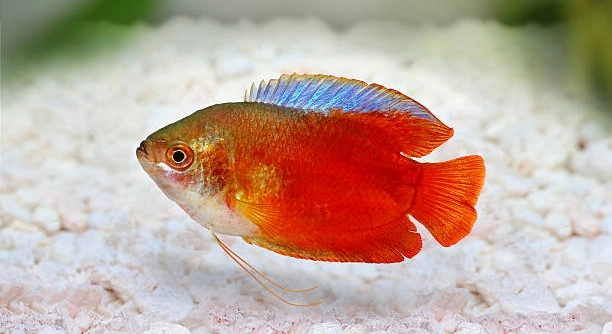
Gouramis are sensitive fish that often respond to small changes in their environment. Many owners notice subtle shifts in behavior or movement, which can signal that their fish is reacting to something different in the tank.
Gouramis display behavioral and physical changes when sensing environmental shifts, including altered swimming patterns, changes in appetite, color variations, increased hiding, and unusual interactions with tank mates, reflecting their sensitivity to water quality, temperature, and surrounding stimuli.
Recognizing these signs can help you maintain a healthier, more stable habitat for your gourami and prevent potential stress or illness from unnoticed changes.
Increased Hiding Behavior
When my gourami started spending more time behind plants and decorations, I noticed a big shift in its normal routine. Gouramis often hide when they feel stressed or sense a change in the tank environment. It could be a fluctuation in water temperature, new tank mates, or even rearranged decorations. This behavior is their way of feeling safe and avoiding potential threats. While it may seem like they are just being lazy, it’s important to observe how often and where they hide. Consistent hiding might indicate ongoing stress that needs attention. Adjusting lighting, checking water parameters, and ensuring a calm tank atmosphere can make a big difference. Over time, your gourami may return to normal swimming patterns once it feels secure. Watching them slowly regain confidence is a clear sign that your efforts are working and that their environment is stable again.
Stress in gouramis can lead to more frequent hiding and decreased interaction. Monitoring their environment closely helps prevent long-term issues.
Hiding is a natural response, but repeated or prolonged periods behind decorations can indicate something more serious. If your gourami hides for hours every day, it might be sensing changes in water pH, temperature shifts, or even aggressive behavior from new tank mates. Checking water quality, maintaining stable temperatures, and providing plenty of cover can reduce stress. Over time, a stable environment encourages more natural behavior.
Changes in Appetite
A sudden loss of interest in food can signal that your gourami is sensing changes in its tank.
Changes in appetite are often linked to stress or environmental shifts. Gouramis might eat less if water quality fluctuates, the temperature is inconsistent, or if new fish disrupt their comfort. Even small adjustments in lighting or feeding schedules can make them hesitant to eat. Monitoring how much your gourami consumes each day is crucial. A noticeable decrease in feeding, even for a few days, should prompt checking water parameters, ensuring tank mates are not aggressive, and observing for illness signs. Gradual reintroduction of food and offering favorite treats can encourage eating. Maintaining consistent routines and a calm atmosphere helps gouramis regain normal feeding habits. Over time, you will notice their confidence return, and appetite usually stabilizes, reflecting reduced stress and comfort in the tank. Keeping a close eye on these patterns allows you to address issues before they impact health.
Color Changes
Color shifts in gouramis can be subtle but noticeable. A paler hue or darker patches often indicate stress or environmental changes.
When my gourami’s bright colors started fading, I realized water quality had shifted. Changes in temperature, pH levels, or ammonia spikes can affect pigmentation. Stress from new tank mates or sudden lighting adjustments can also cause color variations. Observing the timing and pattern of these changes helps identify the trigger. Restoring stable water conditions and minimizing stress often brings colors back to normal over time. Additionally, proper nutrition with color-enhancing foods supports recovery.
Persistent or uneven color changes may point to underlying health issues, so it’s important to combine visual observation with testing water parameters. Maintaining a calm, stable environment and offering high-quality food ensures the gourami remains vibrant and healthy, reflecting both its comfort and overall well-being.
Unusual Swimming Patterns
Gouramis sometimes swim erratically when they sense changes in their environment. Rapid darting, floating near the surface, or staying at the bottom can all indicate stress.
My gourami started moving in circles and hesitating mid-swim. These unusual swimming patterns are often linked to water quality issues, temperature fluctuations, or minor illnesses. Inconsistent oxygen levels or improper filtration can also cause erratic movement. Observing swimming behavior alongside other signs, like appetite or hiding, provides a fuller picture of their health. Adjusting the tank environment, checking for irritants, and ensuring proper water flow usually improves swimming patterns.
Swimming behavior can also be influenced by social dynamics. Aggressive tank mates or overcrowding may make gouramis nervous, causing them to avoid open areas. Providing plenty of hiding spots and monitoring interactions helps maintain calm and normal swimming. Gradually, as the environment stabilizes, the gourami typically returns to smooth, confident movement, reflecting improved comfort and reduced stress.
Gill Movement Changes
Rapid or labored gill movement is often a sign your gourami is sensing stress or water quality issues.
I noticed my gourami breathing faster than usual after a minor temperature drop. This often happens when oxygen levels decrease, ammonia rises, or water circulation is uneven. Monitoring gill movement helps catch problems early and prevent serious health issues.
Increased Territorial Behavior
Gouramis can become more aggressive when sensing changes in their tank. They may chase or nip at other fish, especially if the environment feels unstable. Maintaining clear territories, adding hiding spaces, and observing interactions closely can reduce conflicts and stress.
Fin Clamping
Fin clamping is a visible stress response in gouramis. Tight fins pressed against the body often signal discomfort or environmental change.
Why is my gourami hiding more than usual?
Hiding is a common response when gouramis sense changes in their environment. I noticed mine would retreat behind plants after a minor water temperature drop. This behavior usually indicates stress from altered water parameters, new tank mates, or rearranged decorations. Hiding gives them a sense of safety while they adjust to changes.
How can I tell if my gourami’s appetite change is serious?
A slight decrease in eating may happen during minor environmental shifts. However, prolonged refusal to eat, sudden weight loss, or spitting out food suggests stress or health issues. I keep track of how much my gourami eats daily. If appetite doesn’t return to normal within a couple of days, it’s best to check water parameters, observe for illness signs, and ensure the tank is calm. Offering favorite foods in small amounts can encourage eating.
What causes color changes in gouramis?
Color variations often reflect stress, water quality fluctuations, or diet issues. My gourami’s bright colors faded after a pH imbalance. Low oxygen, high ammonia, temperature swings, or aggressive tank mates can also affect pigmentation. Maintaining stable water conditions and offering color-enhancing foods usually restores vibrant hues. Sudden or patchy color changes may indicate illness, so it’s important to monitor both behavior and environment.
Why is my gourami swimming strangely?
Erratic swimming, darting, or staying near the surface often signals stress or environmental shifts. I observed my gourami circling unusually after adding new decorations. Causes can include temperature fluctuations, poor water quality, oxygen issues, or social stress from other fish. Providing hiding spots, stabilizing water conditions, and monitoring interactions helps normalize movement over time.
What does rapid gill movement mean?
Rapid or labored gill movement often indicates stress or low oxygen. I noticed this when water temperature dropped slightly. It can also result from high ammonia, nitrite levels, or poor filtration. Observing gill patterns, improving water circulation, and checking parameters early helps prevent serious health problems.
How do I handle increased territorial behavior?
Gouramis may chase or nip at other fish when sensing environmental changes. Mine became more aggressive after adding new tank mates. Clear territories, plenty of hiding spots, and monitoring interactions reduce conflict. Ensuring the tank isn’t overcrowded and maintaining a calm environment helps the gourami feel secure and reduces stress-driven aggression.
Why is my gourami clamping its fins?
Fin clamping happens when a gourami feels stressed or uncomfortable. My gourami did this during a minor water shift. Causes include poor water quality, temperature changes, illness, or aggressive tank mates. Keeping water stable, monitoring tank mates, and maintaining cleanliness encourages relaxation. Over time, fins usually return to normal when stressors are removed.
How can I prevent these stress signs in the future?
Consistent water parameters, proper temperature, and routine maintenance are essential. I make small, gradual changes rather than sudden adjustments. Providing hiding spots, observing behavior, and avoiding aggressive tank mates reduces stress. Regular monitoring of water quality and fish behavior allows early intervention before symptoms worsen.
Are these changes reversible?
Most behavior and color changes caused by environmental stress are reversible. My gourami returned to normal after stabilizing water parameters and reducing stressors. Persistent changes may signal illness, requiring closer observation and, if needed, professional advice. Quick action and consistent care usually restore health and normal behavior.
When should I consult a professional?
If stress signs persist despite stable water conditions, or if there are sudden severe symptoms like labored breathing, severe color loss, or fin damage, it’s important to seek professional advice. Early consultation can prevent long-term health issues and ensure the gourami recovers fully.
These answers reflect practical ways to identify and respond to changes your gourami may be sensing. Observing behavior, maintaining stable conditions, and addressing issues promptly keeps your fish healthy and comfortable.
Gouramis are sensitive fish that respond quickly to changes in their environment. Over time, I’ve noticed that even small shifts in water temperature, pH levels, or tank arrangements can affect their behavior and overall health. They are naturally cautious and alert creatures, so behaviors like hiding, color changes, or unusual swimming patterns are ways they communicate stress. Observing these signs closely allows you to understand what your gourami is experiencing. By paying attention to subtle changes, you can identify problems before they become serious, which helps maintain a stable and healthy environment. Even small adjustments, such as moving decorations slowly or introducing new tank mates gradually, can make a noticeable difference in how comfortable your fish feels. Consistency is key for their wellbeing, and regular observation helps ensure you catch any issues early.
Maintaining proper water quality is one of the most important aspects of keeping gouramis healthy. I learned that regular testing for ammonia, nitrites, and pH levels prevents stress-related behaviors from becoming severe. Temperature stability is equally critical since sudden drops or increases can trigger hiding, erratic swimming, or fin clamping. Alongside water parameters, diet plays an important role in keeping your fish vibrant and active. Providing a balanced diet, including occasional color-enhancing foods, helps maintain their natural hues and encourages normal feeding patterns. It’s also important to create a tank setup that supports their natural behaviors. Plants, hiding spots, and open swimming areas allow them to feel secure while exploring. A combination of good water quality, proper diet, and a well-structured habitat reduces stress, leading to a more active and healthy fish.
Monitoring behavior over time provides valuable insight into your gourami’s wellbeing. I found that keeping a simple routine, such as feeding at the same time each day and checking water conditions consistently, helps prevent sudden stress responses. Observing signs like rapid gill movement, color shifts, or aggression allows you to adjust the tank environment promptly. Changes in behavior are not always a cause for alarm but should be addressed to prevent long-term effects on health. Taking proactive steps, like providing hiding places, ensuring stable water conditions, and minimizing disruptions, helps gouramis adjust smoothly to changes. Over time, these efforts result in fish that are comfortable, active, and visually vibrant, reflecting both good care and a calm tank environment. A steady, mindful approach to tank management ensures that your gourami remains healthy and resilient, responding less dramatically to minor changes.

Hello,
If you enjoy the content that we create, please consider saying a "Thank You!" by leaving a tip.
Every little bit helps us continue crafting quality advice that supports the health, happiness, and well-being of pets around the world, for pets of all shapes, sizes, and species.
We really appreciate the kindness and support that you show us!