
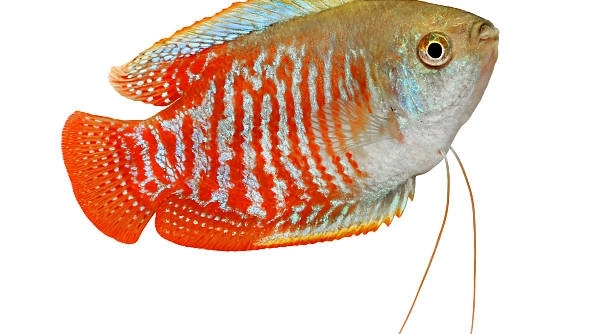
New gouramis can be charming additions to any aquarium, but they often hide signs of fear that may go unnoticed. Observing their behavior early helps maintain a calm and healthy environment for these delicate fish.
Early signs of fear in new gouramis include hiding behind decorations, erratic swimming patterns, clamped fins, loss of appetite, color fading, hesitation to explore the tank, and excessive gill movement. Recognizing these behaviors allows prompt intervention to reduce stress.
Identifying these subtle behaviors can help you create a secure and comfortable environment for your gouramis from the start. Understanding their needs ensures they thrive in your care.
Hiding Behind Decorations
New gouramis often retreat behind plants, rocks, or tank decorations when they feel threatened. This behavior is a natural response to unfamiliar surroundings. Observing them consistently hiding may indicate that the fish is stressed or frightened. Frequent hiding can reduce activity, limit feeding, and slow adaptation to the tank. Gouramis are social yet cautious fish, and their environment should feel safe. Proper placement of decorations can create secure hiding spots while allowing open areas for swimming. Avoid overcrowding the tank, as too many fish can amplify stress. Sudden changes in lighting or water conditions can also trigger hiding. Gentle interactions, maintaining stable water parameters, and gradual introduction to the tank can help ease fear. Monitoring the frequency and duration of hiding offers insight into the fish’s comfort level. Adjusting the tank setup and minimizing disturbances supports a calmer atmosphere. Over time, reduced hiding indicates increasing confidence.
Creating a balanced environment with both open spaces and hiding spots encourages exploration while maintaining security.
With patience, your gouramis will gradually feel at ease, exploring more freely and interacting with their surroundings without constant fear or hesitation.
Erratic Swimming
Erratic swimming is a clear sign that a gourami feels insecure. Rapid darting, sudden stops, or circular movements suggest stress.
Such behavior may result from abrupt changes in water temperature, strong currents, or nearby disturbances. Consistently observing these patterns indicates that the fish is anxious. Minimizing disruptions and ensuring stable conditions are essential.
Erratic swimming not only reflects fear but can lead to physical strain or injury. Stress weakens the immune system, making the fish more prone to illness. Gradual acclimation to the tank and gentle handling are crucial to prevent ongoing stress. Providing calm surroundings, avoiding sudden movements near the aquarium, and maintaining consistent water quality are effective measures. Watching for triggers, such as new tankmates or harsh lighting, can help identify causes. Over time, introducing hiding spots and rearranging decorations can reduce anxiety, allowing the gourami to swim more confidently. Close observation ensures that any health or behavioral issues are addressed before they escalate, creating a safe environment for the fish.
Clamped Fins
Clamped fins occur when a gourami holds its fins close to the body, signaling fear or discomfort. This posture reduces exposure to potential threats and is often paired with hiding or erratic swimming.
Consistently clamped fins indicate stress, which may stem from poor water quality, sudden changes in temperature, or aggressive tankmates. Gouramis rely on open fins for swimming and balance, so persistent clamping can affect movement and feeding. Addressing environmental stressors and ensuring gentle interactions can help the fish feel secure. Observing how quickly fins return to normal can indicate adaptation or ongoing discomfort.
In addition to adjusting tank conditions, introducing gradual changes, maintaining clean water, and avoiding sudden disturbances encourage recovery. Monitoring fin posture alongside other behaviors helps track the fish’s overall stress level. With attention, clamped fins will relax, allowing the gourami to regain natural movement and confidence.
Loss of Appetite
A new gourami may stop eating when it feels threatened or insecure. Reduced feeding is a common response to stress.
Persistent appetite loss can impact growth, energy, and overall health. Stress may arise from sudden tank changes, incompatible tankmates, or poor water conditions. Offering familiar foods and feeding in calm conditions can encourage eating. Observing eating patterns helps identify if the fish is adjusting or remaining stressed.
To support recovery, ensure water parameters are stable, tankmates are non-aggressive, and food is appealing and easy to consume. Gradual introduction of new foods, combined with a quiet feeding routine, can help the gourami regain confidence. Tracking feeding behavior alongside other stress indicators allows for early intervention. Addressing fear promptly reduces long-term health risks and promotes adaptation to the tank environment.
Color Fading
Color fading in new gouramis often reflects stress or fear. Dull or pale coloration signals discomfort and a lack of confidence in their surroundings.
Environmental stress, poor water quality, or constant disturbances can cause colors to fade. Restoring stable conditions and minimizing disruptions helps gouramis regain their natural vibrancy.
Hesitation to Explore
Hesitation to explore the tank is common in fearful gouramis. They may stay near hiding spots and avoid open areas. Gradually, as they feel safer, they begin to venture out, testing the environment cautiously. Offering safe spaces and a calm setting encourages confident movement over time.
Excessive Gill Movement
Rapid or heavy gill movement indicates stress or fear in gouramis. It often occurs when the fish feels threatened, experiences poor water quality, or faces sudden environmental changes. Monitoring gill activity helps identify stressors, allowing timely adjustments to ensure comfort and maintain health.
FAQ
How can I tell if my new gourami is scared?
Signs of fear include hiding behind decorations, clamped fins, erratic swimming, loss of appetite, pale coloration, hesitation to explore, and rapid gill movement. Observing consistent patterns of these behaviors indicates stress, while occasional occurrences may be normal adjustment responses.
Why does my gourami hide all the time?
Hiding is a natural defensive behavior. Frequent hiding often occurs when the tank is overcrowded, water conditions fluctuate, or aggressive tankmates are present. Providing stable water conditions, safe spaces, and gradual acclimation helps reduce stress and encourages more active behavior.
What causes clamped fins in gouramis?
Clamped fins usually signal discomfort or fear. Environmental stressors such as poor water quality, sudden temperature changes, or disturbances can cause this behavior. Consistently observing fin posture alongside other behaviors helps determine the fish’s stress level. Correcting environmental issues usually restores normal fin position.
Why has my gourami stopped eating?
Loss of appetite often accompanies fear or stress. Changes in tank conditions, aggressive tankmates, or sudden environmental shifts may trigger this response. Offering familiar, easy-to-eat foods in calm conditions encourages feeding. Maintaining stable water parameters and reducing disturbances supports appetite recovery.
Is color fading normal in new gouramis?
Temporary color fading can occur during adjustment to a new environment. Persistent dullness usually indicates stress or poor water quality. Ensuring a stable, calm tank and proper nutrition helps gouramis regain their natural coloration. Observing other stress signs alongside color changes gives a clearer picture.
How do I encourage my gourami to explore?
Gouramis explore gradually when they feel safe. Providing open areas with nearby hiding spots allows cautious movement. Avoid sudden changes or disruptions, and maintain consistent tank conditions. Over time, reducing fear encourages the fish to swim freely and interact with the environment.
What does rapid gill movement mean?
Excessive gill movement signals fear, stress, or poor water quality. It can also indicate high oxygen demand due to illness or tank conditions. Monitoring water parameters, minimizing disturbances, and observing for other stress signs ensures proper intervention.
Can tankmates affect my gourami’s fear?
Yes, aggressive or overly active tankmates increase stress. Peaceful companions and adequate space reduce fear responses. Observing interactions helps determine compatibility, while rearranging the tank or providing barriers can reduce stress from dominant fish.
How long does it take for a new gourami to settle?
Adjustment varies by individual temperament and environment. Some gouramis adapt within days, while others may take weeks. Stable water conditions, calm surroundings, and minimal disturbances accelerate comfort and confidence in the tank.
What steps help reduce fear in new gouramis?
Ensure clean, stable water conditions, provide safe hiding spots, minimize sudden changes, and avoid aggressive tankmates. Gentle handling and consistent feeding routines also reduce stress. Monitoring behavior and responding to early signs of fear allows for a secure and healthy environment.
Can stress affect my gourami’s health long-term?
Chronic stress weakens the immune system, reducing resistance to disease and slowing growth. Addressing fear early through stable conditions, safe spaces, and consistent care improves long-term health and overall well-being.
Are there specific foods that help fearful gouramis?
Offering familiar, nutritious, and easy-to-eat foods encourages feeding during stress. Small portions, frequent feedings, and high-quality flakes or pellets tailored for gouramis help maintain energy and reduce stress-related appetite loss.
Should I move decorations if my gourami is hiding?
Rearranging decorations can create new hiding spots or reduce perceived threats. Gradual adjustments ensure the fish can explore without sudden stress. Providing a mix of cover and open swimming areas supports confidence and reduces fear-based hiding behavior.
How often should I monitor my new gourami for fear signs?
Daily observation is recommended during the first few weeks. Noting changes in swimming, feeding, coloration, and fin posture helps detect stress early. Consistent monitoring allows timely interventions and supports long-term adjustment to the tank.
Can water temperature changes trigger fear in gouramis?
Yes, sudden temperature fluctuations can stress gouramis, leading to hiding, clamped fins, or erratic swimming. Maintaining stable temperatures appropriate for the species ensures comfort, reduces fear responses, and promotes normal feeding and exploration behaviors.
How do I know if my gourami is fully comfortable?
A comfortable gourami swims confidently, explores the tank, eats regularly, displays vibrant colors, and shows relaxed fin posture. Observing these behaviors consistently indicates successful adaptation and reduced fear.
Final Thoughts
New gouramis are delicate and sensitive fish that respond strongly to their environment. Recognizing early signs of fear is essential for maintaining their health and comfort. Behaviors such as hiding behind decorations, clamped fins, erratic swimming, loss of appetite, color fading, hesitation to explore, and rapid gill movement are all indicators that the fish is feeling stressed or insecure. These behaviors should not be ignored, as prolonged fear can affect the fish’s overall well-being and make it more susceptible to illness. Observing your gouramis closely in the first few weeks after introducing them to a new tank allows you to identify patterns and take steps to reduce stress. Small adjustments to the tank setup, water conditions, or the behavior of tankmates can have a significant impact on your gouramis’ sense of safety and comfort.
Creating a stable and calm environment is the key to helping new gouramis settle in. Providing hiding spots with plants, rocks, or decorations gives the fish places to retreat when they feel threatened, while also leaving open areas for swimming and exploration. Maintaining consistent water parameters, avoiding sudden changes in temperature or lighting, and limiting disturbances near the aquarium are all important steps to prevent fear-related behaviors. Feeding routines should be gentle and predictable, offering familiar foods in calm conditions to encourage regular eating. Over time, these measures allow gouramis to gain confidence in their surroundings. Observing the fish’s behavior alongside these adjustments helps gauge whether the environment is suitable and whether additional changes are needed to reduce stress further.
Understanding the early signs of fear and addressing them promptly supports the long-term health and happiness of your gouramis. Stress can weaken the immune system, slow growth, and affect coloration, so early intervention is critical. By providing a secure and stable tank environment, monitoring behaviors, and making thoughtful adjustments, you create conditions where gouramis feel safe and confident. Gradually, fearful behaviors like hiding, clamped fins, and hesitation to explore will diminish as the fish acclimates. With consistent care, attention to detail, and patience, your new gouramis can thrive, displaying natural behaviors, vibrant colors, and active exploration. Ensuring a calm and supportive environment not only helps the fish adjust quickly but also strengthens their overall resilience, allowing them to enjoy a full and healthy life in your aquarium.

Hello,
If you enjoy the content that we create, please consider saying a "Thank You!" by leaving a tip.
Every little bit helps us continue crafting quality advice that supports the health, happiness, and well-being of pets around the world, for pets of all shapes, sizes, and species.
We really appreciate the kindness and support that you show us!