
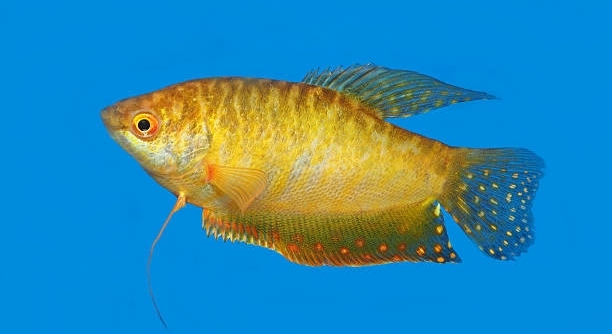
Gouramis are fascinating fish that often respond to subtle changes in their environment. Many owners notice unusual reactions, but few realize that specific sound frequencies can strongly influence their behavior and daily activity patterns.
Research shows that gouramis respond most strongly to seven specific sound frequencies, ranging from low to mid-range vibrations. These frequencies trigger notable behavioral changes, including increased activity, feeding responses, and social interaction, suggesting a heightened sensory sensitivity to certain auditory stimuli.
Understanding which sounds affect gouramis can improve their well-being and create a more harmonious aquarium environment for both the fish and their owners.
Low-Frequency Vibrations
Low-frequency vibrations, usually between 20 and 100 Hz, can cause gouramis to become more alert and active. These sounds mimic environmental cues like water movement or distant disturbances. Many aquarists notice their fish swimming faster or changing positions when exposed to these vibrations, which may also influence their feeding behavior. Gouramis rely heavily on their lateral line system to sense pressure changes in the water. Low frequencies stimulate this system, helping them detect potential changes in their surroundings. If the aquarium produces consistent low-frequency hums, such as from pumps or air filters, it can affect daily activity patterns. Observing these responses can help you adjust equipment placement or manage sound exposure to ensure the fish remain comfortable and calm. Subtle changes in tank acoustics can reduce stress and promote healthier interactions among fish. Consistent monitoring is key to recognizing patterns in their behavior linked to these vibrations.
Low-frequency sounds often make gouramis swim near the surface and show curiosity toward nearby objects.
Maintaining a balanced acoustic environment with controlled low-frequency sounds can help gouramis remain engaged and active without causing stress. Ensuring these vibrations mimic natural conditions supports healthier feeding and social behaviors, improving overall aquarium harmony. Adjusting equipment and placement while monitoring reactions allows the fish to thrive naturally.
Mid-Frequency Tones
Mid-frequency tones, roughly between 100 and 500 Hz, capture gouramis’ attention quickly. They respond with subtle fin movements and occasional changes in direction.
These tones are particularly effective in triggering feeding responses or mild social interactions. The frequencies fall within the range of many natural water noises, such as flowing streams or other aquatic life. Exposure to mid-frequency sounds can encourage gouramis to explore different areas of the tank. Careful observation helps determine which specific frequencies are most stimulating without causing agitation. In some cases, repeated exposure can lead to predictable behavior patterns. Providing varied mid-frequency sounds can keep the fish mentally engaged and reduce inactivity. Adjusting tank acoustics while maintaining a calm environment ensures the fish respond naturally. Understanding these frequencies helps owners create a setting that encourages activity and interaction, promoting healthier growth and development. When applied thoughtfully, mid-frequency tones can improve feeding efficiency and strengthen social dynamics among gouramis. Proper sound management creates an enriched habitat without overwhelming their sensory system.
High-Frequency Signals
High-frequency signals, above 500 Hz, often make gouramis twitch their fins or change direction quickly. These sounds are sharper and can catch their attention immediately. Sudden high-pitched noises may startle them, but gentle exposure can encourage alertness without causing stress.
Repeated exposure to high-frequency sounds can influence their feeding patterns. Gouramis may swim toward the source or display curiosity in their surroundings. Unlike low frequencies that stimulate calm activity, high frequencies provoke quick, precise movements. This sensitivity is linked to their inner ear structure and lateral line system, which detect rapid vibrations. Adjusting the intensity and duration ensures the fish remain responsive without being overwhelmed. Careful monitoring allows the fish to gradually adapt to these signals, supporting healthier behavior patterns in the aquarium environment.
Using high-frequency signals strategically can enhance interaction and mental stimulation. These sounds encourage the fish to explore the tank and engage with their environment more actively. Controlled exposure supports natural behaviors, improving overall fish well-being. Regularly observing reactions allows for fine-tuning sound levels to maintain comfort while keeping gouramis responsive and lively.
Mixed-Frequency Combinations
Combining low and mid-frequency sounds often increases overall activity and engagement. Gouramis respond with swimming, fin flicks, and occasional social behaviors.
Mixed frequencies mimic natural aquatic conditions more closely. The combination encourages exploration, feeding, and interaction, providing mental stimulation that single-frequency sounds may not achieve. These sounds can simulate water currents, distant movement, or interactions with other creatures. Adjusting frequency balance helps prevent overstimulation while maintaining engagement. Observing their reactions is important to ensure they do not show signs of stress. Varying the combination can keep daily routines dynamic and reduce inactivity.
Strategically using mixed-frequency combinations improves tank dynamics and promotes natural behaviors. Gouramis react more consistently when exposed to layered vibrations, which support healthy activity levels. Careful planning of frequency sequences can reduce boredom and stimulate curiosity, encouraging the fish to interact with their surroundings. Understanding their response patterns allows better management of environmental sounds for a healthier, more harmonious aquarium.
Ultrasonic Frequencies
Ultrasonic frequencies, above 20,000 Hz, are usually beyond human hearing but can still affect gouramis. These sounds may cause subtle fin movements or brief shifts in swimming patterns, showing their sensitivity to vibrations humans cannot perceive.
Prolonged exposure to ultrasonic sounds can make gouramis more cautious. While not harmful at low levels, repeated exposure may increase alertness and reduce risk-taking behaviors. Observing reactions helps determine safe levels.
Natural Water Resonances
Natural water resonances mimic environmental noises like flowing streams or splashing. These frequencies encourage normal exploratory and feeding behavior, supporting a stable tank environment.
Gouramis respond to these resonances by moving calmly through the tank, inspecting decorations, and interacting with tank mates. Maintaining gentle resonance levels keeps them active without causing stress.
Feeding Response Frequencies
Certain frequencies directly influence feeding behavior. Gouramis often move toward the source and show heightened interest in available food.
These frequencies stimulate natural hunting instincts, making them more responsive during feeding times. Controlled exposure can help establish routine and encourage consistent appetite.
FAQ
What are the most effective sound frequencies for gouramis?
The most effective frequencies for gouramis range from low to mid-level vibrations, roughly between 20 Hz and 500 Hz. Low frequencies stimulate their lateral line system, encouraging calm swimming and alertness. Mid-range frequencies trigger curiosity, social interaction, and feeding responses. Combining these frequencies can create a more engaging environment without causing stress. Observing their reactions helps determine the ideal range for each aquarium setup.
Can high-frequency sounds harm gouramis?
High-frequency sounds above 500 Hz are not inherently harmful but can startle gouramis if too sudden or intense. Gentle exposure encourages alertness and exploration. Prolonged, intense high-frequency noise may increase stress, leading to reduced feeding or hiding. It’s best to introduce high frequencies gradually while monitoring behavior for signs of discomfort.
Do ultrasonic sounds affect gouramis?
Ultrasonic frequencies, above 20,000 Hz, are mostly inaudible to humans but can influence gouramis’ behavior. Subtle fin movements or brief swimming changes indicate sensitivity. Low-level exposure is generally safe, but continuous, high-intensity ultrasonic noise may make fish overly cautious or anxious. Testing in short intervals allows safe observation of reactions.
How can mixed-frequency sounds improve tank activity?
Combining low, mid, and occasional high frequencies often increases overall activity. Mixed frequencies simulate natural water conditions like flowing currents or distant movement. Gouramis respond with exploration, social interactions, and more consistent feeding behavior. Adjusting the balance prevents overstimulation, keeping the fish active, alert, and comfortable in their environment.
Do gouramis respond to environmental noises outside the aquarium?
Yes, gouramis can react to vibrations from household appliances, footsteps, or other tanks nearby. Low-frequency hums from pumps or air conditioners may influence swimming patterns. Recognizing these external factors helps manage stress levels. Positioning the tank away from heavy vibrations or using padding can reduce unnecessary stimulation.
Can sound frequencies help with feeding routines?
Certain frequencies naturally trigger feeding behavior. Mid-range sounds between 100 and 500 Hz often make gouramis more attentive to food and more active during feeding times. Using these frequencies consistently can help establish predictable routines. Observing how each fish reacts allows you to fine-tune exposure for optimal results.
Are there signs that sound frequencies are too strong?
Signs include rapid darting, frequent hiding, loss of appetite, or clamped fins. Stress behaviors indicate that frequencies may be too high or prolonged. Adjusting intensity, duration, and distance from the source helps reduce discomfort. Monitoring daily behavior ensures the aquarium remains a safe, stimulating environment without overwhelming the fish.
Should sound frequencies be used constantly?
No, continuous exposure can lead to desensitization or stress. Intermittent, controlled use is more effective. Observing patterns in activity, feeding, and social behavior guides the timing and frequency of exposure. Short, repeated intervals often provide benefits without negative effects.
Do gouramis respond differently to frequency combinations than single frequencies?
Yes, layered frequencies often elicit stronger or more varied responses. Mixed sounds mimic natural conditions better, promoting curiosity, exploration, and social interaction. Single frequencies may influence one behavior, while combinations support overall engagement. Adjusting levels ensures the fish remain responsive without being overstimulated.
Can sound management improve long-term health?
Proper sound exposure reduces stress, encourages regular feeding, and promotes natural activity. Over time, this supports growth, immune function, and overall well-being. Understanding how different frequencies affect behavior allows owners to create an enriched, stable environment that supports the fish’s natural habits and mental stimulation.
This FAQ provides a practical guide to using sound frequencies with gouramis. Observing reactions, adjusting intensity, and balancing exposure are key to maintaining a healthy, active, and responsive aquarium.
Gouramis are sensitive fish that respond strongly to various sound frequencies in their environment. Their behavior can change noticeably depending on the vibrations and tones around them. Low-frequency sounds often encourage calm movement and alertness, while mid-range frequencies can stimulate curiosity and social interaction. High-frequency and ultrasonic sounds may trigger quick reactions or subtle changes in swimming patterns. Understanding these responses helps create an aquarium that supports the fish’s natural behavior. By paying attention to how your gouramis react to different sounds, you can provide an environment that is both engaging and comfortable. Observing their activity, feeding patterns, and interactions with other tank mates gives valuable insight into how sound influences their daily life. Small adjustments to tank equipment, placement, and sound levels can make a noticeable difference in their overall well-being.
Using controlled sound frequencies can improve not only activity levels but also mental stimulation for gouramis. Fish that are exposed to varied low, mid, and occasional high frequencies often explore more and show more consistent feeding behavior. Mixed-frequency sounds simulate natural water conditions, encouraging behaviors that are important for maintaining their health. Repetition and consistency in exposure to these sounds can help establish predictable routines, especially during feeding times. At the same time, it is important to avoid overexposure. Continuous or overly intense vibrations can lead to stress, hiding, or loss of appetite. Monitoring how the fish respond to different frequencies allows owners to find a balance that keeps gouramis active and comfortable. Providing this type of sensory enrichment contributes to a healthier, more harmonious aquarium environment, which benefits both the fish and the people caring for them.
Overall, understanding how gouramis react to sound frequencies is a useful tool for maintaining a thriving aquarium. Attention to detail in tank setup, including the placement of pumps, filters, and other devices, can help manage vibrations and noise levels. Observing natural reactions to low, mid, high, and ultrasonic frequencies provides information on what works best for each individual fish. Adjusting sound exposure based on behavior supports healthier activity, better feeding, and improved social interaction among tank mates. Creating a balanced acoustic environment is a simple yet effective way to enhance the life of gouramis, ensuring they remain alert, engaged, and stress-free. Taking the time to notice these subtle cues and respond with careful adjustments can make a significant difference in their overall quality of life, leading to a more enjoyable and peaceful aquarium for both the fish and their caretaker.

Hello,
If you enjoy the content that we create, please consider saying a "Thank You!" by leaving a tip.
Every little bit helps us continue crafting quality advice that supports the health, happiness, and well-being of pets around the world, for pets of all shapes, sizes, and species.
We really appreciate the kindness and support that you show us!