
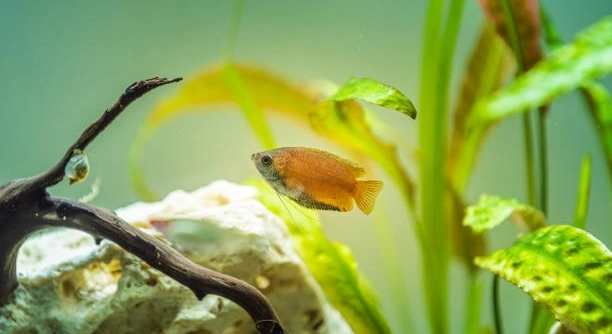
Gouramis are peaceful fish, but they can get stressed easily in busy aquariums. Providing a calm environment helps them stay healthy and vibrant, making your aquarium more enjoyable for both you and your fish friends.
Adding natural elements like floating plants, Indian almond leaves, gentle water flow, and proper lighting can significantly reduce stress in gouramis. These methods create a soothing environment, support natural behaviors, and improve overall health in freshwater tanks.
Maintaining a stress-free habitat takes attention, but small changes can make a big difference in your gouramis’ wellbeing.
Floating Plants for Calm Spaces
Floating plants like duckweed or water lettuce offer shade and hiding spots for gouramis. They reduce light intensity and give the fish a sense of security. Stress in gouramis often increases when they feel exposed, so these gentle covers help them relax. Adding floating plants also improves water quality by absorbing excess nutrients. They create a more natural environment, which can support peaceful behaviors and reduce aggression among tank mates. Over time, you’ll notice gouramis spending more time near the plants, resting and exploring without tension. These plants are easy to care for and reproduce quickly, making them a low-maintenance addition. Observing gouramis using floating plants can be rewarding because it shows how environmental adjustments influence behavior. They not only act as a visual barrier but also support natural instincts. Consistent placement and regular trimming keep the plants healthy and prevent overcrowding, which could otherwise reduce swimming space.
Floating plants are simple yet effective tools for reducing stress in gouramis. They provide shade, cover, and a sense of security in the aquarium.
Gouramis benefit from shaded areas created by floating plants, especially in tanks with bright lighting. These areas allow the fish to rest without constant exposure, lowering stress hormone levels. The plants also help stabilize water parameters by competing with algae and filtering some dissolved nutrients. Over time, this can improve overall tank health and reduce maintenance needs. The presence of floating plants encourages natural behavior such as hovering, foraging, and exploring in safer conditions. As the plants grow, they create dynamic spaces in the tank, giving gouramis multiple zones to choose from. Regular observation is key to ensure plants do not overcrowd swimming areas, and periodic pruning maintains balance. Overall, floating plants are a low-effort addition that promotes a calm environment, healthier fish, and a visually pleasing aquarium.
Indian Almond Leaves for Relaxation
Indian almond leaves release tannins that gently lower water pH and have mild antibacterial properties.
Adding Indian almond leaves to gourami tanks helps reduce stress and supports immunity. The tannins create soft, slightly acidic water, mimicking natural habitats. This encourages natural behavior and improves color vibrancy, making gouramis appear healthier.
When using Indian almond leaves, place one or two small leaves per five gallons of water. They gradually release tannins, slightly darkening the water while producing beneficial compounds that reduce stress. These leaves are easy to replace and safe for most freshwater fish. As they decompose, they form a natural surface for microfauna, giving gouramis occasional foraging opportunities. Using Indian almond leaves with floating plants or gentle water flow enhances the calming effect. Consistency is important: introducing leaves in moderation and removing decayed material helps prevent excessive water discoloration or ammonia spikes. Observing gouramis using these leaves for hiding or nibbling shows how effective natural additions can be. Integrating them into your tank routine supports both fish health and a visually appealing environment while keeping maintenance manageable.
Gentle Water Flow
Gentle water flow helps gouramis feel secure by mimicking calm river currents. Strong currents can exhaust them, so a slow, steady flow keeps them comfortable and encourages natural swimming behavior without stress.
Maintaining gentle water flow requires adjusting filters or adding flow-reducing equipment. Gouramis naturally inhabit slow-moving waters, so mimicking this environment reduces anxiety. Low flow allows them to hover and explore freely, promoting activity without exhaustion. Plants and decorations further break up currents, creating resting spots. Observing how gouramis position themselves in relation to the flow shows if adjustments are needed. A balanced current also helps distribute heat and nutrients evenly. Over time, peaceful water movement improves their appetite, social interactions, and overall health. Avoid sudden changes, as gouramis respond poorly to abrupt water movement.
Flow patterns affect more than just comfort. Gentle currents encourage cleaner swimming areas by preventing debris buildup while supporting oxygen circulation. Gouramis often adjust body orientation to currents naturally, making them appear more active. Consistent gentle flow reduces aggressive tendencies and provides a predictable environment, which lowers stress hormones. Incorporating adjustable flow devices allows control based on tank size and decoration layout. Combining slow water movement with shaded areas and floating plants creates a calming habitat. Monitoring behavior after modifications ensures optimal conditions. This small adjustment can significantly enhance the quality of life for gouramis, supporting both health and natural behavior patterns.
Proper Lighting
Soft lighting prevents stress by reducing brightness that can overwhelm gouramis. Harsh lights often make them hide constantly, affecting feeding and activity.
Adjusting lighting schedules helps gouramis maintain a natural day-night rhythm. A moderate light intensity with gradual transitions reduces shock and promotes calm behavior.
Using timers for gradual light changes simulates sunrise and sunset, which reduces sudden stress. Gouramis feel safer with consistent light patterns and are more likely to explore the tank confidently. Low-intensity lighting highlights natural colors without causing strain. Combining proper lighting with floating plants creates shaded zones, offering security and resting areas. Avoid placing the tank in direct sunlight, as it can heat water quickly and encourage algae growth, stressing the fish. Regularly monitoring water temperature and observing gourami behavior ensures lighting adjustments are effective. Over time, this approach supports natural activity cycles, encourages feeding, and improves overall health.
Hiding Spots
Hiding spots reduce stress by giving gouramis safe places to retreat. Caves, driftwood, and dense plants allow them to rest and feel secure without being constantly exposed to the open water.
These areas also support natural behavior, encouraging exploration while giving them control over their environment.
Consistent Water Temperature
Maintaining stable water temperature prevents sudden stress. Gouramis are sensitive to fluctuations, and consistent warmth supports metabolism, immune function, and normal activity levels. Regular monitoring with a reliable heater or thermometer ensures minimal temperature swings and a stable environment.
Minimal Disturbances
Frequent tapping or sudden movements can alarm gouramis. Limiting disturbances near the tank helps them stay calm and reduces erratic swimming or hiding.
FAQ
How do I know if my gourami is stressed?
Signs of stress include hiding constantly, rapid gill movement, clamped fins, and loss of appetite. Gouramis may also swim erratically or show faded colors. Observing daily behavior helps identify issues early, allowing timely adjustments to water conditions, tank setup, or environment.
Can floating plants alone calm gouramis?
Floating plants help, but they work best combined with other stress-reducing measures. They provide shade and security, but factors like gentle water flow, hiding spots, and proper lighting also play critical roles in creating a calm environment.
How often should I add Indian almond leaves?
Leaves can be added every few weeks depending on tank size and tannin levels. Replace decayed leaves to avoid water quality issues. One or two small leaves per five gallons is usually sufficient for stress reduction and water conditioning.
Is gentle water flow enough for all gouramis?
Gentle flow supports calm swimming, but it’s not the only requirement. Combine with floating plants, hiding spots, and proper temperature to create a complete, low-stress habitat. Sudden changes in flow should be avoided as gouramis are sensitive to abrupt currents.
What is the ideal light setup for gouramis?
Moderate light with gradual transitions is best. Using a timer to simulate natural day-night cycles helps reduce stress. Avoid bright overhead lighting and direct sunlight, as excessive brightness can make gouramis hide continuously. Shaded areas from floating plants improve comfort.
How can I maintain consistent water temperature?
Use a reliable heater and thermometer to monitor fluctuations. Gouramis thrive in stable temperatures, typically between 75–82°F. Sudden drops or rises can stress them and affect immunity, feeding, and overall activity levels. Adjust gradually if changes are necessary.
Do hiding spots really make a difference?
Yes, hiding spots give gouramis control over their environment. They feel secure and can rest without constant exposure, reducing stress-related behaviors. Caves, plants, and driftwood all provide options, and multiple locations help minimize competition among tank mates.
Can I calm gouramis with decorations alone?
Decorations contribute, but they should be combined with proper water parameters, temperature control, and lighting. Alone, decorations might provide shelter, but stress may persist without a balanced environment and natural elements that mimic their habitat.
How often should I check my gourami’s environment?
Daily observation is ideal. Check water temperature, clarity, and behavior. Weekly tests for pH, ammonia, and nitrates help prevent conditions that cause stress. Small, consistent adjustments maintain a stable and comfortable habitat.
Will combining all natural additions work faster?
Yes, combining floating plants, Indian almond leaves, gentle water flow, proper lighting, hiding spots, and minimal disturbances creates a synergistic effect. Gouramis respond quickly to an environment that meets multiple comfort needs, showing calmer, healthier behavior in a short time.
What if my gouramis still appear stressed?
If stress persists, recheck water parameters, tank size, and compatibility with tank mates. Some gouramis are naturally more timid or sensitive. Consulting aquarium guides or specialists may help identify hidden issues like disease, poor nutrition, or aggressive companions affecting behavior.
Can adding too many plants or leaves be harmful?
Excessive additions can reduce swimming space, affect oxygen levels, and change water chemistry. Balance is key—trim plants, limit leaf additions, and monitor water quality to ensure the tank remains comfortable and safe for gouramis.
Do gouramis benefit from observing other fish?
Yes, but aggressive or overly active tank mates can cause stress. Calm companions and stable social groups promote security and natural interactions, while chaotic environments increase hiding and erratic swimming.
How quickly can I expect results?
Behavioral improvements may be noticeable within days, though full adaptation can take weeks. Gouramis need time to feel safe, explore, and resume normal feeding and social behaviors. Patience and consistency with natural additions ensure long-term benefits.
Are there any long-term benefits to a calm environment?
A stable, stress-free habitat supports immune health, proper growth, and natural coloration. Calm gouramis eat consistently, interact peacefully, and live longer, reducing the risk of disease and making tank management easier and more enjoyable over time.
Creating a calm environment for gouramis is essential for their overall health and wellbeing. Stress in fish can lead to reduced appetite, weakened immunity, and increased susceptibility to disease. Simple adjustments like adding floating plants, Indian almond leaves, gentle water flow, proper lighting, hiding spots, and maintaining consistent water temperature can make a noticeable difference. Each of these additions mimics aspects of their natural habitat, allowing gouramis to feel safe and secure. Observing their behavior after implementing these changes can show you how much they benefit from a calmer environment. When gouramis have access to shaded areas, resting spots, and areas to explore, they become more active and display natural behaviors, which is a sign that they feel comfortable in their home.
Combining multiple natural elements is more effective than relying on just one. For example, floating plants provide shade, but when paired with hiding spots and a gentle water current, the calming effect is amplified. Indian almond leaves not only lower pH slightly but also have mild antibacterial properties, supporting overall fish health. Proper lighting and minimal disturbances prevent sudden stress triggers that can startle or exhaust gouramis. When all these factors are considered together, you create a balanced environment where gouramis can thrive. It is important to implement these changes gradually and consistently, as abrupt adjustments can themselves cause stress. Patience is key, because even small improvements in the tank setup can produce noticeable benefits over time.
Maintaining a calm habitat also has long-term advantages for both the fish and the aquarium. Gouramis in a stress-free environment have stronger immune systems, brighter colors, and more consistent feeding patterns. Tank management becomes easier because healthy fish produce less waste and are less prone to illness. Observing calm, active fish is also more enjoyable and reassuring, as it confirms that the tank conditions are suitable for their needs. Small, simple changes—like adjusting water flow, adding a few leaves, or providing a shaded area—can make a significant impact on their comfort and happiness. Over time, these natural additions support a stable, peaceful environment where gouramis can exhibit natural behavior, live longer, and maintain their health. The effort put into creating a calm aquarium is worthwhile, as it results in happier, healthier fish and a more enjoyable aquarium experience overall.

Hello,
If you enjoy the content that we create, please consider saying a "Thank You!" by leaving a tip.
Every little bit helps us continue crafting quality advice that supports the health, happiness, and well-being of pets around the world, for pets of all shapes, sizes, and species.
We really appreciate the kindness and support that you show us!