
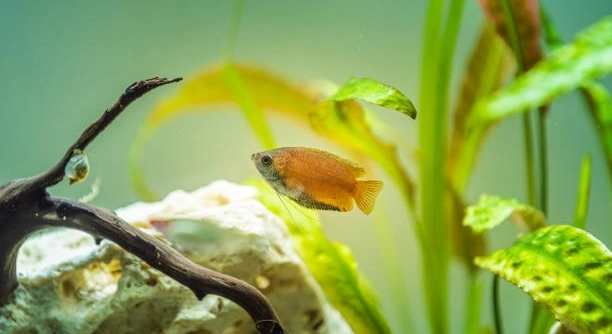
Gouramis are gentle, colorful fish that brighten any aquarium. Observing their behavior and appearance can help ensure they are healthy and happy. Paying attention to subtle signs is key for their well-being.
Thriving gouramis display clear eyes, vibrant coloration, smooth swimming patterns, consistent appetite, active social behavior, healthy fins, and regular breathing. Monitoring these indicators provides reliable evidence of their overall health and environmental comfort.
Noticing these traits can help you maintain a suitable habitat and support your gourami’s long-term happiness in the aquarium.
Bright and Vibrant Colors
Gouramis that are thriving usually show bright, vivid colors that catch your eye immediately. Their scales should look smooth and reflective, without dull or faded patches. Vibrant coloration is a sign of good health, proper nutrition, and a stress-free environment. Changes in water quality, diet, or lighting can affect their colors over time. Regular observation helps you notice if their hues remain consistent. Feeding them a balanced diet with varied nutrients helps maintain these beautiful shades. Healthy fish tend to display natural patterns clearly, without blotches or discoloration. Watching them glide through the tank with their bright colors is always rewarding, as it indicates they are comfortable and active. Their fins, especially dorsal and tail fins, should also retain their vivid tones and show no fraying or damage. Overall, color is a strong, visible indicator that your gourami is thriving and enjoying its habitat.
Vibrant colors in gouramis not only indicate health but also show that they feel safe and secure in their environment.
Maintaining proper water conditions is essential for preserving coloration. Temperature, pH levels, and filtration all play a part. A varied diet with live or frozen foods can boost pigment and overall vitality. Stressors such as sudden changes in water, overcrowding, or aggressive tankmates can dull their colors quickly. Monitoring lighting is also important; too much direct light or inadequate lighting can reduce vibrancy. Ensuring a balanced environment with plants, hiding spots, and clean water will support their natural appearance. Regular observation helps catch any early signs of color loss or illness. Healthy gouramis will display energy, explore the tank, and interact with others, showing bright colors consistently. Color is not just aesthetic—it reflects their overall physical and emotional well-being. Investing time in proper care results in a more vibrant, lively fish that thrives daily in your aquarium.
Smooth and Controlled Swimming
Observing how your gourami swims can tell you a lot about its health. Smooth, fluid movements indicate they are comfortable and not stressed.
Controlled, steady swimming demonstrates strong muscles and proper coordination. When gouramis glide gracefully, it reflects a well-maintained environment. Sudden darting, sluggishness, or floating near the surface can signal problems like poor water quality or illness. A thriving gourami moves around the tank confidently, exploring corners and interacting with other fish without hesitation. The fins spread naturally, not clamped or twitching, showing physical well-being. Balanced swimming patterns also suggest that their internal organs and swim bladder are functioning correctly. Providing enough space, clean water, and proper nutrition supports this behavior. Observing swimming regularly helps spot subtle changes early, allowing corrective measures before serious issues develop. Encouraging gentle activity, such as scattered feeding or rearranging decorations, keeps them active. Ultimately, smooth and controlled swimming is one of the clearest indicators of a gourami that is truly thriving and enjoying its surroundings.
Healthy Appetite
A gourami that eats consistently shows strong health. They eagerly accept both prepared and live foods without hesitation.
Regular feeding patterns reflect digestive health and energy levels. Thriving gouramis approach food quickly, recognizing familiar feeding times. Offering a variety of foods, including flakes, pellets, and occasional live options, keeps their diet balanced. Sudden loss of appetite may indicate stress, poor water conditions, or illness, making observation essential. Feeding smaller portions multiple times a day can encourage activity and prevent overfeeding. A healthy appetite also promotes vibrant coloration and active swimming, further signaling overall well-being. Watching your gourami respond to food is a reliable way to gauge if it is thriving.
Consistency in feeding also reinforces their natural behavior and routines. When they anticipate meals, it shows they feel secure.
Even subtle changes in appetite can provide early warning signs. Over time, consistent observation helps you detect patterns. If a gourami starts refusing food or only nibbles, this may point to water quality issues, parasites, or other stressors. Offering fresh, nutrient-rich foods can restore appetite, while maintaining clean water prevents further problems. Appetite is closely tied to energy, growth, and immunity. By ensuring your gourami eats well, you directly support its physical and emotional health. Tracking eating habits daily allows you to notice small deviations that could develop into larger concerns, helping maintain a thriving, active fish.
Active Social Behavior
Thriving gouramis interact confidently with tankmates and explore their environment freely. They are neither overly shy nor aggressive.
Gouramis that are healthy show curiosity and playfulness. They swim alongside other fish without constant hiding, establishing a comfortable position within the tank. Aggression or withdrawal can indicate stress, disease, or an unsuitable habitat. Providing ample space, plants, and hiding spots allows them to interact naturally while feeling secure. Observing their behavior helps ensure compatibility with other fish and prevents conflicts. Social engagement also stimulates mental activity and reduces boredom. Active interactions reflect not only physical health but also emotional well-being. A balanced environment encourages healthy social patterns and prevents isolation.
Promoting a suitable tank setup supports consistent social behavior. Regular cleaning, stable water parameters, and proper nutrition reinforce positive interactions.
Structured routines, such as feeding at consistent times, enrich social dynamics. When gouramis anticipate meals together, it strengthens group cohesion and reduces stress. Watching them interact with each other and investigate new additions or decorations provides insight into their mental and physical health. Thriving gouramis use the full space of the tank, engaging in swimming patterns, displaying fins, and occasionally sparring gently without harm. Encouraging social behavior through environmental enrichment directly improves overall well-being and ensures that they remain active, alert, and emotionally balanced in their aquarium habitat.
Clear Eyes
Bright, clear eyes indicate a healthy gourami. Cloudy or swollen eyes may signal poor water quality or illness.
Monitoring eye clarity regularly helps detect early health issues. Clear eyes reflect proper nutrition, low stress, and a stable environment, confirming overall well-being.
Intact Fins
Fins should be smooth, fully extended, and free of tears or fraying. Damaged fins may result from aggression, poor water, or infection. Thriving gouramis maintain healthy fins that support proper swimming and balance. Regular observation ensures any minor issues are addressed promptly, preserving mobility and comfort.
Regular Breathing
Gouramis that breathe evenly and calmly are generally healthy. Rapid gill movement or gasping at the surface can indicate stress, poor water conditions, or illness. Maintaining clean water, proper oxygen levels, and stable temperature helps support steady breathing, ensuring the fish remains comfortable and physically fit.
Energetic Movement
Active, purposeful movement throughout the tank signals a thriving gourami. Sluggish or erratic swimming may reflect discomfort, stress, or health problems. Encouraging exploration and providing enough space, along with clean water, ensures your gourami maintains energy levels, balance, and overall vitality.
FAQ
How often should I feed my gourami?
Gouramis do best with small, frequent feedings. Feeding them twice a day with controlled portions ensures they receive enough nutrients without overfeeding. A mix of flakes, pellets, and occasional live or frozen foods provides variety and supports growth, color, and energy levels. Overfeeding can lead to water issues and health problems, so monitoring how much they eat each session is important. Observing their behavior during feeding helps gauge appetite and overall health. Adjust portions based on activity level and the number of fish in the tank, ensuring no food remains uneaten for long periods.
What water conditions are ideal for gouramis?
Stable water parameters are essential. Gouramis thrive in temperatures between 75–82°F (24–28°C) and a pH of 6.5–7.5. Regular water changes and proper filtration maintain clean water and reduce stress. Soft to moderately hard water is preferred. Monitoring ammonia, nitrite, and nitrate levels prevents illness and keeps the fish active. Adding plants and hiding spots creates a natural, comfortable environment. Sudden changes in temperature or water chemistry can stress the fish and affect appetite, coloration, and behavior. Testing water weekly and performing partial water changes helps maintain a consistent, healthy habitat.
Why is my gourami’s color fading?
Fading colors often indicate stress, poor nutrition, or illness. Check water quality, as high ammonia or nitrate levels can dull their natural hues. A balanced diet rich in carotenoids and proteins supports vibrant coloration. Stressors like aggressive tankmates, overcrowding, or inadequate hiding spots can also impact color. Ensuring proper lighting helps maintain natural pigment, but avoid direct sunlight, which can cause algae growth and stress. Observing other signs, such as fin clamping or lethargy, provides additional clues. Addressing environmental and dietary issues promptly can restore color and overall health.
How can I tell if my gourami is stressed?
Signs of stress include rapid breathing, clamped fins, hiding, erratic swimming, or loss of appetite. Stress often arises from poor water quality, overcrowding, incompatible tankmates, or sudden environmental changes. Reducing stress involves maintaining stable water conditions, providing plants and hiding places, and monitoring interactions with other fish. A calm, clean tank encourages natural behavior and helps your gourami thrive. Regular observation allows early detection of stress, preventing it from developing into illness.
Is it normal for gouramis to build bubble nests?
Yes, bubble nest building is natural, especially in males. It indicates comfort and readiness to breed. Even if breeding is not intended, the behavior shows the fish feels secure in its environment. Providing floating plants or calm water surfaces supports this instinct.
What should I do if my gourami stops eating?
Loss of appetite can signal illness, stress, or poor water conditions. Check temperature, pH, and ammonia levels first. Offer a variety of fresh foods to entice eating. Observe for signs of disease like clamped fins, spots, or unusual swimming. Early intervention is crucial for recovery.
Can gouramis live with other fish?
Gouramis are generally peaceful but may show mild aggression if overcrowded. Suitable tankmates include small tetras, rasboras, and peaceful catfish. Avoid fin-nipping species. Providing enough space, hiding spots, and monitoring interactions ensures harmonious cohabitation.
How do I maintain my gourami’s fins and scales?
Regular water maintenance and a balanced diet keep fins strong and scales healthy. Avoid rough decorations that can tear fins. Observing for discoloration or fraying allows quick intervention. Proper nutrition, clean water, and gentle tank setup reduce injuries and infections.
How long do gouramis typically live?
With proper care, gouramis can live 4–6 years or longer. Consistent feeding, clean water, and a stress-free environment contribute to longevity. Monitoring health indicators such as color, swimming, and appetite helps ensure they thrive throughout their lifespan.
What are common signs of illness in gouramis?
Lethargy, clamped fins, faded color, abnormal swimming, and rapid breathing are common illness signs. Early detection through observation and water testing is key. Prompt treatment with appropriate medications and improved tank conditions increases the chance of recovery and maintains overall health.
How do I encourage my gourami to be active?
Providing plants, decorations, and enough swimming space promotes exploration. Regular feeding routines and varying diet types also stimulate activity. Observing their movement and encouraging interaction with the environment helps keep them engaged and healthy.
Gouramis are delicate yet resilient fish that respond clearly to good care. Observing their behavior, appetite, swimming patterns, and physical appearance gives important insight into their overall well-being. By paying attention to details like coloration, fin condition, eye clarity, and breathing, you can identify whether they are thriving or facing stress or illness. Maintaining clean water, stable temperature, and proper filtration forms the foundation of a healthy environment. Small changes in water quality, diet, or tank setup can have a big impact on their health, so consistency is key. A well-maintained tank reduces stress, supports natural behavior, and allows your gourami to display its full vitality.
A balanced diet plays a major role in keeping gouramis healthy. Feeding a mix of high-quality flakes, pellets, and occasional live or frozen foods ensures they get essential nutrients for energy, growth, and coloration. Overfeeding should be avoided, as uneaten food can pollute the tank and create problems with water quality. Monitoring feeding behavior daily helps detect early signs of illness or stress. Appetite is often one of the first indicators that something is off. Supporting their diet with variety also stimulates natural behaviors like foraging and exploring, contributing to both physical and mental health. Watching your gourami respond eagerly to food shows that it feels comfortable and safe in its environment.
Providing a supportive environment goes beyond water quality and diet. Hiding spots, plants, and sufficient swimming space encourage exploration and social interaction while reducing stress. Observing how your gourami interacts with tankmates can reveal whether they feel secure and confident. Smooth swimming, active social behavior, and consistent breathing are all signs that the tank conditions and care routines are meeting their needs. Regular observation, combined with proper maintenance, ensures early detection of potential issues and promotes long-term health. Focusing on these factors allows your gourami to thrive, displaying vibrant colors, strong energy, and natural behaviors that reflect a healthy, comfortable life.

Hello,
If you enjoy the content that we create, please consider saying a "Thank You!" by leaving a tip.
Every little bit helps us continue crafting quality advice that supports the health, happiness, and well-being of pets around the world, for pets of all shapes, sizes, and species.
We really appreciate the kindness and support that you show us!