
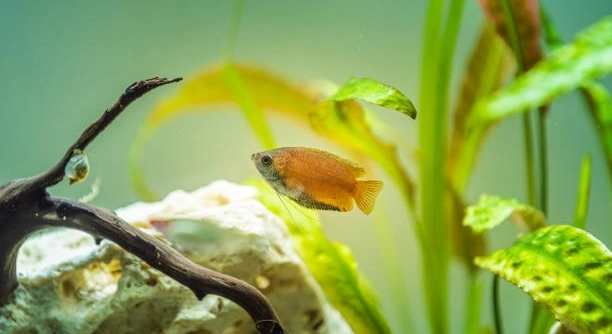
Gouramis are calm, colorful fish that can brighten up any home aquarium. Watching them swim peacefully can be relaxing, but sometimes they may seem less active or lose their usual vibrancy. Observing changes early is important.
Several factors can drain a gourami’s energy, including poor water quality, improper diet, stress from tank mates, inadequate tank size, disease, fluctuating water temperature, and lack of enrichment. Each of these elements directly impacts their health and overall well-being.
Knowing what affects your gourami’s energy can help you make small adjustments in care. Addressing these issues will support their health and keep them active and happy.
Poor Water Quality
Gouramis are sensitive to the water they live in. High levels of ammonia, nitrites, or nitrates can make them weak and lethargic. Even slight changes in pH or hardness may stress them out. Regular water testing and partial water changes are important. Dirty filters or leftover food can quickly affect water quality. It’s easy to underestimate how much small changes can impact their behavior. Maintaining clean water keeps them active and prevents health problems like fin rot or infections. Temperature fluctuations can worsen the situation. Paying attention to water conditions creates a stable environment where gouramis can thrive. Adding live plants or gentle filtration helps maintain water balance naturally. Overfeeding can pollute water faster, so measure portions carefully. Observation is key; if a fish seems sluggish or loses color, water quality is often a primary factor.
Keeping the aquarium clean and balanced ensures that your gourami remains energetic, healthy, and stress-free, reducing the likelihood of illness caused by poor water conditions.
Monitoring water parameters regularly can save a lot of trouble. Simple routines prevent major health issues before they appear.
Improper Diet
Gouramis need a balanced diet to stay strong. Feeding only flakes or pellets can leave gaps in nutrition. Incorporating live or frozen foods like brine shrimp or bloodworms provides protein and stimulates natural hunting instincts. Vegetables like peas or spinach offer fiber and vitamins, helping digestion and overall health. Overfeeding or irregular feeding schedules can make them sluggish. Small, frequent meals are easier for them to digest. Watching their eating habits helps identify health concerns early. Gouramis may refuse food if stressed, so diet should align with their environment. Variety keeps them active and reduces boredom, which is important for mental stimulation. Supplements like vitamin-enriched foods can boost immunity. Nutritional balance influences coloration, growth, and energy. Feeding responsibly helps avoid obesity or water contamination. Observing behavior during feeding gives clues about potential issues. With careful planning, your gourami can remain lively and vibrant.
A proper diet supports energy, coloration, and overall health, ensuring your gourami thrives in the aquarium.
Gouramis are natural omnivores, so a mix of protein, plant matter, and occasional treats works best. Avoid overreliance on one food type. Rotating food types weekly keeps them engaged. Live foods improve hunting instincts and activity levels. Preparing small portions avoids leftover waste that can spoil water quality. Introducing vegetables like zucchini or lettuce supports digestion and vitamin intake. Frozen or freeze-dried foods are convenient alternatives that still provide essential nutrients. Feeding at consistent times reduces stress and encourages regular activity. Avoid feeding directly after water changes, as sudden environmental changes can make them refuse food. Observing appetite changes helps detect early illness. A balanced diet combined with clean water and a peaceful tank ensures a long, healthy life for your gourami.
Stress from Tank Mates
Aggressive or overly active fish can stress gouramis, making them hide or eat less. Peaceful, compatible species reduce tension and support natural behavior, while overcrowding increases competition for space and food.
Stress affects gouramis in multiple ways. They may swim erratically, lose color, or stop eating altogether. Even subtle bullying from faster fish can cause anxiety, leading to weakened immunity. Providing hiding spots like plants or decorations helps them feel secure. Separating aggressive individuals and monitoring interactions is crucial. Observing how gouramis respond to new tank mates before permanent introduction prevents ongoing stress. Small adjustments, such as spacing or rearranging decorations, can restore calm. Stress management is key to keeping gouramis healthy and active.
Consistent monitoring and a thoughtful tank setup ensure gouramis coexist peacefully. Avoid sudden changes in the tank that might increase tension, and maintain a calm environment.
Inadequate Tank Size
A small or crowded tank limits movement, making gouramis lethargic and prone to health problems. Each fish needs sufficient space to swim freely and establish territory.
Gouramis require a minimum tank size that matches their species. Dwarf gouramis can manage in smaller aquariums, but larger varieties need more room. Crowding increases stress and promotes disease spread. Plants and decorations provide structure but should not restrict swimming space. Maintaining proper stocking density and allowing each fish enough room to explore ensures physical and mental well-being. Overcrowding often results in competition for food and dominance struggles. Adjusting tank size or reducing population density helps gouramis regain normal activity.
Providing enough space encourages natural swimming patterns, reduces stress, and supports overall health. Tank size directly influences energy levels and longevity.
Fluctuating Water Temperature
Sudden changes in water temperature can make gouramis weak and stressed. Keeping the temperature stable is crucial for their health and activity.
Gouramis are tropical fish and thrive in consistent temperatures, usually between 74°F and 82°F. Rapid shifts from heaters, room temperature changes, or inadequate filtration can cause illness. Using a reliable heater and thermometer helps maintain stability. Avoid placing the tank near windows or vents that cause temperature swings. Stable water temperature supports metabolism, digestion, and immune function. Regular checks ensure they remain comfortable and energetic, preventing stress-related behaviors or disease.
Disease and Parasites
Illnesses and parasites drain gouramis’ energy and affect their appetite, color, and movement. Early detection is essential for treatment and recovery.
Lack of Enrichment
Gouramis need hiding spots, plants, and areas to explore. A bare tank can make them bored and inactive.
FAQ
Why is my gourami constantly hiding?
Hiding is often a sign of stress, illness, or an unsuitable tank environment. Check water quality, tank mates, and temperature. Providing plants, decorations, or caves can make them feel secure. Over time, they may become more confident as the environment stabilizes.
Why does my gourami refuse food?
Refusal to eat can indicate stress, poor water quality, illness, or an unbalanced diet. Make sure water parameters are stable and offer a variety of foods like flakes, pellets, or live and frozen options. Small, frequent meals encourage eating. Monitor for other symptoms like color fading or lethargy.
Why is my gourami losing color?
Color fading can result from stress, poor diet, or illness. Ensure proper nutrition with protein and vegetables, maintain clean water, and reduce tank stressors. Healthy gouramis regain their natural coloration when the environment and care improve.
Why is my gourami swimming erratically?
Erratic swimming may be caused by poor water conditions, stress from tank mates, or disease. Test water for ammonia, nitrites, and pH levels. Observe interactions with other fish and adjust tank setup if necessary. Early action prevents long-term health issues.
Can gouramis live with other fish?
Gouramis are generally peaceful but can be territorial. Avoid aggressive or fin-nipping species. Suitable tank mates include small tetras, rasboras, and peaceful bottom dwellers. Always monitor new introductions and provide hiding spaces to reduce stress.
Why does my gourami breathe rapidly at the surface?
Rapid surface breathing often indicates low oxygen levels or high ammonia in the tank. Improve aeration with a filter, air stone, or water movement. Test water quality and perform partial water changes to restore a safe environment.
How often should I clean the gourami tank?
Regular maintenance is key. Partial water changes of 20–30% weekly help keep water clean. Clean filters and remove leftover food or debris to prevent toxins. Avoid full water changes unless necessary, as sudden shifts can stress fish.
Why is my gourami’s fin deteriorating?
Fin deterioration can be caused by fin rot, aggression, or poor water quality. Ensure clean water, balanced diet, and peaceful tank mates. Treat bacterial or fungal infections promptly with suitable medications. Observing behavior helps identify underlying causes.
How can I reduce stress for my gourami?
Stress can come from overcrowding, aggressive fish, poor water, or rapid changes. Provide hiding spots, stable water conditions, and compatible tank mates. Maintain a calm environment with regular routines to keep gouramis healthy and active.
What should I do if my gourami looks sick?
Observe symptoms like color fading, clamped fins, or lethargy. Test water quality, isolate if needed, and consult fish care resources or a veterinarian for treatment. Early intervention improves recovery chances.
Can diet alone improve my gourami’s energy?
A balanced diet supports energy, immune function, and coloration, but it must be paired with clean water, proper tank size, and low-stress conditions. Combining these factors ensures overall well-being.
Is it normal for gouramis to be inactive sometimes?
Yes, occasional rest is normal, especially at night. Persistent lethargy may indicate stress, illness, or environmental issues. Monitoring behavior over time helps determine if intervention is needed.
How do I know if my gourami is happy?
Active swimming, bright coloration, healthy appetite, and interaction with the environment are signs of a content gourami. Providing enrichment, proper diet, and stable water encourages natural behaviors and overall vitality.
What plants are best for gourami tanks?
Live plants like Java fern, Anubias, and floating plants offer hiding spots, improve water quality, and reduce stress. They also provide natural enrichment and a sense of security, promoting healthier, more active fish.
Can temperature changes harm gouramis?
Yes, sudden or frequent temperature changes weaken their immune system and cause stress. Maintain a stable temperature with a reliable heater and monitor daily for consistency to prevent health issues.
How do I prevent disease in gouramis?
Clean water, proper diet, suitable tank mates, and consistent monitoring reduce disease risks. Quarantine new fish before adding them to the main tank. Early detection and treatment prevent minor issues from becoming serious problems.
How long do gouramis live?
With proper care, gouramis can live 4–6 years, sometimes longer. Lifespan depends on water quality, diet, stress levels, and overall tank environment. Meeting their needs ensures a full, healthy life.
Why does my gourami nibble on plants?
Nibbling is natural behavior, usually harmless. It provides fiber and mental stimulation. Ensure a balanced diet so it doesn’t overeat plants, and offer a variety of foods to satisfy nutritional needs.
How can I encourage my gourami to be more active?
Provide live or floating plants, decorations, and occasional live or frozen foods to stimulate hunting behavior. Maintain a stable, calm environment and regular feeding schedule to promote natural activity levels.
What is the best way to introduce a new gourami?
Quarantine new fish first, then slowly acclimate them to the tank’s temperature and water chemistry. Observe interactions with existing fish, provide hiding spots, and rearrange decorations to reduce territorial stress and ensure a smooth introduction.
Taking care of gouramis requires attention to several small but important details. Their health and energy are closely tied to water quality, diet, and the environment around them. Clean water is essential, and even small fluctuations in pH, temperature, or ammonia levels can make a gourami weak or stressed. Regular testing and partial water changes keep their tank safe and stable. Using a reliable filter and keeping leftover food or debris under control also helps maintain a healthy space for your fish. Over time, maintaining these habits creates a steady routine that benefits both the gourami and the overall tank environment.
Diet plays an equally important role in a gourami’s well-being. Feeding a mix of flakes, pellets, and occasional live or frozen foods provides the protein, vitamins, and minerals they need. Adding vegetables like peas or spinach supports digestion and overall health. Overfeeding or irregular feeding schedules can cause digestive issues and water contamination, which in turn affects the fish’s energy. Observing your gourami’s appetite and color can help you spot problems early. Small, consistent adjustments in feeding habits often result in noticeable improvements in activity, coloration, and behavior. Providing a balanced diet is one of the simplest ways to prevent issues and maintain a lively, vibrant fish.
The tank environment also influences how your gourami behaves. Overcrowding, aggressive tank mates, or lack of hiding spots can cause stress, which impacts health and energy. Providing plants, decorations, or caves gives them a sense of security and reduces anxiety. Stable water temperature and a calm atmosphere help prevent illness and support natural behaviors. Watching how your gourami interacts with its surroundings can give important clues about what needs to change. Attention to these details ensures your gourami lives a healthy, active, and long life. Small adjustments, combined with proper diet and water care, go a long way toward keeping your gourami happy and thriving in its home.

Hello,
If you enjoy the content that we create, please consider saying a "Thank You!" by leaving a tip.
Every little bit helps us continue crafting quality advice that supports the health, happiness, and well-being of pets around the world, for pets of all shapes, sizes, and species.
We really appreciate the kindness and support that you show us!