
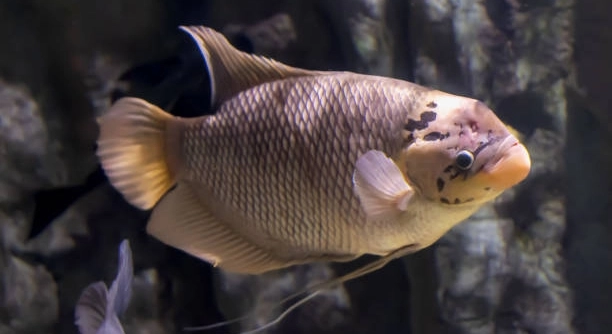
Do you notice your gourami acting sluggish or hovering near the surface, creating concern about its comfort and health in the aquarium environment at home during daily observation routines with unexpected behavioral changes appearing suddenly?
The primary reason a gourami lacks sufficient air is restricted access to the water surface, often caused by poor circulation, overcrowding, or inadequate tank maintenance, which limits oxygen exchange and prevents proper use of the labyrinth organ for normal breathing.
Recognizing these warning signs early supports better care decisions and helps maintain stable conditions for long-term gourami wellbeing and vitality.
Surface Gasping and Restless Swimming
I first noticed something was off when my gourami spent most of its time near the surface instead of exploring the tank. Limited oxygen often pushes gouramis upward because they rely on surface air to breathe properly. When access is reduced, stress builds quickly. Poor water movement, floating plants, or debris can block their path to fresh air. Over time, this constant effort to breathe can weaken the fish and disrupt normal behavior. You may also notice pacing along the glass or sudden bursts of movement. These actions are not random. They are signs of discomfort and increased effort to meet basic breathing needs. Addressing surface access early helps reduce strain and restores calmer swimming patterns that signal better overall tank balance. In my experience, these changes often appear gradually, making daily observation important for noticing subtle shifts before serious health decline occurs within confined home aquariums with limited space.
Surface gasping is often paired with clamped fins and faded coloration. These physical changes reflect ongoing stress and reduced oxygen intake. Once breathing becomes difficult, energy levels drop, and the gourami conserves movement to cope with its surroundings. This pattern rarely improves without adjusting tank conditions promptly and monitoring airflow.
Watching a gourami struggle at the surface can feel discouraging, especially when the tank looks clean. Oxygen issues are not always visible. Warm water, still surfaces, and crowded setups quietly reduce available air. Gouramis depend on calm access to the surface, not constant effort. Improving circulation and clearing floating obstacles often brings noticeable relief. After small adjustments, swimming usually becomes smoother and more confident. This change is a clear signal that breathing has become easier. Maintaining this balance supports steady activity levels and helps prevent long-term stress related problems in sensitive species kept indoors under artificial lighting conditions daily routines.
Lethargy and Reduced Appetite
Lack of oxygen often leads to low energy and poor feeding habits. When breathing requires extra effort, gouramis prioritize survival over activity. Skipped meals and long resting periods are common signs that the tank environment is no longer meeting basic respiratory needs for sustained health and proper daily function levels.
I have learned that a quiet gourami resting at the bottom is not always relaxed. Reduced oxygen slows metabolism, which affects digestion and appetite. Food may be ignored or taken and then spit out. This is the body conserving energy. Over time, muscle tone weakens, and responsiveness fades. The fish may react slowly to movement outside the tank. Poor aeration also allows waste to build up, which further stresses breathing. Improving air exchange often restores interest in food within days. Gentle water flow, stable temperatures, and regular maintenance make a noticeable difference. Observing feeding behavior daily helps track recovery. Consistent improvement shows the environment is supporting proper respiration again. In smaller tanks, oxygen depletion happens faster, especially overnight. Plants and fish both consume oxygen in darkness. Without surface movement, levels drop steadily. This can explain morning lethargy. Adjusting stocking levels and avoiding overfeeding reduces strain. I found that simple changes create steady improvement. Clear breathing, steady posture, and renewed appetite signal that conditions are finally balanced for long-term stability. Maintaining these habits supports consistent oxygen availability and prevents recurring stress signs over time in sensitive gourami species kept in enclosed aquariums with limited surface agitation and minimal equipment support systems.
Rapid Gill Movement
Rapid gill movement is a clear physical sign of breathing strain in gouramis. When oxygen is limited, gills work harder to pull air from the water. This constant motion often appears alongside surface hovering and reduced calm swimming behavior over extended periods without relief or environmental improvement efforts within tanks.
I noticed this change before any other symptom appeared in my tank. The gills moved quickly even when the fish was resting. This indicates the body is compensating for poor oxygen availability. Causes often include high temperatures, waste buildup, or minimal surface agitation. Warm water holds less oxygen, making breathing more difficult. As demand increases, gill tissues become stressed. Prolonged strain weakens the immune response and leaves gouramis vulnerable. Correcting airflow and stabilizing water parameters reduces gill effort. Once oxygen levels improve, gill movement slows and breathing becomes steady again with consistent maintenance and observation over time at home aquariums.
This symptom should never be ignored because it rarely resolves on its own. Fast gill movement means the fish is under constant physical stress. Energy normally used for growth and activity is redirected toward breathing. Appetite often declines soon after. Over time, this imbalance affects coloration and posture. I found that improving circulation helped quickly. Removing surface film and adjusting filters increased oxygen exchange. Stable temperatures prevented repeated stress. Regular testing ensures conditions remain supportive. Addressing gill strain early protects long-term health and reduces the risk of secondary problems developing quietly in enclosed aquarium systems with limited water volume setups.
Faded Color and Weak Posture
Color loss and slouched posture often follow ongoing oxygen shortage. Gouramis rely on steady oxygen to maintain muscle tone and pigmentation. When levels drop, the body conserves resources. Colors appear dull, and fins may droop. This change is gradual and easy to miss during busy routines. I noticed it only after comparing older photos and daily behavior patterns over several weeks in my home aquarium setup without obvious warning signs present initially at all times.
When oxygen remains low, muscles receive less energy, affecting balance and strength. Gouramis may tilt slightly or rest against objects. This posture reflects fatigue rather than comfort. Reduced oxygen also interferes with pigment cells, causing washed out coloration. These changes signal prolonged environmental stress. Improving aeration restores circulation and supports muscle recovery. I found that posture improved before color returned. This gradual reversal is normal. Consistency matters more than sudden changes. Clean water, open surface access, and stable stocking levels support oxygen balance. Monitoring color and posture together gives a clearer picture of recovery. When both improve, breathing demands are easing, and overall resilience increases within confined aquarium conditions maintained daily through careful observation and simple equipment adjustments over extended care periods at home tanks.
Difficulty Using the Labyrinth Organ
Labyrinth breathing becomes strained when surface access is limited. Gouramis rely on this organ to gulp air. When blocked by floating plants or lids, breathing efficiency drops. This forces repeated trips upward, increasing stress and reducing the ability to rest comfortably within confined tank environments during daily aquarium conditions maintenance.
I learned this issue quickly after adding extra plants. The surface closed off more than expected. My gourami hovered constantly and stopped settling mid tank. Clearing space restored calmer movement. Easy access to air allowed normal breathing patterns to return without further visible stress signs over time with simple adjustments.
Erratic and Panicked Swimming
Erratic swimming often follows oxygen decline and shows clear discomfort. Gouramis may dart suddenly, crash into decor, or struggle to maintain balance. These movements reflect panic rather than play. I noticed this behavior increased during warmer days. Higher temperatures reduce oxygen availability. Combined with still water, this creates constant strain. Improving circulation steadied swimming patterns within hours. Once breathing eased, movement became smooth again. Erratic swimming is exhausting and unsustainable. Addressing oxygen supply prevents injuries and supports calmer behavior long term in closed aquarium systems with limited volume and minimal surface agitation from basic equipment setups commonly used at home.
Unusual Resting Positions
Unusual resting positions can signal breathing fatigue. Gouramis may lean, tilt, or press against surfaces. This is not comfort. I observed this after nights with low circulation. Rest improves once oxygen stabilizes. Upright posture returning is a reliable sign that respiratory strain has eased and overall stability improves steadily again.
FAQ
How can I tell if my gourami is not getting enough air?
You can look for surface gasping, rapid gill movement, erratic swimming, faded color, and unusual resting positions. Lethargy and reduced appetite are also common. I noticed these signs gradually in my tank, often during warmer days or when the surface was partially blocked. Observing daily behavior is key to identifying oxygen issues early.
What causes low oxygen levels in a gourami tank?
Low oxygen can result from overcrowding, poor water circulation, excessive floating plants, high temperatures, or insufficient maintenance. Warm water holds less oxygen, while debris and overfeeding increase waste, further reducing oxygen availability. I experienced this when I added extra decor and noticed increased surface hovering and fatigue.
Can tank size affect oxygen levels?
Yes, smaller tanks are more prone to low oxygen because there is less surface area for gas exchange. Overcrowding exacerbates the issue. I found that even a small adjustment in stocking levels helped improve oxygen availability, reducing stress and restoring calmer behavior in my gouramis.
How does temperature influence oxygen availability?
Higher temperatures decrease the amount of oxygen water can hold. During summer or heater use, I noticed my gouramis became more restless and moved rapidly near the surface. Keeping water at stable, moderate temperatures helps maintain sufficient oxygen levels, reducing respiratory strain and supporting normal activity.
What is the role of the labyrinth organ?
Gouramis have a labyrinth organ that allows them to breathe air from the surface. If access is blocked, they struggle to get enough oxygen, which increases gill movement and surface gasping. I observed this when floating plants partially covered the surface. Clearing space immediately improved breathing and movement.
How can I improve oxygen levels in my tank?
Adding an air pump, increasing water circulation, and removing surface obstructions can help. I also reduced excess plants and avoided overfeeding. These adjustments restored calmer swimming and normal breathing patterns within a few days. Consistency in maintenance is important to keep oxygen levels stable long term.
Are some gourami species more sensitive to low oxygen?
Yes, smaller gouramis and certain color morphs may show signs of oxygen deficiency faster than others. I noticed that dwarf gouramis in my tank reacted sooner, displaying rapid gill movement and faded color, while larger specimens were slower to show signs but eventually needed the same care adjustments.
How long does it take for a gourami to recover once oxygen levels improve?
Recovery time varies but can range from a few hours to several days, depending on severity. I found that posture and swimming behavior improve first, followed by appetite and coloration. Steady maintenance and monitoring ensure a smoother, sustained recovery.
Can poor water quality make oxygen problems worse?
Absolutely. Waste buildup increases ammonia and decreases oxygen availability. I experienced this when I delayed water changes. Cleaning the tank and maintaining proper filtration improved oxygen levels quickly, and the gouramis returned to calm, normal behavior within a few days.
Is it normal for gouramis to occasionally breathe at the surface?
Yes, occasional surface breathing is natural due to their labyrinth organ. It becomes concerning only when combined with rapid gill movement, lethargy, or erratic swimming. I noticed that small, occasional gulps were fine, but continuous surface hovering indicated oxygen deficiency and required immediate action.
How can I prevent oxygen deficiency in the future?
Maintain stable water conditions, avoid overcrowding, monitor temperature, and ensure surface access. Regular cleaning and proper aeration prevent recurring problems. From personal experience, small daily checks of behavior and tank conditions reduce stress and support long-term health.
What are the long-term effects of chronic low oxygen?
Prolonged oxygen deficiency weakens the immune system, slows growth, reduces coloration, and increases susceptibility to disease. I observed that untreated oxygen issues led to faded color and fatigue. Timely intervention and consistent maintenance prevent these problems and support vitality over months and years in a home aquarium.
Can adding plants cause oxygen problems?
Excessive floating plants can block the surface, limiting access to air. I experienced this firsthand when my gouramis hovered continuously. Removing or thinning plants restored breathing and reduced stress. Proper plant placement supports both oxygen exchange and tank aesthetics without compromising health.
Are there signs that indicate improvement?
Calmer swimming, normal gill movement, upright resting posture, renewed appetite, and brighter coloration all indicate recovery. I tracked these changes daily, noting posture improvement first, then appetite and finally color. Consistent care reinforces these signs and prevents relapse in sensitive species like gouramis.
Do I need special equipment to maintain oxygen levels?
Not always, but air pumps, surface agitation devices, or gentle filters make it easier to maintain stable oxygen. I found that simple adjustments to circulation and careful plant placement were sufficient in my small tank, though larger setups may require additional equipment to prevent recurring oxygen issues.
Final Thoughts
Monitoring your gourami’s behavior daily is essential for maintaining a healthy aquarium environment. Changes in swimming patterns, surface gasping, or reduced appetite can be early signs of low oxygen levels. I learned over time that subtle shifts often appear before major health problems. Paying attention to these details allows for quick action, preventing prolonged stress. Consistency in observing behavior, checking water conditions, and maintaining equipment ensures that your gouramis remain active and comfortable. Even small adjustments, such as removing floating obstacles or improving water flow, can make a significant difference in oxygen availability and overall wellbeing.
Proper tank maintenance plays a major role in preventing oxygen-related issues. Regular water changes, cleaning filters, and monitoring water temperature help maintain stable conditions. Warm water and high waste levels can reduce oxygen availability quickly, causing stress and lethargy. I noticed that even a clean-looking tank could have hidden oxygen problems if circulation was poor or plants blocked the surface. Ensuring surface access is unobstructed and providing gentle water movement supports breathing and reduces fatigue. Overcrowding should also be avoided, as more fish compete for limited oxygen, increasing the likelihood of respiratory strain. Simple steps, when applied consistently, keep the tank balanced and prevent recurring problems that may otherwise go unnoticed.
Recovery from oxygen deficiency depends on timely intervention and consistent care. Once access to the surface is restored and circulation is improved, behaviors such as erratic swimming and rapid gill movement gradually return to normal. I observed that posture improves first, followed by appetite and coloration, indicating a return to steady respiration. Maintaining stable conditions over time helps prevent future stress episodes and supports long-term health. Observing subtle changes and responding promptly not only protects your gouramis’ physical health but also ensures they remain active, vibrant, and resilient. Consistency, observation, and proper tank management create an environment where gouramis can thrive comfortably in home aquariums for many years.

Hello,
If you enjoy the content that we create, please consider saying a "Thank You!" by leaving a tip.
Every little bit helps us continue crafting quality advice that supports the health, happiness, and well-being of pets around the world, for pets of all shapes, sizes, and species.
We really appreciate the kindness and support that you show us!