
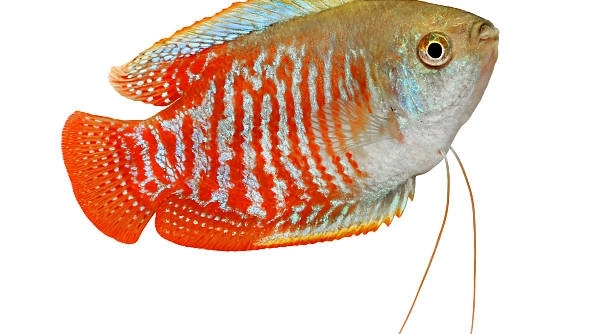
Do you ever notice your gourami keeping to itself, drifting calmly while other fish interact, creating a quiet presence that feels distant and puzzling within an otherwise active and social aquarium setting at home tanks.
A gourami ignoring tank mates is most commonly linked to natural temperament, environmental stress, or unsuitable tank conditions. Factors such as territory preference, water parameters, stocking levels, and limited enrichment can reduce social interaction without indicating illness or immediate danger.
By examining behavior patterns and tank setup details, subtle clues emerge that explain isolation and guide practical, effective adjustments ahead.
Natural Behavior and Personality
Some gouramis are naturally reserved fish that prefer calm observation over constant interaction. I have noticed this behavior is more common in adults that feel secure in their space. They often choose one area of the tank and remain there for long periods. This does not always signal stress or discomfort. In many cases, it reflects a stable environment where the fish does not feel pressured to compete. Gouramis are also labyrinth fish, meaning they surface for air and rest often. This routine can appear like withdrawal. Tank lighting, décor, and noise around the aquarium can further shape this behavior. A quieter setup often encourages stillness rather than activity. When basic needs are met, solitude can simply be a sign of comfort and balance within the tank. As a keeper, learning these patterns helped me stop worrying and focus on maintaining consistency instead through steady care and observation daily habits.
Personality differences are often overlooked when assessing fish behavior. Some gouramis are simply less social by nature. This trait becomes clearer when the fish eats well, shows healthy coloration, and responds normally during feeding times. In such cases, isolation does not equal neglect or poor welfare within home aquariums settings.
Behavior should always be viewed alongside tank conditions. Water temperature, filtration flow, and tank size play a quiet but important role. I learned that strong currents often push gouramis into resting spots. Crowded tanks also reduce movement, especially for peaceful species. A lack of hiding spaces can cause a fish to stay still to avoid attention. On the other hand, too many decorations may limit swimming paths. Observing when your gourami moves most can reveal patterns tied to lighting cycles or feeding schedules. These details help separate normal calm behavior from signs that require adjustment before unnecessary concern sets in.
When Isolation Signals a Problem
While solitude is often normal, consistent withdrawal can sometimes reflect stress. Changes in behavior deserve attention when paired with appetite loss, faded color, or erratic movement. These signs suggest the environment may no longer meet the gourami needs adequately and should be addressed calmly and methodically by the keeper promptly.
Environmental stress is one of the most common reasons a gourami distances itself from others. Poor water quality, fluctuating temperatures, or improper pH levels place constant pressure on the fish. I have found that even small changes can alter behavior noticeably. Aggressive tank mates also play a role. Fin nipping or persistent chasing encourages avoidance and stillness. Feeding competition may cause a gourami to wait until others finish, appearing detached. Tank layout matters as well. Limited surface access can disrupt breathing routines, while bright lighting may increase anxiety. Regular testing, stable maintenance schedules, and thoughtful stocking choices reduce these risks. Observing interactions after changes is essential. Isolation that worsens over time should never be ignored. Addressing stress early protects long term health and restores natural movement patterns within the aquarium. I personally adjust one factor at a time to track results clearly. Water changes, added plants, or reduced tank traffic often help. Patience is critical, since improvement may be gradual. Consistent observation builds confidence and prevents unnecessary interventions that could increase stress rather than resolve it fully. Careful notes and restraint have saved me from making harmful adjustments many times when concern felt urgent but proved temporary after observation periods.
Tank Environment and Daily Conditions
Tank setup plays a direct role in how active a gourami feels throughout the day. Limited swimming space, poor surface access, or uneven decoration placement can quietly encourage isolation even when the fish appears physically healthy and continues eating normally within the aquarium environment over time for many keepers overall.
I learned that gouramis prefer clear territories with gentle flow and predictable paths. Strong currents often force them into corners, reducing interaction. Decorations should provide cover without blocking movement. Plants near the surface help them feel secure while breathing comfortably. When layouts are cramped, gouramis conserve energy instead of exploring. Tank size matters more than decoration density. A longer tank supports calm swimming patterns better than tall designs. Rearranging décor gradually avoids sudden stress. Each small adjustment should be observed for several days. Activity changes often appear subtle before becoming consistent with patience and careful attention from the keeper side.
Lighting and noise around the tank also influence behavior more than expected. Bright lights for long periods can push gouramis into stillness. I noticed calmer movement after reducing intensity and adding floating plants. External vibrations from televisions or foot traffic create constant disturbance. Gouramis respond by staying motionless to avoid attention. Consistent day and night cycles support natural rhythms. Sudden changes confuse resting patterns. Even frequent tapping on glass affects trust. Stability across these details encourages gradual engagement without forcing interaction or causing additional stress over time while maintaining comfort and predictability for sensitive fish species in home aquariums everywhere.
Feeding Patterns and Social Confidence
Feeding routines can quietly shape social behavior within the tank. Gouramis that feel rushed or challenged may withdraw during active feeding times. I have seen them wait until others finish before approaching food. This pattern creates the impression of disinterest. Ensuring slow sinking foods and multiple feeding spots reduces pressure and supports calmer participation without competition and allows confidence to rebuild gradually over repeated meals with consistent timing and observation from the caretaker daily routine.
Stress from feeding often overlaps with health concerns, making observation essential. A gourami that isolates yet eats well usually signals comfort, not decline. However, skipped meals combined with hiding deserve action. I track feeding responses closely because appetite changes appear early. Offering variety helps maintain interest without overfeeding. Frozen, live, and quality pellets each serve a purpose. Feeding at the same location builds predictability. Removing uneaten food protects water quality and reduces tension. When feeding becomes calm and reliable, social behavior often improves naturally. Small routine changes tend to restore confidence more effectively than drastic interventions. Over time, these habits support stability and help the fish feel secure daily without pressure from tank mates or sudden environmental shifts that disrupt established feeding patterns and routines.
Health Checks and Subtle Signs
Physical health should never be overlooked when a gourami keeps to itself. Clamped fins, pale color, or labored breathing often appear alongside isolation. I always watch movement closely during quiet hours, since early symptoms tend to show when the tank settles and activity naturally slows down in those moments clearly.
Internal issues can also affect behavior without visible marks. Parasites, digestive trouble, or swim bladder discomfort may reduce energy levels. I rely on consistency to spot change, comparing daily posture and appetite. Any steady decline signals a need for closer monitoring and possible treatment adjustments over time at home carefully.
Tank Mate Dynamics
Social structure inside the tank strongly shapes a gourami comfort level. Even peaceful fish establish hierarchy through spacing and movement. A dominant swimmer can quietly control surface access, forcing others into isolation. I learned this after rearranging stocking order and watching behavior shift. Gouramis often avoid constant visual contact rather than physical conflict. Tall decorations can block sightlines and reduce tension. Overstocking increases competition, even without aggression. Matching temperaments matters more than species labels. Removing one persistent chaser can restore balance quickly. Observation during feeding and resting periods reveals pressure patterns that remain hidden during brief daytime checks only moments.
When to Intervene
Intervention becomes necessary when isolation worsens or combines with clear decline. I step in when hiding replaces normal routines for several days. Simple actions like testing water, adjusting layout, or separating aggressive fish often correct the issue before health deteriorates further and prevents long term stress buildup inside the tank.
FAQ
Why does my gourami stay alone even when other fish are active?
Gouramis often prefer calm spaces and may choose solitude when they feel secure. This behavior is common in tanks with stable water conditions and predictable routines. I have seen gouramis settle into one favored area and remain there for most of the day. As long as the fish eats well, breathes normally, and shows steady color, this isolation is usually not a concern. Personality plays a strong role, and some individuals are simply less social than others.
Is it normal for a gourami to ignore new tank mates?
Yes, this can be normal. Gouramis do not always adjust quickly to changes in their surroundings. When new fish are introduced, some gouramis respond by withdrawing rather than engaging. I give them time to observe before expecting interaction. This adjustment period can last several days or even weeks. Stability during this time is important, as frequent changes can prolong withdrawal.
Can tank size cause my gourami to isolate itself?
Tank size has a direct effect on behavior. Smaller tanks limit swimming paths and reduce comfort, especially for territorial fish. I noticed improved movement after upgrading to a longer tank rather than a taller one. Limited space often leads gouramis to conserve energy and remain still. Adequate room supports natural exploration and relaxed movement.
Does water quality affect social behavior?
Absolutely. Poor water quality creates constant stress that reduces activity. Even slight ammonia or nitrite presence can change behavior before physical signs appear. I test water regularly because isolation is often one of the first indicators of imbalance. Clean, stable water encourages normal movement and engagement without forcing interaction.
Why does my gourami hide during feeding time?
This usually relates to competition or stress. Faster fish can intimidate gouramis without direct contact. I have seen gouramis wait until others finish before approaching food. Offering sinking foods and spreading feeding spots helps reduce pressure. Feeding calmly and consistently builds confidence over time.
Can lighting make my gourami less active?
Yes, lighting plays a larger role than many realize. Bright lights can push gouramis into hiding or stillness. I noticed better movement after reducing intensity and adding floating plants. Consistent light schedules help maintain natural rhythms. Sudden changes often cause withdrawal.
Should I be worried if my gourami stays near the surface alone?
Not always. Gouramis are labyrinth fish and need surface access for breathing. Staying near the top can simply mean comfort. I watch for balance issues or labored breathing. If surface resting is calm and consistent, it is usually normal behavior rather than distress.
How long should I wait before intervening?
Time matters, but so does observation. I usually monitor behavior for several days while checking water and feeding habits. If isolation worsens or combines with appetite loss, action becomes necessary. Small adjustments should come before major changes. Patience often prevents unnecessary stress.
Can tank mates be the reason without obvious aggression?
Yes, subtle pressure matters. Some fish control space through movement alone. Gouramis may avoid these fish without being chased. I have seen behavior improve after rearranging décor to block sightlines. Social stress is not always visible but still affects comfort.
Does age affect how social a gourami is?
Age can influence behavior. Younger gouramis are often more curious, while adults tend to settle into routines. I noticed older gouramis rest more and interact less without health issues. This shift is natural and does not always signal a problem.
Is isolation a sign of illness?
It can be, but context matters. Isolation paired with clamped fins, fading color, or irregular swimming should be taken seriously. I compare daily behavior to spot changes early. When isolation appears alone, it is often environmental or personality based.
What is the best first step if I am concerned?
I always start with testing water and observing feeding. These two factors reveal a lot. Making slow, controlled changes prevents added stress. In many cases, stability restores natural behavior without further intervention.
Final Thoughts
Watching a gourami keep to itself can feel unsettling, especially when the rest of the tank appears active and social. Over time, I learned that isolation does not always signal a problem. Many gouramis value calm over constant movement. They often choose familiarity, routine, and quiet spaces instead of interaction. When water conditions remain stable, feeding is consistent, and the environment feels predictable, solitude can reflect comfort rather than distress. Fish behavior does not follow the same expectations we place on pets that seek attention. Gouramis communicate wellbeing through subtle cues such as steady breathing, relaxed fins, and consistent appetite. Recognizing these signs helps reduce unnecessary concern. Patience becomes an important part of responsible care. Rushing to change conditions without clear warning signs can introduce stress where none existed. Observing patterns over time offers more clarity than reacting to a single day of quiet behavior.
At the same time, isolation should never be dismissed entirely. Context matters. A gourami that gradually withdraws, eats less, or shows physical changes deserves closer attention. I found that small adjustments often make the biggest difference. Improving water quality, reducing lighting intensity, adjusting feeding routines, or rearranging decorations can restore confidence without drastic measures. Many issues develop slowly and resolve the same way. Tracking changes helps separate personality from stress. Each aquarium is its own system, shaped by tank size, layout, stocking choices, and daily habits. No single solution fits every setup. What works in one tank may not work in another. This is why consistent observation is more valuable than quick fixes. Stability builds trust within the environment, allowing the fish to behave naturally without pressure. Even small improvements compound over time when changes are intentional and measured.
Ultimately, keeping gouramis healthy requires balance between action and restraint. Understanding their natural tendencies helps align expectations with reality. Not every fish seeks company, and not every quiet moment signals trouble. I learned to focus less on comparison and more on individual behavior. A gourami that feels secure will show it in subtle ways, even while remaining apart from others. Providing clean water, appropriate space, thoughtful tank mates, and predictable routines creates the foundation for long term wellbeing. When those needs are met, behavior often settles into a steady rhythm. Accepting that rhythm allows caretakers to respond with confidence instead of worry. Over time, this approach builds a calmer experience for both the fish and the person caring for it.

Hello,
If you enjoy the content that we create, please consider saying a "Thank You!" by leaving a tip.
Every little bit helps us continue crafting quality advice that supports the health, happiness, and well-being of pets around the world, for pets of all shapes, sizes, and species.
We really appreciate the kindness and support that you show us!