
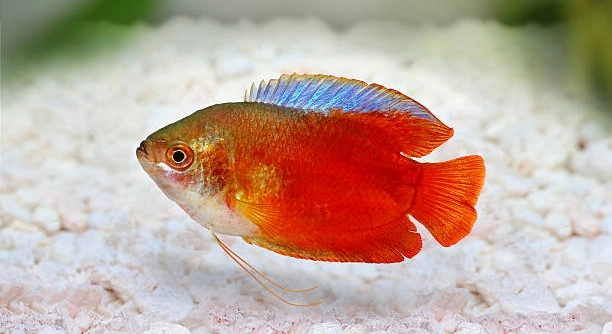
Gouramis are beautiful, peaceful fish that thrive in well-organized aquariums. Their natural behaviors include exploring and claiming territories. Providing proper space is essential to ensure they feel secure, comfortable, and less stressed in their environment.
Giving gouramis more control of their space involves arranging the tank to include distinct areas, hiding spots, and visual boundaries. Using plants, decorations, and varied structures allows them to establish territories and reduces conflicts while promoting natural behaviors.
Creating a balanced layout benefits both the fish and the overall harmony of the aquarium. Proper design ensures a healthier, calmer, and more engaging habitat for gouramis.
Arrange Hiding Spots Strategically
Gouramis appreciate areas where they can retreat and feel safe. Adding caves, dense plants, and floating decorations gives them choices for privacy. Place hiding spots at different levels and corners of the tank. This arrangement allows fish to escape aggression or reduce stress when exploring. Even in smaller tanks, spacing decorations thoughtfully ensures each gourami can claim a preferred spot without constant confrontation. Overcrowding or placing all shelters in one area can lead to competition and tension. Including both open swimming areas and secluded zones promotes natural behavior, encouraging gouramis to feel secure while still engaging with their environment. By offering varied spaces, you support their well-being, allowing shy individuals to flourish and more dominant fish to maintain boundaries without unnecessary conflict. Regularly adjusting or adding new hiding areas keeps the tank stimulating and prevents boredom. Observing how your gouramis interact with these zones can guide future arrangements, ensuring a balanced and peaceful aquarium for all inhabitants.
Strategic hiding spots reduce stress and allow gouramis to establish territories. A well-planned layout promotes calm behavior and healthier interactions.
Thoughtful placement of shelters also encourages exploration. Gouramis will move confidently between spaces when they know safety is available, supporting natural patterns and improving overall tank harmony.
Use Plants to Define Space
Dense plants act as natural barriers, giving gouramis a sense of control and privacy.
Plants provide physical and visual boundaries, allowing fish to establish territories without direct confrontation. They also contribute to water quality and oxygen levels, making the tank healthier. Choosing a mix of tall and short plants can create layers and corners, helping shy fish feel secure while allowing more active gouramis to swim freely. Floating plants reduce light penetration, offering shaded retreats that further enhance comfort. Incorporating live plants encourages grazing and exploration, enriching daily activity and promoting natural behavior. Consider grouping plants in clusters to define sections of the aquarium, which prevents overcrowding and ensures each fish can maintain its preferred space. Regular pruning and care keep the arrangement effective and attractive, maintaining a balance between open swimming areas and sheltered zones. Over time, adjusting plant placement based on fish behavior ensures that all gouramis have areas they can claim confidently, reducing stress and territorial disputes. Consistent observation helps maintain a calm, thriving environment for your fish.
Create Open Swimming Areas
Open swimming areas allow gouramis to move freely without feeling trapped. These zones reduce stress and support natural behaviors.
Providing unobstructed spaces in the tank is essential for both small and large gouramis. Open areas give them room to swim, exercise, and interact without constant territorial disputes. Avoid overcrowding decorations or plants in central spaces, as this can restrict movement. Combining open areas with hiding spots ensures fish feel secure while still having freedom to explore. Observing how they use these spaces can guide future adjustments and maintain a balanced tank layout, preventing aggression and promoting healthier activity levels among all inhabitants.
Even small open areas can make a noticeable difference in behavior. Gouramis often become more active, less stressed, and show stronger colors when they have room to move freely. Watching them navigate these zones highlights their natural curiosity and confidence.
Use Visual Barriers
Visual barriers help gouramis feel secure by reducing direct line-of-sight conflicts. Plants, rocks, or ornaments can separate territories without physically blocking movement.
These barriers are particularly effective for managing aggression in tanks with multiple gouramis. By interrupting constant visibility, shy or subordinate fish have a chance to rest without being harassed. Positioning barriers at mid-tank levels or near hiding spots encourages more confident fish to explore while maintaining a sense of safety for others. Floating plants or tall decor create shaded retreats, giving fish control over when and where they are seen. Combining visual barriers with open swimming areas and shelters establishes a balanced environment. Observing fish behavior allows adjustments to barrier placement, ensuring harmony and minimizing stress in the tank.
In addition to reducing stress, visual barriers improve overall tank dynamics. Gouramis develop territories naturally, and fish interactions become more predictable. This approach encourages calmer behavior, making the aquarium more stable and enjoyable to maintain.
Add Floating Plants
Floating plants create shaded areas that gouramis can use for privacy. They help break sight lines, giving fish a sense of control over their space.
These plants also reduce strong light in the tank, making gouramis feel safer. Positioning them strategically allows fish to choose when to hide or explore freely.
Vary Tank Levels
Using decorations and plants at different heights gives gouramis vertical space to claim. Taller plants, rocks, and driftwood let them establish territories on multiple levels. This arrangement prevents overcrowding and allows shy or smaller fish to find areas away from more dominant tank mates.
Provide Soft Substrate
Soft substrates like sand or fine gravel make it easier for gouramis to explore comfortably. They reduce the risk of injury while supporting natural behaviors such as digging or resting along the bottom.
Maintain Consistent Layout
Keeping a stable tank arrangement helps gouramis recognize their territories and reduces stress. Frequent changes can confuse fish and lead to tension, so maintaining a consistent layout supports confidence and peaceful interactions.
FAQ
How many hiding spots should I provide for gouramis?
Providing at least three to five hiding spots per tank is a good start. The number depends on tank size and the number of gouramis. Each fish should have access to at least one private area to reduce stress and territorial disputes.
What types of plants are best for visual barriers?
Tall plants like vallisneria, hornwort, or amazon swords work well. Floating plants such as duckweed or water lettuce also help break lines of sight. Combining tall and floating plants creates layers that give gouramis multiple options for privacy.
Can gouramis coexist with other fish in the same tank?
Yes, but choosing compatible species is essential. Peaceful, similarly sized fish are ideal. Avoid aggressive or overly active species that may intimidate gouramis or interfere with their territory. Proper layout and hiding spots also help maintain harmony.
How do I balance open swimming areas with hiding spots?
Leave about 40-50% of the tank open for swimming. Place hiding spots around the edges or corners and at varying heights. This balance allows gouramis to explore freely while still feeling secure and having defined territories.
Do floating plants affect water quality?
Floating plants can improve water quality by absorbing excess nutrients and providing shade. However, overcrowding may reduce oxygen levels and block light from reaching other plants. Regular trimming and moderate placement keep the tank healthy.
How often should I adjust tank decorations?
Frequent rearrangement can stress gouramis, so adjustments should be minimal. Only change decorations if necessary for plant growth or tank maintenance. Observing fish behavior helps determine if a small adjustment is needed to improve territory distribution.
Can gouramis claim multiple territories in the same tank?
Yes, gouramis often establish multiple areas depending on tank size and complexity. Vertical and horizontal layers, combined with hiding spots and visual barriers, allow them to claim multiple sections without conflict. Monitoring interactions ensures all fish feel secure.
What substrate works best for gouramis?
Soft substrates like sand or fine gravel are ideal. They prevent injury while allowing natural behaviors such as resting or digging. Avoid sharp gravel that can harm delicate fins and discourage exploration.
How do I know if my gouramis are stressed?
Signs include hiding excessively, loss of appetite, aggression, or pale colors. Stress often results from overcrowding, poor territory distribution, or inadequate hiding spots. Adjusting tank layout and providing privacy usually improves their behavior and overall health.
Are visual barriers necessary in small tanks?
Even in smaller tanks, visual barriers help reduce stress. Simple plants, ornaments, or small rocks can create separate zones, allowing shy fish to rest and more dominant gouramis to maintain boundaries without constant confrontation.
Can gouramis use floating plants as resting spots?
Yes, gouramis often rest near or under floating plants. These areas provide shade and security, letting fish feel in control while maintaining access to open swimming areas. Proper placement encourages natural behaviors without limiting mobility.
How do I encourage shy gouramis to explore?
Providing multiple hiding spots and gradual exposure to open spaces helps. Start with clustered plants or decorations near the tank edges, then slowly allow access to central areas. Observation and patience are key to building confidence.
Should I separate gouramis if aggression occurs?
Separation may be necessary if aggression persists despite hiding spots, visual barriers, and open swimming areas. Dividers or a temporary tank can prevent injuries and allow calmer reintroduction once the layout supports more balanced territories.
How do I maintain long-term harmony in the tank?
Maintain a consistent layout, provide adequate hiding spots, use visual barriers, and ensure open swimming areas. Regular observation and minor adjustments based on fish behavior promote peaceful coexistence and long-term well-being for all gouramis.
Can changing the lighting affect gourami behavior?
Yes, sudden changes in light intensity can stress gouramis. Gradual transitions or using floating plants for shade help them feel secure and maintain their daily routines without disturbance.
Providing gouramis with control over their space is essential for their health and well-being. These fish naturally establish territories, explore their environment, and seek out areas where they feel safe. When a tank is thoughtfully arranged with hiding spots, visual barriers, and open swimming areas, gouramis can exhibit natural behaviors without stress. It is not just about decoration; the placement of plants, rocks, and ornaments directly affects how fish interact with each other and their surroundings. By observing your gouramis regularly, you can see which areas they prefer and which zones may cause tension. Making small adjustments to the tank layout based on these observations ensures that all fish have a space to claim and enjoy. Over time, this careful arrangement helps reduce conflicts and promotes a peaceful, balanced environment where gouramis can thrive physically and behaviorally.
Consistency and simplicity are key in maintaining a harmonious aquarium. Frequent or drastic changes can confuse gouramis and increase stress levels. Keeping a stable layout with reliable hiding spots and clearly defined areas allows fish to feel secure and confident. Open swimming zones give them the freedom to move and exercise, while plants and ornaments create privacy and reduce visual stress. Even small tanks benefit from thoughtful layering of decorations and vertical space, allowing fish of different sizes or temperaments to coexist without constant competition. Using floating plants or taller decor adds shading and depth, supporting natural behavior and providing comfort. Simple practices, like maintaining a soft substrate and arranging multiple territories, go a long way in creating a healthy environment. Regular care, observation, and minor adjustments based on fish behavior help sustain this balance, ensuring that gouramis remain calm, active, and healthy over the long term.
Understanding gouramis’ needs and natural tendencies makes tank management more rewarding and effective. Each fish has its personality and preferred spaces, and giving them options encourages confidence and reduces stress. A well-planned aquarium promotes natural activity, strengthens coloration, and supports overall health. Hiding spots, visual barriers, and floating plants all work together to create a dynamic yet stable environment. By paying attention to how your gouramis interact with their surroundings and adjusting the layout thoughtfully, you create a space where they feel in control and safe. Over time, this approach not only improves the behavior and happiness of your fish but also enhances the enjoyment of maintaining an aquarium. Focusing on simplicity, consistency, and observation ensures that gouramis can thrive while providing a visually appealing and balanced tank for both fish and caretaker.

Hello,
If you enjoy the content that we create, please consider saying a "Thank You!" by leaving a tip.
Every little bit helps us continue crafting quality advice that supports the health, happiness, and well-being of pets around the world, for pets of all shapes, sizes, and species.
We really appreciate the kindness and support that you show us!