
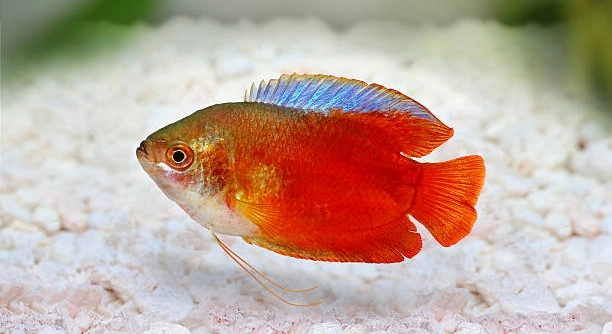
Gouramis are sensitive fish that react carefully to changes in their environment. After a water change, they often avoid certain areas and behaviors as they adjust. Observing their patterns can help maintain a healthy aquarium atmosphere.
After a water change, gouramis commonly avoid swimming near new water currents, exploring unfamiliar tank sections, interacting with other fish, eating immediately, resting in usual spots, engaging in social behaviors, and hiding near the substrate due to stress and environmental adjustments.
Knowing these tendencies can help you create a calmer environment and support your gouramis’ smooth adaptation to fresh water conditions.
Avoiding New Water Currents
Gouramis are naturally cautious when water conditions change. After a water change, they often stay away from areas with noticeable currents. The movement of fresh water can feel unpredictable, making them hesitant to explore the tank as they normally would. This behavior is a natural response to stress, allowing them to assess the environment before swimming freely. Observing this reaction helps understand their comfort level and ensures the tank remains a safe space. Providing plants or decorations near areas with stronger currents gives them a place to rest and regain confidence. Over time, as they adapt, they gradually explore these areas again. Watching their behavior during this adjustment period can give insight into their overall well-being and stress levels.
Keeping some calm zones with less current after water changes can reduce stress and help gouramis adjust smoothly.
Adding floating plants or gentle hiding spots allows gouramis to feel secure while avoiding strong currents, encouraging normal swimming patterns to return naturally over several hours.
Hiding in Unfamiliar Areas
Gouramis tend to retreat to corners or behind decorations when new water is introduced. This hiding helps them feel protected while they adjust to changes in temperature, chemical balance, or flow. They may stay out of sight longer than usual, but this behavior is temporary. Monitoring their hiding spots ensures they are not avoiding food or showing signs of illness.
Hiding allows them to regain a sense of control and reduces the stress caused by sudden water changes.
Creating safe zones with plants, caves, or other structures can help gouramis feel secure. Avoiding sudden movements near the tank and keeping lighting soft supports their adjustment. Gradually, they begin exploring more as confidence returns. Understanding this behavior is essential for maintaining a healthy environment. Over time, consistent water changes under gentle conditions teach gouramis that the tank remains safe, encouraging more natural swimming and feeding patterns. Proper observation and patience ensure they remain active and stress-free, ultimately promoting longevity and overall well-being.
Avoiding Food Immediately
After a water change, gouramis often ignore food for a while. They may seem uninterested or swim past feeding areas. This is a normal stress response as they adjust to fresh water conditions.
Their appetite usually returns gradually as they become comfortable with the new environment. Sudden changes in water chemistry can make them cautious about eating. Offering smaller, frequent meals instead of large portions helps. Observing their feeding habits ensures they are getting proper nutrition and not losing weight. Avoid overfeeding during this period, as uneaten food can affect water quality and further stress the fish.
Patience is key during this adjustment. Continue regular feeding routines while giving them time to adapt. Using favorite foods or lightly soaking pellets can entice them. Monitoring behavior helps determine when they are ready to return to normal eating patterns. Over a few days, most gouramis resume regular feeding without any issues, maintaining their health and energy.
Staying Away from Other Fish
Gouramis often avoid social interactions immediately after water changes. They may keep distance from other tank mates, even those they usually interact with. This behavior helps them feel safer while adjusting to the new conditions.
Social avoidance reduces stress by minimizing potential conflicts or surprises. Gouramis are territorial to some extent, and sudden changes in water can amplify caution. By keeping a calm environment and avoiding sudden movements, other fish can coexist without triggering additional stress. Providing separate spaces or visual barriers allows each fish to regain comfort. Observing their interactions helps ensure no aggressive behavior occurs during this sensitive time. Gradually, as they adapt, social patterns return to normal.
Resting in Unusual Spots
Gouramis often choose different resting spots after a water change. They may linger near plants, decorations, or tank corners instead of their usual areas.
This behavior allows them to feel safer and avoid exposure to sudden changes in water currents or light. Temporary relocation helps them regain comfort.
Reduced Interaction
Gouramis may reduce interaction with their surroundings after fresh water is added. They appear less active, avoiding usual movements and exploring less. Their cautious behavior ensures they can adjust safely without unnecessary stress, maintaining a calm presence in the tank.
Hiding Near the Substrate
After a water change, gouramis sometimes stay near the bottom of the tank. This gives them a sense of security while the environment stabilizes.
Avoiding Bright Areas
Brightly lit areas are often avoided immediately after a water change. Gouramis seek dimmer spots to feel safer and reduce stress.
FAQ
Why do my gouramis avoid food after a water change?
Gouramis are sensitive to changes in water chemistry. After a water change, sudden shifts in temperature, pH, or mineral content can make them cautious. Their natural response is to wait until they feel safe. Smaller, frequent meals or offering favorite foods can encourage eating. Patience is important, as most gouramis resume normal feeding within a few days.
Why do my gouramis hide more than usual?
Hiding is a stress-relief behavior. Fresh water can feel unfamiliar, prompting them to retreat behind decorations, plants, or corners. This temporary avoidance helps them feel protected. Ensuring there are multiple safe zones in the tank reduces stress and encourages gradual exploration. Observation helps monitor overall health.
Why are my gouramis avoiding other fish?
Social distancing is common after water changes. Gouramis may temporarily keep their distance from tank mates to reduce stress and prevent potential conflicts. Maintaining a calm environment and avoiding sudden movements allows them to regain comfort. Gradually, social behavior returns once they feel secure.
Why do gouramis stay near the bottom of the tank?
Staying low is a natural safety behavior. The substrate provides a sense of security, minimizing exposure to new currents and light changes. Bottom areas often feel calmer and less exposed, giving gouramis time to adjust. Providing plants or hiding spots near the bottom supports this behavior.
Why do they avoid bright areas after a water change?
Bright lighting can feel overwhelming during periods of stress. Gouramis instinctively move to dimmer areas to reduce anxiety. Soft lighting or shaded sections in the tank can help them feel comfortable while adapting to fresh water conditions.
How long does it take for gouramis to return to normal behavior?
Adjustment times vary but typically range from a few hours to several days. Factors include the size of the water change, water parameters, and tank conditions. Regular observation ensures they are gradually returning to normal swimming, feeding, and social behaviors. Avoid sudden movements or additional changes during this period.
What can I do to reduce stress after a water change?
Use gentle water flow and maintain consistent temperature and pH levels. Provide plenty of hiding spots with plants or decorations. Feed smaller portions until they are comfortable eating normally. Avoid overhandling or tapping on the tank, and allow them to explore the new water at their own pace.
Can frequent water changes affect gouramis long-term?
Frequent water changes are generally healthy but can cause temporary stress if done too rapidly or in large amounts. Gradual changes and maintaining stable water parameters help prevent long-term stress. Consistency in tank care supports both their health and comfort over time.
Why do some gouramis rest in unusual spots after a water change?
Resting in new areas is another way to feel secure. They may choose spots near plants, rocks, or corners where water movement is minimal. This behavior allows them to monitor their surroundings safely until they fully acclimate to the new water conditions.
Should I be worried if my gouramis hide a lot?
Not necessarily. Temporary hiding is normal after water changes. Worry is only warranted if they show signs of illness, such as rapid breathing, discoloration, or complete refusal to eat over several days. Monitoring behavior and water quality ensures their well-being.
How can I encourage gouramis to swim normally again?
Ensure the tank has gentle currents and plenty of open space. Gradually reintroduce light activity and avoid overcrowding. Using favorite foods and creating multiple safe zones helps rebuild confidence. Over time, they resume normal swimming patterns once they feel secure.
Do gouramis remember previous water changes?
Gouramis can associate certain environmental cues with stress. Repeated, gentle water changes with consistent parameters help them acclimate faster, reducing avoidance behaviors. Predictable routines support their comfort and reduce unnecessary stress over time.
Are all gouramis equally sensitive to water changes?
Sensitivity varies by species, age, and individual temperament. Some gouramis adapt quickly, while others remain cautious longer. Younger or smaller fish may be more sensitive. Observing each fish individually helps tailor care and ensures a smooth adjustment after water changes.
Can hiding or avoiding food affect their health?
Temporary avoidance usually does not affect health if it lasts a few days. Prolonged avoidance, however, can lead to weight loss or weakened immunity. Monitoring eating habits and offering preferred foods ensures they maintain nutrition during stressful periods.
What are the signs that a water change is too stressful for my gouramis?
Signs include excessive hiding, frantic swimming, gasping at the surface, or refusing food for multiple days. If these behaviors persist, check water parameters, reduce flow, and provide additional hiding spots. Ensuring a calm environment helps minimize stress in future changes.
Gouramis are sensitive fish that respond noticeably to changes in their environment, especially after a water change. Observing their behavior can help you understand their needs and ensure they remain healthy. They may avoid food, hide more than usual, stay near the bottom, or keep distance from other fish. These reactions are natural responses to stress and help them feel safer while adjusting. Providing calm zones with plants, decorations, or dimly lit areas can support their comfort. Over time, most gouramis gradually return to normal behavior as they become familiar with the fresh water conditions.
It is important to approach water changes thoughtfully to minimize stress. Sudden shifts in temperature, pH, or water flow can cause prolonged hiding, reduced feeding, and social withdrawal. Gradual water changes and monitoring the tank’s parameters help create a more stable environment for your fish. Observing their eating habits and social interactions can indicate how well they are coping. Offering smaller, frequent meals and avoiding overcrowding can also encourage them to eat and explore again. Patience is essential during this period, as forcing interaction or feeding may increase anxiety rather than help them adjust. Understanding these behavioral patterns ensures their well-being and prevents unnecessary stress in the long term.
Supporting gouramis through water changes is part of maintaining a healthy aquarium. Each fish may respond differently depending on age, temperament, or species, so individualized observation is key. Providing multiple hiding spots, gentle water currents, and a consistent routine helps them regain confidence and reduces stress-related behaviors. Over several days, they typically resume normal swimming, feeding, and social patterns. Maintaining a calm, stable environment not only helps gouramis adjust but also promotes overall health and longevity. Watching their behavior closely during these times allows you to intervene if needed and ensures that your aquarium remains a safe, comfortable habitat for all its inhabitants.

Hello,
If you enjoy the content that we create, please consider saying a "Thank You!" by leaving a tip.
Every little bit helps us continue crafting quality advice that supports the health, happiness, and well-being of pets around the world, for pets of all shapes, sizes, and species.
We really appreciate the kindness and support that you show us!