
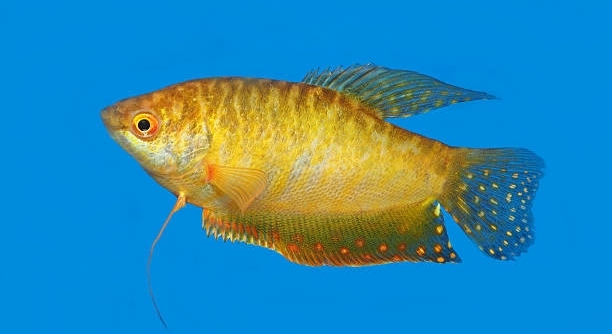
Gouramis are peaceful fish that can be sensitive to their surroundings. Observing their behavior closely helps you understand their mood and overall well-being in your aquarium. Paying attention to small changes can make a big difference in care.
A gourami feeling threatened often displays flared fins, rapid gill movement, and hiding behavior. They may also show sudden darting or aggressive posturing toward other fish, indicating stress or fear. Recognizing these signs is essential for proper fish management.
Knowing how to spot these behaviors early ensures your gourami stays healthy and calm in its environment, making your aquarium a more peaceful place.
Common Signs of a Threatened Gourami
When a gourami feels threatened, its behavior changes noticeably. You may see it flaring its fins or spreading its body to appear larger. Rapid gill movement or heavy breathing is another key sign. Hiding behind plants, decorations, or tank corners is typical. Some gouramis may dart quickly across the tank or bump against the glass, showing agitation. Color changes can also indicate stress, with duller tones reflecting discomfort. Aggressive posturing toward other tank mates often emerges if the fish feels unsafe. These behaviors are natural reactions to stressors, including sudden movements, loud noises, or overly active tank mates. Observing these subtle cues helps you intervene early. Providing a calm environment, appropriate tank size, and plenty of hiding spots reduces stress and promotes healthier behavior. Over time, familiarization with their surroundings allows gouramis to feel safer and exhibit more relaxed, natural movements.
Recognizing these signs quickly helps you prevent further stress and potential illness.
Stress in gouramis not only affects behavior but can impact appetite and immunity. A fish under constant threat may refuse food or develop lethargy, making it more vulnerable to disease. Ensuring a stable environment with gentle handling, regular feeding, and minimal sudden changes can improve their confidence. Monitoring interactions with other tank mates is crucial, as some species can unintentionally intimidate gouramis. Adjusting tank decorations and creating safe zones allows the fish to retreat when necessary. Even small changes, like reducing bright lighting or providing floating plants, can make a big difference. The goal is to maintain a calm, predictable setting where the gourami feels secure. Understanding these behaviors allows you to intervene appropriately, fostering a harmonious tank and improving the fish’s overall well-being. Consistent observation and minor adjustments often prevent long-term stress and ensure the fish remains active and healthy.
Environmental Factors That Trigger Stress
Tank conditions can heavily influence gourami behavior. Sudden temperature changes, poor water quality, and overcrowding are common triggers for stress.
Water quality is critical for gouramis. Ammonia, nitrite, and nitrate levels must be monitored regularly, as imbalances can cause both physical and behavioral stress. Temperature fluctuations or improper pH can make them uneasy and more prone to hiding or aggression. Tank size matters too; small or overcrowded tanks limit movement and increase tension. Introducing new fish without gradual acclimation can also trigger fear responses. Even lighting intensity affects comfort, with harsh lighting causing constant stress. Decorations and plants that mimic natural habitats provide hiding spaces, helping the fish feel secure. Observing behavior and adjusting the environment promptly reduces these stressors. By maintaining clean water, stable conditions, and thoughtful tank arrangements, you create a supportive setting that encourages natural, relaxed behavior in gouramis. Preventing stress improves their health, enhances feeding habits, and reduces the likelihood of illness over time.
How to Respond to a Threatened Gourami
Providing hiding spots immediately reduces stress in a threatened gourami. Plants, caves, or tank ornaments offer safe spaces for retreat. Reducing sudden movements around the tank also helps the fish feel calmer. Adjusting lighting can further encourage a sense of security.
Once you notice signs of stress, separating aggressive tank mates is important. This prevents bullying and allows the gourami to regain confidence. Observing the fish closely helps identify patterns in behavior that may indicate ongoing stress. Feeding smaller, frequent meals encourages normal eating habits. Avoid sudden water changes, as they can exacerbate fear. Maintaining consistent conditions helps the fish recover faster and adapt to its environment. Over time, a calmer fish displays normal swimming, coloring, and interactions.
Monitoring water parameters consistently is key. Temperature, pH, and cleanliness directly influence a gourami’s comfort. Regular tank maintenance, gentle handling, and minimal disturbance promote recovery. Encouraging hiding and ensuring a peaceful environment allow the gourami to rebuild confidence. Gradual acclimation to tank mates helps restore social balance.
Feeding and Care Adjustments
Small, frequent meals help reduce stress-related appetite loss. Offering a variety of foods ensures proper nutrition and encourages eating.
Stress can cause a gourami to refuse food or become lethargic. Providing high-quality flakes, pellets, or live food supports energy levels and overall health. Adjusting feeding schedules to coincide with calmer periods of the day can reduce anxiety. Overfeeding should be avoided, as it may pollute the water and increase stress. Observing feeding behavior helps detect lingering unease or illness. Gradually introducing new foods or changing textures can stimulate interest in eating, helping maintain strength. Consistent feeding routines also create predictability, giving the fish a sense of security in its environment. Proper nutrition combined with attentive care directly contributes to the gourami’s resilience against stress.
Common Triggers in the Tank
Overcrowding and aggressive tank mates can make a gourami feel threatened. Limited swimming space or constant chasing leads to stress and abnormal behavior patterns.
Sudden changes in water temperature, pH, or lighting can also trigger fear. Even minor disruptions in routine may cause hiding or flaring, signaling the fish feels unsafe.
Interaction with Other Fish
Gouramis often react strongly to more aggressive species. Territorial disputes or fast-moving fish can provoke stress responses. Providing enough space and visual barriers reduces confrontations. Observing interactions helps identify problematic tank mates. Introducing peaceful companions gradually ensures the gourami adapts without constant fear. Consistent monitoring maintains a balanced environment.
Tank Layout Adjustments
Rearranging decorations to create hiding spots and separate territories helps the fish feel secure. Floating plants and caves provide essential refuge areas.
FAQ
How can I tell if my gourami is stressed?
Signs of stress in gouramis include flared fins, rapid gill movement, hiding, darting, or sudden color changes. A stressed fish may also refuse food or act lethargic. Observing your fish daily helps you spot these behaviors early and take action to reduce stress.
What should I do if my gourami is hiding all the time?
If your gourami spends most of its time hiding, check the tank environment. Ensure water quality is stable, tank mates are peaceful, and there are plenty of hiding spots. Reducing sudden movements, bright lighting, or disturbances near the tank can help the fish feel more comfortable.
Can tank mates cause a gourami to feel threatened?
Yes, aggressive or overly active fish can intimidate gouramis. Even unintentionally, faster or larger species can provoke hiding, flaring, or chasing behavior. Separating the gourami or providing barriers and hiding areas often reduces conflict and stress. Gradual introductions of new fish are also important.
Does water quality affect my gourami’s behavior?
Absolutely. Poor water quality, including high ammonia, nitrite, or nitrate levels, can cause stress and illness. Maintaining consistent temperature, pH, and cleanliness keeps your gourami comfortable and reduces fear-based behaviors. Regular testing and partial water changes are essential for a healthy tank.
Why is my gourami suddenly flaring its fins?
Fin flaring is a defensive behavior. It can indicate fear, aggression, or stress from environmental changes. Monitoring other fish, water parameters, and disturbances helps identify the cause. Ensuring a calm, predictable environment usually reduces this behavior.
How can I encourage my gourami to eat if stressed?
Offer small, frequent meals of high-quality flakes, pellets, or live foods. Feeding during calmer times of day and providing familiar foods helps stimulate appetite. Avoid overfeeding, as it can worsen water quality and stress levels. Observing behavior while feeding allows you to detect lingering unease.
Do lighting changes affect a gourami’s comfort?
Yes. Harsh or sudden lighting changes can stress gouramis. Using gentle, consistent lighting and providing shaded areas or floating plants gives them a sense of security and reduces hiding or darting behavior.
Can rearranging the tank help a stressed gourami?
Rearranging decorations to create hiding spots or visual barriers can make a gourami feel safer. Caves, plants, and floating structures allow retreat from more aggressive fish and provide a sense of security, which encourages normal behavior and reduces stress over time.
How long does it take for a stressed gourami to calm down?
The time varies depending on the cause of stress and environmental conditions. Minor stressors may resolve in a few days, while ongoing issues like aggressive tank mates or poor water quality can take weeks to correct. Patience and consistent care are key to recovery.
Are gouramis naturally shy fish?
Gouramis are generally peaceful but can be timid, especially in new or crowded environments. Providing stable water conditions, appropriate companions, and sufficient hiding places helps them feel safe and encourages natural, relaxed behavior.
What should I avoid to prevent my gourami from feeling threatened?
Avoid sudden movements near the tank, loud noises, aggressive tank mates, overcrowding, and drastic changes in water parameters. Maintaining a calm, predictable environment with proper hiding spaces and consistent care keeps your gourami comfortable and reduces stress.
Is it normal for a gourami to flare at its own reflection?
Yes, it can happen. Flare at reflections is often mistaken for aggression but is usually a defensive response to a perceived rival. Reducing reflective surfaces or covering part of the tank can prevent unnecessary stress.
Can stress affect a gourami’s health?
Prolonged stress weakens the immune system, reduces appetite, and increases susceptibility to illness. Maintaining a stable environment, proper diet, and peaceful tank conditions ensures long-term health and reduces stress-related problems.
How do I know if hiding behavior is serious?
Occasional hiding is normal, but constant retreat, refusal to eat, or changes in color indicate significant stress or illness. Check water quality, tank mates, and feeding behavior, and adjust the environment to support recovery.
Are there any signs that show a gourami is comfortable again?
A relaxed gourami swims steadily, shows normal coloration, interacts with tank mates calmly, and eats regularly. Reduced hiding and flaring are good indicators that your fish feels safe and stress has been minimized.
Final Thoughts
Caring for a gourami requires attention to its behavior and environment. These fish are sensitive to changes in their surroundings, and small disruptions can quickly make them feel threatened. Observing your gourami daily helps you understand its normal behavior patterns. When you notice signs like hiding, flaring, or rapid gill movement, it indicates stress that needs addressing. Providing a calm and stable environment is essential to keeping your fish healthy and comfortable. Simple adjustments, such as adding hiding spots, rearranging decorations, or reducing sudden movements near the tank, can make a significant difference. Over time, these efforts allow the gourami to feel secure and display natural behaviors, which improves its overall well-being and makes caring for it more rewarding.
Water quality and tank conditions play a critical role in a gourami’s comfort. Regularly monitoring parameters like temperature, pH, ammonia, nitrite, and nitrate levels ensures the fish stays in a stable environment. Poor water quality can stress a gourami even if it appears otherwise healthy. Maintaining a clean tank through partial water changes and careful filtration helps prevent sudden shifts that might startle or frighten the fish. Lighting also influences comfort. Harsh or overly bright lights can make a gourami anxious, while gentle lighting and shaded areas give it a safe space to rest and feel protected. Even seemingly minor adjustments, like floating plants or plants with dense foliage, provide essential hiding areas that reduce stress. Watching how the gourami interacts with these changes allows you to fine-tune the environment for its needs.
Interactions with other fish should also be carefully managed. Gouramis are generally peaceful but may feel threatened by aggressive or overly active tank mates. Separating incompatible species, creating visual barriers, and providing enough swimming space prevents conflicts and allows the gourami to feel secure. Feeding habits can reflect comfort levels as well. A healthy, stress-free gourami eats consistently, while a stressed fish may refuse food or show irregular eating patterns. Offering small, frequent meals of quality food encourages proper nutrition and reassures the fish that its environment is safe. With consistent care, patience, and observation, gouramis can thrive even in a community tank. Focusing on these factors ensures the fish remains healthy, active, and relaxed, creating a peaceful aquarium that benefits both the gourami and the overall tank environment.

Hello,
If you enjoy the content that we create, please consider saying a "Thank You!" by leaving a tip.
Every little bit helps us continue crafting quality advice that supports the health, happiness, and well-being of pets around the world, for pets of all shapes, sizes, and species.
We really appreciate the kindness and support that you show us!