
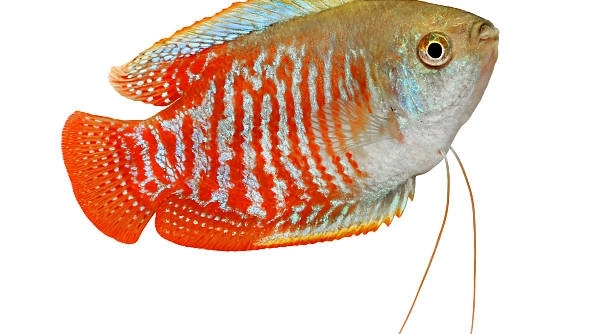
Gouramis are popular freshwater fish, known for their vibrant colors and graceful swimming. Many aquarists enjoy keeping them with other species, creating lively and diverse aquariums. Observing their behavior can reveal subtle interactions and responses to tank mates.
Research indicates that gouramis can display consistent social preferences toward certain tank mates, showing patterns of peaceful coexistence and avoidance of aggressive individuals. These behaviors suggest a form of loyalty, driven by familiarity and social conditioning rather than complex emotional attachment.
Understanding these dynamics can improve tank harmony and overall fish well-being. Observing interactions carefully provides valuable insight into maintaining a balanced aquarium environment.
Social Behavior of Gouramis
Gouramis are naturally social creatures, often forming small hierarchies in shared spaces. They tend to recognize familiar tank mates and adjust their behavior accordingly. Some gouramis may follow certain individuals or avoid more aggressive fish. This recognition can reduce stress and create a more stable environment. Their interactions include chasing, hovering nearby, or sharing feeding spots, which can indicate comfort and mutual tolerance. Over time, these patterns become noticeable, showing that gouramis respond differently depending on who is nearby. Observing these behaviors can help identify which fish coexist peacefully. Tank conditions, such as space and hiding spots, influence how gouramis interact. Proper lighting and calm surroundings also play a role in encouraging gentle social behavior. Feeding times can further reinforce bonds or trigger competition, depending on fish personalities. Monitoring these small cues provides insight into how gouramis navigate group living. Recognizing social patterns ensures a balanced aquarium where stress is minimized.
These behaviors highlight the importance of observing fish daily and noting interactions over time.
Providing adequate space, structured hiding areas, and consistent feeding helps maintain harmony among gouramis and other species.
Signs of Loyalty
Loyalty in gouramis often appears as consistent positive interactions with specific tank mates.
Gouramis may choose to stay near certain individuals, swimming together or responding quickly to each other’s movements. They often show reduced aggression toward familiar fish, suggesting a sense of trust. When introduced to new tank mates, gouramis can be cautious, testing boundaries before forming stable relationships. These patterns indicate a preference for known companions over strangers. Observing these tendencies allows aquarists to manage tank dynamics effectively, ensuring a peaceful environment. Fish that consistently interact without conflict demonstrate this selective social behavior.
Tracking these behaviors requires patience and attention to daily routines. Feeding responses, shared resting areas, and following patterns are key indicators. Over time, it becomes clear which fish exhibit loyalty and which remain indifferent. Providing structured tank layouts with plenty of hiding spots encourages stable interactions. Changes in lighting, water quality, or tank population can affect these behaviors, so consistency is crucial. By understanding these signs, aquarists can anticipate conflicts and promote harmonious relationships. This knowledge allows for informed decisions when introducing new fish or rearranging the tank. Proper observation ensures that loyal pairings remain intact, contributing to the overall health and balance of the aquarium ecosystem.
Tank Setup and Environment
Providing a suitable environment helps gouramis maintain calm and consistent social behavior. Tanks should have enough space for swimming, areas to hide, and plants or decorations to break sightlines. Overcrowding increases stress and aggression, reducing positive interactions between fish. Maintaining water quality is also crucial.
Proper temperature, pH levels, and filtration support healthy fish behavior. Gouramis are sensitive to sudden changes, so stable conditions encourage trust and peaceful coexistence. Strategic placement of plants and decorations can create territories, allowing gouramis to feel secure while interacting. Feeding areas should be consistent to prevent competition and stress. Observing fish over time shows which setups promote friendly interactions and which trigger conflict. Adjustments to tank layout can directly influence social harmony, helping gouramis show loyalty and preference toward certain tank mates. Consistency and careful observation are key to maintaining a balanced aquarium.
Monitoring tank dynamics daily allows early detection of stress or aggression. These small observations help maintain long-term harmony.
Feeding Dynamics and Social Bonds
Gouramis often form stronger bonds around feeding times, sharing spots with certain tank mates. Dominant fish may control food distribution, influencing social hierarchy.
Observing which gouramis feed together or follow each other shows patterns of loyalty and trust. Fish that consistently eat near the same companions indicate comfort and mutual acceptance. Gouramis may also wait for certain individuals before approaching food, suggesting awareness and recognition. Feeding routines help establish predictable interactions, reducing stress. Fish that are consistently aggressive at mealtime may disrupt these bonds, while gentle, cooperative feeders strengthen social cohesion. Attention to these behaviors allows aquarists to manage feeding strategies that support harmony. Patterns around feeding can reveal subtle preferences that might not appear during other activities. Careful management of food and feeding order promotes peaceful interactions.
Regular, consistent feeding schedules reduce competition and stress, helping gouramis maintain steady relationships. Adjusting feeding methods based on observations encourages cooperative behavior and reinforces loyalty patterns among tank mates. Observing these dynamics over time provides insight into social preferences and ensures balanced interactions. Consistency in diet and placement of food sources is important. Gouramis can form predictable bonds around feeding, which contributes to long-term stability in the tank. Careful attention to these behaviors allows for proactive management, reducing conflict and enhancing the overall aquarium environment. Monitoring reactions to feeding can also indicate which fish may need more space or separation to maintain harmony.
Observing Behavior Patterns
Gouramis often display subtle cues that indicate their preferences toward certain tank mates. Watching swimming patterns, resting spots, and interactions during feeding provides insight into these social dynamics. Recognizing these patterns helps maintain a balanced aquarium environment.
Paying attention to repeated behaviors can reveal which fish are comfortable together. Avoiding overcrowding and giving space reduces stress and promotes positive interactions.
Aggression and Territoriality
Aggression in gouramis is usually linked to territory and dominance rather than dislike. Some fish claim specific areas, chasing others away to protect their space. Observing which gouramis assert themselves over certain zones helps identify dominant and submissive individuals. Territorial disputes are more common in smaller tanks or during breeding periods. Proper tank arrangement with plants, hiding spots, and visual barriers reduces conflicts and allows multiple gouramis to coexist peacefully. Dominant fish may tolerate certain companions while chasing others, showing selective tolerance. Understanding these dynamics ensures smoother social interactions. Monitoring behavior over time helps predict potential conflicts and supports maintaining loyalty patterns among compatible tank mates.
Breeding Influence
Breeding can intensify territorial behavior, affecting interactions with tank mates.
FAQ
Can gouramis really form bonds with their tank mates?
Yes, gouramis can show consistent social preferences toward certain companions. While they do not experience loyalty like mammals, they respond positively to familiar fish. This can be seen in swimming together, sharing resting areas, or reducing aggressive behaviors. Familiarity and repeated interactions foster these predictable patterns.
How can I tell which gouramis prefer each other?
Observe their daily behaviors closely. Fish that swim near each other, feed side by side, or hover together in resting spots demonstrate comfort and tolerance. Avoiding aggressive fish or staying away from more dominant individuals also indicates selective social preferences. Over time, patterns become easier to identify.
Does tank size affect loyalty?
Tank size plays a crucial role. Smaller tanks can increase stress and aggression, reducing positive interactions. Providing enough space for swimming, hiding spots, and visual barriers allows gouramis to interact comfortably, reinforcing bonds with compatible companions and reducing conflicts.
Do gouramis behave differently during feeding?
Feeding is often a key moment for observing interactions. Gouramis that consistently eat near the same fish or wait for certain companions indicate comfort and recognition. Dominant fish may control food access, but cooperative feeding behaviors reflect positive relationships and selective tolerance.
How do breeding behaviors influence interactions?
During breeding, gouramis can become territorial. Males often guard nesting areas, chasing away intruders. This territorial behavior can temporarily disrupt previously stable social bonds. Providing plenty of hiding spaces and separate zones helps maintain harmony and reduces stress for non-breeding fish.
Can aggression affect social bonds?
Yes, aggressive behavior can interfere with loyalty patterns. Fish that are repeatedly chased or bullied may avoid certain companions entirely. Identifying aggressive individuals and providing visual barriers or additional space can help restore balance and encourage peaceful interactions.
Do gouramis remember past interactions?
Gouramis have a basic ability to recognize familiar tank mates. They may remember which fish are non-threatening and which display aggression. This recognition helps reduce conflicts over time and allows consistent, selective interactions with preferred companions.
How long does it take for bonds to form?
Social patterns develop gradually. It can take days or weeks for gouramis to establish stable interactions. Observing daily routines, feeding behavior, and preferred resting areas provides insight into which fish consistently interact positively, showing signs of loyalty or preference.
What environmental factors support positive behavior?
Stable water conditions, appropriate temperature, and proper pH levels are essential. Plants, hiding spots, and structured tank layouts create territories and reduce conflicts. Consistency in feeding routines and tank maintenance supports calm, predictable behavior, helping gouramis maintain relationships with preferred companions.
Can introducing new fish disrupt loyalty?
Yes, adding new tank mates can temporarily disturb established social patterns. Gouramis may become cautious or territorial until they recognize the newcomers. Introducing fish gradually and ensuring enough space for all individuals helps maintain harmony and prevents stress-induced aggression.
Are some gouramis naturally more social than others?
Individual temperament affects interactions. Some gouramis are more tolerant and social, seeking company of compatible fish, while others are more solitary or aggressive. Observing their tendencies allows for better tank management and pairing decisions, ensuring balanced social behavior and reduced conflicts.
How can I encourage peaceful interactions?
Maintaining proper tank size, stable conditions, hiding areas, and consistent feeding routines promotes calm behavior. Monitoring interactions and adjusting placement or tank layout when necessary helps support positive relationships and allows gouramis to maintain selective social bonds over time.
Do gouramis show loyalty to different species?
Gouramis can tolerate and interact peacefully with non-gourami tank mates if compatibility exists. They tend to respond better to fish with similar temperaments, size, and activity levels. Careful observation ensures that interspecies interactions remain positive and stress-free.
What signs indicate stress or discomfort?
Avoidance, hiding, rapid swimming, or constant chasing are key indicators. Stress can reduce social tolerance and disrupt previously stable bonds. Ensuring proper environment, space, and compatible companions mitigates these issues and promotes consistent positive interactions.
Can water quality affect loyalty?
Poor water conditions increase stress and aggression, reducing selective interactions. Clean, stable water allows gouramis to feel secure, enhancing comfort with preferred companions and supporting predictable social behavior over time.
How do hiding spots influence relationships?
Hiding areas allow fish to retreat from aggressive or overly active companions. These spaces reduce conflict, provide security, and encourage calmer interactions, helping gouramis maintain social preferences and tolerate their chosen tank mates.
Is there a difference between male and female behavior?
Males are typically more territorial, especially during breeding. Females may be more social and flexible in interactions. Recognizing these differences helps manage tank composition, ensuring peaceful coexistence and reducing disruptions to loyalty patterns.
Can diet influence social interactions?
Consistent feeding reduces competition and stress. Providing ample food prevents dominance disputes and encourages cooperative behaviors. Observing which fish share feeding areas can reveal preferences and strengthen positive interactions.
How often should I monitor behavior?
Daily observation is ideal. Watching swimming patterns, feeding, resting spots, and interactions helps identify positive bonds and potential conflicts early. Consistent monitoring supports informed adjustments to tank layout, feeding routines, and companion placement.
Do gouramis react differently to new environments?
New tanks can temporarily disrupt social patterns. Fish may hide, explore, or show aggression. Allowing acclimation time and maintaining stable conditions helps restore positive interactions and supports the development of selective bonds over time.
How long can stable bonds last?
With proper care, stable interactions can last months or even years. Consistent environment, compatible companions, and minimal stress help maintain these patterns, allowing gouramis to interact predictably and peacefully with their preferred tank mates.
Are there signs of strong loyalty?
Fish that swim together, share resting areas, and consistently avoid conflict with certain companions demonstrate strong social preference. These behaviors indicate comfort, recognition, and tolerance, reflecting selective loyalty in the aquarium setting.
Can I intervene if conflicts arise?
Yes, separating aggressive individuals, rearranging tank layout, or adding hiding spaces can reduce conflicts. Observing interactions after adjustments ensures that positive social behavior and loyalty patterns are maintained.
Do gouramis show attachment to specific tank areas?
Yes, preferred swimming and resting zones often coincide with comfort and security. Fish that share these areas with certain companions reinforce predictable interactions and positive social bonds over time.
How does age affect behavior?
Juvenile gouramis may be more flexible and social, while adults can show stronger territorial tendencies. Understanding these differences helps manage tank composition and maintain harmony among fish of varying ages.
Can stress completely change loyalty patterns?
High stress can disrupt established interactions. Fish may become aggressive, avoid certain companions, or hide excessively. Reducing stress through proper environment, space, and compatible companions is essential for maintaining consistent social bonds.
Are there specific tank mates that enhance loyalty?
Compatible species with similar activity levels and temperament encourage calm interactions. Avoid overly aggressive or fast-moving fish, as they can disrupt existing patterns and create stress, reducing positive social bonds among gouramis.
What is the role of observation in maintaining loyalty?
Careful monitoring of daily interactions, feeding habits, and resting behavior allows aquarists to identify positive bonds, prevent conflicts, and make informed decisions about tank management. Observation is key to maintaining predictable and peaceful relationships.
Can environmental enrichment affect social behavior?
Providing plants, decorations, and visual barriers creates territories and reduces aggression. Enrichment encourages natural behaviors, allowing gouramis to interact comfortably and maintain selective social bonds with preferred companions.
How can I support shy or less social gouramis?
Offering hiding spots, consistent feeding, and calm tank conditions helps shy fish feel secure. Gradual introductions to companions allow them to form selective bonds without stress or forced interactions.
Do gouramis react to changes in lighting?
Sudden lighting changes can startle fish and increase aggression or stress. Gradual adjustments maintain calm behavior, supporting consistent interactions and helping fish feel secure with preferred companions.
Is selective social behavior permanent?
While preferences are generally consistent, changes in tank composition, breeding, or stress can alter interactions. Continuous observation and proper care help maintain stable bonds over time.
How can I encourage positive interspecies interactions?
Introducing compatible species gradually and providing adequate space, hiding spots, and consistent feeding routines reduces stress and promotes tolerance. Observing interactions ensures that all fish coexist peacefully.
Are gouramis more loyal to similar-sized fish?
Size compatibility affects social tolerance. Fish of similar size are more likely to swim together peacefully and share resources, while large size differences may trigger aggression or avoidance, disrupting positive interactions.
Can environmental changes strengthen bonds?
Stable, enriched, and spacious tanks support calm interactions, allowing gouramis to recognize and consistently interact with preferred companions, reinforcing predictable social behavior and selective loyalty.
How important is consistency in routine?
Consistent feeding times, tank maintenance, and environmental conditions reduce stress and support predictable behavior. Routine encourages positive interactions, allowing gouramis to form stable social bonds with compatible companions.
Can water flow affect social dynamics?
Strong currents may stress gouramis and alter swimming patterns, reducing interaction opportunities. Gentle, stable water flow encourages calm behavior, allowing fish to interact naturally and maintain selective bonds.
Are hiding spots more important than space?
Both are crucial. Adequate swimming space allows natural movement, while hiding spots reduce conflict and stress. Together, they support calm interactions and help maintain loyalty patterns among gouramis.
Do gouramis recognize individual tank mates visually or chemically?
Both senses are involved. Visual recognition allows fish to follow or avoid companions, while chemical cues help identify familiar individuals. This combination supports consistent social preferences and selective interactions.
Can stress from other species affect loyalty?
Yes, aggressive or fast-moving tank mates can increase stress and disrupt established bonds. Managing compatibility and providing hiding spots ensures peaceful interactions and maintains selective social behavior.
Are there seasonal changes in behavior?
Temperature fluctuations or breeding cycles can temporarily alter interactions. Stable environmental conditions help minimize disruptions, allowing gouramis to maintain consistent preferences toward familiar tank mates.
How do gouramis show affection or tolerance?
Swimming together, sharing resting areas, following each other, or feeding calmly near one another indicates positive interactions. These behaviors reflect comfort and selective social preference rather than emotional attachment.
Can personality affect compatibility?
Individual temperament plays a major role. Some gouramis are naturally more social, tolerant, or dominant. Matching personalities carefully ensures peaceful interactions and maintains loyalty patterns among tank mates.
What are early signs of aggression?
Chasing, nipping, flaring fins, or blocking access to food or territory indicate potential conflicts. Addressing these behaviors early prevents escalation and preserves stable interactions.
Can tank layout adjustments change social bonds?
Yes, rearranging plants, decorations, or hiding spots can reduce tension and encourage positive interactions. Proper layout supports calm, predictable behavior, reinforcing selective social preferences.
How important is observation for new tank introductions?
Closely monitoring behavior when adding new fish ensures compatibility, prevents stress, and helps maintain positive interactions with established tank mates. Observation guides adjustments to promote harmony.
Can consistent feeding reduce aggression?
Yes, predictable food availability minimizes competition and stress. Fish can eat without rushing or fighting, encouraging calm interactions and supporting loyalty toward preferred companions.
Do gouramis ever change preferred companions?
Occasionally, changes in environment, stress, or tank composition may alter social preferences. Continuous observation ensures adjustments can be made to maintain peaceful interactions.
Is there a difference in behavior between dwarf and larger gourami species?
Smaller gouramis may be more timid and social, while larger species can be more territorial. Understanding these differences helps manage tank composition and maintain harmony among varying sizes.
How can I encourage shy gouramis to interact?
Gradual introductions, calm conditions, and hiding spots allow shy fish to observe and engage at their own pace, fostering selective social bonds.
Do gouramis show signs of attachment to feeding spots?
Yes, they may consistently return to certain areas for feeding, often alongside preferred companions. These routines reflect comfort and familiarity, supporting predictable social interactions.
Can enrichment reduce territorial disputes?
Providing plants, decorations, and visual barriers creates multiple zones, reducing competition and supporting calm, selective interactions between gouramis and their preferred tank mates.
Are repeated observations necessary?
Yes, consistent monitoring allows recognition of patterns, early identification of aggression, and understanding of social preferences, ensuring harmonious interactions over time.
Does stress from water quality affect loyalty?
Poor water conditions increase aggression and avoidance behaviors. Maintaining stable, clean water supports calm, predictable interactions and reinforces selective social bonds among gouramis.
Can gouramis show tolerance without forming bonds?
Yes, some fish coexist peacefully without strong preference. Tolerance is different from selective loyalty, as interactions are more neutral and less predictable.
How do hiding spots support shy or stressed fish?
Safe retreats allow them to observe others, avoid conflict, and gradually form selective interactions, fostering calm and predictable social behavior.
Do gouramis respond to human presence?
They may show curiosity or approach during feeding but do not form loyalty toward humans. Responses vary by individual temperament and prior experiences.
Can changing tank mates disrupt established bonds?
Yes, new introductions can temporarily upset social patterns. Gradual integration and adequate space help preserve positive interactions and minimize stress.
How do gouramis signal comfort with companions?
Close swimming, sharing resting spots, and calm feeding behavior indicate comfort and selective preference, reflecting stable social interactions without aggression.
Can observation of small behaviors predict loyalty?
Yes, subtle cues such as following, hovering, or resting nearby reveal consistent social patterns. Recognizing these signs helps maintain stable and peaceful relationships.
Are gouramis more tolerant in planted tanks?
Yes, plants provide hiding spots and visual barriers, reducing stress and territorial disputes. This promotes calm interactions and helps maintain selective social bonds over time.
Do gouramis interact differently during rest periods?
Resting behavior often shows comfort and tolerance. Fish resting near preferred companions demonstrate selective social preference and a sense of security within the tank environment.
Can water temperature influence social interactions?
Yes, extreme temperatures can increase stress and aggression. Maintaining stable, appropriate temperatures supports calm behavior, allowing consistent interactions with familiar tank mates.
Is loyalty permanent once formed?
Generally, preferences remain stable if the environment stays consistent. Changes in tank conditions, population, or stress can alter these patterns, requiring careful observation and management.
How can I maintain loyalty long-term?
Stable environment, compatible companions, consistent feeding, hiding spots, and daily observation support predictable, positive interactions. Adjustments as needed preserve calm behavior and selective bonds over time.
Do gouramis form groups or pairs?
They often show preference for specific companions, forming small groups or pairs within a tank. These groupings reflect selective tolerance rather than emotional attachment, supporting calm coexistence.
Can incompatible fish disrupt existing loyalty?
Yes, aggressive or overly active tank mates may increase stress and interfere with established social bonds. Proper management ensures harmony and preserves positive interactions.
Are there signs of strong social preference during play or exploration?
Fish swimming together through plants, exploring areas side by side, or following each other demonstrate consistent interaction patterns, reflecting selective tolerance and positive social behavior.
Do gouramis have preferred resting areas?
Yes, preferred zones are often shared with familiar companions. These areas support calm, predictable behavior and reinforce social bonds over time.
Can multiple pairs coexist peacefully?
With adequate space, hiding spots, and compatible temperaments, multiple selective pairings can coexist without conflict. Observing interactions ensures balance and harmony within the tank.
Is selective loyalty more common in certain gourami species?
Dwarf gouramis and pearl gouramis often show clearer social preferences, while more aggressive species may focus on territory. Understanding species tendencies helps manage tank composition effectively.
Do gouramis ever display jealousy or competition for companions?
Indirectly, dominant individuals may chase others or assert themselves over shared spaces. This is more about territory than emotional attachment, and proper tank layout can reduce tension.
How can tank layout influence long-term bonds?
Well-planned layouts with plants, hiding spots, and visual barriers support calm interactions. Fish can establish preferred zones and companions, reinforcing predictable social behavior over time.
Are there visual signs of strong bonds?
Close swimming, calm coexistence during feeding, and sharing resting areas indicate comfort and selective social preference, showing consistent positive interactions without aggression.
How important is patience in observing loyalty?
Patience is essential. Patterns develop over weeks, and careful daily observation allows recognition of stable bonds, identification of conflicts, and informed adjustments to maintain harmony.
Do gouramis react differently to male versus female companions?
Yes, males may show more territorial behavior, especially during breeding, while females are generally more social. Recognizing these tendencies aids in managing tank composition and maintaining calm interactions.
Can stress from overcrowding affect loyalty?
Overcrowding increases aggression and stress, disrupting social patterns. Providing adequate space, hiding spots, and compatible companions ensures positive interactions and maintains selective social bonds.
Are certain plants or decorations better for promoting calm behavior?
Tall plants, dense foliage, and visual barriers reduce line-of-sight conflicts. These elements create territories, support hiding, and encourage calm interactions, helping maintain loyalty among gouramis.
Do gouramis show preference for older or more experienced companions?
Familiarity often guides preference. Fish that have established stable interactions are more likely to be tolerated or followed, reflecting selective social behavior based on recognition and comfort.
Can water flow influence hierarchy or loyalty?
Strong currents may favor more dominant or active fish, altering interactions. Gentle, stable flow allows natural swimming and calmer behavior, supporting consistent social bonds.
Do gouramis respond to stress cues from other fish?
Yes, stressed or agitated companions can influence group behavior. Maintaining calm conditions and compatible companions ensures positive interactions and preserves selective social preferences.
Are there signs of weak loyalty?
Fish that avoid all companions, frequently chase others, or fail to share space or feeding areas demonstrate low selective tolerance, indicating weak or neutral social preferences.
Can temporary separation affect long-term bonds?
Short-term separation may disrupt interactions temporarily, but familiar fish often reestablish previous patterns once reunited. Gradual reintegration and stable environment support continuity.
Do gouramis recognize individual humans?
They may respond during feeding or interaction but do not form selective loyalty toward humans. Responses vary by temperament and previous experiences.
Can lighting levels affect social behavior?
Dim or consistent lighting reduces stress and aggressive displays, supporting calm interactions. Sudden changes can trigger avoidance or conflict, temporarily disrupting loyalty patterns.
Is there a way to measure social preference objectively?
Observation of swimming patterns, resting spots, feeding proximity, and interaction frequency provides measurable indicators of selective tolerance and consistent companionship over time.
Do gouramis prefer companions of the same age?
Similar age and size often lead to compatible behavior. Younger fish may be more flexible, while older fish can be more territorial, affecting the formation of positive social bonds.
How do gouramis signal acceptance or rejection?
Acceptance
Gouramis are fascinating freshwater fish, not only because of their colors and patterns but also because of their social behavior. Observing them closely shows that they respond differently to individual tank mates. Some gouramis swim together, share resting areas, or feed side by side, while others prefer to keep their distance. These patterns are not driven by complex emotions but by recognition, comfort, and familiarity. Over time, consistent behaviors emerge, showing that gouramis can develop selective tolerance or preference for certain companions. This behavior can make a tank feel more balanced and harmonious, as fish that tolerate each other are less likely to engage in conflict. Recognizing these patterns helps aquarists manage tank populations effectively and maintain peaceful interactions.
Maintaining a suitable environment is key to supporting these interactions. Adequate tank space, hiding spots, plants, and decorations allow gouramis to establish territories and retreat when necessary. Stable water conditions, including temperature, pH, and cleanliness, reduce stress and encourage predictable behavior. Feeding routines also play an important role. Fish that eat calmly near their preferred companions are often more comfortable and show signs of selective social preference. Observing these behaviors daily provides insight into their interactions and helps prevent issues before they escalate. By carefully managing the environment and monitoring interactions, aquarists can foster a peaceful community where gouramis display consistent patterns of tolerance or preference toward certain tank mates.
Social dynamics in gouramis are influenced by many factors, including species, age, temperament, and breeding behavior. Males may become territorial, particularly during breeding, while females tend to be more flexible in their interactions. Introducing new tank mates requires attention to compatibility and gradual acclimation to avoid disrupting established patterns. Even subtle changes in tank layout, water flow, or lighting can influence behavior, highlighting the importance of observation and adjustment. By understanding these influences, aquarists can support positive interactions and help gouramis maintain their selective social bonds. Ultimately, observing, understanding, and adapting to gouramis’ behavior creates a balanced aquarium where fish can thrive, showing their natural tendencies and preference for familiar companions without unnecessary stress.

Hello,
If you enjoy the content that we create, please consider saying a "Thank You!" by leaving a tip.
Every little bit helps us continue crafting quality advice that supports the health, happiness, and well-being of pets around the world, for pets of all shapes, sizes, and species.
We really appreciate the kindness and support that you show us!