
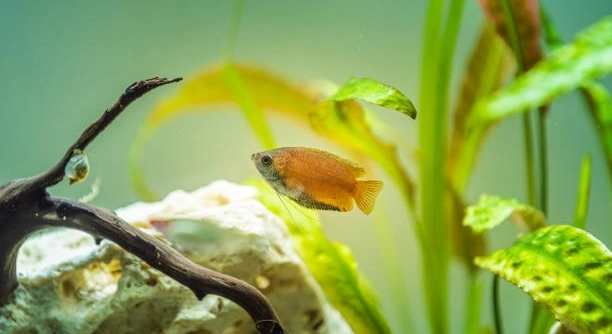
Gouramis are gentle fish that often explore their surroundings with care. Sometimes, they interact with tank décor more than expected, nudging plants or ornaments in a way that can seem puzzling or even a little mischievous.
Gouramis frequently nudge tank décor as a result of territorial behavior, exploration, or foraging instincts. This action is a normal form of interaction, helping the fish navigate its environment, establish boundaries, and investigate potential hiding spots or food sources.
Observing these behaviors can reveal a lot about your fish’s comfort and preferences in the tank. Understanding why they nudge can help maintain a harmonious aquatic environment.
Common Reasons Gouramis Nudge Tank Décor
Gouramis often interact with their environment more than we expect. Nudging decorations or plants can be linked to several natural behaviors. Some fish are curious by nature and like to investigate objects in their tank. Other times, nudging occurs because they are establishing a territory, especially in tanks with multiple gouramis. They may push plants or ornaments to see if these spots are safe for hiding or resting. Another factor is feeding behavior. Gouramis sometimes search for food by moving items around, especially if flakes or pellets have fallen near décor. Water flow and tank setup can also influence nudging. If currents are strong or decorations are unstable, gouramis may push them accidentally or test stability. Observing patterns over days can help distinguish normal behavior from stress. Each fish has its own style of interacting, so paying attention to timing and frequency provides useful insights about comfort and health in the tank.
Nudging often serves multiple purposes, including exploration, territorial marking, and searching for food, reflecting the natural instincts of gouramis.
Noticing these patterns helps you create a safer, more comfortable environment for your fish. Small adjustments can make a big difference.
How Tank Setup Influences Behavior
Tank size, décor placement, and plant density all affect nudging behavior. A cramped tank can increase stress, causing more pushing.
Providing enough hiding spots and stable décor can reduce unnecessary nudging. Gouramis need places to explore without feeling crowded.
Proper tank arrangement helps guide their movements and interactions. Avoid placing delicate ornaments where they might get knocked over. Plants should be anchored well to prevent uprooting during exploration. Open swimming areas allow gouramis to navigate freely without constant interference from decorations. Some gouramis enjoy rearranging lighter items, which is normal as long as nothing poses a hazard. Monitoring behavior over time shows whether nudging is playful, stress-related, or linked to territorial instincts. Adjusting décor and observing reactions creates a balance between activity and safety. This approach promotes both physical health and mental stimulation, keeping your gourami comfortable and engaged. Regular maintenance and thoughtful placement ensure the tank remains functional and enjoyable for your fish without constant disruption.
Feeding Habits and Nudging
Gouramis often nudge décor while looking for food. Floating flakes or sinking pellets can encourage them to move plants or ornaments, especially if food gets trapped underneath or behind objects.
Gouramis are naturally curious and may push aside items to reach hidden food. They use their mouths and bodies to test spaces, ensuring nothing edible is missed. Over time, this behavior becomes routine, particularly during feeding times. If nudging increases, it may indicate that some areas are harder to access or that the fish are exploring every potential food source. Adjusting feeding methods can reduce excessive pushing and keep the tank cleaner.
Observing how gouramis interact with decorations during meals can help identify problem spots. Lighter ornaments are more likely to be moved, while anchored plants resist disturbance. Offering food in multiple areas distributes activity, preventing damage to specific décor. Changing the location slightly each feeding keeps exploration interesting without causing stress or harm to the tank environment.
Stress and Environmental Factors
Sudden changes in water temperature or quality can make gouramis more restless. Stress often leads to increased nudging or rearranging of décor.
Maintaining stable water conditions is crucial. Gouramis respond to pH shifts, ammonia spikes, or temperature swings by exploring their environment more intensely. They may push objects to feel secure or establish a sense of control. Stress-related nudging can be accompanied by other behaviors, like hiding more frequently or reduced appetite. Regular water testing, consistent feeding schedules, and proper tank maintenance help minimize stress. Observing behavior changes gives insight into tank conditions and fish well-being. Routine care ensures that environmental factors do not trigger unnecessary nudging, keeping gouramis comfortable and healthy in their habitat.
Breeding Behavior
During breeding, gouramis may nudge decorations more frequently. Males often rearrange plants or objects to prepare bubble nests or create a secure area for eggs.
This behavior is natural and temporary. It is part of their instinct to protect and organize their breeding space, ensuring the safety of future fry.
Curiosity and Exploration
Gouramis are inquisitive by nature and interact with decorations to explore their surroundings. Nudging helps them understand shapes, textures, and spaces within the tank. They may push lighter objects repeatedly just to test stability or discover new hiding spots. This is normal behavior reflecting their intelligence and adaptability.
Reducing Excessive Nudging
Anchoring décor securely and providing stable hiding spots can help reduce frequent nudging. Heavy or fixed ornaments prevent accidental damage while allowing safe exploration.
FAQ
Why does my gourami keep nudging one specific decoration?
Gouramis often focus on a single item because it catches their attention. It may provide a sense of shelter, resemble a potential food source, or simply be in their preferred swimming path. Observing their behavior over time helps determine if the object is part of normal exploration or territorial activity.
Is nudging a sign of stress?
Nudging alone is not always a sign of stress, but frequent, aggressive pushing can indicate discomfort. Changes in water temperature, pH, or ammonia levels often trigger restless behavior. Ensuring stable conditions and monitoring overall behavior helps distinguish normal activity from stress.
Can nudging damage my tank décor?
Yes, lighter or loosely anchored items can be moved or overturned. Plants may uproot, and fragile ornaments could break. Using heavier décor, anchoring plants, and placing sensitive items away from high-activity areas reduces risk while allowing your gourami to explore safely.
Do gouramis nudge when they are hungry?
Hunger can increase nudging behavior. Gouramis often move objects to find trapped food or investigate potential feeding spots. Offering food in multiple locations and cleaning leftover flakes helps reduce excessive pushing and keeps the tank tidy.
Is nudging part of breeding behavior?
During breeding, males may rearrange plants or decorations to prepare bubble nests. This is natural and temporary. Providing floating plants and calm areas encourages healthy nesting without causing stress to other tank inhabitants.
Should I remove decorations if nudging becomes excessive?
Removing all decorations is not necessary and can stress your fish further. Instead, secure light items, anchor plants, and provide stable hiding spots. Rearranging the tank strategically allows exploration without frequent disruption or damage.
Can multiple gouramis increase nudging?
Yes, multiple gouramis in a single tank can lead to more frequent nudging as they establish territories or compete for resources. Ensuring sufficient space and visual barriers, like plants or rocks, can minimize conflicts and excessive movement of décor.
How can I encourage safe exploration?
Offering a variety of anchored plants, stable ornaments, and open swimming areas allows gouramis to explore safely. Rotating lighter decorations occasionally provides mental stimulation without increasing stress or risking damage. Observing how your fish interact helps guide safe placement.
Does nudging indicate illness?
Nudging is usually not a direct sign of illness, but changes in behavior paired with loss of appetite, discoloration, or lethargy may indicate health problems. Monitoring water quality and overall behavior ensures that nudging remains normal and not a symptom of a larger issue.
How often should I monitor nudging behavior?
Daily observation, even briefly, helps you understand patterns and triggers. Noting when and where nudging occurs allows you to adjust tank setup, feeding routines, or décor placement to support comfort and reduce potential stress.
Can nudging be completely stopped?
Nudging is a natural behavior for gouramis and cannot be fully eliminated. The goal is to manage it safely by providing stable décor, enough space, and environmental enrichment. Balancing exploration with safety ensures your fish can express natural instincts without causing harm to the tank or themselves.
What type of décor is best for reducing nudging?
Heavy or anchored decorations, sturdy plants, and smooth ornaments work best. Avoid overly fragile or lightweight items that topple easily. Stable décor allows gouramis to interact safely, giving them mental stimulation without increasing the risk of tank damage.
Is nudging more common in certain gourami species?
Yes, some species, like dwarf gouramis, are more active and curious, making nudging more frequent. Larger species may also push heavier objects but generally exhibit calmer exploration. Understanding species-specific behavior helps in planning tank setup and décor placement.
Does tank size influence nudging behavior?
Smaller tanks can increase nudging because limited space forces more interaction with decorations. Larger tanks allow for free swimming and exploration without constant contact with objects. Providing adequate space tailored to the species reduces excessive pushing and stress.
Can I train my gourami to nudge less?
Direct training is difficult, but modifying feeding methods, stabilizing décor, and ensuring sufficient hiding spots can reduce excessive nudging. Consistent observation and adjustments help your fish express natural behavior safely while minimizing disruption to the tank.
Final Thoughts
Gouramis are naturally curious and intelligent fish, and their nudging behavior is a normal part of how they interact with their environment. This behavior is not a sign of misbehavior but rather an expression of instincts like exploration, territorial marking, and foraging. Understanding why your gourami nudges decorations can help you interpret their needs and ensure they feel secure in the tank. Each fish has its own personality, so observing individual habits over time gives insight into what makes them comfortable and engaged. Nudging can seem inconvenient if it moves plants or light decorations, but it is often harmless and a sign that your fish is active and healthy. Being attentive to their behavior allows you to make small adjustments that improve both their well-being and the stability of your tank décor.
Proper tank setup plays a significant role in how often gouramis nudge decorations. Providing stable, anchored ornaments and plenty of hiding spots allows them to explore safely without causing damage or stress. Open swimming spaces and thoughtful placement of plants can reduce repeated nudging of the same areas, keeping the tank orderly while still allowing for natural exploration. Environmental factors, such as water quality, temperature, and tank size, also influence how gouramis behave. Stress from sudden changes in water conditions can increase nudging or restless activity. Maintaining a consistent, clean environment helps minimize this behavior and keeps your fish comfortable. Observing patterns in nudging, like during feeding times or in certain areas of the tank, can reveal much about their preferences and overall health.
Feeding and enrichment are key components in managing nudging behavior. Gouramis often push objects to reach food or test spaces for potential hiding spots. Offering food in multiple areas and distributing it evenly can reduce the need to move decorations excessively. Providing decorations that are safe to interact with allows your fish to satisfy their curiosity without risk. While nudging cannot be fully stopped, it can be managed with careful observation and thoughtful tank design. Paying attention to your gourami’s habits, maintaining stable water conditions, and arranging décor in a way that supports natural behavior ensures a balanced, comfortable environment. This approach not only protects your decorations but also promotes the physical and mental well-being of your gouramis, allowing them to thrive in a healthy, stimulating home.

Hello,
If you enjoy the content that we create, please consider saying a "Thank You!" by leaving a tip.
Every little bit helps us continue crafting quality advice that supports the health, happiness, and well-being of pets around the world, for pets of all shapes, sizes, and species.
We really appreciate the kindness and support that you show us!