
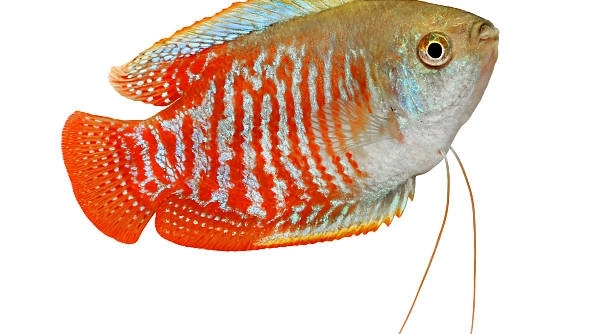
Gouramis are fascinating fish known for their colorful appearance and graceful swimming. They use subtle movements and changes in their body to communicate with each other in their watery environment every day. Observing them can be surprisingly rewarding.
Gouramis rely on a set of visual cues, including body posture, fin movements, color changes, and bubble displays, to convey emotions, establish territory, signal readiness to mate, and respond to threats. These cues are essential for social interactions and survival.
Recognizing these signals helps in understanding gourami behavior and ensuring their well-being in home aquariums and natural habitats. Proper observation can enhance your connection with these captivating fish species.
Body Posture and Positioning
Gouramis often use their body posture to signal intentions and emotions. When a fish arches its back or raises its fins, it is typically asserting dominance or marking territory. Subtle shifts, like leaning toward another fish, can indicate interest or readiness to interact. Observing these movements over time reveals patterns in social behavior and helps identify stress or comfort levels. Even small gestures, such as tilting the body slightly or hovering near a particular area, carry meaning. Positioning near hiding spots may signal fear or caution. Similarly, moving to open spaces can show confidence or curiosity. These non-verbal cues allow gouramis to maintain balance and harmony within a tank or natural habitat. The more time spent watching, the easier it becomes to distinguish between playful displays and serious warnings. Understanding body posture improves care, feeding, and interactions, creating a healthier environment for these delicate fish.
Reading a gourami’s posture helps track emotional state and social status within its group, allowing for better management of interactions and tank dynamics.
Paying attention to subtle body movements can reveal a lot about gouramis’ moods and preferences. Noticing these small signals enhances care and observation.
Fin Movements
Fins are more than just tools for swimming; they are communication instruments. Gouramis spread their fins wide to appear larger when threatened or to show dominance. Flicking or vibrating fins can indicate excitement or agitation. During courtship, males display exaggerated fin movements to attract females, often combining them with body color changes for stronger visual signals. Observing fin movements closely can help distinguish between playful interactions and aggressive encounters. The direction, speed, and frequency of fin motion all carry meaning. Sometimes, subtle twitches signal minor irritation or curiosity, while rapid flaring warns of potential conflict. Learning these signs helps in providing a calm and safe tank environment. Keeping decorations and plants arranged to allow clear visibility of fins aids observation and reduces stress for the fish. Paying attention to these details allows a deeper understanding of how gouramis navigate their social interactions.
Fin displays are essential signals that guide social behavior, mating, and responses to threats in gouramis, making observation critical.
By noticing fin movement patterns daily, you can interpret moods, reduce conflicts, and create a more harmonious habitat for your gouramis. Watching these cues makes their interactions easier to understand.
Color Changes
Gouramis often change color to communicate emotions or status. Brightening may signal excitement or readiness to mate, while dull colors can indicate stress, illness, or submission. Observing these shifts helps understand their mood and social interactions.
Color changes in gouramis are closely linked to their emotional and physical state. Males often display vivid hues during courtship to attract females, while females may show subtle changes in response. Stressful conditions, such as overcrowding or poor water quality, can cause colors to fade. Watching these visual signals helps identify health issues early and maintain a supportive environment. Color shifts also signal dominance or submission among tank mates, influencing feeding behavior and social hierarchy. By tracking these patterns, caretakers can create a calmer, balanced habitat, ensuring gouramis interact safely. Proper lighting and tank arrangement can enhance visibility of these subtle cues.
Monitoring color patterns daily can reveal hidden stressors and emotional shifts. Small changes often indicate larger behavioral trends, providing useful insight for care and observation.
Bubble Nesting
Male gouramis build bubble nests at the water surface as part of mating behavior. These structures signal readiness to breed and protect eggs. The size and density of the nest reflect the male’s health and energy.
Bubble nesting is a precise form of communication. Males collect air bubbles coated with saliva to create floating clusters where eggs can develop safely. This activity demonstrates reproductive health, territorial behavior, and energy levels. Females approach these nests to deposit eggs, and the male guards them until hatching. Bubble nest construction can be influenced by water temperature, cleanliness, and the male’s age. Observing nest building provides insight into compatibility between mates and signals potential breeding success. Changes in bubble size, stability, or location may indicate stress, illness, or environmental issues. Careful monitoring ensures conditions are ideal for reproductive behavior.
Understanding bubble nests allows for better management of breeding and social interactions, ensuring a healthier environment for gouramis. Proper care supports natural behaviors while reducing aggression and stress.
Eye Contact
Gouramis use eye contact to signal attention or interest. A steady gaze can indicate curiosity, while avoiding eye contact often shows submission or caution.
During conflicts, eye contact helps establish dominance without physical confrontation. Maintaining visual awareness of other fish allows gouramis to gauge intentions and respond appropriately.
Body Vibrations
Gouramis sometimes produce subtle body vibrations to communicate. These movements can signal excitement, agitation, or courtship intentions. Vibrations are often paired with fin movements or color changes to enhance the message. Observing these patterns reveals social dynamics, helps prevent aggression, and supports successful breeding by interpreting non-verbal cues accurately.
Swimming Patterns
Distinct swimming patterns indicate mood and intentions. Rapid darting can signal stress or alarm, while slow, deliberate movements suggest comfort and exploration.
FAQ
How can I tell if my gourami is stressed?
Stressed gouramis often show dull colors, erratic swimming, or hiding behavior. They may cling to the bottom of the tank or avoid other fish. Rapid gill movement, loss of appetite, and clamped fins are additional signs. Monitoring these cues helps identify stress early and improve their environment.
Why does my gourami flare its fins suddenly?
Flaring fins is usually a territorial or defensive behavior. Males often flare when asserting dominance or protecting bubble nests. It can also signal agitation if they feel threatened by tank mates. Observing the context of the flare helps determine whether it’s playful, aggressive, or related to breeding.
What does it mean when a gourami changes color?
Color changes communicate emotions, health, or reproductive status. Brightening may indicate excitement or readiness to mate, while fading can signal stress, illness, or submission. Color shifts often accompany fin displays or body posture, providing multiple cues about the fish’s mood and social interactions.
How do I encourage bubble nesting?
Maintain clean, warm water with gentle filtration and provide floating plants or calm surfaces. Male gouramis build nests by blowing saliva-coated bubbles. Reducing stressors, ensuring good nutrition, and keeping compatible tank mates nearby encourages nest building and increases chances of successful breeding.
Why does my gourami follow me around the tank?
Gouramis often follow movement out of curiosity or recognition. They observe your actions to understand the environment and may associate you with feeding times. This behavior is normal and shows engagement with their surroundings, though it can also indicate hunger or territorial interest.
Is aggressive behavior normal among gouramis?
Some aggression is natural, especially between males. Displays like flaring, chasing, or short-term fights establish social hierarchy. Excessive aggression can indicate overcrowding, incompatible tank mates, or stress. Providing ample space, hiding spots, and monitoring interactions reduces conflict and promotes harmony.
How important are visual cues in gourami communication?
Visual cues are essential for social interaction, mating, and survival. Body posture, fin movements, color changes, eye contact, and bubble nests all convey messages. Recognizing these signals allows for better care, reduces conflict, and helps maintain a balanced tank environment.
Can gouramis communicate with other species?
While most cues target other gouramis, some signals may influence tank mates. Aggressive displays, rapid swimming, or color changes can warn other fish of potential danger or territory boundaries. Understanding these interactions helps prevent stress and ensures peaceful coexistence.
What should I do if my gourami stops showing visual cues?
A lack of typical signals may indicate stress, illness, or environmental issues. Check water quality, temperature, and diet, and observe tank dynamics. Restoring optimal conditions often brings back natural behaviors, while prolonged absence of cues may require veterinary attention.
How do I differentiate between mating and aggressive displays?
Mating displays include bright colors, bubble nest building, and synchronized movements toward females. Aggressive behavior usually involves chasing, flaring, and direct confrontations with other males. Context, frequency, and accompanying cues help distinguish these behaviors and guide proper tank management.
Can I train my gourami to recognize me using visual cues?
Yes, consistent presence during feeding or interaction can teach gouramis to recognize you. They respond to gestures, body movements, and feeding routines. Over time, they may approach or follow you, showing that visual recognition plays a role in forming familiarity.
Why do gouramis vibrate or twitch their bodies?
Subtle vibrations communicate excitement, agitation, or courtship intentions. These movements often accompany fin displays and color changes. Observing when and how often this happens provides insight into social dynamics, mood, and readiness to breed.
How long does it take to read a gourami’s signals accurately?
Understanding visual cues takes consistent observation over weeks or months. Each fish has slight individual differences, but patterns emerge with attention. Tracking posture, color, fin movement, and nesting behavior builds a reliable understanding of mood, health, and social status.
Are some visual cues more important than others?
All cues work together to convey information. Body posture and fin movements often indicate immediate intent, while color changes and bubble nests communicate emotional and reproductive states. Eye contact and swimming patterns add context. Recognizing multiple signals ensures accurate interpretation of behavior.
Can environmental changes affect visual communication?
Yes, poor lighting, cluttered tanks, or water quality issues can obscure or alter cues. Gouramis may become stressed or fail to display normal behaviors. Maintaining a stable, clean environment ensures signals remain visible and effective for social interaction and breeding.
How do I know if my gourami is ready to breed?
Signs include brightened colors, active fin displays, and bubble nest building by males. Females may show subtle color shifts and follow the male closely. Observing consistent behaviors indicates readiness and helps plan breeding while reducing stress and aggression.
What role does eye contact play in social interaction?
Eye contact helps establish dominance, curiosity, or submission. Direct gazes often communicate attention or interest, while avoiding contact can signal caution. Understanding this subtle cue aids in managing tank hierarchies and minimizing conflict.
Can visual cues indicate illness?
Yes, faded colors, clamped fins, erratic swimming, or lack of usual displays can signal disease or stress. Early detection through observation allows for timely intervention, improving health and survival chances. Monitoring patterns over time ensures subtle signs are not overlooked.
Do gouramis communicate when alone?
Even when alone, gouramis may use visual signals as part of instinctive behavior. Body posture, fin movements, and color changes can occur without other fish, often reflecting mood, readiness to eat, or environmental responses.
How can I improve my ability to read gourami cues?
Spend time observing their natural behavior, note patterns in posture, color, fin movements, and nesting. Keep a consistent environment, reduce stressors, and compare individual differences. Patience and daily attention improve understanding, making care and interaction more rewarding.
Final Thoughts
Understanding the visual cues of gouramis is key to providing a comfortable and healthy environment. These fish communicate in subtle ways that are easy to miss without careful observation. From body posture and fin movements to color changes and bubble nests, each signal carries meaning. Recognizing these behaviors allows you to better interpret their mood, stress levels, and social interactions. Paying attention to these cues can prevent conflicts in a tank, help with successful breeding, and ensure that the fish remain active and healthy. Over time, observing these patterns becomes easier, and it can feel rewarding to understand what your gouramis are “saying” without them making a sound.
Providing the right environment greatly supports clear communication. Proper water quality, suitable temperature, and a well-arranged tank with hiding spots and open spaces make it easier for gouramis to display their natural behaviors. Stress from overcrowding, poor diet, or inconsistent conditions can alter their signals or make them stop showing cues altogether. By maintaining stable conditions, you allow gouramis to express themselves fully, which also makes them easier to read. Small daily observations, like noting color shifts or fin flares, give insight into health and temperament. The more consistent and calm their surroundings, the more reliable and visible their visual cues become. Understanding these behaviors not only improves care but also creates a more engaging and dynamic aquarium experience.
Interpreting gourami communication is a gradual process that requires patience and attention. Each fish may have slight differences in how they display cues, but general patterns are consistent across the species. Over time, you may notice subtle signs that indicate happiness, stress, or readiness to breed. Observing interactions between gouramis also helps in managing social hierarchies and reducing aggression. Paying attention to eye contact, swimming patterns, and bubble nest activity gives additional context to their behavior. Ultimately, understanding these visual signals allows for better care, more successful breeding, and a deeper appreciation for the complexity of these fish. Recognizing and responding to their non-verbal communication creates a healthier, more balanced aquarium and strengthens the connection between caretaker and fish.

Hello,
If you enjoy the content that we create, please consider saying a "Thank You!" by leaving a tip.
Every little bit helps us continue crafting quality advice that supports the health, happiness, and well-being of pets around the world, for pets of all shapes, sizes, and species.
We really appreciate the kindness and support that you show us!