
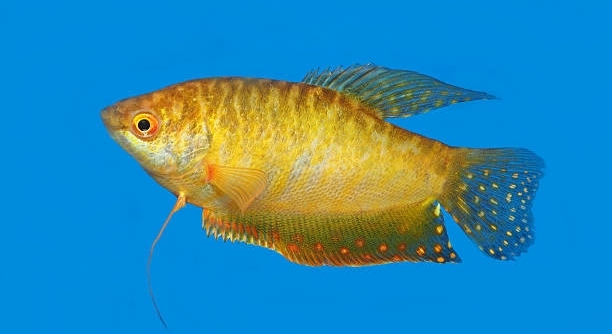
Do you care for gourami fish but notice signs of stress during feeding times, even with regular care and clean water, small feeding habits can affect their comfort, behavior, and overall health in subtle ways.
The primary cause of gourami stress related to feeding is improper food type, quantity, and frequency. Inconsistent nutrition disrupts digestion, water quality, and social balance. Over time, these factors elevate cortisol levels, weaken immunity, and increase susceptibility to disease progressively.
Learning how daily feeding choices influence gourami well-being can help create calmer tanks and healthier fish over time consistently naturally.
Overfeeding and Poor Portion Control
I used to think feeding gouramis was simple, but small errors added up quickly. Offering too much food leads to leftover particles sinking and breaking down. This decay releases waste that clouds water and strains filtration. Gouramis are sensitive to poor water conditions, and constant exposure raises stress levels. Overfeeding also causes bloating and sluggish movement, making fish less active during social interactions. When food is always available, natural feeding rhythms disappear, which affects digestion and behavior. In shared tanks, excess food can increase competition, pushing calmer gouramis into hiding. Stress builds quietly through these daily habits. By limiting portions and watching how quickly food is eaten, feeding becomes controlled and predictable. This steady approach supports cleaner water, balanced behavior, and calmer fish that feel secure in their environment. Consistency reduces sudden changes, helping gouramis remain confident, visible, and relaxed throughout daily feedings without unnecessary tension inside the aquarium space.
Feeding once or twice daily in measured amounts prevents waste buildup and supports stable water conditions. I found that removing uneaten food after a few minutes noticeably reduced tension, improved activity, and kept gouramis swimming openly instead of retreating into plants during calm, predictable feeding routines each day at home.
Another mistake involves ignoring food variety and texture. Gouramis require balanced nutrition from flakes, pellets, and occasional frozen options. Feeding the same food daily limits nutrients and causes boredom-like behavior. I noticed dull colors and reduced interest when variety was lacking. Different textures also encourage natural foraging and slower eating. This reduces aggressive feeding bursts that increase stress. Rotating foods supports digestion and strengthens immunity. Small adjustments, such as alternating protein sources, create enrichment without overfeeding. A thoughtful feeding plan keeps gouramis engaged, nourished, and more at ease within their tank over time through consistent observation and care at home.
Inconsistent Feeding Schedules and Tank Dynamics
Feeding at inconsistent times can unsettle gouramis and disrupt their internal rhythms. Irregular schedules create anticipation stress, especially in community tanks. I noticed calmer behavior once feedings occurred at the same times daily, allowing fish to settle, wait calmly, and resume normal swimming patterns without sudden changes or visible tension.
Another feeding mistake involves overlooking social dynamics during meals. Gouramis can be peaceful, yet hierarchy forms quickly around food. Dropping food in one spot encourages dominant fish to rush, leaving quieter gouramis underfed and stressed. I learned that spreading food across the surface reduced chasing and allowed equal access. Using sinking and floating foods together helps reach different swimming levels. Feeding with lights fully on also improves visibility and reduces surprise reactions. Monitoring interactions during feeding reveals early signs of stress, such as clamped fins or avoidance. Adjustments should be slow and consistent to avoid further disruption. A calm feeding environment supports confidence and reduces hiding. When gouramis feel secure during meals, their overall behavior becomes steadier, colors improve, and the tank feels balanced. Thoughtful feeding is not only about nutrition, but about maintaining emotional stability within the aquarium. I found that observing quietly for several minutes after feeding provided valuable insight. Small changes in posture or spacing often appeared before health issues. Addressing these signs early prevented long-term stress and supported a more harmonious tank environment for everyone involved. This approach helped me respond calmly and maintain consistent routines without creating additional pressure during feeding times for sensitive fish.
Low-Quality and Improper Food Choices
I once overlooked food quality, assuming all options worked the same. Low-grade foods break apart fast, clouding water and reducing nutrition. Gouramis exposed to this often show dull colors, slower movement, and reduced appetite, which quietly increases stress levels over time, especially in smaller tanks with limited filtration support systems.
Poor food quality affects gouramis beyond basic nutrition. Fillers and excess starches pass through uneaten, increasing waste and altering water chemistry. I noticed more surface gasping and erratic swimming when using cheap flakes. These foods lack essential vitamins, weakening immune response over time. Stress builds as fish struggle to process meals offering little benefit. Choosing high-quality food with clear ingredients supports digestion and reduces waste output. Pellets that hold their shape longer allow controlled feeding, better absorption, and calmer behavior during meals. This simple change improved stability and reduced visible stress signals in my aquarium over time with consistent use.
Another feeding mistake involves ignoring food size and hardness. Large pellets force gouramis to bite aggressively, increasing tension and missed meals. Very hard foods soften slowly, leading to frustration and competition. I found that appropriately sized, slightly softer foods allowed slower eating and better digestion. Smaller bites reduce gulping air, which helps prevent buoyancy issues. Matching food size to mouth shape supports natural feeding behavior. This adjustment lowered conflict and improved overall comfort during feeding times. Over time, this reduced stress responses and encouraged steady, calm participation at every meal within shared tanks and planted environments alike for daily routines.
Feeding at the Wrong Time and Conditions
Feeding unsuitable foods, such as items meant for faster or aggressive species, can raise gourami stress. Foods that sink too quickly or disperse unevenly cause frantic movement. I noticed increased chasing and fin clamping when food choice did not match gourami behavior. Selecting species-appropriate diets supports calmer feeding interactions and steady intake. This change helped reduce competition and allowed quieter fish to eat without pressure during routine feedings in mixed community tanks at home setups.
Another overlooked issue is feeding during high-traffic tank moments. Dropping food during maintenance or sudden light changes startles gouramis. I learned that calm conditions matter as much as food itself. Feeding when lights are stable and hands are out of the tank reduced panic responses. Gouramis thrive on predictability. Repeated disruptions cause hiding and skipped meals, which increases stress. Allowing a brief settling period before feeding helps fish approach food calmly. This small habit improved consistency and reduced stress-related behaviors across the tank for daily feeding. Over time, I noticed better posture, steadier swimming, and more reliable feeding participation without visible tension signs. These changes supported long-term stability and made daily care feel calmer and more controlled for everyone involved in the tank setup routines.
Skipping Feedings or Feeding Too Infrequently
I noticed stress rising when feeding was skipped after busy days. Gouramis became restless and searched constantly. Missing meals disrupts energy balance and weakens immunity. Regular feeding gaps force fish to compete harder later, increasing tension and causing erratic behavior during the next feeding periods affect overall tank calmness too.
Overcompensating after missed feedings also creates problems. I once added extra food to make up for it. This caused waste spikes and aggressive feeding. Gouramis need consistency, not sudden changes. Steady portions keep digestion stable and prevent stress caused by feast style feeding cycles in home aquariums over time daily.
Feeding Only at One Level in the Tank
Another mistake is relying only on surface feeding. Gouramis feed at different levels, and limiting access increases stress. I noticed timid fish falling behind while bolder ones dominated meals. Using floating and slow sinking foods spreads access. This supports natural movement and reduces chasing. Feeding only at the surface also encourages air gulping, which can affect buoyancy. By varying food placement, fish remain calmer and more engaged. Balanced distribution helps all gouramis eat without pressure. This simple adjustment reduced hiding, improved posture, and created smoother feeding interactions throughout the tank each day consistently with less conflict and stable routines daily.
Ignoring Behavioral Changes After Feeding
Feeding without observing behavior can hide early stress signs. I learned to watch fins, spacing, and speed after meals. Subtle changes often signal discomfort. Adjusting food type or timing early prevents long term issues and keeps gouramis calm, visible, and active within shared tanks at home setups over time consistently.
FAQ
How much should I feed my gouramis each day?
I found that small portions work best. Gouramis should receive only what they can finish within two to three minutes. This prevents leftover food from sinking and affecting water quality. Consistent portions support digestion and reduce stress during feeding.
Can overfeeding really cause stress in gouramis?
Yes, overfeeding affects more than water clarity. Excess food increases waste, which alters water chemistry. Gouramis exposed to this often show hiding behavior, slower swimming, and reduced appetite. Over time, this constant imbalance raises stress levels.
Is it harmful to skip a feeding once in a while?
Occasional missed feedings are not harmful, but frequent skipping creates problems. I noticed restless behavior when meals were inconsistent. Gouramis rely on routine. Irregular feeding leads to competition and tension during the next meal.
What type of food is best for gouramis?
High-quality flakes or pellets designed for tropical fish work well. I rotate these with frozen or dried foods for balance. Foods with clear ingredients support better digestion and stronger immune response, which helps lower stress over time.
Does food size matter for gouramis?
Food size matters more than expected. Large or hard pieces cause aggressive biting and missed meals. Smaller, softer foods allow calmer feeding and reduce air gulping. This helped stabilize swimming behavior in my tank.
Should gouramis be fed at the same time every day?
Yes, feeding at consistent times reduces anticipation stress. When I fed at random hours, fish seemed unsettled. A regular schedule helped them remain calm and visible throughout the day.
Can feeding location affect gourami stress?
Feeding in one spot can cause chasing. I learned to spread food across the surface and water column. This allows equal access and reduces dominance behavior, especially in community tanks.
Is surface-only feeding a problem?
Surface-only feeding limits access for some fish. Gouramis feed at different levels. Using floating and sinking foods encouraged natural movement and reduced pressure during meals.
How do I know if feeding is stressing my gouramis?
Signs include clamped fins, hiding, darting movements, or refusal to eat. I started watching behavior after feeding, not just during it. Changes often appeared within minutes.
Can poor feeding habits weaken gourami immunity?
Yes, stress from feeding errors lowers resistance to illness. I noticed fewer issues once feeding became balanced and predictable. Proper nutrition supports long-term health.
Does tank lighting affect feeding behavior?
Feeding during sudden light changes caused panic in my tank. Stable lighting during meals allowed calmer responses. Gouramis need predictable conditions to feel secure.
Should I remove uneaten food?
Always remove leftovers. Even small amounts break down quickly. Doing this reduced water issues and visible stress in my aquarium.
Can feeding mistakes cause aggression between gouramis?
Yes, competition for food increases aggression. Adjusting portion size and distribution reduced chasing and fin damage over time.
Is variety in diet important?
Variety prevents nutrient gaps and keeps feeding behavior steady. I noticed better color and activity after rotating foods weekly.
How long does it take to see improvement after fixing feeding mistakes?
Changes often appear within days. Calmer swimming and better appetite were early signs. Long-term benefits followed with consistency.
Can feeding stress affect breeding behavior?
Yes, stressed gouramis are less likely to display natural breeding behavior. Stable feeding supports overall confidence and normal social interaction.
Should feeding routines change as gouramis age?
Older gouramis benefit from slightly smaller portions and softer foods. Adjusting this reduced strain and improved comfort during meals in my experience.
Is feeding during tank maintenance a bad idea?
Yes, feeding during cleaning caused startled responses. Waiting until the tank settled helped prevent skipped meals and stress.
Can feeding mistakes impact tank balance overall?
Absolutely. Feeding affects water quality, behavior, and health. Once feeding was corrected, the entire tank felt more stable and easier to maintain.
What is the simplest feeding change that reduces stress?
Consistency. Feeding the right amount, at the same time, with suitable food made the biggest difference for my gouramis over time.
Final Thoughts
Feeding gouramis often feels simple at first, yet small habits shape their daily comfort more than expected. I learned that stress rarely comes from one large mistake, but from repeated choices made without much thought. Portion size, food quality, timing, and observation all work together. When feeding stays consistent and calm, gouramis respond with steadier movement, better color, and visible confidence. These changes do not happen overnight, but they become noticeable when routines remain stable. A thoughtful feeding approach supports not only physical health but also emotional balance within the tank. Over time, this creates an environment where gouramis feel safe enough to explore, interact, and remain active throughout the day. Feeding then becomes less about routine and more about supporting a healthy rhythm that benefits the entire aquarium.
Another important realization is that feeding does not end once food hits the water. Watching behavior afterward matters just as much. Subtle signs such as spacing, fin position, and swimming speed often reveal stress before it turns into illness. I found that slowing down and observing quietly helped me adjust early. Simple changes like spreading food or switching textures reduced tension almost immediately. These moments of observation made feeding feel more intentional and less rushed. Gouramis thrive when their environment feels predictable. When meals arrive calmly and without disruption, they remain present instead of hiding. Over time, this consistency builds trust within the tank. The result is a space that feels balanced and easier to manage, with fewer surprises and fewer health concerns tied to stress.
Feeding mistakes are common, especially when schedules change or assumptions go unchecked. The key is not perfection, but awareness and adjustment. I learned that correcting one habit at a time worked better than making sudden changes. Gouramis respond best to gradual improvements. Even small steps, like choosing better food or feeding at the same time daily, create noticeable benefits. These efforts reduce waste, improve water quality, and support natural behavior. In the long term, thoughtful feeding saves time and effort by preventing avoidable problems. A calm feeding routine supports healthier fish and a more enjoyable aquarium experience overall. With steady care and simple observation, feeding becomes a reliable tool for maintaining peace, stability, and long-term well-being in the tank.

Hello,
If you enjoy the content that we create, please consider saying a "Thank You!" by leaving a tip.
Every little bit helps us continue crafting quality advice that supports the health, happiness, and well-being of pets around the world, for pets of all shapes, sizes, and species.
We really appreciate the kindness and support that you show us!