
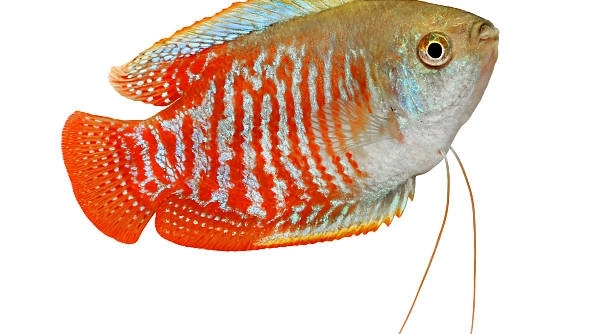
Gouramis are peaceful freshwater fish that enjoy exploring their surroundings. Their activity levels can vary based on environment, diet, and social interactions. Understanding how to encourage movement can improve both their health and overall happiness in the tank.
Providing a balanced diet, proper tank size, appropriate water conditions, hiding spots, live plants, compatible tank mates, and regular light cycles significantly increases gouramis’ activity. Each factor contributes to their natural behavior, promoting movement, reducing stress, and supporting long-term health in captivity.
Knowing these key factors can help you create a more stimulating environment. Your gouramis’ liveliness will benefit from small, consistent adjustments.
Proper Tank Size
Gouramis need space to swim freely, and a cramped tank can limit their activity. A minimum of 20 gallons is recommended for smaller species, while larger varieties may require 30 gallons or more. A spacious tank allows them to explore, establish territories, and interact naturally with other fish. Decorations and plants should provide hiding spots but not overcrowd the swimming area. Monitoring water flow is important, as gouramis prefer gentle currents that let them move without struggling. Regular cleaning helps maintain clear water, encouraging them to remain active rather than hiding in corners. Observing their behavior can reveal if they feel comfortable, as lethargic fish often signal stress or inadequate space. Adding features gradually, like floating plants or small caves, can stimulate curiosity and movement. Balancing tank size, décor, and water conditions ensures gouramis can exercise, explore, and display natural behaviors, promoting both physical health and mental stimulation over time.
A larger tank encourages movement and reduces stress. Gouramis feel more confident and explore their environment actively.
Providing enough space prevents territorial disputes. Fish can swim without obstruction, interact with plants and tank mates, and maintain energy levels. Regular adjustments in layout keep their environment engaging, helping maintain consistent activity and overall health.
Balanced Diet
A proper diet directly affects gouramis’ energy and activity. Feeding high-quality pellets or flakes ensures essential nutrients, while occasional live or frozen foods like brine shrimp or daphnia provide variety and stimulation. Overfeeding can lead to lethargy and poor water quality, so portion control is crucial. Introducing different food textures encourages natural foraging behaviors, keeping them active. Observing their feeding habits helps identify preferences and health concerns, such as reduced appetite indicating stress or illness. Supplements, like spirulina or vegetable matter, support color, immunity, and energy. Rotating food types weekly prevents boredom and promotes movement, as they search and compete for meals. Even small treats can motivate activity, but consistency is key. Feeding schedules should be predictable, allowing gouramis to anticipate and respond actively during meal times. Combined with proper tank conditions, a balanced diet ensures they remain lively, healthy, and mentally engaged throughout their daily routine.
Maintaining variety in meals keeps gouramis alert. Nutrient-rich foods and careful portions encourage natural movement and prevent sluggish behavior.
Hiding Spots
Providing hiding spots helps gouramis feel secure, which increases their willingness to explore and swim actively. Caves, driftwood, and dense plant clusters offer refuge while encouraging natural movement throughout the tank.
Hiding spots reduce stress by giving gouramis a place to retreat when they feel threatened or overwhelmed. When fish feel safe, they are more likely to explore open areas, interact with tank mates, and engage in normal behaviors. Plants and decorations create vertical and horizontal spaces, allowing gouramis to choose different routes and vantage points. Floating plants can diffuse light, creating shaded areas that stimulate movement between bright and dark zones.
Even with ample space, gouramis may remain inactive without proper cover. Layering plants and structures encourages exploration while balancing open swimming areas. Observing their use of hiding spots can guide adjustments, ensuring they feel comfortable and remain active.
Compatible Tank Mates
Selecting compatible tank mates minimizes aggression and fosters a lively environment. Peaceful fish that occupy different tank levels prevent conflict and encourage movement.
Aggressive or territorial species can intimidate gouramis, causing them to hide and reduce activity. Small, calm fish that swim at mid or lower levels complement gouramis’ natural tendencies, creating balanced interactions without competition for territory. Introducing tank mates gradually allows gouramis to adjust while observing social dynamics. Properly spaced decorations and plants prevent overcrowding, giving each species its own zone to reduce stress. Compatibility extends to feeding, as peaceful cohabitants avoid disputes during meals, allowing gouramis to eat and swim freely. Monitoring behavior is essential; signs of stress or aggression require rearranging the tank or adjusting species composition to maintain a harmonious environment and promote active behavior.
Water Conditions
Stable water conditions keep gouramis healthy and active. Consistent temperature, pH, and cleanliness reduce stress and encourage normal swimming behavior.
Regular testing and adjustments prevent sudden changes that can lead to lethargy. Clean water and gentle filtration support oxygen levels and overall vitality.
Live Plants
Live plants provide both shelter and stimulation. Gouramis explore, hide, and interact with plants, which encourages movement and natural behaviors. Floating and rooted plants create vertical and horizontal swimming paths.
Light Cycles
Maintaining a regular light cycle supports gouramis’ internal rhythms. Consistent day and night periods help regulate activity and feeding behavior, keeping them lively.
FAQ
How often should I feed my gouramis to keep them active?
Feeding small portions two to three times daily keeps gouramis energetic and prevents overfeeding. Balanced meals with pellets or flakes, supplemented with occasional live or frozen foods, provide essential nutrients and stimulate natural foraging behavior. Consistency in feeding times helps them anticipate meals and remain active.
Can gouramis get stressed from overcrowding?
Yes, overcrowding can lead to stress, aggression, and lethargy. Providing adequate space and compatible tank mates allows gouramis to swim freely, establish territories, and display natural behaviors. Observing social interactions and adjusting population or tank layout ensures a healthier and more active environment.
Do hiding spots really make a difference in activity levels?
Absolutely. Hiding spots give gouramis security, reducing stress and encouraging exploration. Plants, caves, and driftwood offer refuge while stimulating movement. When they feel safe, gouramis swim more confidently and interact naturally with their surroundings, increasing overall activity.
Is tank temperature important for gourami activity?
Yes, temperature directly affects metabolism and energy. Maintaining a stable range of 75–82°F for most gouramis ensures optimal movement and feeding behavior. Sudden fluctuations can cause lethargy or stress, so a reliable heater and thermometer are essential for keeping activity consistent.
How do water parameters influence movement?
Stable pH, ammonia, nitrite, and nitrate levels are crucial for healthy fish. Imbalanced water chemistry causes discomfort and reduces swimming activity. Regular testing and water changes maintain a safe environment, allowing gouramis to remain energetic and explore their tank confidently.
Can diet variety really impact their liveliness?
Yes, offering varied foods prevents boredom and encourages natural foraging. Live, frozen, and plant-based foods provide different textures and nutrients, promoting movement. Rotating meals weekly keeps them interested, stimulates activity, and supports overall health and coloration.
Do light cycles affect gourami behavior?
Consistent day and night periods regulate their circadian rhythm. Gouramis become more active during light periods and rest in the dark. Irregular lighting can disrupt behavior, leading to reduced movement or stress, so timers or predictable light schedules help maintain liveliness.
What tank decorations best promote activity?
A mix of open swimming areas and structured hiding spots works best. Floating plants, driftwood, and vertical elements create varied swimming paths. This encourages exploration and interaction, providing mental and physical stimulation while preventing boredom and inactivity.
How can I tell if my gouramis are happy and active?
Active swimming, regular feeding, exploring plants, and interacting with tank mates indicate contentment. Dull coloration, prolonged hiding, or sluggish movement suggests stress or illness. Observing daily behavior helps identify issues early and maintain optimal activity levels.
Are tank mates important for maintaining energy?
Yes, compatible, peaceful fish enhance activity without causing stress. Aggressive or overly territorial species reduce movement and increase hiding behavior. Introducing calm, mid- to lower-level swimmers encourages natural social interactions, keeping gouramis engaged and active within the tank.
Can adding live plants improve their health too?
Live plants not only provide hiding spots but also improve water quality by absorbing nitrates and producing oxygen. This supports metabolic functions and encourages exploration. A well-planted tank combines security, stimulation, and cleaner water, promoting consistent activity and overall vitality.
How do I adjust the tank to encourage more movement?
Rearranging plants, decorations, and hiding spots periodically creates new swimming paths and areas to explore. Maintaining open spaces alongside shelter ensures safe exploration. Observing responses helps fine-tune the setup, ensuring gouramis stay lively and mentally stimulated while minimizing stress.
Is it necessary to monitor water flow for activity?
Yes, gouramis prefer gentle currents. Strong flow can tire them or cause stress, limiting movement. Adjusting filters or adding flow deflectors ensures a comfortable environment that encourages natural swimming and exploration without unnecessary strain.
How long does it take to see increased activity after making changes?
Behavioral improvements can appear within days to a few weeks, depending on the adjustment. Gradual changes in tank setup, diet, or light cycles allow gouramis to acclimate comfortably, leading to noticeable increases in energy and engagement.
Can seasonal changes affect activity?
Yes, seasonal temperature shifts or light variations can impact movement. Maintaining stable indoor conditions and consistent lighting helps offset external changes, ensuring gouramis remain active year-round and continue displaying natural behaviors.
What is the best way to combine all these methods?
A holistic approach works best: provide sufficient space, compatible tank mates, hiding spots, live plants, varied diet, stable water parameters, and consistent light cycles. Regular observation and minor adjustments ensure gouramis remain active, healthy, and mentally stimulated in a well-balanced environment.
Gouramis are naturally curious and peaceful fish, and their activity levels can tell a lot about their well-being. A lively gourami is often a healthy one, responding well to its environment, interacting with tank mates, and exploring its surroundings. Maintaining proper tank conditions is key to ensuring consistent movement. Adequate space allows them to swim freely without stress, while proper water parameters such as stable temperature, pH, and cleanliness prevent discomfort that can lead to lethargy. Observing their daily behavior helps identify potential issues early, whether it is reduced swimming, hiding excessively, or showing unusual signs that could indicate illness or stress. Regular maintenance, including water changes and monitoring filtration, creates an environment that supports both physical and mental activity. It is not just about keeping the water clean; it is about creating a balanced habitat where gouramis feel secure and motivated to move naturally.
Diet plays an equally important role in promoting activity. A balanced combination of high-quality pellets, flakes, and occasional live or frozen foods provides the nutrients necessary for energy and overall health. Variety in meals keeps them engaged, as it encourages natural foraging behavior and prevents boredom. Overfeeding or inconsistent feeding schedules can have the opposite effect, causing sluggishness and poor water quality. Offering supplements such as spirulina or small amounts of vegetables helps maintain coloration, energy, and immunity, further supporting active behavior. The way food is presented also matters. Spreading it in different areas of the tank or using floating and sinking options encourages movement as gouramis search for and consume their meals. A consistent and well-planned diet works hand in hand with environmental adjustments to maintain healthy activity levels.
Environmental enrichment, such as live plants, hiding spots, and compatible tank mates, enhances both security and stimulation. Live plants provide areas for hiding, exploration, and interaction, while structured décor encourages movement by creating different swimming paths. Properly selected tank mates reduce stress and foster social interactions that can motivate gouramis to swim and explore. Even light cycles play a role, as consistent day and night periods regulate their natural rhythms. Small, gradual changes to the tank layout, feeding practices, or water conditions can lead to noticeable improvements in activity. Paying attention to these factors ensures that gouramis remain lively, healthy, and engaged. By combining space, diet, and environmental enrichment thoughtfully, you can create a balanced and supportive habitat where your gouramis thrive and display their natural behaviors consistently.

Hello,
If you enjoy the content that we create, please consider saying a "Thank You!" by leaving a tip.
Every little bit helps us continue crafting quality advice that supports the health, happiness, and well-being of pets around the world, for pets of all shapes, sizes, and species.
We really appreciate the kindness and support that you show us!