
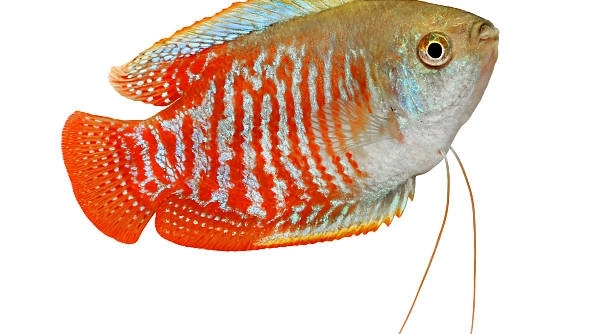
Gouramis are colorful and peaceful freshwater fish that often captivate aquarium enthusiasts. Their curious nature makes them engaging pets, and many owners enjoy observing their behaviors closely in a calm home environment.
Gouramis can be trained to eat from your hand with consistent practice, patience, and careful observation. Establishing trust gradually, using small amounts of food, and maintaining a predictable routine are essential for successful hand-feeding interactions.
Learning how to hand-feed gouramis strengthens the bond between owner and fish while improving daily care routines. This simple practice can enhance your aquarium experience and reveal more about your pet’s personality.
Understanding Gourami Behavior
Gouramis are naturally curious and cautious fish. They observe their surroundings carefully, which can make initial hand-feeding attempts slow. It is important to recognize their body language. Signs like flaring fins, quick movements, or retreating indicate stress or fear. When these behaviors are noticed, it is best to pause and allow the fish to acclimate. Gouramis respond positively to consistent routines. Feeding them at the same time each day builds familiarity and trust. Using calm, slow movements when approaching the tank helps reduce anxiety. Over time, they may begin to associate your hand with food rather than a threat. It is also helpful to start with small, floating food pellets that are easy to grab. By observing each fish individually, you can adjust your approach to suit their comfort level. Patience and attention to detail are key components in establishing successful hand-feeding.
Starting slow and maintaining calm behavior improves the likelihood of hand-feeding success.
Consistent daily practice strengthens trust, and each positive interaction encourages gouramis to approach more readily. Small adjustments, such as lowering your hand gradually or offering food at a consistent angle, can make a significant difference. Watching for subtle cues, like tentative nibbling, allows you to gauge readiness for closer interactions. Avoid sudden movements, loud noises, or overfeeding, as these can set back progress. Using food sparingly encourages focus and builds anticipation, which fosters better engagement. Over several sessions, gouramis may begin taking food directly from your fingers without hesitation. Documenting their progress can help track which techniques work best. Each fish has its own comfort level, so flexibility and observation are essential. With patience, you can create a routine where hand-feeding becomes a rewarding and stress-free experience for both you and your fish.
Tips for Successful Hand-Feeding
Start with familiar food that gouramis already enjoy.
Select small, easy-to-handle pellets or flakes, and avoid overfeeding during practice. Introduce food slowly by offering it in your hand while keeping movements minimal. Positioning your hand consistently helps the fish recognize where the food will appear. Repeating this process daily builds recognition and reduces hesitation. It is important to respect each fish’s comfort level and not force interactions. By monitoring reactions closely and adjusting your approach, hand-feeding becomes more predictable and less stressful. Gradually, gouramis will begin approaching your hand voluntarily, increasing the success rate of feeding sessions. Timing, patience, and consistency are essential to creating a positive feeding experience.
Patience, observation, and small, controlled steps are vital. Over time, this practice fosters confidence and trust. Maintaining a calm, predictable environment ensures that gouramis remain comfortable during hand-feeding, and small incremental improvements lead to lasting results. Adjusting the pace according to each fish’s behavior helps prevent stress, while consistent daily routines reinforce positive associations with your presence. Using minimal food initially encourages focus and interest without overwhelming them. As comfort grows, you can experiment with slightly larger amounts or different textures, always observing their responses. Documenting progress allows refinement of techniques, ensuring hand-feeding becomes a smooth, rewarding practice. Remaining attentive to body language, offering slow movements, and maintaining consistency ensures that each session strengthens trust. Over time, gouramis develop recognition of your hand, reducing fear and increasing interaction. This method not only improves feeding efficiency but also enhances your connection with the fish, making aquarium care more engaging and enjoyable.
Creating a Calm Environment
Keep the tank area quiet and free from sudden movements. Gouramis are sensitive to noise and vibrations, which can make them hesitant to approach your hand. Soft lighting and minimal disturbances help them feel secure, increasing the chances they will accept food directly.
A predictable environment encourages consistent hand-feeding behavior. Avoid tapping the glass or moving objects near the tank during practice sessions. Consistency in water temperature, cleanliness, and feeding schedule supports comfort and reduces stress. By maintaining a calm atmosphere, gouramis focus more on the food than on potential threats. Slowly moving your hand into the tank and holding it steady allows fish to assess and feel safe. Over time, this controlled environment teaches them to associate your presence with feeding rather than danger. Patience and observation are essential for fostering trust in a peaceful setting.
Removing sudden distractions improves the interaction between you and your fish. It allows gouramis to notice and respond to your hand without fear. Even subtle changes in lighting or activity can cause hesitation. Maintaining a calm tank environment increases their confidence, encouraging them to approach voluntarily. Small, deliberate movements are more effective than frequent, rapid gestures. This method reduces stress and ensures that feeding sessions remain positive. Gradually, fish recognize your hand as a source of food and feel comfortable enough to nibble directly. Attention to environmental stability is as important as the hand-feeding technique itself.
Gradual Hand-Feeding Technique
Start by placing food near the surface, not directly in contact with your fingers.
Offer small amounts of food near the water’s surface, allowing gouramis to see and approach it naturally. Slowly lower your hand over multiple sessions, letting them get used to its presence. Avoid sudden movements that might scare them away. Consistency is key, as gradual exposure builds trust.
Position your hand at the edge first, letting fish swim close without touching. Once they are comfortable, place food on your palm and hold it still. Observe their reactions and retreat slightly if they appear nervous. Over repeated sessions, they begin associating your hand with feeding. Using the same hand, angle, and distance each time reduces confusion and accelerates learning. Some gouramis may start nibbling cautiously before fully taking food, which is a positive sign of progress. Gradual exposure respects their comfort while encouraging engagement. Timing sessions during normal feeding periods helps reinforce the connection, making hand-feeding a natural extension of their routine.
Hand Positioning and Timing
Hold your hand steady just above the water, allowing gouramis to approach naturally. Quick movements can startle them, so patience is essential. Feeding during regular meal times increases their willingness to take food from your hand.
Lowering your hand gradually over sessions helps build recognition. Using the same hand consistently allows them to learn faster. Positioning at a comfortable angle and distance ensures they feel safe.
Encouraging Boldness
Gently offer food on your palm and keep your hand still. Allow gouramis to explore at their own pace without rushing. This method encourages them to take the first nibble and gradually increases confidence in hand interactions. Repeated practice reinforces comfort and trust.
Avoiding Common Mistakes
Overfeeding or moving too quickly can undo progress. Keeping sessions short and consistent ensures gouramis remain comfortable. Patience and small steps prevent stress and maintain positive associations with hand-feeding.
FAQ
Can all types of gouramis be hand-fed?
Most gourami species can be trained to eat from your hand, including dwarf, pearl, and kissing gouramis. However, individual temperament varies. Some may be naturally shy, requiring more patience, while others are bolder and learn quickly. Observing each fish’s behavior helps determine the best approach.
How long does it take for gouramis to eat from your hand?
The timeline depends on the fish’s comfort level and the consistency of your practice. Some gouramis may begin nibbling within a few days, while others take several weeks. Short, calm sessions daily tend to produce faster results than sporadic attempts. Patience is crucial for building trust.
What type of food should I use?
Small, easily manageable foods work best. Floating pellets or flakes allow gouramis to approach without difficulty. Avoid large or sinking pieces at first. Using familiar foods that they already enjoy encourages quicker recognition and reduces hesitation during the learning process.
Do I need to remove other fish during hand-feeding?
It can be helpful in tanks with multiple fish, especially if some are aggressive or overly competitive. Separating the target gourami or using a calm feeding area ensures it feels safe and reduces distractions. Over time, multiple fish may learn the behavior together.
What if my gourami is scared of my hand?
Start by offering food near the hand instead of directly on it. Keep movements slow and predictable. Gradually bring the hand closer over multiple sessions. Avoid forcing interaction, as stress can reverse progress. Observing body language is essential to gauge comfort and readiness.
How often should I practice hand-feeding?
Daily sessions are ideal, but consistency matters more than frequency. Even a few minutes each day is effective if done calmly. Overly long sessions can cause stress or reduce interest. Short, predictable interactions reinforce trust without overwhelming the fish.
Can hand-feeding improve the bond with my gourami?
Yes. Hand-feeding encourages recognition of your presence and builds familiarity. Gouramis learn to associate your hand with food and safety. This interaction increases engagement during feeding times and allows closer observation of their behavior and health.
What are signs my gourami is ready to take food from my hand?
Tentative nibbling, lingering near your hand, and decreased retreating behaviors indicate readiness. Gradual exploration shows growing trust. Be patient and allow them to approach at their own pace. Reward cautious behavior by leaving the food accessible without rushing.
Should I use one hand or both?
Using the same hand consistently is recommended. This helps the fish recognize the source of food and reduces confusion. Once the fish is comfortable, you may experiment with alternating hands, but consistency in the early stages is essential for learning.
Can hand-feeding replace regular feeding?
Hand-feeding should complement, not replace, standard feeding routines. Ensure the fish receives the required daily nutrition. Hand-feeding is primarily a bonding and trust-building practice. It enhances interaction while maintaining proper dietary balance.
What if my gourami bites my fingers?
Gouramis have small mouths and typically nibble rather than bite aggressively. If nibbling occurs, it is usually gentle and not harmful. Avoid sudden withdrawal, which may startle them. Over time, they learn to take food carefully from your hand without discomfort.
Is it safe to hand-feed in a planted or decorated tank?
Yes, but ensure there is enough open space for your hand and the fish to move comfortably. Dense plants or decorations may block the fish or cause stress if your hand appears suddenly. Gradual introduction in an open area improves success.
How can I encourage hesitant gouramis?
Offer food consistently near your hand and remain patient. Using small amounts of their favorite food increases motivation. Avoid rushing, and maintain calm movements. Reward small steps of interaction, gradually building comfort and confidence over time.
Can temperature or water conditions affect hand-feeding success?
Yes. Gouramis are sensitive to water quality, temperature, and cleanliness. Stable conditions reduce stress and encourage feeding. Fluctuations can make fish more cautious or less willing to approach your hand. Maintaining optimal water parameters supports both health and training progress.
Are there risks to hand-feeding?
The main risk is stressing the fish through sudden movements or overfeeding. Following slow, controlled steps minimizes risk. Observing body language and using appropriate food ensures the practice is safe. With patience and consistency, hand-feeding is a low-risk activity that enhances interaction.
Can hand-feeding help identify health issues?
Yes. Regular hand-feeding allows closer observation of behavior, appetite, and physical condition. Changes in eating patterns, hesitation, or unusual movements may indicate health problems. Early detection through hand-feeding interactions can help address issues promptly and maintain overall well-being.
What should I do if progress stalls?
Pause and reduce pressure, allowing the fish time to adjust. Reassess the environment, hand positioning, and food choice. Returning to smaller, simpler steps often restarts progress. Patience and consistency remain the most effective strategies for overcoming slow learning or hesitation.
Can multiple gouramis learn together?
Yes, but dynamics vary. Bold individuals may approach first, encouraging others to follow. Aggressive or shy fish may need separate sessions. Observe interactions closely to ensure all fish remain stress-free. Gradual, repeated exposure helps multiple gouramis learn hand-feeding without conflict.
How long should each hand-feeding session last?
Short sessions of a few minutes are most effective. Overly long sessions can cause stress or reduce interest. Multiple brief interactions are better than a single prolonged attempt. Keeping sessions predictable maintains a positive association and encourages consistent participation.
Is it normal for gouramis to hesitate even after learning?
Yes. Hesitation can occur due to mood, environmental changes, or presence of other fish. Consistent, calm practice reinforces confidence. Even experienced fish may occasionally pause, and patience ensures long-term success without stress.
Final Thoughts
Hand-feeding gouramis is a rewarding practice that requires patience, consistency, and observation. Each fish responds differently, so it is important to adjust your approach based on their comfort level. Slow, deliberate movements and predictable routines help build trust over time. Offering small amounts of familiar food gradually encourages the fish to associate your hand with positive experiences rather than fear. Starting with minimal exposure and progressively moving closer allows gouramis to feel secure, which is essential for developing confidence in hand interactions. Observing their body language, such as tentative nibbling, lingering near your hand, or calm swimming, provides clues about their readiness to take food directly. Respecting these signals ensures that progress is steady and stress is minimized. Over time, consistent practice leads to increased comfort, allowing the fish to approach your hand willingly and even take food with confidence.
Creating a calm and stable environment is equally important. Gouramis are sensitive to sudden movements, loud noises, and changes in lighting or water conditions. Maintaining a predictable feeding schedule, stable water temperature, and minimal disturbances helps them feel secure. Using the same hand, position, and timing for each session reduces confusion and strengthens recognition. Gradual exposure, short and frequent sessions, and consistent cues allow the fish to understand that your presence is safe and associated with food. Avoiding overfeeding and sudden movements prevents stress and ensures that interactions remain positive. The combination of patience, observation, and consistency forms the foundation for successful hand-feeding. Over time, the fish begin to show more interest and may even seek out interaction voluntarily, demonstrating trust and comfort.
Hand-feeding also offers additional benefits beyond trust-building. It allows closer observation of your gourami’s behavior, health, and appetite. Small changes in eating patterns or movement can indicate potential health issues, making hand-feeding a valuable tool for monitoring well-being. Additionally, it provides a more engaging and interactive experience, enhancing the connection between owner and fish. While not all gouramis will respond at the same pace, the effort invested in gentle, gradual hand-feeding is rewarding for both the fish and the owner. Consistency, patience, and attention to detail create a safe and predictable routine that encourages positive interaction. By respecting each fish’s individual comfort level and maintaining calm, steady practices, hand-feeding can become a fulfilling and enjoyable part of caring for your gouramis.

Hello,
If you enjoy the content that we create, please consider saying a "Thank You!" by leaving a tip.
Every little bit helps us continue crafting quality advice that supports the health, happiness, and well-being of pets around the world, for pets of all shapes, sizes, and species.
We really appreciate the kindness and support that you show us!