
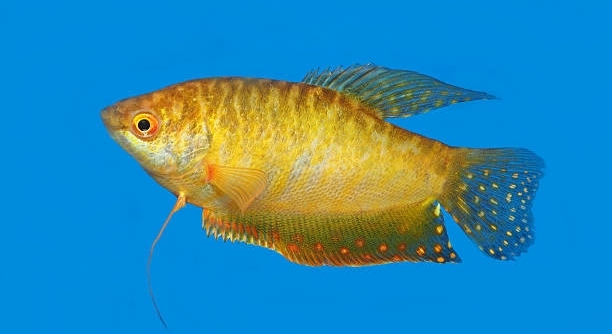
Do your gouramis swim openly without retreating to their usual hiding spots? Observing this behavior can be puzzling, especially if you are used to seeing them find shelter. Understanding their actions is essential for proper care.
When a gourami refuses to hide, it may indicate environmental stress, insufficient tank decorations, or behavioral adjustment periods. Ensuring proper habitat structure, water conditions, and minimal disturbances helps restore natural hiding tendencies and promotes overall well-being.
Adjusting your aquarium setup and monitoring your gourami’s behavior can improve its comfort and encourage natural hiding instincts over time.
Common Reasons Your Gourami Avoids Hiding
Gouramis may avoid hiding for several reasons related to their environment or personal behavior. One of the most frequent causes is a lack of suitable hiding spots. Gouramis need plants, rocks, or decorations that create secure spaces where they can retreat when stressed. Water conditions also play a significant role. Poor water quality, sudden temperature changes, or incorrect pH levels can make your fish feel unsafe and less likely to hide. Additionally, gouramis may behave differently during feeding times or social interactions. Some are naturally more confident and explore openly, while others require more time to adapt to their surroundings. Tank size can influence behavior too; smaller tanks with little cover make hiding difficult, prompting them to swim openly. By observing these factors carefully, you can identify adjustments that encourage natural hiding habits and enhance your gourami’s comfort and health.
Observing behavior daily helps detect changes in hiding patterns and ensures your gourami’s habitat supports its instincts.
Creating hiding spaces involves adding live plants, driftwood, or ornaments strategically throughout the tank. Position these areas in quieter corners away from strong currents or frequent movement. Some gouramis prefer tall plants, while others enjoy caves or layered structures. Consistency is key; avoid rearranging the tank too often, as sudden changes can increase stress. Lighting also affects hiding behavior—dimmer areas provide comfort while bright lights may discourage retreating. Feeding habits influence their movements as well. Gouramis might stay out when food is present, but a lack of nearby shelter can leave them exposed. By combining adequate cover, stable water conditions, and calm handling, your gourami is more likely to embrace its natural hiding instincts, promoting a balanced and less stressful tank environment. Over time, patience and careful observation will help you understand your fish’s unique preferences.
Steps to Encourage Hiding
Start by introducing additional plants, caves, or driftwood to create secure spots in your tank.
Monitor your gourami’s behavior closely while adjusting tank conditions. Ensure water temperature, pH, and filtration are stable and optimal. Reduce sudden movements and avoid tapping the glass, as stress can prevent hiding. Observe social dynamics with other fish; dominant tank mates may discourage retreating. Gradually, your gourami should feel more comfortable using the provided hiding areas. Combining environmental adjustments with patience supports its natural instincts, leading to a healthier, calmer fish that balances exploration and retreat. Over time, consistent care and observation allow you to predict preferences and maintain a habitat that fosters both safety and activity.
Adjusting Tank Conditions
Stable water conditions are essential for encouraging hiding. Monitor temperature, pH, and ammonia levels consistently. Sudden changes can make gouramis feel unsafe and discourage natural retreating behavior.
Maintaining clean water involves regular partial water changes and careful monitoring of filtration. Gouramis are sensitive to poor water quality, which can cause stress, illness, and erratic behavior. Avoid overcrowding and ensure adequate oxygenation. Gradual adjustments in temperature or pH are better than sudden shifts, as rapid changes can frighten fish and reduce their use of hiding spots. Observing behavior after each adjustment helps identify what works best for your specific gourami, allowing you to create a calm, secure environment.
Lighting and tank placement can also impact hiding. Bright lights or frequent movement near the tank may discourage retreating. Dimmer areas or shaded corners can make your gourami feel safe. Introducing decorations strategically in quiet areas provides natural cover. Rotate decorations slowly if needed, allowing your fish to adjust. Feeding times should also consider hiding spots, as gouramis may explore more openly during meals. Creating a stable, comforting environment gradually encourages natural hiding without forcing the fish.
Social Dynamics and Tank Mates
Aggressive or overly active tank mates can prevent gouramis from hiding. Observe interactions carefully to ensure peaceful coexistence.
Introducing compatible fish helps reduce stress and encourages natural behavior. Gouramis are often intimidated by faster or territorial species, which may dominate the tank and block access to hiding spaces. Creating separate zones with plants or decorations allows each species to have secure areas. Monitor feeding behavior to avoid competition, as gouramis may hesitate to retreat if distracted by food. Adjusting stocking levels and placement of tank mates over time can improve harmony. Proper planning and observation ensure your gourami feels safe and consistently uses its hiding spots, maintaining its health and reducing stress.
Creating Natural Hiding Spots
Live plants, driftwood, and caves provide gouramis with secure areas. Place these items in quieter corners where your fish can retreat without disturbance.
Tall plants and layered decorations help replicate their natural environment. Gradually adding new hiding spots allows gouramis to explore safely and reduces stress, encouraging them to use the shelters regularly.
Monitoring Behavior
Observe your gourami daily to track changes in hiding habits. Note patterns related to feeding, tank maintenance, or interaction with other fish. Adjust conditions gradually if you notice stress or avoidance, ensuring the tank supports natural behaviors while maintaining overall health.
Feeding and Hiding
Feeding routines influence hiding behavior. Gouramis may stay exposed during meals but retreat afterward.
Providing food near shelters allows them to feed safely, encouraging comfort with their environment while reinforcing natural hiding instincts over time.
FAQ
Why is my gourami refusing to hide even though I added plants and caves?
Even with hiding spots, gouramis may remain exposed if they are adjusting to new decorations or changes in the tank. Some gouramis are naturally more confident and explore openly, especially if water conditions and tank placement feel safe. Gradually introducing new plants or structures and keeping water parameters stable encourages use of hiding areas.
Can water quality affect my gourami’s hiding behavior?
Yes. Poor water quality, fluctuating temperatures, or incorrect pH can cause stress, making gouramis less likely to hide. Regular testing, consistent partial water changes, and stable filtration create a safe environment. Healthy water conditions reduce anxiety and encourage natural retreating instincts over time.
Do tank mates influence hiding habits?
Absolutely. Aggressive or fast-moving fish can intimidate gouramis, preventing them from using hiding spots. Introducing peaceful, compatible species and creating zones with plants or decorations ensures your gourami has secure areas. Monitor interactions and adjust tank mates if stress persists.
How does lighting affect hiding behavior?
Bright or constant lighting can discourage retreating, while dim areas or shaded corners encourage hiding. Providing varied lighting and shaded spots allows gouramis to feel safe. Gradual adjustments help them acclimate without sudden stress.
Is tank size important for hiding?
Yes. Overcrowded or small tanks limit the availability of hiding spaces and can increase stress. Ensuring adequate space, along with well-placed decorations, allows gouramis to explore and retreat naturally, maintaining comfort and security.
Should I rearrange decorations to encourage hiding?
Rearranging decorations too frequently can increase stress and reduce hiding. Introduce new structures gradually and place them in quiet areas. Over time, gouramis will explore and use these spots as they become familiar with the environment.
Does feeding location matter for hiding habits?
Yes. Gouramis often feed openly, which may make them appear less likely to hide. Placing food near shelters allows them to eat safely and retreat afterward. Consistent feeding routines help reinforce natural hiding behavior.
Can stress from handling affect hiding?
Handling, tapping the glass, or sudden movements can make gouramis feel threatened, reducing hiding behavior. Minimizing disturbances and approaching the tank calmly helps your fish feel secure and encourages use of shelters.
How long does it take for a gourami to start hiding regularly?
Adjustment periods vary. Some gouramis begin using hiding spots within days, while others take weeks, depending on personality, tank conditions, and tank mates. Patience, stable conditions, and gradual environmental changes support consistent retreating behavior.
Are there signs my gourami is unhealthy if it refuses to hide?
Yes. Lethargy, loss of appetite, faded color, or unusual swimming patterns alongside avoidance of hiding can indicate stress or illness. Regular monitoring, proper tank maintenance, and attention to water quality are essential to address potential health issues promptly.
Will adding more plants always encourage hiding?
Not always. While extra plants provide cover, personality and confidence also influence behavior. Some gouramis remain visible even with ample shelter. Observing their preferences and ensuring environmental stability helps balance exploration with natural retreating instincts.
Can temperature fluctuations impact hiding behavior?
Yes. Sudden changes in water temperature can stress gouramis, making them less likely to hide. Maintaining a stable, suitable temperature range encourages comfort and use of hiding areas consistently. Gradual adjustments are safer than rapid shifts.
How do I know if my gourami feels safe in its tank?
Signs of comfort include regular exploration, occasional hiding, steady appetite, and normal coloration. Consistent use of shelters combined with relaxed swimming behavior indicates that your gourami feels secure in its environment.
Is it normal for gouramis to sometimes ignore hiding spots?
Yes. Confidence levels, feeding, or curiosity can lead gouramis to explore openly even when hiding spaces are available. As long as environmental conditions are optimal and stress is minimal, occasional open swimming is natural and healthy.
Can I use decorations to control social behavior and encourage hiding?
Yes. Placing plants, caves, or driftwood strategically creates zones, helping gouramis establish territories and feel secure. This reduces stress from tank mates and encourages natural hiding without forcing the fish.
Gouramis are naturally curious and sensitive fish, and their hiding behavior is closely tied to their comfort and environment. When a gourami refuses to hide, it often reflects a combination of environmental factors, tank conditions, and individual personality traits. Understanding these influences is key to creating a space where your fish feels safe and secure. Observing their daily behavior provides insight into what adjustments may be necessary. Over time, you can identify patterns related to feeding, lighting, water quality, or social interactions that affect their use of hiding spots. By paying attention to these details, you can provide a more balanced and supportive habitat for your gourami.
Creating suitable hiding spaces involves more than simply adding decorations or plants. It requires thoughtful placement of shelters that mimic natural environments while allowing the fish to retreat comfortably. Live plants, driftwood, and small caves offer security and reduce stress, while varied lighting and calm areas encourage natural retreating. Water conditions also play a significant role in promoting hiding. Stable temperatures, consistent pH levels, and proper filtration contribute to a comfortable environment. Additionally, monitoring tank mates and ensuring peaceful interactions helps gouramis feel safe using their hiding spots. These combined factors improve overall well-being and encourage your fish to display natural behaviors.
Patience is essential when working with gouramis. Some fish take time to adjust to new decorations, tank changes, or different social dynamics. Immediate results are unlikely, and forcing changes can increase stress rather than improve hiding behavior. Gradual adjustments, careful observation, and consistent care allow gouramis to explore and retreat on their own terms. Over time, they learn to trust their environment, balancing exploration with hiding. By maintaining stable water quality, providing secure shelters, and minimizing stressors, you create an environment that supports both physical health and natural behavior. Consistent attention to these details ensures your gourami feels comfortable, safe, and more likely to embrace its natural instincts over time.

Hello,
If you enjoy the content that we create, please consider saying a "Thank You!" by leaving a tip.
Every little bit helps us continue crafting quality advice that supports the health, happiness, and well-being of pets around the world, for pets of all shapes, sizes, and species.
We really appreciate the kindness and support that you show us!