
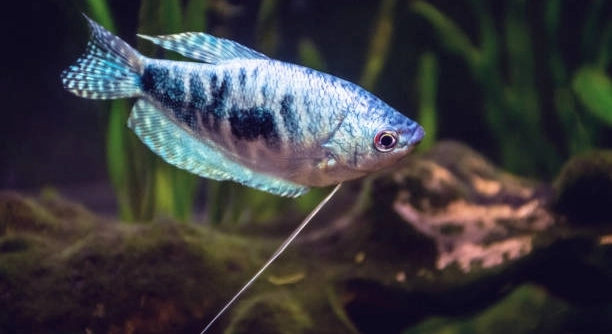
Gouramis are beautiful freshwater fish, but their territorial nature can sometimes lead to stress and injury in a community tank. Many owners struggle with balancing multiple fish without triggering aggressive behaviors. Understanding these behaviors is essential.
Aggression in gourami tanks is often influenced by space, tank layout, and social hierarchy. Providing ample hiding spots, maintaining appropriate stocking levels, and monitoring interactions can significantly reduce aggressive encounters and improve overall fish welfare in the aquarium environment.
Learning these simple strategies can make your tank more peaceful and enjoyable, helping your gouramis thrive while coexisting harmoniously with other fish.
Adjust Tank Size
Many gourami owners underestimate how much space these fish need. A tank that is too small can increase stress and trigger aggressive behaviors. A minimum of 20 gallons is recommended for a single gourami, with extra space added for each additional fish. Providing open swimming areas along with hiding spots allows each fish to establish its own territory without constant confrontation. Plants, rocks, and driftwood can break lines of sight and reduce aggression. Observing your fish regularly helps you notice tension before it escalates. Overcrowding should be avoided, as it can lead to continuous chasing and fin nipping. When introducing new gouramis, ensure the tank is large enough to accommodate territorial shifts. Even slight changes in tank dimensions can influence behavior significantly. Adjusting tank size is one of the most effective ways to create a calmer, safer environment for all gouramis living together.
Proper tank dimensions allow each gourami to maintain personal space and reduce stressful encounters significantly.
A spacious tank encourages natural behavior while minimizing competition for territory. Gouramis will explore freely, interact less aggressively, and feel secure. Adding decorations strategically creates multiple zones, giving shy fish places to retreat. Regular monitoring ensures early intervention if disputes arise. Overall, adjusting tank size is a foundational step for a harmonious aquarium.
Introduce Hiding Spots
Hiding spots are crucial for reducing gourami aggression. Fish use these areas to escape from dominant individuals and feel secure.
Placing caves, plants, and other barriers in the tank provides essential refuge, calming stressed gouramis.
Dense plants, driftwood, and small caves allow each fish to claim personal territory. Gouramis can retreat when threatened, which prevents constant chasing and fin damage. Hiding spots also create visual separation, limiting eye contact between aggressive and submissive fish. Floating plants can diffuse light, offering shaded areas where timid gouramis feel safer. Introducing new fish becomes easier with adequate shelters, as they can integrate gradually without provoking attacks. Monitoring how fish use hiding spots helps you adjust placement for optimal results. Over time, properly designed shelters reduce stress, prevent injuries, and support natural social structures. In combination with other strategies, hiding spots are a simple yet highly effective method to keep your gourami tank peaceful and balanced.
Monitor Tankmates
Choosing compatible tankmates helps control gourami aggression. Avoid overly active or nippy species that can provoke stress or fights.
Keeping calm, similarly sized fish reduces territorial disputes. Peaceful companions like tetras or rasboras encourage harmony. Observe interactions daily, noting signs of chasing or fin damage. Remove overly aggressive fish immediately. Proper selection creates a balanced ecosystem where gouramis feel secure. Gradually introduce new tankmates to prevent sudden conflicts. Monitor feeding behavior to ensure all fish get food without competition. Adjust tank layout if conflicts arise, using plants or decorations to break lines of sight. A well-planned community tank minimizes stress and supports long-term health.
Observation is key. Daily checks of fish behavior and tank dynamics allow you to respond quickly. Subtle changes in aggression often signal underlying stress or imbalance. Adjusting the number or type of tankmates can prevent serious injuries.
Proper tankmate management creates a peaceful environment that reduces stress-induced aggression. Consistency in monitoring, combined with strategic introduction of new fish, ensures gouramis coexist comfortably. Over time, maintaining a calm community reduces the need for interventions, letting your tank flourish naturally.
Maintain Water Quality
Poor water conditions can increase aggression in gouramis. Regular cleaning and stable parameters are essential.
Monitoring ammonia, nitrite, and nitrate levels prevents stress-induced fights. Consistent water changes support health.
Clean water reduces irritability and enhances immune function. High ammonia or nitrate levels make gouramis restless and more likely to chase each other. Regular partial water changes, along with filter maintenance, maintain stable conditions. Keep the temperature and pH within ideal ranges for your gourami species to avoid additional stress. Observing fish during changes helps identify individuals that might be struggling. Proper water quality management directly impacts behavior, making your tank calmer and healthier. Combining filtration, routine checks, and water changes ensures that aggression remains minimal. Healthy, stable water conditions create a safe, stress-free environment where gouramis thrive naturally.
Feed on Schedule
Feeding gouramis consistently reduces aggression during meal times. Sudden hunger often triggers chasing and fin nipping.
Offer small, frequent meals rather than one large feeding. This ensures all fish get food and lowers competition, keeping the tank calmer.
Separate Aggressive Fish
Persistent aggressors should be isolated. Separation prevents injuries and stress in the rest of the tank.
Quarantine tanks or dividers provide temporary relief while allowing aggressive fish to remain in the system. Observing behavior during separation helps determine if reintroduction is safe.
Balance Male and Female Ratios
Maintaining a proper gender ratio limits territorial disputes, especially among male gouramis. Too many males often lead to frequent fights, stressing the entire tank population.
FAQ
How can I tell if my gourami is being aggressive?
Aggression in gouramis usually shows through chasing, nipping fins, and territorial displays. Dominant fish may block access to food or preferred hiding spots. Frequent tail beating or flaring of gill covers also indicates tension. Observing interactions closely helps identify which fish are stressed or causing issues.
Is it normal for gouramis to fight occasionally?
Yes, minor skirmishes are natural. They help establish social hierarchy and territory. Brief chasing without injury is common. However, continuous fights or visible damage signal the need for intervention, such as rearranging the tank or providing more hiding spots.
What tank size is best to reduce aggression?
A minimum of 20 gallons per single gourami is recommended, with extra space for each additional fish. Larger tanks reduce territorial conflicts by allowing fish to establish personal areas. Adding plants and decorations further divides the space, giving fish visual barriers to reduce stress.
Do hiding spots really help calm gouramis?
Absolutely. Dense plants, caves, and driftwood provide safe areas for timid fish to retreat. Hiding spots prevent constant line-of-sight confrontations, lowering stress levels. Floating plants can also shade certain areas, giving fish a sense of security. Regularly observe usage to adjust placement if needed.
How often should I feed my gouramis?
Small, frequent meals are best. Overfeeding once a day can trigger competition and fights, especially in a community tank. Dividing food into two or three portions ensures every fish gets enough without triggering aggressive behavior. Feeding at consistent times also establishes routine, lowering stress.
Can water quality affect aggression?
Yes. Poor water conditions increase stress, making fish more prone to fighting. Ammonia, nitrite, and nitrate spikes can irritate gouramis, leading to fin nipping and chasing. Regular partial water changes and monitoring pH and temperature create stable conditions that reduce aggression.
Should aggressive fish be removed permanently?
Persistent aggressors may need long-term separation. Temporary isolation helps calm the tank, but some fish continue aggressive behavior when reintroduced. Observing fish in a quarantine or divider tank can guide decisions. Removing a particularly aggressive fish often restores balance and prevents injuries.
Does the gender ratio affect tank harmony?
Yes. Male gouramis are territorial, especially in small numbers of females. Keeping one male per two or three females reduces constant fighting. Too many males in one tank almost always lead to stress and injury, making careful planning essential before adding new fish.
Can compatible tankmates reduce aggression?
Peaceful, similarly sized fish like tetras or rasboras help maintain calm. Avoid nippy or overly active species, as they can provoke fights. Introducing new tankmates gradually and monitoring interactions minimizes conflict and ensures all fish thrive together.
How do I know if my tank is overcrowded?
Overcrowding leads to constant chasing and fin damage. If fish cannot find personal space or hiding spots, aggression rises. Observing tank behavior, monitoring growth, and checking stocking recommendations per gallon helps prevent stress and territorial disputes.
Do floating plants help with aggressive behavior?
Yes. Floating plants reduce direct sightlines, providing shaded areas for timid fish. This visual separation lowers tension and allows shy gouramis to establish territory without constant confrontation. Strategically placing floating plants near aggressive individuals can calm the overall tank dynamic.
Is it okay for gouramis to chase only at feeding time?
Brief chasing during feeding is normal as fish compete for food. Problems arise when chasing is continuous or results in injuries. Consistent feeding schedules, multiple feeding areas, and small portions help prevent excessive aggression during meals.
Can rearranging decorations reduce fights?
Yes. Changing the layout breaks established territories and redirects aggression. Adding new plants or caves can create fresh hiding spots, giving submissive fish space to retreat. Regular adjustments help maintain a balanced social structure in the tank.
What should I do if fin damage occurs?
Isolate injured fish if needed and monitor recovery. Adding extra hiding spots and reducing aggression triggers helps prevent further injury. Water quality should be maintained at optimal levels to support healing. Minor nips are normal, but persistent damage requires intervention.
Are gouramis more aggressive during breeding?
Yes. Males become highly territorial while guarding nests. Provide additional hiding spots and consider separating pairs if aggression escalates. Maintaining a balanced male-to-female ratio reduces tension during breeding periods.
How long does it take for aggression to calm after changes?
Behavior usually stabilizes within a few days to a week after tank adjustments. Adding space, decorations, or hiding spots allows fish to settle. Persistent aggression after this period may require further interventions like adjusting tankmates or separating individuals.
Can stress from handling increase aggression?
Yes. Frequent or rough handling can make gouramis defensive and more likely to fight. Minimize disturbances and ensure water changes or maintenance are done carefully. Providing hiding spots before and after handling helps fish feel secure.
Does temperature affect gourami behavior?
Slight fluctuations in temperature can increase restlessness and aggression. Keeping the tank within the species’ ideal range ensures stable behavior. Sudden changes should be avoided, as stressed fish are more likely to chase or nip neighbors.
How important is observation in managing aggression?
Daily monitoring is critical. Early detection of stress, chasing, or fin damage allows quick intervention. Observing feeding, swimming patterns, and hiding behavior provides insights into tank dynamics, helping maintain a peaceful environment.
Can adding new fish trigger fights?
Yes. Introducing new fish disrupts established hierarchies. Using dividers or quarantine tanks and adding new individuals gradually helps reduce conflict. Providing hiding spots and open swimming areas ensures smoother integration into the tank.
Does diet influence aggression?
Balanced nutrition prevents hunger-driven fights. Protein-rich foods help gouramis stay healthy and reduce restlessness. Avoid overfeeding, as excess food can cause water issues, indirectly increasing stress and aggression.
Is it normal for one fish to dominate a tank?
Yes, some gouramis naturally assert dominance. Problems arise when it leads to continuous stress or injury for other fish. Providing space, hiding spots, and compatible tankmates helps limit the impact of a dominant individual.
How often should tank decorations be changed?
Periodic rearrangement prevents fixed territories and reduces ongoing aggression. Minor changes every few weeks keep the environment dynamic and allow submissive fish to claim space without constant harassment.
Can multiple males coexist peacefully?
Only with ample space and hiding spots. Too many males in a small tank almost always result in fights. A ratio of one male per two or three females, combined with a well-decorated tank, improves harmony.
Do gouramis have favorite areas in the tank?
Yes. Dominant fish often claim central swimming areas or favorite hiding spots. Providing multiple zones with decorations allows others to establish their own territories, minimizing conflict.
Should I separate gouramis of different sizes?
Separating significantly larger or smaller fish prevents bullying. Smaller gouramis are more likely to be chased or nipped, so either size-matched groups or additional hiding areas reduce injuries and stress.
Can aggression increase at night?
Yes, reduced light and changes in activity can trigger disputes, especially in crowded or poorly structured tanks. Providing nighttime hiding spots or floating plants helps calm fish after lights go off.
Does frequent tank maintenance help reduce aggression?
Yes. Clean water, stable parameters, and well-maintained filters reduce stress. Stressful environments trigger fights, so regular care is essential for maintaining a peaceful tank.
How long should a new fish be quarantined?
Two to four weeks is ideal. Quarantine prevents disease spread and allows monitoring of aggressive tendencies before introducing the fish to the main tank, reducing potential conflicts.
Can aggression be completely eliminated?
No, some level of territorial behavior is natural. However, proper tank size, hiding spots, compatible tankmates, water quality, and feeding schedules greatly reduce harmful aggression and create a calmer environment.
Is it necessary to track aggressive patterns?
Yes. Noting when and where aggression occurs helps identify triggers. This allows targeted interventions like rearranging decorations, adjusting feeding, or separating individuals, keeping the tank balanced.
Do gouramis ever reconcile after fights?
Typically, yes. After disputes, fish often return to normal behavior once territories are respected and stress is minimized. Ensuring space and hiding spots supports this natural recovery process.
Can stress from other species trigger aggression?
Yes. Nippy or hyperactive tankmates can provoke chasing or defensive behavior. Maintaining compatible companions reduces unnecessary stress, keeping gouramis calmer and less likely to injure each other.
How can I tell if hiding spots are effective?
If timid fish use shelters regularly and chasing decreases, hiding spots are working. Observing interactions before and after adding refuges provides insight into their effectiveness in calming the tank.
Do gouramis prefer plants over artificial decorations?
Both work, but live plants offer additional benefits like natural cover and oxygenation. Artificial decorations can provide consistent hiding spaces, but mixing both gives variety and reduces conflict over territory.
What is the most common reason for aggression in gouramis?
Territorial behavior is the main factor. Limited space, incompatible tankmates, poor water quality, and lack of hiding spots all contribute to fights. Addressing these factors reduces stress and promotes harmony in the tank.
Can seasonal changes affect behavior?
Yes. Temperature shifts, daylight variations, and breeding cycles can increase aggression. Maintaining stable environmental conditions minimizes stress-related conflicts throughout the year.
Are there signs of long-term stress from aggression?
Yes. Fin damage, loss of color, decreased appetite, and hiding excessively indicate chronic stress. Addressing tank dynamics, water quality, and social structure is essential to prevent lasting harm.
How do I prevent aggression during breeding?
Provide extra hiding spots and consider separating pairs if male aggression escalates. Balanced male-to-female ratios and a well-decorated tank reduce conflicts and protect submissive fish.
Can overcrowding override other solutions?
Yes. Even with hiding spots and proper tankmates, too many fish in limited space leads to constant chasing. Ensuring adequate volume per fish is fundamental for long-term peace.
Is it helpful to rearrange the tank after fights?
Yes. Changing decorations breaks established territories and redirects aggression. Minor adjustments give fish new spaces to claim, preventing repeated targeting of the same individuals.
Do gouramis remember past fights?
Yes. Dominant and submissive roles can persist. Fish may avoid or confront specific individuals based on previous interactions. Providing ample space and hiding spots allows them to coexist despite remembered disputes.
Can changing diet improve behavior?
Balanced nutrition reduces hunger-driven fights. Offering protein-rich food and distributing meals evenly ensures all fish get enough, lowering food-related aggression and promoting calmer interactions.
What is the best way to integrate new gouramis?
Use dividers or quarantine tanks initially. Gradually introduce fish while providing hiding spots. Observe behavior closely to ensure peaceful integration before fully removing separation.
Does the number of hiding spots affect aggression levels?
Yes. More shelters give submissive fish places to retreat, reducing stress and conflicts. Strategically placing them throughout the tank allows multiple zones, preventing dominance over a single area.
Can rearranging plants alone reduce aggression?
Yes. Changing plant placement alters sightlines and territories. Even minor adjustments create new zones and reduce repeated confrontations between dominant and submissive fish.
Are certain gourami species more aggressive than others?
Yes. Males of species like the Pearl and Three-spot gourami tend to be more territorial. Researching species-specific behavior helps plan tank size, hiding spots, and companion choices to reduce fights.
How can I tell if a dominant fish is stressed?
Signs include excessive chasing, flared gills, loss of color, or reduced appetite. Even dominant individuals benefit from hiding spots, proper tank size, and water quality to minimize stress.
Should I separate gouramis during water changes?
Not necessarily, but adding hiding spots or rearranging decorations can reduce temporary tension. Gentle handling and consistent routines prevent stress-related aggression during maintenance.
Can aggression affect overall tank health?
Yes. Constant fighting increases stress, which weakens immunity and increases disease risk. Injuries from nipping can lead to infections, making early intervention and proper tank management essential.
Do gouramis fight more in small tanks?
Yes. Limited space intensifies territorial disputes and chasing. Providing adequate volume, visual barriers, and hiding spots is critical to prevent aggression in smaller aquariums.
Can aggression impact breeding success?
Yes. Stressed or injured fish are less likely to breed successfully. Maintaining calm, balanced conditions with hiding spots and proper ratios ensures higher chances of healthy reproduction.
Is it helpful to rotate tankmates occasionally?
Yes. Changing companions or rearranging tank structure reduces entrenched hierarchies and repeated targeting, keeping the tank more peaceful over time.
Do gouramis recover quickly after fights?
Minor disputes usually resolve within hours to a day. Injuries may take longer to heal, but proper water quality, hiding spots, and stress reduction support faster recovery.
Can lighting influence aggression?
Yes. Bright, direct lighting can stress some gouramis. Floating plants or shaded areas provide comfort, reducing territorial disputes and calming the tank.
Are younger gouramis more aggressive?
Juveniles can be active but usually establish hierarchy quickly. Aggression tends to peak as they mature, especially among males, making tank size and hiding spots more critical.
How do I prevent dominance-related bullying?
Provide ample space, hiding spots, and compatible tankmates. Adjust male-to-female ratios and rearrange decorations to reduce repeated targeting by dominant fish.
Does tank decoration material matter?
Not directly for aggression, but smooth surfaces prevent injuries during chases. Caves, driftwood, and plants should be safe, sturdy, and free from sharp edges.
Can aggression increase after introducing live plants?
Sometimes. New decorations temporarily disrupt territories, causing short-term skirmishes. Most fish settle quickly once new spaces are claimed.
How important is routine for reducing aggression?
Consistent feeding, cleaning, and maintenance establish stability. Predictable routines reduce stress and territorial behavior, keeping the tank environment calmer.
Is it normal for aggression to spike during breeding season?
Yes. Males guard nests fiercely. Extra hiding spots, proper ratios, and monitoring reduce fights and protect other tank inhabitants.
Do gouramis ever coexist without any aggression?
Complete absence of aggression is rare. However, careful tank planning, hiding spots, compatible tankmates, proper feeding, and water quality minimize harmful behavior and create a peaceful environment.
How do I know if aggression management strategies are working?
Reduced chasing, nipping, and hiding indicate success. Fish appear calmer, maintain color, and interact naturally. Regular observation helps fine-tune adjustments for long-term harmony.
Can stress from handling new fish trigger aggression?
Yes. Rough or frequent handling increases defensiveness. Minimize disturbances, provide hiding spots, and allow gradual acclimation to reduce stress-related conflicts.
Does water temperature stability matter?
Yes. Sudden fluctuations can trigger restlessness and chasing. Maintaining optimal temperature for the species prevents stress-induced aggression.
How often should I check for aggression signs?
Daily observation is ideal. Early detection of chasing, fin nipping, or hiding behavior allows prompt intervention, keeping the tank balanced.
Can rearranging decorations be used preventively?
Yes. Periodic changes disrupt established territories, reduce repeated targeting, and maintain a calmer social environment, preventing chronic stress and injuries.
What is the single most effective way to reduce aggression?
A combination of proper tank size, hiding spots, compatible tankmates, balanced feeding, and stable water quality creates the most peaceful environment for gouramis.
Does tank lighting timing affect aggression?
Yes. Sudden changes can startle fish and trigger fights. Gradual light transitions and shaded areas help maintain calm behavior.
Are there signs a fish is being bullied too much?
Yes. Constant hiding, torn fins, color loss, or lack of appetite indicate excessive stress. Immediate action, such as providing more shelters or separating fish, is necessary.
Do gouramis ever adjust to each other naturally?
Yes. Over time, social hierarchies stabilize, and fish learn boundaries. Proper space, hiding spots, and compatible tankmates facilitate this natural adjustment.
Can overfeeding reduce aggression?
No, overfeeding can worsen aggression by increasing competition for excess food. Small, evenly distributed meals are more effective at reducing stress-related conflicts.
Does water hardness influence behavior?
Yes. Extreme hardness or softness can stress gouramis, indirectly increasing aggression. Maintaining ideal parameters reduces irritability and promotes calmer interactions.
How long after adding new hiding spots will aggression decrease?
Usually within a few days. Fish explore new shelters, reestablish territories, and settle disputes more quickly, resulting in a calmer tank environment.
Should I track individual fish behavior?
Yes. Identifying which fish are dominant or submissive helps manage conflicts. Targeted interventions like rearranging decorations or temporary separation are more effective when behavior patterns are known.
Can stress from other tank activities increase fights?
Yes. Loud noises, sudden movements, or frequent cleaning can raise stress, triggering aggression. Minimizing disturbances keeps gouramis calmer.
Do gouramis fight more in community tanks?
Yes, especially if tankmates are nippy or territorial. Proper selection, space, hiding spots, and monitoring prevent conflicts and support peaceful coexistence.
Is it normal for one male to bully others consistently?
Yes, some males dominate. Managing space, hiding spots, and ratios reduces impact on other fish. Persistent bullies may require long-term separation.
Can aggression cause long-term health issues?
Yes. Chronic stress weakens immunity, slows growth, and increases disease susceptibility. Preventing aggression ensures both behavioral and physical health.
Do gouramis respond to water current changes?
Yes. Strong currents can stress some species, increasing restlessness and fighting. Gentle, consistent flow supports calmer behavior.
Can diet variety reduce stress and aggression?
Yes. Offering balanced and varied foods prevents boredom and hunger-related fights. Proper nutrition contributes to calmer, healthier fish.
How do I know if a fish is recovering from aggression stress?
Normal swimming, regained appetite, reduced hiding, and brightened colors indicate recovery. Injuries should heal without infection if water quality is optimal.
Are male gouramis more aggressive than females?
Generally, yes. Males defend territories and breeding areas. Proper ratios and hiding spots mitigate conflicts.
Should I adjust tankmates when aggression spikes?
Yes. Temporarily removing aggressive or sensitive fish or rearranging companions can restore balance, reducing stress and injuries.
Does aggression increase with tank population growth?
Yes. Adding too many fish intensifies territorial disputes. Maintaining appropriate stocking levels and space per fish prevents stress and fights.
Can rearranging plants alone resolve chronic aggression?
It helps but may not fully solve persistent bullying. Combining decorations, hiding spots, and careful tankmate selection is more effective.
**Is aggression worse
Gouramis are beautiful and fascinating fish, but their natural territorial instincts can sometimes create challenges for tank owners. Aggression is a common issue in home aquariums, and it often arises when fish feel stressed, crowded, or threatened. Small skirmishes can be normal as gouramis establish hierarchy, but repeated chasing, fin nipping, and constant fighting indicate that adjustments are needed in the tank setup. Understanding the main triggers of aggression, such as limited space, lack of hiding spots, incompatible tankmates, and poor water conditions, allows you to address the problem effectively. By carefully observing your fish and taking preventive measures, you can create a more peaceful environment that benefits all the inhabitants of your aquarium.
Several practical strategies can significantly reduce aggression in a gourami tank. Providing a spacious tank ensures that each fish has room to establish its own territory and swim freely without constant confrontation. Adding hiding spots with plants, caves, and decorations gives timid fish places to retreat and reduces direct line-of-sight conflicts. Maintaining water quality through regular changes and monitoring parameters like temperature, pH, and nitrate levels supports both physical health and behavioral stability. Proper feeding routines, including small and frequent meals, prevent competition-driven fights over food. Choosing compatible tankmates, avoiding overcrowding, and carefully managing male-to-female ratios also play a key role in keeping aggression under control. Each of these measures contributes to a calmer and safer environment where gouramis can thrive.
Even with careful planning, some aggression is natural and may not disappear completely. Dominant individuals will still establish territories, and occasional minor disputes can occur. The goal is to minimize harmful aggression rather than eliminate every sign of competition. Regular observation is essential to notice early signs of stress or injury, allowing timely interventions. Rearranging decorations, adding new hiding spots, and temporarily isolating aggressive fish are all effective ways to manage ongoing tension. Over time, consistent attention to tank size, water quality, feeding, and social structure helps create a balanced aquarium where gouramis coexist peacefully. Maintaining this balance ensures not only the health of the fish but also a more enjoyable and stress-free experience for the tank owner.

Hello,
If you enjoy the content that we create, please consider saying a "Thank You!" by leaving a tip.
Every little bit helps us continue crafting quality advice that supports the health, happiness, and well-being of pets around the world, for pets of all shapes, sizes, and species.
We really appreciate the kindness and support that you show us!