
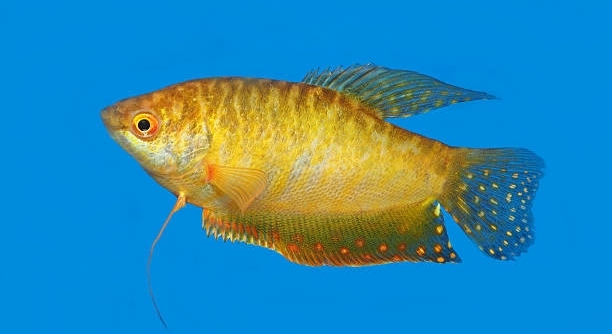
Gouramis are delicate fish that need a calm and secure environment to thrive. Even small changes in their surroundings can make them anxious, affecting their behavior and overall health. Recognizing signs of stress is important for their care.
Gouramis feel unsafe due to factors such as sudden changes in water quality, aggressive tank mates, lack of hiding spots, excessive noise, bright lighting, overcrowding, and inconsistent feeding routines. Each of these elements can significantly disrupt their sense of security.
Knowing what unsettles these fish is essential for maintaining a peaceful aquarium. Observing their environment carefully can prevent stress and promote healthier, happier gouramis over time.
Sudden Changes in Water Quality
Even minor shifts in water temperature, pH, or hardness can make gouramis feel unsafe. These fish are sensitive to their surroundings, and abrupt changes may trigger stress responses. Chlorine, heavy metals, or leftover medications in tap water can also affect their well-being. Regular testing and careful adjustments help maintain a stable environment. Sudden alterations in water chemistry often lead to erratic swimming, hiding, or loss of appetite. Providing a consistent routine in water maintenance reassures gouramis and allows them to thrive. Gradually introducing any changes, such as new decorations or water additives, reduces shock and keeps their stress levels low. Observing their behavior after adjustments helps identify issues early, preventing long-term health problems. Maintaining stable conditions is especially important in community tanks, where other fish might introduce variability.
Maintaining stable water quality ensures gouramis remain calm and healthy, reducing stress and promoting natural behavior within the tank.
Gradual water changes are essential to prevent sudden stress. Using a water conditioner neutralizes harmful chemicals and keeps parameters safe. Frequent monitoring allows you to detect shifts in pH or temperature early. Adding plants or decorations creates a more natural environment, providing areas to hide and explore. Consistent feeding schedules reinforce a sense of safety. Combining these strategies supports both their physical health and comfort in the aquarium.
Aggressive Tank Mates
Aggressive or territorial fish can make gouramis anxious, limiting their movement and natural behaviors. Even species considered peaceful may occasionally show dominance.
Keeping gouramis with compatible fish minimizes stress and promotes harmonious interactions. Careful selection of tank mates prevents frequent confrontations.
Aggressive tank mates force gouramis to hide or swim defensively, which increases stress hormones and weakens immunity. This can lead to slower growth, illness, and reduced activity. It’s important to research fish compatibility before adding new species. Observing interactions over time allows you to separate fish that show persistent aggression. Providing ample space, plants, and visual barriers reduces conflicts and gives gouramis private areas to feel secure. Choosing calm, small, or mid-sized species as companions helps maintain balance in the tank. A carefully planned community tank encourages natural behaviors, letting gouramis feed, explore, and rest without constant threats.
Lack of Hiding Spots
Gouramis feel exposed without places to retreat, increasing stress and reducing activity. Dense plants, caves, and decorations give them safe spaces to rest and explore.
Providing hiding spots helps gouramis establish territories and reduces aggression from tank mates. Plants like Java fern, Anubias, or floating species offer shade and cover, while small caves or decorations create secure corners. A well-structured environment encourages natural behaviors, including foraging and bubble nest building for males. Changing the layout occasionally is fine, but ensure at least some familiar hiding areas remain. A comfortable tank allows gouramis to feel in control of their space and lowers stress, contributing to better health and appearance.
Without adequate hiding places, gouramis may become withdrawn or show signs of constant alertness. Stress from exposure weakens immunity, making them more prone to disease. Careful planning of plants and décor ensures they have multiple safe spots to retreat, swim freely, and feel secure even in a community tank. Observing how they use these areas can help refine tank design for long-term comfort.
Excessive Noise
Loud or sudden noises around the tank can disturb gouramis, causing them to dart or hide frequently. Constant vibrations from speakers or tapping on the glass add stress.
Gouramis rely on calm surroundings to feel safe. Persistent noise can disrupt feeding, reduce activity, and lead to aggression or illness. Even household activities, such as vacuuming or moving furniture, may create enough disturbance to unsettle sensitive fish. A quiet location for the aquarium, away from frequent disturbances, helps maintain stability. Providing floating plants can help dampen vibrations, while thicker tank walls reduce sound penetration. Maintaining a peaceful environment supports both their mental and physical well-being.
Continuous noise prevents gouramis from relaxing, impacting their health and behavior. Stress can lead to lower immunity, slower growth, and reduced appetite. Creating a stable, calm environment ensures they can explore, feed, and interact naturally. Careful placement of the aquarium and minimizing sudden disturbances allows gouramis to feel secure and display their natural colors and behaviors. Observing responses to daily household sounds helps identify and manage stress sources effectively.
Bright Lighting
Gouramis can become stressed under overly bright or constant lighting. Intense light may make them hide or swim erratically.
Providing dimmer lighting or areas of shade allows gouramis to feel secure. Floating plants or decorations help diffuse light, giving them options to retreat when needed.
Overcrowding
Too many fish in one tank creates tension and competition. Gouramis may feel threatened, leading to stress and hiding.
Maintaining proper stocking levels ensures each fish has enough space to swim, feed, and rest. Overcrowding increases aggression, reduces water quality, and limits access to hiding spots. A balanced number of tank mates promotes calmer interactions and healthier fish overall.
Inconsistent Feeding Routines
Gouramis rely on predictable feeding patterns to feel safe. Irregular schedules can cause anxiety and aggression.
Establishing consistent feeding times helps gouramis feel secure and reduces stress. Offering appropriate portions at regular intervals supports their health and natural behavior.
What are the main signs that my gourami feels unsafe?
Gouramis often show stress through changes in behavior and appearance. They may hide more than usual, swim erratically, or stay near the surface. Loss of appetite, faded colors, or clamped fins are also common indicators. Observing their routine closely helps identify stress early.
How can I gradually adjust water changes to prevent stress?
Sudden changes in water temperature, pH, or hardness can shock gouramis. To avoid this, replace only 20–25% of the tank water at a time, and use a water conditioner to neutralize chlorine and metals. Slowly acclimating new water over several hours reduces stress. Testing water parameters frequently ensures stability.
What types of tank mates are safe for gouramis?
Gouramis do best with peaceful, non-aggressive species. Small tetras, rasboras, and corydoras are good options. Avoid fin-nipping fish or highly territorial species. Even mild aggression can cause constant stress, so careful observation when introducing new fish is essential. Providing enough space and hiding spots further reduces conflict.
How many hiding spots are ideal for a gourami tank?
At least three to five hiding areas, including caves, dense plants, or floating cover, create security. These allow gouramis to retreat if they feel threatened. A mix of open swimming space and sheltered areas promotes natural behaviors and reduces stress from both tank mates and environmental changes.
Can bright lighting harm gouramis long-term?
Yes, intense or constant lighting can cause prolonged stress, leading to weakened immunity and slower growth. Providing shaded areas or floating plants gives gouramis control over exposure. Using adjustable or softer lighting supports natural activity cycles and reduces anxiety in the tank environment.
What is the best way to maintain consistent feeding routines?
Feed your gouramis at the same times each day, ideally once or twice depending on tank size and population. Use appropriate portions to avoid leftover food, which can degrade water quality. A predictable feeding schedule reassures gouramis and helps maintain stable health and behavior patterns.
How can I reduce stress from excessive noise around the aquarium?
Place the tank in a quiet area away from frequent vibrations or loud household activities. Thick walls, carpets, or even floating plants can help dampen sound. Observing how gouramis react to daily noise allows adjustments to their environment and ensures a calm, secure space.
What should I do if a gourami shows prolonged stress?
First, check water quality, tank mates, hiding spots, and lighting conditions. Address any issues gradually. If behavior does not improve, consider separating the stressed gourami temporarily or consulting an aquarium specialist. Timely intervention prevents illness and helps restore a sense of security.
How can I create a balanced tank environment to prevent stress?
A balanced tank combines proper water conditions, compatible tank mates, sufficient hiding spots, dim lighting options, and regular feeding routines. Each element contributes to a sense of security. Observing how gouramis use the space and adjusting décor or tank layout ensures they remain comfortable and healthy.
Are there seasonal or environmental factors that affect gourami stress?
Yes, changes in room temperature, humidity, or lighting due to seasons can subtly impact water conditions. Monitoring parameters and adjusting heating, filtration, and lighting as needed maintains stability. Seasonal maintenance, like checking for plant decay or water changes, helps prevent stress-related problems in gouramis.
Can overcrowding cause disease in gouramis?
Overcrowding increases stress, weakens immunity, and raises the likelihood of disease outbreaks. Fish may fight or compete for food, leading to injury or infection. Maintaining appropriate stocking levels and ensuring adequate filtration and space keeps gouramis healthy and reduces both stress and illness.
How often should I observe my gouramis to detect stress?
Daily observation is ideal. Watch for changes in swimming patterns, color, feeding, and interactions with tank mates. Regular monitoring helps identify problems before they escalate, allowing timely interventions to maintain a safe and stable environment for your gouramis.
What role do plants play in reducing stress for gouramis?
Plants provide hiding spaces, shade, and natural barriers in the tank. Floating and dense plants create cover from bright lights or aggressive tank mates. They also improve water quality by absorbing nitrates. A well-planted tank supports comfort, security, and natural behavior, which keeps gouramis calm and healthy.
How can I introduce new fish without stressing my gouramis?
Acclimate new fish slowly using a drip or gradual water mixing method. Introduce them during calm times and provide extra hiding spots. Observing interactions closely allows early separation if aggression occurs. Gradual introductions minimize shock and help maintain a peaceful environment for all inhabitants.
What steps help restore gouramis’ confidence after stress?
Ensure stable water conditions, proper lighting, compatible tank mates, and plenty of hiding areas. Maintain consistent feeding routines and reduce environmental disturbances. Patience is key, as recovery may take days to weeks. Monitoring behavior ensures they regain normal swimming, feeding, and social patterns safely.
How important is tank size for reducing stress in gouramis?
Tank size is critical. Crowded spaces increase aggression, competition, and anxiety. Providing at least 20–30 gallons for a small group allows enough swimming room and territories. Larger tanks reduce conflict, support proper filtration, and provide space for plants and decorations that enhance security.
Can I use decorations to calm stressed gouramis?
Yes, decorations like caves, driftwood, or artificial structures offer retreat points. Strategically placed items break sight lines between aggressive fish and create a varied environment. This reduces stress, promotes natural exploration, and allows gouramis to feel safe even in a busy community tank.
What role does water filtration play in stress prevention?
Effective filtration maintains clean, stable water conditions, reducing toxins and preventing sudden parameter shifts. Gouramis are sensitive to poor water quality, so a reliable filter minimizes stress. Regular maintenance, including cleaning and monitoring flow rate, ensures a healthy, comfortable environment for all fish.
How do I balance multiple factors to keep gouramis safe?
Combine consistent water quality, proper tank mates, adequate hiding spots, controlled lighting, quiet surroundings, and regular feeding. Each factor contributes to a sense of security. Observing behavior and adjusting conditions as needed helps maintain a stable, low-stress habitat, ensuring healthy and active gouramis over time.
What are signs that stress is affecting gouramis’ health?
Symptoms include loss of appetite, faded colors, lethargy, fin damage, or unusual swimming patterns. Prolonged stress can lead to illness, weakened immunity, and slower growth. Early recognition and intervention are essential to restore comfort, improve health, and prevent long-term complications in the tank.
How can I prevent future stress in my gourami tank?
Establish consistent routines, monitor water quality, provide suitable tank mates, maintain adequate space, and create multiple hiding areas. Minimize noise and sudden environmental changes. Regular observation allows early detection of stress, keeping your gouramis healthy, active, and secure in their aquarium habitat.
This FAQ section covers key aspects of keeping gouramis safe and reducing stress, providing practical steps for maintaining a calm, healthy environment.
Gouramis are delicate fish that respond strongly to their environment. Even small changes in water quality, tank layout, or lighting can make them feel unsafe. Providing stable conditions, regular maintenance, and thoughtful tank design helps them remain calm and healthy. Observing their behavior regularly allows you to detect stress early and take action before it affects their health. Simple adjustments, such as adding hiding spots or controlling light intensity, can make a significant difference in how secure they feel. Over time, consistent care creates an environment where gouramis can swim, feed, and explore without fear.
Stress in gouramis often comes from multiple factors at once. Aggressive tank mates, overcrowding, or irregular feeding schedules can all add pressure. Each element contributes to their overall sense of security, and addressing one without the others may not fully resolve the problem. Creating a balanced environment is essential. Providing adequate space, compatible companions, and consistent routines allows gouramis to develop predictable habits and feel in control of their surroundings. Plants, caves, and floating décor provide retreat areas, while stable water conditions support physical health. Paying attention to both behavioral signs and environmental factors ensures your gouramis live comfortably and avoid long-term health issues.
Maintaining a safe and calm aquarium requires ongoing attention. Regular water testing, careful observation, and gradual changes prevent sudden stress. While some issues, like occasional noise or minor tank adjustments, are unavoidable, minimizing disruptions helps gouramis adapt more easily. Keeping their environment predictable and secure encourages natural behaviors such as foraging, exploring, and nesting. By combining proper water quality, suitable tank mates, adequate hiding spots, and consistent feeding, you create an aquarium that meets their needs. Understanding what makes gouramis feel unsafe allows you to make informed decisions and provide a stable habitat. In this way, your care ensures not only their survival but also their overall well-being and comfort within the tank.

Hello,
If you enjoy the content that we create, please consider saying a "Thank You!" by leaving a tip.
Every little bit helps us continue crafting quality advice that supports the health, happiness, and well-being of pets around the world, for pets of all shapes, sizes, and species.
We really appreciate the kindness and support that you show us!