
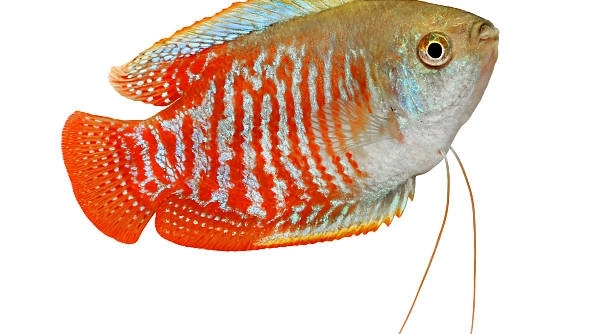
Keeping gouramis happy in an aquarium takes more than just clean water. Their moods can shift based on environment, diet, and social interactions. Small, thoughtful adjustments can make a noticeable difference in their behavior and well-being.
Providing a well-structured habitat, maintaining stable water conditions, offering a varied diet, and minimizing stressors are essential steps to improving gourami mood. Consistent care and attention to their needs support healthier, more active, and more content fish.
Implementing simple changes in daily care can create a more positive and stimulating environment for your gouramis to thrive.
Adjust Water Temperature and Quality
Gouramis are sensitive to water changes. Keeping the temperature consistent around 75-80°F helps them stay calm and active. Sudden shifts in temperature can stress them, causing lethargy or aggression. Regular water testing for pH, ammonia, and nitrate levels ensures their environment stays safe. Changing 20% of the water weekly prevents harmful buildup. Using a gentle filter keeps water clean without creating strong currents, which gouramis dislike. Adding live plants can help maintain water quality naturally and provide hiding spots, reducing stress. Clean tanks and stable conditions directly impact mood, making fish more comfortable and less prone to illness. Small, consistent steps in maintaining water conditions can greatly improve their overall behavior. Observing how your gourami reacts after water adjustments can guide further care decisions. Healthy water leads to healthier fish, and they will be more interactive and lively in their tank.
Keeping water stable and clean reduces stress, promotes activity, and supports a positive mood for gouramis.
Consistency in water quality and temperature is key. Sudden changes can trigger stress responses, making gouramis hide or act irritable. Observing their reactions helps fine-tune their environment for better comfort and activity. Small daily attention keeps them happier and healthier.
Provide Hiding Spots and Decorations
Gouramis feel more secure with hiding areas. Plants, caves, and small decorations give them safe spaces, reducing stress and promoting natural behavior.
Introducing decorations and plants gives gouramis options to explore and retreat when needed. Floating plants can create shaded areas, which they enjoy resting under. Dense vegetation mimics their natural habitat, encouraging normal swimming patterns and playful interaction. Decorations should leave enough open swimming space while providing cover, as overcrowding can create tension. Rearranging items occasionally adds stimulation, preventing boredom. Soft, non-abrasive materials are best to avoid injuries. Hiding spots also help during feeding, allowing shy gouramis to eat without competition. Balancing decorations with swimming space supports physical activity, which improves mood and overall health. Providing areas for privacy encourages confident, stress-free behavior, making them more active and visually appealing in the tank. Attention to these details can transform a basic aquarium into a supportive environment where gouramis thrive.
Safe and varied hiding spaces enhance comfort, reduce stress, and encourage natural behaviors for healthier, happier gouramis.
Feed a Balanced Diet
A varied diet keeps gouramis healthy and active. Include flakes, pellets, and occasional live or frozen foods to provide essential nutrients and keep them engaged.
Offering different food types ensures gouramis receive protein, vitamins, and minerals they need for growth and energy. Live foods like brine shrimp or daphnia encourage natural hunting behaviors and add excitement to feeding time. Frozen options are convenient and maintain nutritional value. Flake and pellet foods should be high-quality, designed for tropical fish, and portioned to avoid overfeeding, which can harm water quality. A balanced diet directly affects mood, energy, and overall health, making fish more active and responsive in their environment. Watching them eat and interact with various foods can also reveal preferences and personality traits.
Overfeeding can lead to obesity and poor water quality, while underfeeding reduces energy and activity. Adjust portions carefully, observing your gouramis’ behavior to maintain optimal health and mood.
Maintain Social Harmony
Gouramis need compatible tank mates to avoid stress and aggression. Careful selection and observation prevent conflicts and maintain calm.
Aggressive or overly active fish can intimidate gouramis, affecting their mood and appetite. Choosing peaceful species and similar-sized fish reduces competition and stress in the tank. Monitor interactions regularly to identify any signs of bullying or retreating behavior. Adjusting the number of fish or rearranging decorations can improve territory balance. Grouping gouramis with calm, non-aggressive species encourages natural social behaviors without causing tension. Providing separate hiding spots and adequate space ensures everyone can establish territory safely, promoting harmony.
Stable social conditions reduce stress and aggression. When gouramis feel secure around their tank mates, they are more relaxed, active, and responsive, creating a healthier aquarium environment overall.
Keep the Tank Clean
Regular cleaning prevents stress and disease. Removing uneaten food, vacuuming substrate, and changing water ensures a healthy environment.
Filters should be maintained and cleaned gently to avoid disrupting beneficial bacteria. Clean tanks support active and happy gouramis.
Monitor Lighting and Day-Night Cycle
Consistent lighting helps gouramis regulate activity and rest. Too bright or inconsistent light can cause stress and disrupt natural behavior. Adjust lighting to mimic natural day and night patterns, supporting calm and healthy fish. Proper lighting enhances colors and encourages normal swimming and feeding routines.
Avoid Overcrowding
Overcrowding increases stress and aggression. Ensure enough space per fish to maintain calm behavior. Proper stocking density allows gouramis to explore, establish territory, and interact without constant competition, improving mood and overall well-being.
FAQ
How often should I change my gourami’s water?
Changing water regularly keeps your gouramis healthy and stress-free. A good routine is 20-25% weekly, which removes waste and toxins without shocking the fish. Always check temperature and pH to match existing tank conditions, keeping the water stable and comfortable.
What is the best diet for gouramis?
Gouramis need a mix of flakes, pellets, and occasional live or frozen foods. Flakes and pellets provide essential nutrients, while live or frozen foods like brine shrimp or daphnia encourage natural hunting behavior. Variety improves health, energy, and mood. Avoid overfeeding to prevent water quality issues.
Can gouramis live with other fish?
Yes, but it’s important to choose peaceful species of similar size. Aggressive or overly active fish can stress gouramis, affecting mood and appetite. Provide hiding spots and monitor interactions, adjusting tank mates if bullying or stress is observed.
How do I know if my gourami is stressed?
Signs of stress include hiding frequently, reduced appetite, lethargy, and faded colors. Rapid gill movement or erratic swimming may also indicate discomfort. Stress often stems from poor water quality, overcrowding, or aggressive tank mates. Identifying these signs early allows for adjustments to improve well-being.
What tank size is appropriate for gouramis?
A minimum of 20 gallons is recommended for a single gourami, with extra space for each additional fish. Adequate space prevents territorial disputes and allows natural swimming behavior. Proper tank size directly impacts mood, health, and social interactions.
Should I use live plants in the tank?
Yes, live plants provide hiding spots, improve water quality, and create a more natural environment. Floating plants can shade the tank, offering security and reducing stress. Live plants encourage exploration, normal swimming patterns, and contribute to a calmer, healthier aquarium.
How important is lighting for gouramis?
Lighting regulates activity and rest cycles. Consistent day-night patterns support natural behavior, feeding, and mood. Too bright or irregular lighting can stress fish, causing hiding or reduced activity. Adjust lights to mimic natural conditions for best results.
Can I rearrange decorations in the tank?
Yes, but do so gradually. Rearranging creates new territories and stimulation without causing major stress. Ensure enough open swimming space while maintaining hiding spots. This encourages activity, exploration, and reduces boredom.
What temperature is best for gouramis?
Maintain water between 75-80°F. Sudden changes can cause stress and health issues. A stable temperature supports energy, appetite, and natural behavior. Using a reliable heater and thermometer ensures consistent conditions.
How can I prevent aggression in the tank?
Provide ample space, hiding spots, and compatible tank mates. Overcrowding and mismatched species are common causes of aggression. Monitor behavior regularly and separate fish if necessary. Stable social conditions improve mood and overall harmony in the tank.
What are signs of illness in gouramis?
Look for faded colors, clamped fins, labored breathing, and unusual swimming. Early detection is key. Maintaining clean water, a balanced diet, and low-stress conditions reduces the risk of disease, supporting happier and healthier fish.
How often should I feed my gouramis?
Feed small portions once or twice daily, only what they can consume in a few minutes. Overfeeding harms water quality and can lead to obesity, while underfeeding reduces energy and mood. Observe your fish and adjust portions as needed.
Are gouramis sensitive to tank noise or vibrations?
Yes, loud noises and vibrations can stress them. Place the tank in a quiet area, avoid tapping the glass, and limit sudden environmental changes. A calm environment promotes active, confident, and healthy behavior.
Can I keep different types of gouramis together?
Some types can coexist if tank size allows and species are compatible. Monitor for territorial disputes and provide plenty of hiding spaces. Mismatched gouramis may become aggressive or stressed, affecting mood and overall health.
How do I improve a shy gourami’s confidence?
Provide hiding spots, stable water conditions, and peaceful tank mates. Gradually interacting through feeding and observation encourages natural behavior. Patience is key; shy gouramis often become more active when they feel secure and supported in their environment.
Gouramis are sensitive fish that respond strongly to their environment, diet, and social interactions. Ensuring their tank is clean, properly heated, and stable in terms of water quality is essential for their overall well-being. Small, consistent changes like regular water testing, gentle filtration, and partial water changes can make a noticeable difference in how comfortable and active they are. Gouramis are naturally curious and social, so creating a calm environment with adequate hiding spots and sufficient swimming space allows them to express normal behaviors without stress. When their environment is thoughtfully maintained, they are more likely to display lively and healthy activity, which benefits both their physical health and mood. Observing them closely can also provide insight into what changes might be needed to further support their comfort, such as adjusting tank decorations or modifying lighting.
A balanced diet is equally important in supporting gourami mood and health. Incorporating a variety of flakes, pellets, and occasional live or frozen foods provides the nutrients necessary for energy, growth, and immune system function. Live or frozen foods can also stimulate natural hunting behaviors, keeping the fish mentally active and engaged. Overfeeding or underfeeding can negatively affect water quality and lead to health problems, so portions should be carefully managed according to the number of fish and their size. Meal consistency helps regulate energy levels and contributes to overall stability in behavior. Feeding should be accompanied by a calm tank environment, as stress can interfere with appetite and digestion. Over time, a balanced diet combined with proper care will result in gouramis that are visibly more vibrant, interactive, and responsive to their surroundings.
Social balance and stimulation in the tank further enhance mood and well-being. Selecting compatible tank mates, providing hiding spots, and maintaining sufficient territory for each fish reduces stress and prevents aggression. Gouramis appreciate areas where they can retreat and feel secure, which encourages confidence and natural swimming patterns. Consistent lighting, occasional gentle rearrangement of decorations, and monitoring for signs of stress or illness all contribute to a healthier, happier environment. Even small improvements, such as adding floating plants or adjusting water temperature slightly, can have a significant impact on their behavior. By paying attention to these details and making gradual, thoughtful adjustments, gouramis become more relaxed, active, and visually appealing. Their overall quality of life improves, creating a more enjoyable and rewarding experience for both the fish and the caretaker.

Hello,
If you enjoy the content that we create, please consider saying a "Thank You!" by leaving a tip.
Every little bit helps us continue crafting quality advice that supports the health, happiness, and well-being of pets around the world, for pets of all shapes, sizes, and species.
We really appreciate the kindness and support that you show us!