
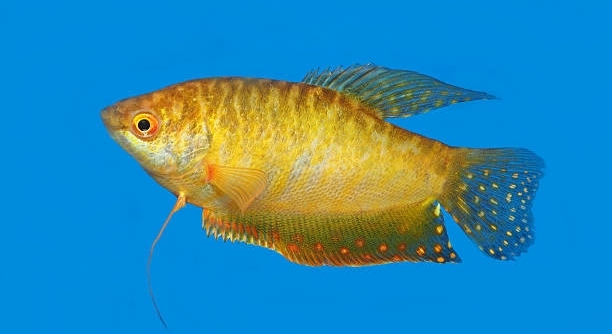
Gouramis are peaceful freshwater fish that enjoy calm spaces in an aquarium. Many owners notice that they often avoid areas near bubblers, even when the rest of the tank seems lively and inviting. Their behavior can be puzzling at first.
Gouramis tend to avoid the bubbler area due to their preference for low-turbulence environments. Strong water movement can stress their delicate labyrinth organ, which allows them to breathe air, leading them to favor calmer regions of the tank.
Observing these patterns can help you create a more comfortable aquarium environment for your gouramis and improve their overall well-being.
Understanding Gourami Behavior Around Bubblers
Gouramis are naturally drawn to calm water conditions, which is why they often avoid bubbler areas. Their labyrinth organ, essential for breathing air directly from the surface, is sensitive to strong water movement. Constant currents from a bubbler can make them feel unsettled, prompting them to seek quieter corners of the tank. Additionally, the vibrations and bubbles created by air pumps can be overstimulating. Gouramis are territorial to some extent, and high-traffic areas like bubblers may feel exposed or unsafe. They prefer hiding spots, plants, or gentle water flow to rest and feed without stress. Over time, consistent exposure to strong water flow can impact their health, reducing appetite and increasing fatigue. Observing how your gouramis respond to different tank zones can guide adjustments in bubbler placement and flow intensity. By making small changes, it’s possible to balance oxygenation without disturbing their preferred calm spaces.
Adjusting the bubbler’s strength or relocating it can encourage gouramis to explore more of the tank naturally.
Maintaining a peaceful environment is key to their well-being. Positioning plants, driftwood, and decorations near high-flow zones helps break up water currents. Reducing the bubbler’s output or using a diffuser can lower turbulence while still circulating oxygen efficiently. Some aquarists use sponge filters or side-flow filters as alternatives that create gentler water movement. Temperature and lighting also play a role; gouramis may avoid brightly lit, heavily aerated areas, preferring dimmer corners with minimal disturbance. Providing multiple hiding spots near or around the bubbler allows them to acclimate gradually. Observing daily behavior, feeding patterns, and activity levels can help determine if the tank setup is suitable. Small adjustments, like partially covering the bubbler or angling it toward a wall, can make a significant difference. Understanding these preferences ensures a comfortable environment, reducing stress while keeping oxygen levels stable.
Simple Steps to Improve Tank Comfort
Start by reducing water flow near areas gouramis frequent.
Gouramis respond well to gentle water movement. Adding floating plants, moss, or soft decorations can diffuse bubbles and create calmer spaces. Positioning the bubbler in less central areas or adjusting its output ensures oxygen circulation without forcing gouramis to avoid certain parts of the tank. Consistent observation helps fine-tune these adjustments. Maintaining this balance promotes healthier, more active fish and minimizes stress, allowing gouramis to enjoy their environment fully without constant exposure to strong currents.
Bubble Placement and Flow Adjustment
Proper placement of a bubbler reduces stress for gouramis. Positioning it near tank corners or behind decorations can help diffuse strong currents, allowing them to access oxygen without feeling exposed. Adjusting the flow to a gentler output also makes a noticeable difference in their comfort.
High-flow areas can overwhelm gouramis, causing them to hide more often. By angling the bubbler toward a wall or using a sponge to soften the bubbles, water movement becomes less intense. This setup maintains sufficient oxygen circulation while providing calm zones for resting and feeding. Observation is important, as subtle adjustments can significantly influence their behavior.
Floating plants and decorations can further control water movement. Placing plants near the bubbler breaks up the current, creating smaller pockets of gentle flow. Gouramis can use these areas to explore, feed, or rest without encountering strong turbulence. Combining careful placement, plant coverage, and flow adjustment creates a balanced environment that supports both aeration and the fish’s natural comfort preferences.
Monitoring Gourami Stress and Activity
Changes in behavior indicate stress levels in gouramis. Watch for reduced swimming, hiding, or decreased appetite when near bubbler areas.
Stress can affect health and growth. Gouramis exposed to strong currents for long periods may experience fatigue, weaker immunity, and less active feeding habits. Observing interactions with tankmates and activity patterns helps identify problem areas. Small modifications, like moving the bubbler or adding cover, can quickly reduce stress.
Regular observation is essential for maintaining a healthy tank. Monitoring swimming patterns, feeding responses, and preferred resting spots allows you to adjust tank conditions proactively. Adjustments in water flow, decor placement, and hiding spots prevent long-term stress, supporting consistent health and behavior. Ensuring areas of calm alongside bubbler zones lets gouramis thrive, balancing oxygenation needs with comfort and natural instincts.
Creating Calm Zones
Providing calm areas in the tank encourages gouramis to move freely. Using plants, driftwood, or decorations to break water flow helps them feel secure and reduces stress near bubbler zones.
Floating plants are especially effective. They create shaded pockets that soften currents, giving gouramis quiet spots to rest and explore without feeling overwhelmed.
Using Alternative Filtration
Sponge filters or side-flow filters offer gentler water movement compared to traditional bubblers. They maintain oxygen levels while minimizing turbulence, making it easier for gouramis to remain active and healthy. Properly positioned, these filters support a balanced environment that meets both aeration and comfort needs.
Observing Natural Preferences
Gouramis often favor quieter corners or areas with gentle flow. Watching their movements helps determine which zones in the tank are most comfortable, guiding adjustments in decoration and bubbler placement.
FAQ
Why do gouramis avoid the bubbler even when the tank seems fine?
Gouramis naturally prefer calm water. Their labyrinth organ allows them to breathe air directly from the surface, and strong water flow can make this process uncomfortable. Even if the rest of the tank seems lively, areas near a bubbler can feel too turbulent, prompting them to stay in calmer sections.
Can moving the bubbler help gouramis feel more comfortable?
Yes. Placing the bubbler near a corner, behind plants, or along a wall can diffuse strong currents. This maintains oxygen circulation without overwhelming the fish. Small adjustments in flow intensity or direction often make a big difference, allowing gouramis to explore more of the tank naturally.
Are certain types of bubblers better for gouramis?
Gentle bubblers or ones paired with a sponge or diffuser are ideal. They create smaller, softer bubbles, reducing turbulence. Avoid powerful, high-output air stones directly in open swimming areas. Combining gentle bubbles with floating plants or decorations helps create calm zones while keeping oxygen levels stable.
Do all gouramis react the same way to bubblers?
No, behavior can vary by species and individual personality. Some gouramis tolerate moderate flow, while others prefer very calm areas. Observing their daily patterns, feeding habits, and preferred resting spots helps determine what setup works best for each fish.
Can strong water flow affect gourami health?
Yes. Continuous exposure to strong currents can cause fatigue, stress, and reduced appetite. Over time, stress can weaken their immune system and impact growth. Ensuring calm zones with gentle water movement supports both comfort and long-term health.
How can I create calm zones near a bubbler?
Use floating plants, driftwood, or decorative rocks to break up water movement. Position these objects near the bubbler to diffuse strong currents. This allows gouramis to access oxygenated water without feeling exposed or stressed. Multiple hiding spots encourage natural exploration while maintaining comfort.
Is it necessary to turn off the bubbler completely?
Not usually. Turning it off reduces oxygen levels and water circulation, which can harm the tank environment. Instead, adjust flow, reposition the bubbler, or use a diffuser to reduce turbulence while maintaining adequate oxygenation. This approach balances the needs of both the fish and the tank ecosystem.
How often should I observe gouramis near the bubbler?
Daily observation is recommended, especially after adjustments. Watch swimming patterns, feeding behavior, and time spent near calm areas. Regular monitoring ensures any stress signs are noticed early, allowing you to make small modifications before issues escalate.
Can tank size impact how gouramis react to bubblers?
Yes, smaller tanks have less room to escape strong currents, making bubblers more disruptive. In larger tanks, fish can avoid turbulent areas more easily. Adjusting bubbler placement, flow, and adding decorations is particularly important in smaller setups to provide calm zones and reduce stress.
Do gouramis need bubbler areas at all?
They do not rely on bubblers specifically, but oxygenation and water circulation are important. Gentle alternatives like sponge filters or side-flow filters can maintain water quality without disturbing gouramis. Observing fish behavior and combining soft aeration with calm zones creates the best environment.
Can gouramis adapt to stronger water movement over time?
Some may adapt gradually, but forcing exposure is not recommended. Gentle, incremental adjustments combined with safe hiding areas can help fish explore without stress. Forcing them into strong currents can lead to chronic stress and health problems.
Will adding more plants reduce the impact of a bubbler?
Yes. Floating or tall plants act as buffers, breaking up bubbles and strong currents. This creates smaller, gentler areas of flow. Strategically placing plants around high-movement zones lets gouramis rest, feed, and swim comfortably while still benefiting from oxygenation.
How do I know if my gouramis are stressed by the bubbler?
Signs include hiding, erratic swimming, staying at the tank bottom, and reduced feeding. Frequent avoidance of bubbler areas indicates discomfort. Observing these behaviors and adjusting water flow or adding cover usually improves their comfort and overall activity levels.
Are there any specific decorations that help gouramis near bubblers?
Driftwood, rocks, and floating plants work best. They diffuse water flow and provide shelter. Arranging these near high-turbulence areas allows gouramis to access oxygen without being forced into strong currents. Combining multiple types of cover creates a more natural and comfortable habitat.
How long does it take for gouramis to feel comfortable after adjustments?
It varies, usually a few days to a week. Gradual improvements in bubbler placement, flow, and cover allow them to explore and resume normal behavior. Patience and observation are key, as forcing them too quickly into strong currents can reverse progress.
Do gouramis prefer bubbler-free zones for feeding?
Often, yes. Calm areas reduce stress and make it easier for them to eat. Providing feeding spots away from strong currents encourages better appetite and more natural behavior. Floating or planted zones are ideal for this purpose.
Can multiple bubblers be used without stressing gouramis?
Only if flow is gentle and currents are diffused. Using multiple bubblers in a small tank can create chaotic water movement. In larger tanks, proper placement with breaks in turbulence allows gouramis to move freely while benefiting from adequate oxygen levels.
Does water temperature influence how gouramis react to bubblers?
Yes. Warmer water increases activity, so strong currents may feel more intense. Cooler water slows movement, reducing stress from moderate flow. Maintaining stable temperature alongside gentle aeration helps gouramis adjust and feel comfortable throughout the tank.
Are there signs that gouramis are finally comfortable near a bubbler?
They swim calmly near the area, explore surrounding zones, feed without hesitation, and use nearby hiding spots as needed. Gradual interaction with bubbler zones indicates they feel secure and can tolerate gentle water movement without stress.
What is the best long-term solution for managing bubbler zones in a gourami tank?
Balance water circulation and calm areas. Use gentle bubblers, sponge filters, or side-flow filters. Add floating plants, driftwood, and decorations to diffuse turbulence. Observe fish behavior daily and make small adjustments. This approach ensures sufficient oxygenation while supporting comfort, natural behavior, and long-term health.
Final Thoughts
Gouramis are sensitive fish that thrive in calm and well-structured aquarium environments. Observing their behavior around bubbler areas provides valuable insight into their preferences and needs. While bubblers are important for maintaining oxygen levels and water circulation, they can create strong currents that some gouramis find stressful. Providing areas with gentle water movement or calm corners allows them to rest, feed, and explore comfortably. By noticing where gouramis spend most of their time and adjusting the tank setup accordingly, you can create a balance between aeration and comfort, ensuring they remain healthy and active.
The use of decorations, floating plants, and driftwood is an effective way to reduce turbulence near bubblers. These items break up water flow, creating pockets of calm that gouramis naturally prefer. Positioning bubblers in corners or behind these elements allows oxygenated water to circulate without overwhelming the fish. Adjusting the flow intensity and placement of the bubbler is often more effective than removing it entirely. Small modifications, such as angling the bubbler or using a diffuser, can significantly improve their comfort. Observing their reaction to these changes over time helps refine the tank layout and ensures that both the fish and the tank ecosystem are well-supported.
Monitoring gourami behavior regularly is key to maintaining their well-being. Signs of stress, such as hiding, erratic swimming, or reduced appetite, indicate that adjustments may be necessary. Gentle, gradual changes in water flow, bubbler placement, and tank decorations allow them to acclimate without discomfort. Over time, providing calm zones alongside aerated areas helps gouramis feel secure while still benefiting from a healthy oxygen level. Consistent attention to their preferences and natural habits promotes a peaceful and thriving environment, supporting their long-term health and overall happiness in the aquarium.

Hello,
If you enjoy the content that we create, please consider saying a "Thank You!" by leaving a tip.
Every little bit helps us continue crafting quality advice that supports the health, happiness, and well-being of pets around the world, for pets of all shapes, sizes, and species.
We really appreciate the kindness and support that you show us!