
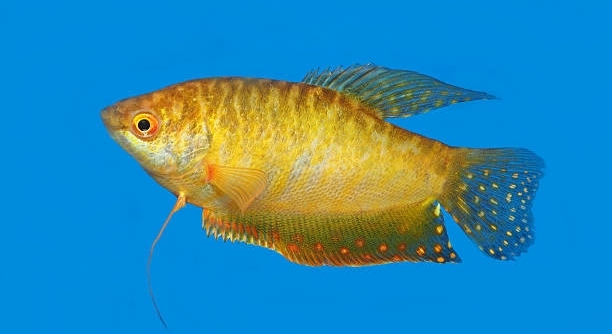
Many aquarium keepers notice gouramis interacting calmly with tank mates and showing repeated patterns of closeness. These behaviors spark interest in whether social bonds exist and how shared space influences daily fish behavior overall health.
Gouramis do not form friendships in a human sense, but they can develop stable social associations. These associations arise from compatible temperaments, environmental conditions, and repeated exposure, resulting in tolerance, reduced stress, and predictable interactions within community aquariums over time.
Social dynamics, tank layout, and species choice all shape these interactions and reveal why peaceful communities succeed in home aquariums.
Social Behavior of Gouramis
Gouramis are known for calm movement and steady routines that shape how they interact with other fish. In shared tanks, they often establish preferred areas and consistent neighbors. I have noticed they respond well to familiar presences, especially when space is stable and hiding spots are available. Their behavior reflects awareness rather than emotion, guided by comfort and reduced stress. When conditions remain steady, gouramis show fewer signs of aggression and more predictable swimming patterns. This consistency allows other species to adjust and coexist without constant tension. Group dynamics depend heavily on tank size, water quality, and stocking order. When these factors align, gouramis tend to tolerate nearby fish and maintain peaceful spacing. Over time, repeated exposure builds recognition that supports calmer interactions and a more balanced aquatic environment for all inhabitants. Such settings help minimize conflict and support long term stability within mixed species tanks in home aquariums everywhere.
These patterns are not random. They develop slowly through repetition and environment. When I adjust lighting, plants, or feeding times, I often see changes in spacing and tolerance. Small details shape how gouramis settle and remain calm beside others. Consistency matters more than constant rearranging for long term harmony overall.
Not all gouramis behave the same, and species differences play a clear role. Dwarf gouramis often appear more sensitive, while pearl gouramis show steady tolerance. Individual temperament also matters. Some fish prefer distance, while others accept close neighbors. I have learned that overcrowding disrupts these balances quickly. Adequate swimming room reduces stress responses and limits territorial displays. When tanks are planned with realistic stocking levels, interactions remain brief and neutral. This structure supports consistent behavior patterns that benefit both gouramis and compatible tank mates. Stable routines and gentle tank maintenance further reinforce these calm social outcomes over extended periods daily.
Creating Balanced Community Tanks
Successful community tanks rely on planning rather than chance. Gouramis benefit from compatible species, visual barriers, and steady conditions. When I focus on layout and pacing, interactions stay neutral. This approach reduces stress and supports predictable behavior across the aquarium without constant adjustments or unnecessary changes over time for stability.
Tank composition influences how gouramis associate with others on a daily basis. Peaceful schooling fish often work well because they occupy different zones and avoid direct competition. Bottom dwellers can also fit when space allows. I avoid pairing gouramis with highly aggressive or fin nipping species, as tension escalates quickly. Plant coverage plays a major role. Dense vegetation breaks lines of sight and creates resting areas. Hardscape elements help define boundaries without crowding. Feeding routines should remain consistent to prevent dominance behaviors. Spreading food reduces clustering and keeps movement even. Water parameters must stay stable, since fluctuations increase irritability. Regular maintenance supports health and predictability. Over time, these choices shape steady coexistence. Gouramis respond best when their environment feels reliable and thoughtfully arranged, allowing shared tanks to function smoothly without persistent conflict or disruption. I have found that patience matters as much as setup. New tanks require observation and minor adjustments. Rushing changes often unsettles established patterns. Allowing fish time to adapt encourages calm spacing. Long term success depends on restraint, consistency, and respect for natural behavior. These practices create stable conditions that support healthy interactions across mixed species aquariums over extended periods with minimal stress and predictable outcomes overall.
Signs of Social Tolerance
Gouramis display tolerance through parallel swimming, shared resting zones, and minimal chasing. I often observe them ignoring familiar tank mates while maintaining personal space. These behaviors suggest comfort rather than attachment, shaped by routine, environment stability, and predictable feeding schedules within calm community tanks that remain consistent over long periods.
Gentle interactions increase when tank layouts remain unchanged and species temperaments align. I notice gouramis settle faster when introduced last, reducing territorial reactions. Visual barriers like plants soften encounters and allow retreat without stress. Regular feeding times also reduce competition. When these elements work together, gouramis coexist quietly with others. Sudden changes disrupt this balance. Rearranging decor, altering stock levels, or inconsistent care can trigger avoidance or short pursuits. Stability supports tolerance, while disruption encourages defensive responses. Observing these patterns helps adjust conditions before conflicts escalate in shared aquariums and maintain healthier dynamics across mixed species tanks over time consistently.
Tolerance does not mean equal acceptance between all fish present. Individual gouramis show preferences shaped by early exposure and stress history. I have seen one ignore tetras yet avoid similar sized barbs. Size, movement speed, and coloration all influence reactions. Slow moving species often cause fewer issues. Faster fish may create tension without direct contact. Monitoring daily behavior reveals these subtle patterns. Adjustments like repositioning plants or reducing lighting intensity can ease friction. Small changes often restore calm without removing fish, preserving overall tank balance while supporting long term stability in community aquariums with consistent care routines and observation habits.
When Compatibility Breaks Down
Conflicts appear when space is limited or temperaments clash. Gouramis may withdraw, hover near surfaces, or display short bursts of chasing. I watch for torn fins or hiding behaviors. These signs suggest rising stress. Early detection allows gentle corrections before aggression becomes frequent. Adjusting layout, stocking order, or maintenance habits often resolves tension without drastic changes and supports calmer shared environments long term when patience and observation guide decisions through consistent daily care practices applied.
When compatibility breaks down, separation may become necessary. I prefer temporary isolation first, using dividers to reduce stress. This pause allows fish to reset without permanent removal. Reviewing stocking density is essential. Overcrowding amplifies minor tensions into repeated confrontations. Rehoming incompatible species can improve welfare for all. Water quality should also be reassessed, since poor conditions heighten irritability. Maintaining stable temperature and filtration supports calmer behavior. Long term harmony depends on realistic expectations. Gouramis tolerate others when their needs are met, not when forced into unsuitable conditions. Respecting these limits leads to healthier tanks. Careful observation and willingness to adjust plans protect both individual fish and the overall system balance over extended periods of responsible aquarium care based on measured, consistent decisions made patiently ongoing.
Environmental Factors That Influence Interaction
Tank setup plays a major role in how gouramis respond to others. I keep swimming areas open and provide plant cover for retreat. This balance reduces pressure and prevents constant encounters. When fish can move freely, tolerance increases and stress behaviors fade over time steadily within stable home aquariums daily.
Lighting and flow also affect interactions. I avoid harsh lights and strong currents that force fish together. Gentle conditions allow gouramis to patrol calmly without reacting defensively. Consistent layouts help them remember safe zones, supporting neutral coexistence with tank mates over long periods in well maintained freshwater community tanks daily.
Choosing the Right Tank Mates
Compatible species selection keeps issues minimal. I choose fish with similar size and calm movement patterns. Schooling species that occupy middle zones often work well. Bottom dwellers reduce competition. Avoiding aggressive feeders matters. When diets overlap too much, tension rises. Spreading feeding areas helps. I have learned that patience during stocking prevents later problems. Introducing gouramis after other fish lowers territorial responses. Observing behavior daily allows quick changes. These steps create predictable routines that support tolerance and reduce stress across shared aquariums over time with consistent care practices and realistic expectations for long term stability and balance overall daily setups.
Maintaining Long Term Stability
Long term success depends on restraint and observation. I resist frequent changes and allow fish to adjust naturally. Minor signs of tension guide small corrections. This steady approach supports calm behavior, healthier fish, and aquariums that remain balanced without constant intervention or forced rearranging over extended periods of routine care.
FAQ
Do gouramis recognize other fish in the tank?
Gouramis can recognize familiar fish through repeated exposure rather than memory in a human sense. I often notice they react less to tank mates they see daily. This recognition lowers defensive behavior and supports predictable spacing. Familiarity reduces stress, especially in stable tanks where layout and population remain unchanged for long periods.
Can gouramis live peacefully with schooling fish?
Yes, gouramis often coexist well with schooling species that move calmly and stay in mid water zones. I have found that larger schools spread movement evenly, which prevents constant attention toward a single gourami. This balance helps maintain calm behavior and reduces the chance of territorial displays developing over time.
Do gouramis become aggressive without warning?
Aggression usually builds gradually rather than appearing suddenly. Changes in swimming patterns, increased surface hovering, or short chases often come first. I watch for these signs closely. Early adjustments to space, decor, or feeding routines often prevent escalation. Sudden aggression is rare when conditions stay consistent.
Is tank size important for gourami interaction?
Tank size is very important. Limited space forces repeated contact, which increases stress. I prefer larger tanks that allow gouramis to establish preferred areas. Extra room gives other fish escape options and reduces tension. Even peaceful species struggle in cramped conditions where movement becomes restricted.
Do male and female gouramis behave differently in community tanks?
Yes, males tend to be more territorial, especially during nesting periods. Females are usually calmer and less reactive. In mixed tanks, I notice males benefit from added cover and visual barriers. This setup helps prevent chasing and keeps interactions neutral when other species are present.
Can gouramis tolerate fish with bright colors?
Bright colors alone rarely cause issues, but fast movement combined with color can trigger attention. I have seen gouramis ignore colorful slow swimmers while reacting to dull but quick fish. Movement speed matters more than appearance. Choosing calm species helps maintain balance regardless of coloration.
How does feeding impact gourami behavior toward others?
Feeding plays a major role. Competition increases tension quickly. I spread food across the tank to avoid crowding. Consistent schedules also help. When gouramis know food arrives reliably, they show less urgency and fewer confrontations. Irregular feeding often leads to increased monitoring of other fish.
Do gouramis need to be kept alone to stay calm?
Gouramis do not need isolation to remain calm. With proper planning, they often do well in community tanks. I have kept gouramis with several compatible species without issues. The key is respecting space, stocking limits, and behavioral cues rather than assuming solitary housing is required.
Can rearranging the tank improve poor interactions?
Rearranging can help, but it should be done carefully. I only adjust decor when tension persists. Adding plants or breaking sightlines often helps more than full rearrangements. Too many changes at once can increase stress. Small adjustments usually produce better results.
Do gouramis show preference for certain tank mates?
They do show tolerance patterns. I notice some gouramis consistently ignore specific species while avoiding others. These patterns often relate to size, swimming level, and behavior rather than species name. Observing these preferences helps guide stocking decisions without trial and error.
How long does it take for gouramis to settle into a community tank?
Settlement can take several weeks. I usually see gradual improvement rather than immediate calm. During this period, I limit changes and monitor behavior daily. Patience allows fish to adjust naturally. Rushing changes often delays stability rather than improving it.
What should be done if a gourami isolates itself?
Isolation often signals stress. I check water quality first, then review tank mates and layout. Adding cover or reducing lighting sometimes helps. If isolation continues, temporary separation may be needed. Early response prevents health decline and protects overall tank balance.
Final Thoughts
Keeping gouramis in a community tank requires attention rather than constant control. Over time, I have learned that their behavior is shaped more by environment and routine than by personality alone. When tanks are planned carefully, gouramis tend to remain calm and predictable. They respond well to stable layouts, gentle lighting, and consistent care. These factors reduce stress and limit unnecessary reactions toward other fish. Instead of expecting clear social bonds, it helps to view their interactions as tolerance built through familiarity. This perspective makes it easier to interpret behavior without projecting emotion where it does not exist. Observing small changes in movement or spacing often reveals more than dramatic events. Quiet tanks usually indicate that conditions are working as intended.
Community tanks succeed when expectations remain realistic. Gouramis do not seek companionship, but they do adapt to repeated exposure. I find that patience plays a large role in long term success. Allowing time for adjustment prevents rushed decisions that often disrupt balance. Many issues resolve on their own when space, stocking levels, and water quality are appropriate. Intervening too quickly can create more stress than the original issue. It is often better to make small adjustments and observe the outcome. Simple changes such as adding plants, adjusting feeding routines, or reducing visual pressure can improve interactions without major disruption. These choices support steady behavior patterns and healthier fish overall.
Understanding gourami behavior becomes easier with consistent observation. Each tank develops its own rhythm, shaped by species mix and maintenance habits. I rely on daily routines to notice subtle shifts before they turn into problems. This approach builds confidence and reduces guesswork. Over time, it becomes clear that success depends less on perfection and more on consistency. When care remains steady, gouramis usually settle into neutral coexistence with others. This balance creates aquariums that feel calm and sustainable. Focusing on long term stability rather than short term fixes leads to healthier tanks and fewer conflicts. With thoughtful planning and restraint, gouramis can remain peaceful members of a shared aquatic space for years.

Hello,
If you enjoy the content that we create, please consider saying a "Thank You!" by leaving a tip.
Every little bit helps us continue crafting quality advice that supports the health, happiness, and well-being of pets around the world, for pets of all shapes, sizes, and species.
We really appreciate the kindness and support that you show us!