
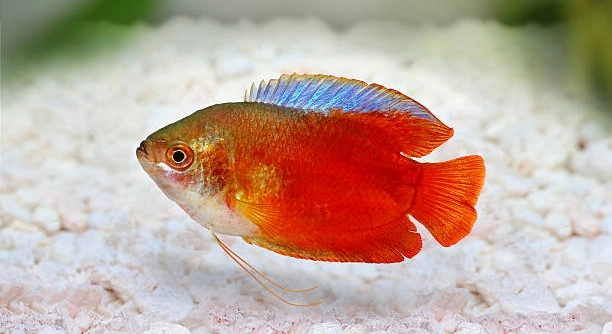
Keeping a gourami healthy involves noticing small changes in behavior that may seem subtle at first but often signal something is wrong within the aquarium environment and daily routine and overall fish well being patterns.
Confusion in gourami fish is commonly indicated by disoriented swimming, delayed responses, and inconsistent interaction with tank features. These behaviors usually stem from environmental stressors such as poor water quality, improper lighting, temperature instability, or sudden habitat changes over time.
Recognizing these early signals helps prevent lasting harm and creates a calmer, more stable aquarium experience for your gourami care.
Unusual Swimming Patterns
I often notice confusion in gouramis first through the way they swim around the tank each day. Instead of smooth, purposeful movement, they may drift sideways, pause without reason, or bump into decorations. This behavior suggests the fish is struggling to process its surroundings properly. Poor water conditions, sudden layout changes, or inconsistent lighting can overwhelm their senses. Gouramis rely on visual cues and stable environments to move with confidence. When those cues disappear, swimming becomes erratic and unfocused. Over time, this stress can increase fatigue and reduce feeding interest. Observing daily swimming patterns provides an early sign that something feels off before more serious health problems appear. This small shift is easy to miss, but consistent observation helps maintain balance and comfort inside the aquarium for fish that depend heavily on routine and calm surroundings for proper orientation and steady sensory feedback throughout their daily activity cycles inside tanks.
Swimming issues often appear gradually rather than suddenly. Small pauses or uneven turns can build into constant drifting if ignored. Watching your gourami during quiet tank hours makes these changes easier to spot early before stress affects appetite behavior, and overall stability within the aquarium environment over time periods unnoticed.
I have learned that correcting swimming confusion starts with stabilizing the tank environment. Checking water temperature, ammonia levels, and lighting schedules creates predictability. Rearranging decorations less often also reduces sensory overload. Gentle filtration and calm tank mates further support steady movement. Feeding at consistent times reinforces routine and orientation. These adjustments may seem basic, yet they restore clarity for gouramis over time. Consistency builds confidence, allowing the fish to navigate its space smoothly again while conserving energy for growth and health and reducing unnecessary stress that interferes with normal behavior patterns during daily tank life cycles overall stability returns naturally.
Delayed Responses and Awareness
Delayed reactions to food or movement often signal mental overload. Gouramis may stare blankly, miss food, or respond slowly to changes. These moments reflect difficulty processing sensory input within the aquarium space when conditions feel unstable or overwhelming for extended periods of exposure without proper adjustment or balance present consistently.
I have found that slow responses usually improve once stress sources are addressed directly. Bright lights left on too long, loud vibrations, or frequent tank interference can cloud a gourami’s awareness. Reducing these disruptions creates mental breathing room. Maintaining consistent feeding locations helps the fish anticipate actions rather than react late. Water clarity also matters, since murky conditions reduce visual reference points. Adding floating plants can soften lighting and provide comfort. Over time, response speed increases as the fish regains confidence. Monitoring reactions during feeding and maintenance tasks gives useful feedback. Small improvements signal recovery and adaptation. Patience plays a key role, because neurological stress does not resolve instantly. Steady care allows the gourami to rebuild awareness and respond more naturally within its environment. This process benefits from minimal handling, calm surroundings, and stable daily schedules that reduce surprise stimuli. I prefer slow, deliberate changes when adjustments are needed, allowing the fish time to adapt without pressure. Over several weeks, responsiveness becomes more consistent, reinforcing a sense of security that supports long-term wellbeing and predictable behavior patterns inside the tank, even during maintenance routines and feeding periods that once caused hesitation or visible confusion before stability was fully restored again.
Ignoring Food Consistently
I notice confusion when my gourami stops reacting to food it normally enjoys. Pellets may sink untouched, and flakes drift by without interest. This behavior often signals mental stress rather than appetite loss, especially when water quality appears stable and tank mates remain unchanged during regular feeding times daily routine.
When food is ignored repeatedly, I check timing and surroundings before assuming illness. Gouramis rely on predictable feeding cues, and confusion disrupts that rhythm. Inconsistent lighting or sudden shadows can distract them during meals. Competition from faster fish also adds pressure, causing hesitation. I have seen gouramis freeze while food passes, unsure how to respond. Reducing tank activity during feeding helps restore focus. Offering smaller portions more frequently reinforces recognition. Hand movements should remain slow and consistent. Once environmental stress decreases, interest in food usually returns gradually, confirming confusion was the root issue rather than physical inability to eat properly.
I learned that maintaining feeding clarity requires patience and observation. Changing foods too often can worsen confusion, even if options are healthy. Sticking to one texture and sinking speed builds familiarity. I also avoid tapping the glass, which startles gouramis easily. Feeding from the same corner creates spatial memory over time. Clean water supports sensory processing, so regular testing matters. If confusion persists, adjusting filtration flow can help, since strong currents interfere with focus. Small adjustments made gradually allow the fish to regain confidence without pressure and encourages calmer feeding behavior over repeated daily routines within the aquarium space consistently.
Remaining Hidden Excessively
My gourami staying hidden longer than usual often signals confusion rather than shyness. Remaining behind plants or decorations for hours suggests it feels overwhelmed. This behavior appears when the tank layout changes suddenly or lighting becomes harsh. Hiding reduces sensory input, acting as a coping response. Noticing extended hiding periods helps identify stress early before appetite and movement decline further from prolonged exposure to unstable conditions inside the aquarium environment over extended periods of time.
When hiding becomes frequent, I focus on restoring predictability. Gouramis feel secure when surroundings remain familiar. Rearranging decorations too often disrupts spatial awareness. I prefer gradual adjustments, moving one item at a time. Providing floating plants creates shaded zones without full isolation. Tank placement also matters, since constant foot traffic can overstimulate sensitive fish. I have noticed improvement after reducing noise and vibration nearby. Consistent lighting schedules help the fish anticipate day and night cycles. Stable temperatures prevent additional stress. Over time, hiding decreases as confidence returns. Observing when the fish emerges offers clues about comfort levels. These patterns guide small changes that support clarity and calm behavior without forcing interaction or sudden environmental shifts that increase confusion during routine aquarium maintenance and daily care.
Bumping Into Objects
I notice confusion when my gourami bumps into glass or decorations without reacting. Instead of smooth turns, it misjudges distance and direction. This often happens after lighting changes or water issues, affecting spatial awareness and balance during normal movement around the tank over extended periods each day within its environment.
When this behavior appears, I slow everything down inside the aquarium. I dim lights slightly, test water levels, and avoid rearranging objects. Clear pathways help orientation return. Gentle filtration also prevents drifting that worsens collisions and supports calmer, more controlled swimming patterns over time, with consistent daily care routines applied.
Staring Blankly for Long Periods
I have seen my gourami remain still, staring into open space for long periods. This lack of engagement suggests difficulty processing surroundings. Overstimulation from bright lighting, reflections, or constant movement outside the tank overwhelms focus. I reduce visual clutter by dimming lights and covering reflective surfaces. Background noise matters too, since vibrations travel through water. Keeping the tank in a quieter area helps. Consistent routines rebuild awareness slowly. I avoid sudden motions near the glass. Over days, the fish begins tracking movement again, showing improved awareness. These quiet adjustments restore clarity without forcing interaction or adding pressure during daily observation.
Swimming Against the Glass Repeatedly
I recognize confusion when my gourami repeatedly swims along the glass edges without pause. This looping behavior reflects disorientation and stress. It often appears after tank changes or strong reflections. Softening lighting, reducing reflections, and restoring routine usually helps stop this repetitive movement over time with patience and stable care.
Can a gourami really become confused, or is this normal behavior?
Yes, gouramis can become confused, and it is different from normal behavior. Confusion shows through repeated disorientation, slow reactions, and inconsistent movement. Normal behavior still follows patterns, even when the fish is resting or cautious. When confusion sets in, those patterns break. I have noticed that confused gouramis struggle to respond to familiar cues like feeding time or lighting changes. This usually connects to environmental stress rather than personality. Addressing the cause early prevents long-term issues.
Does poor water quality cause confusion in gouramis?
Poor water quality is one of the most common reasons confusion develops. Elevated ammonia, nitrites, or unstable pH interfere with neurological function. I always test water when behavior shifts suddenly. Even small imbalances can affect how a gourami processes its surroundings. Clean, stable water supports clear movement, feeding responses, and awareness. Regular water changes reduce mental strain and help restore normal behavior gradually.
Can lighting changes confuse a gourami?
Lighting plays a larger role than many realize. Sudden brightness or inconsistent schedules overwhelm sensitive fish. I have seen gouramis lose orientation after switching bulbs or leaving lights on too long. Maintaining a predictable light cycle helps the fish anticipate changes instead of reacting late. Soft, indirect lighting reduces glare and reflection, which supports calmer movement and better focus throughout the day.
Is confusion linked to tank size or layout?
Yes, tank size and layout directly affect spatial awareness. Gouramis rely on landmarks to navigate. Frequent rearranging disrupts memory and orientation. I keep decorations stable and avoid overcrowding. In smaller tanks, clutter increases stress and limits clear swimming paths. Providing open areas balanced with shelter supports confidence and reduces disoriented movement over time.
Can strong water flow cause confusion?
Strong currents often contribute to confusion. Gouramis prefer gentle movement. Excessive flow forces constant correction, which tires the fish mentally and physically. I adjust filtration when I see drifting or repeated bumping. Slower water allows better control and orientation. Once flow is reduced, behavior usually improves within days, confirming the issue was environmental rather than health-related.
Does confusion affect feeding behavior long-term?
If left unaddressed, confusion can disrupt feeding habits long-term. A confused gourami may miss food repeatedly, leading to weight loss and weakness. I focus on restoring clarity before changing diet. Once surroundings stabilize, feeding responses usually return. Consistency matters more than variety during recovery. Familiar routines reinforce recognition and reduce hesitation during meals.
Can tank mates contribute to confusion?
Yes, tank mates influence mental stress. Fast or aggressive fish overwhelm gouramis, especially during feeding. I have seen gouramis freeze when surrounded by sudden movement. Choosing calm companions reduces sensory overload. Adequate space also matters, since crowding amplifies stress signals. A peaceful environment allows gouramis to process cues without constant interruption.
How long does it take for confusion to improve?
Recovery time varies. Mild confusion may improve within a week once conditions stabilize. More prolonged stress takes longer. I have learned that patience matters. Avoid making multiple changes at once. Gradual adjustments allow the fish to adapt without added pressure. Consistent improvement in swimming and feeding signals progress.
Is confusion a sign of illness?
Confusion alone does not always indicate illness. However, if paired with physical symptoms like clamped fins or labored breathing, further evaluation is needed. I monitor behavior trends rather than isolated moments. When environmental factors are corrected and confusion persists, it may point to an underlying health issue requiring closer attention.
Can confusion be prevented entirely?
While not always preventable, confusion is manageable with proactive care. Stable routines, consistent lighting, gentle flow, and clean water reduce risk. I rely on observation more than intervention. Noticing subtle changes early prevents escalation. A calm, predictable environment supports mental clarity and overall wellbeing for gouramis long-term.
Staying attentive to your gourami’s behavior plays a meaningful role in maintaining its overall stability. Small shifts in movement, awareness, or routine often reflect environmental strain rather than random behavior. These changes are easy to overlook when they develop slowly, yet they carry important information. Consistency within the aquarium supports mental clarity, allowing the fish to process its surroundings without constant adjustment. Stable lighting, calm water flow, and predictable feeding times form a foundation that reduces stress. I have found that observing quietly, without frequent interference, reveals patterns that guide better care decisions. Rather than reacting quickly, taking time to assess the full environment often leads to clearer solutions. A balanced tank does not rely on constant changes but on steady conditions that reinforce familiarity and security for the fish over time.
Understanding confusion in gouramis also requires patience. Behavioral recovery rarely happens overnight, especially when stress has built up gradually. Small improvements signal progress, even if setbacks appear occasionally. It is important to avoid making several adjustments at once, as this can overwhelm the fish further. I prefer slow changes with time in between, allowing the gourami to adapt naturally. This approach supports both physical and mental balance. Environmental stability encourages normal feeding, smoother swimming, and improved awareness. Over time, these behaviors reinforce each other, creating a cycle of calm interaction within the tank. Monitoring trends rather than isolated moments provides a clearer picture of improvement and long-term comfort.
Long-term care becomes more manageable when prevention is prioritized. Regular water testing, gentle maintenance routines, and thoughtful tank design reduce the likelihood of confusion developing again. I have learned that simplicity often works best. Clear swimming paths, limited noise, and steady light cycles reduce sensory strain. These practices not only support clarity but also make the aquarium easier to maintain overall. When the environment remains predictable, gouramis respond with steady behavior that reflects comfort rather than stress. This balance benefits both the fish and the keeper. A calm aquarium encourages observation rather than constant correction, allowing care decisions to feel intentional rather than reactive. Over time, this approach builds confidence in recognizing and addressing behavioral changes early, supporting a healthier and more stable aquatic environment.

Hello,
If you enjoy the content that we create, please consider saying a "Thank You!" by leaving a tip.
Every little bit helps us continue crafting quality advice that supports the health, happiness, and well-being of pets around the world, for pets of all shapes, sizes, and species.
We really appreciate the kindness and support that you show us!