
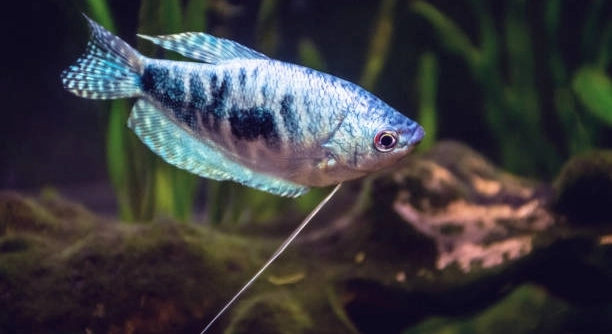
Gouramis are beautiful, colorful fish that often brighten home aquariums. Sometimes, they display sudden aggressive or unusual behavior that can be puzzling for fish owners. Understanding the causes of these temper tantrums can improve care and tank harmony.
Gourami temper tantrums typically result from environmental stressors, poor water quality, inadequate diet, territorial disputes, overcrowding, incompatible tank mates, or health issues. Recognizing and addressing these factors is essential to maintaining stable behavior and overall fish well-being.
By identifying these key triggers, you can create a calmer environment and reduce conflicts in your aquarium. Each cause plays a significant role in shaping your gourami’s behavior.
Poor Water Quality
Maintaining clean water is crucial for gouramis. Dirty water increases stress and can trigger sudden aggressive or erratic behavior. High levels of ammonia, nitrites, or nitrates irritate fish gills and skin, causing discomfort and temper outbursts. Uneaten food and waste also contribute to water contamination, making regular cleaning and monitoring essential. Temperature fluctuations can add stress, as gouramis are sensitive to rapid changes. Ensuring proper filtration and regular partial water changes can prevent these problems. Even small adjustments, like checking pH levels, help keep the tank stable. Observing fish behavior daily allows early detection of issues, reducing prolonged stress and improving their overall health. Clean water is not just a hygiene matter; it directly influences your gourami’s mood and social interactions, making a noticeable difference in their daily activity and interactions with other tank mates.
Consistent maintenance of water parameters can significantly reduce stress, making gouramis calmer and less likely to show aggression.
Regular testing, cleaning, and careful attention to tank conditions will help maintain a peaceful environment and support the health of your gouramis over time. Proper water care prevents disease and promotes stable behavior, ensuring your fish thrive.
Overcrowding
Overcrowding in an aquarium leads to frequent territorial disputes. Gouramis need personal space, and too many fish in a small tank cause stress, aggression, and competition for resources. Overcrowding increases oxygen demand and waste buildup, worsening water quality.
Too many fish restrict natural movement and can escalate fights between gouramis. Territorial species may chase or nip at others, causing injuries and prolonged stress. Stress from overcrowding weakens immune systems, making fish more susceptible to disease. Feeding can become competitive, leaving some fish undernourished while others overeat. Planning tank size according to fish population is essential. Regular observation allows owners to identify aggressive behavior early and adjust tank conditions. Separating overly aggressive fish or upgrading to a larger tank reduces conflicts and improves overall harmony. Providing hiding spaces with plants and décor helps fish establish personal areas, easing tension. Monitoring stocking density ensures all fish receive sufficient space, nutrition, and care for stable behavior and healthy growth.
Territorial Behavior
Gouramis naturally defend their space. Aggression often arises when they feel their territory is threatened by tank mates or new additions.
Territorial disputes can escalate quickly in small tanks or when multiple males are present. Gouramis use chasing, flaring fins, and nipping to establish dominance. Dominant fish may restrict access to hiding spots or feeding areas, increasing stress for less aggressive individuals. Providing plants, decorations, and separate zones helps reduce conflict by allowing fish to claim personal space. Observing interactions during feeding and daily routines helps identify aggressive patterns early, enabling adjustments before serious injuries occur. Adjusting tank layout and population supports calmer, balanced behavior.
In larger tanks, separating males or creating visual barriers between territories often minimizes fights. Careful selection of tank mates and monitoring dominance hierarchies ensures all gouramis coexist peacefully, allowing natural behavior without constant stress or aggression.
Incompatible Tank Mates
Some fish do not mix well with gouramis, triggering aggression or fear responses. Peaceful tank mates are essential for stable behavior.
Fast-moving or aggressive species can provoke gouramis, causing sudden temper displays. Gouramis may become defensive, hide excessively, or attack smaller or more timid fish. Avoiding incompatible species reduces stress, allowing gouramis to maintain normal routines and social behavior. Choosing calm, similarly sized species prevents unnecessary confrontations and supports harmony in the tank. Regular observation ensures early detection of incompatibility before injuries or prolonged stress occur.
Adding new fish slowly and monitoring reactions helps maintain balance. Gouramis respond best to companions that respect their territory and movement patterns. Proper pairing reduces stress, improves feeding behavior, and encourages active, healthy fish. Selecting compatible species is key to creating a peaceful aquarium where gouramis can thrive without frequent conflicts or temper tantrums.
Poor Diet
A lack of balanced nutrition can make gouramis irritable. Insufficient protein or vitamins affects energy levels and behavior.
Feeding only one type of food can lead to aggression or lethargy. Offering varied, high-quality flakes, pellets, and occasional live or frozen foods keeps gouramis healthy and calmer.
Stress from Handling
Frequent or rough handling increases stress, causing sudden temper outbursts. Gouramis are sensitive to disturbance and can react aggressively if startled.
Minimizing netting and sudden movements during tank maintenance prevents unnecessary stress. Allowing fish to acclimate to new conditions gradually reduces anxiety.
Health Issues
Illness or parasites often trigger unusual aggression. Internal or external infections cause discomfort, leading to erratic behavior and temper tantrums. Regular observation of appetite, swimming patterns, and physical appearance helps detect problems early. Prompt treatment prevents worsening behavior and supports recovery.
Lack of Hiding Spots
Insufficient shelter makes gouramis feel exposed, increasing aggression and anxiety. Plants, caves, or décor provide safe retreats.
FAQ
Why does my gourami flare its fins at other fish?
Flare behavior is a natural territorial display. Gouramis use it to establish dominance or protect their space. This behavior is more common in males, especially when multiple gouramis share the same tank. Providing enough personal space and hiding spots reduces excessive flaring and stress.
What should I do if my gourami is constantly hiding?
Constant hiding usually signals stress, illness, or poor tank conditions. Check water quality, temperature, and compatibility with tank mates. Ensure the fish has access to food and proper nutrition. Adding plants or decorations for safe spaces helps your gourami feel secure and encourages normal activity.
How can I tell if my gourami is stressed?
Signs of stress include rapid breathing, clamped fins, erratic swimming, loss of appetite, or aggressive behavior. Changes in color or frequent hiding also indicate discomfort. Monitoring these behaviors daily allows early intervention to prevent serious health or social problems.
Can overcrowding cause temper tantrums in gouramis?
Yes. Overcrowding increases competition for space, food, and resources. It can escalate aggression, especially among males. Adjusting the tank population, providing hiding spots, and separating overly aggressive fish ensures a calmer environment and reduces stress-related outbursts.
How important is water quality for gourami behavior?
Water quality is critical. High ammonia, nitrite, or nitrate levels cause irritation and stress, leading to aggression or erratic movements. Regular water changes, proper filtration, and testing of pH and temperature keep your gourami healthy and stable in temperament.
Do gouramis get along with all fish?
No. Some fish are too aggressive, fast-moving, or territorial, provoking defensive behavior. Pairing gouramis with calm, similarly sized species helps maintain harmony. Observing reactions when introducing new fish ensures compatibility and prevents frequent conflicts.
How can I reduce aggression between male gouramis?
Males are naturally territorial. Providing visual barriers, dividing the tank, or increasing space with plants and décor reduces disputes. In some cases, separating males into different tanks may be necessary to prevent injuries and maintain a peaceful environment.
What role does diet play in temper behavior?
A balanced diet keeps gouramis healthy and less irritable. Lack of protein, vitamins, or variety can lead to lethargy or aggression. Offer high-quality flakes, pellets, and occasional live or frozen foods to maintain proper nutrition and stable behavior.
Can illness cause sudden temper tantrums?
Yes. Internal parasites, infections, or other health issues cause discomfort, which may trigger aggression or erratic swimming. Regular observation, early detection of symptoms, and prompt treatment reduce stress and help your gourami return to normal behavior.
Why do gouramis sometimes attack decorations or plants?
Boredom, stress, or territorial instincts can lead gouramis to nip at plants or décor. Providing enrichment, safe hiding spots, and sufficient space encourages natural behavior and reduces destructive tendencies. Changing tank layout occasionally can also keep the environment engaging and calm.
How long does it take for a stressed gourami to calm down?
Recovery time depends on the cause of stress. Improvements in water quality, diet, tank conditions, or social structure usually result in calmer behavior within days to weeks. Consistent care and monitoring are essential to ensure long-term stability and prevent recurring temper tantrums.
What signs indicate that my gourami is happy and relaxed?
A content gourami swims calmly, explores the tank, interacts peacefully with others, and maintains bright coloration. Regular feeding, normal breathing, and use of hiding spots show comfort and reduced stress, indicating the fish is thriving in its environment.
Can changes in tank layout affect temper behavior?
Yes. Rearranging plants, décor, or hiding spots can reduce territorial disputes and provide new personal spaces. Thoughtful layout adjustments help distribute fish evenly, minimizing stress and aggression while encouraging natural exploration and activity.
Is it necessary to isolate an aggressive gourami?
In cases of repeated attacks or injuries, temporary or permanent isolation may be required. Providing a separate tank or partition ensures safety for other fish while allowing the aggressive gourami to calm down and recover without continuous stress.
How often should I monitor my gourami for signs of aggression?
Daily observation is ideal. Noticing changes in swimming patterns, feeding behavior, or fin displays helps detect early stress or conflict. Prompt adjustments to tank conditions, diet, or social structure prevent prolonged aggression and ensure a stable, healthy environment.
Can stress from handling cause long-term behavior changes?
Frequent or rough handling can lead to chronic stress, making gouramis more prone to aggression or hiding. Minimizing disturbances during cleaning, feeding, or tank maintenance helps maintain normal behavior and prevents ongoing temper issues.
Do gouramis remember aggressive encounters with tank mates?
Yes. Gouramis can recognize past interactions and may react defensively toward fish that previously threatened them. Careful introduction of new fish and monitoring interactions helps prevent repeated aggression and establishes stable social dynamics.
What is the best way to introduce new gouramis to an existing tank?
Introduce new gouramis slowly and observe behavior closely. Quarantine new fish initially, then gradually add them to the main tank. Providing plants or visual barriers during introductions reduces stress and potential territorial aggression, allowing a smoother adjustment period.
How do hiding spots reduce temper tantrums?
Hiding spots give gouramis secure areas to retreat when stressed or threatened. Plants, caves, or decorations create safe zones, lowering aggression and helping fish feel comfortable. Adequate shelter promotes calmer interactions and reduces the frequency of temper outbursts.
Are temper tantrums more common in male gouramis?
Yes. Males are generally more territorial and competitive, leading to frequent displays of aggression. Monitoring male interactions, providing sufficient space, and offering hiding places reduces conflicts and promotes a more peaceful tank environment.
Final Thoughts
Gouramis are beautiful and fascinating fish, but their temper tantrums can sometimes be challenging to manage. Understanding the reasons behind their aggressive or unusual behavior is essential for providing proper care. Many factors influence temper, including water quality, diet, tank size, and social dynamics. By paying attention to these elements, you can create an environment that supports calm and healthy behavior. Observing daily routines, such as feeding, swimming patterns, and interactions with other fish, allows early detection of potential issues. Early action can prevent more serious problems and reduce stress for your gouramis. Regular monitoring and care are the foundation of a harmonious aquarium.
Addressing environmental factors is one of the most effective ways to reduce temper tantrums. Clean, well-maintained water supports physical health and minimizes stress, while appropriate tank size and hiding spots give gouramis personal space to feel secure. Overcrowding and incompatible tank mates can increase aggression, so planning tank population carefully is crucial. Providing a balanced diet ensures proper nutrition, which directly affects mood and activity levels. Even small adjustments, like rearranging plants or decorations, can make a noticeable difference in behavior. Each element of care works together to support a calmer and more balanced aquarium, allowing gouramis to display natural behaviors without constant conflict.
Behavioral management also requires attention to health and social dynamics. Illness, parasites, or injury can trigger sudden outbursts, making regular health checks necessary. Male gouramis, in particular, display territorial behavior that can escalate if not managed properly. Separating aggressive individuals or providing visual barriers can prevent prolonged disputes. Patience and consistency are key, as behavior changes may take time. Creating a stable and stress-free environment benefits not only individual gouramis but the entire tank ecosystem. When care is consistent and attentive, temper tantrums become less frequent, allowing your fish to thrive and your aquarium to remain peaceful and enjoyable.

Hello,
If you enjoy the content that we create, please consider saying a "Thank You!" by leaving a tip.
Every little bit helps us continue crafting quality advice that supports the health, happiness, and well-being of pets around the world, for pets of all shapes, sizes, and species.
We really appreciate the kindness and support that you show us!