
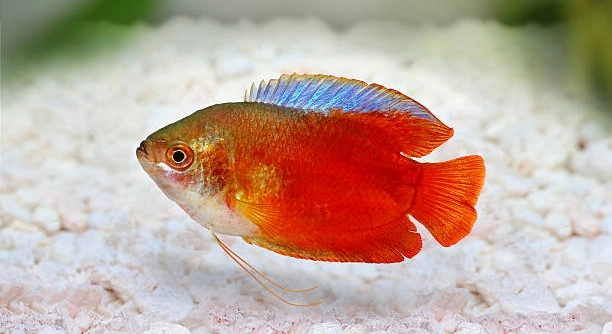
Do your gourami tanks sometimes develop cloudy water, leaving your fish swimming in a murky environment? This can be frustrating, especially when you want a clear, healthy habitat for your aquatic pets to thrive.
Foggy water in gourami tanks can result from multiple factors including overfeeding, bacterial blooms, decaying organic matter, poor filtration, excessive waste accumulation, sudden changes in water parameters, and inadequate tank maintenance. Identifying the root cause is essential for restoring water clarity.
Understanding these causes will help maintain a clean and healthy tank environment, ensuring your gouramis remain vibrant and active in their aquatic home.
Overfeeding Your Gouramis
Overfeeding is a common reason for foggy water in gourami tanks. Excess food that is not eaten sinks to the bottom and begins to decompose, releasing organic matter into the water. This organic buildup creates an ideal environment for bacterial blooms, which further cloud the water. Small, frequent meals are better than large portions, and any uneaten food should be promptly removed. Observing your gouramis’ eating habits helps you gauge the right amount. Overfeeding also contributes to increased waste production, which strains the filtration system. Even high-quality food can cause problems if given in excess. Adjusting feeding routines can significantly improve water clarity. Over time, consistent feeding practices reduce stress on your fish and maintain a healthier aquatic environment. A cleaner tank supports your gouramis’ immune systems and overall activity, creating a more visually appealing habitat. Taking these steps is often the simplest way to tackle persistent foggy water issues.
Limiting meals and promptly removing uneaten food keeps the water cleaner and reduces the likelihood of bacterial growth.
Maintaining a strict feeding schedule ensures your gouramis receive enough nutrition without overwhelming the tank. By providing smaller portions and observing their consumption, you can prevent decaying food from clouding the water. Regular monitoring helps you identify changes in behavior or appetite that may signal other underlying water issues. Over time, reducing excess food will improve water quality, reduce algae growth, and decrease the strain on your filtration system. Consistency in feeding and cleaning routines creates a healthier environment, supporting your fish’s wellbeing and enhancing the clarity of your tank. This simple adjustment can make a noticeable difference in how your tank looks and how your gouramis behave daily.
Poor Filtration
A weak or inadequate filter cannot remove waste efficiently, leading to cloudy water. Proper filtration is essential to maintain chemical and biological balance.
Choosing the right filter for tank size and gourami load ensures water remains clear. Regular maintenance, including rinsing filter media and checking flow rate, is crucial. A strong filtration system removes debris, reduces ammonia, nitrite, and nitrate buildup, and prevents bacterial overgrowth. Filters with mechanical, chemical, and biological components work best, supporting overall water health. Neglecting maintenance or using an undersized filter allows waste and uneaten food to accumulate, creating a murky environment. Consistent upkeep, along with monitoring water parameters, helps maintain clarity and stability in the tank. A properly functioning filter supports the fish’s health, keeps the water visually appealing, and minimizes frequent water changes. Investing in a reliable filter and routine care reduces the risk of foggy water and provides a stable habitat for your gouramis.
Regularly checking and cleaning your filter ensures efficient waste removal, maintaining clearer water and healthier fish.
Bacterial Blooms
Bacterial blooms can cause water to turn cloudy, especially in newly set-up tanks or after cleaning. They appear as a milky or grayish haze and indicate an imbalance in the tank’s biological environment.
Bacterial blooms occur when there is an excess of nutrients in the water, often from uneaten food or decaying plants. They multiply quickly and can overwhelm the tank’s natural balance, making the water look foggy. While usually harmless to healthy fish, these blooms signal that filtration or maintenance may need attention. Reducing feeding amounts, performing partial water changes, and ensuring proper filtration can control bacterial growth. Over time, blooms subside as the tank stabilizes, but frequent monitoring helps prevent recurring issues.
Maintaining consistent cleaning routines and monitoring water parameters are key to controlling bacterial blooms. Avoid disturbing beneficial bacteria while cleaning by rinsing filter media in tank water, not tap water. Overfeeding, excess decorations, or dense plant growth can contribute to nutrient buildup, which encourages bacteria. Careful observation and gradual adjustments allow the tank ecosystem to rebalance, reducing cloudy water while supporting your gouramis’ health.
Decaying Organic Matter
Decaying plants, uneaten food, and fish waste contribute to cloudy water by releasing dissolved organics. These materials break down and increase nutrient levels, promoting bacterial growth and murkiness in the tank.
Regular removal of dead leaves, leftover food, and accumulated waste prevents excessive decomposition. Skimming the surface and vacuuming the substrate reduces organic buildup. Neglecting these tasks allows decay to continue, intensifying water cloudiness. Organic matter decomposition also affects water chemistry, raising ammonia and nitrite levels, which stresses your fish and may harm their health. Routine partial water changes are essential to dilute these compounds and maintain balance. A clean tank environment minimizes the conditions that encourage cloudiness.
Using tools like a siphon and tweezers can make cleaning easier and more effective. Substrate vacuuming removes hidden debris, while trimming plants regularly stops decay before it starts. Combining mechanical cleaning with consistent water changes ensures that dissolved organics stay low, reducing bacterial growth and maintaining water clarity. Paying attention to even small pieces of detritus helps keep the tank visually appealing and supports your gouramis’ long-term health.
Overcrowding
Too many gouramis in a tank can quickly lead to cloudy water. Excess fish produce more waste than the filtration system can handle.
Overcrowding increases stress and waste accumulation, raising ammonia and nitrate levels. Maintaining an appropriate fish-to-tank ratio keeps water clear and supports healthier fish behavior.
Infrequent Water Changes
Neglecting regular water changes allows waste and dissolved organics to build up, contributing to foggy water. Partial water changes dilute these compounds, maintaining a stable environment. Proper schedules help control nutrient levels, reduce bacterial blooms, and support consistent water clarity for gouramis.
Algae Growth
Excess light or nutrients can trigger algae blooms, giving water a green or cloudy appearance. Controlling light exposure and nutrient input prevents overgrowth and keeps the tank visually clear.
FAQ
Why is my gourami tank water cloudy even after cleaning?
Cloudy water can persist after cleaning if the tank’s biological balance hasn’t stabilized. Disturbing the substrate or filter media can release bacteria and organic matter, causing temporary cloudiness. Partial water changes and gentle cleaning help the water clear over time without disrupting beneficial bacteria.
How often should I clean my gourami tank?
Cleaning depends on tank size and fish load, but generally, a partial water change of 20-25% every week is recommended. Removing uneaten food and debris daily prevents organic buildup. Rinsing the filter in tank water once a month maintains efficiency without harming beneficial bacteria.
Can overfeeding cause cloudy water?
Yes, uneaten food decomposes and increases nutrient levels, encouraging bacterial growth. Feeding small portions and removing leftovers promptly keeps water clear and reduces stress on your gouramis. Observing your fish’s appetite helps determine the right amount to prevent overfeeding.
What role does filtration play in water clarity?
Filters remove debris, waste, and excess nutrients that cause cloudiness. Mechanical, chemical, and biological filtration work together to maintain a stable environment. Regular maintenance, including rinsing filter media and monitoring flow rate, ensures optimal performance and keeps water clear.
Is cloudy water harmful to my gouramis?
Temporary cloudiness from bacterial blooms is usually not harmful to healthy fish. However, prolonged cloudiness caused by excess waste or poor water quality can stress gouramis, reduce oxygen levels, and increase the risk of disease. Addressing the cause quickly protects their health.
Can plants affect water clarity?
Yes, decaying plant matter releases nutrients that promote bacterial growth. Healthy live plants help absorb some nutrients and can improve water clarity, but dead leaves should be removed promptly to prevent cloudiness. Regular trimming and monitoring plant health are essential.
Does water temperature impact foggy water?
Sudden temperature changes can disturb the tank environment and trigger bacterial blooms, making water appear cloudy. Maintaining a stable temperature suitable for gouramis reduces stress and helps preserve clear water. Gradual adjustments are safer than rapid changes.
How do I prevent algae blooms in my tank?
Algae thrive with excess light and nutrients. Controlling lighting duration, limiting overfeeding, and performing regular water changes help prevent algae overgrowth. Adding live plants can compete for nutrients, further reducing algae growth and keeping the water clear.
Should I use chemical treatments for cloudy water?
Chemical treatments can temporarily clear water but don’t address the underlying problem. Long-term solutions include proper feeding, regular maintenance, and efficient filtration. Relying solely on chemicals may harm beneficial bacteria and create recurring cloudiness.
Can new tanks cause cloudy water?
Yes, newly set-up tanks often experience bacterial blooms as the ecosystem stabilizes. This “new tank syndrome” usually clears within a few weeks. Avoid overfeeding, maintain gentle filtration, and perform partial water changes to support a healthy balance.
What is the best way to maintain clear water long-term?
Consistent maintenance, including proper feeding, timely water changes, efficient filtration, and removing waste or decaying matter, ensures long-term clarity. Monitoring water parameters like ammonia, nitrites, and nitrates helps identify potential issues early, keeping your gouramis healthy and the tank visually appealing.
Can cloudy water affect fish behavior?
Yes, poor water quality can stress gouramis, making them less active and more prone to illness. Clear water supports natural behavior, encourages regular feeding, and reduces the risk of disease, promoting a stable and comfortable habitat for your fish.
Are there natural methods to clear cloudy water?
Partial water changes, adding live plants, using activated carbon in the filter, and controlling feeding are natural ways to improve clarity. These methods maintain a healthy environment without relying on chemicals, supporting both water quality and fish health.
How quickly can I expect water to clear?
Depending on the cause, water can clear within hours to a few days after addressing the issue. Temporary bacterial blooms may take a few days to settle, while adjustments in feeding, filtration, or plant maintenance can produce gradual improvements over a week.
What common mistakes keep water cloudy?
Overfeeding, irregular cleaning, ignoring filter maintenance, overcrowding, and neglecting water changes are common causes. Addressing these mistakes promptly and maintaining a consistent routine prevents recurring foggy water and supports long-term tank health.
Can cloudy water be a sign of disease?
Sometimes, cloudy water indicates stress or poor conditions that increase disease risk. While the cloudiness itself isn’t always a direct sign of illness, maintaining water quality is essential to prevent outbreaks and keep gouramis healthy.
How do I test water quality for clarity issues?
Testing ammonia, nitrite, nitrate, and pH levels helps identify imbalances that lead to cloudiness. Regular testing guides corrective actions, such as water changes or filtration adjustments, ensuring a stable environment and clearer water for your gouramis.
Is it normal for water to be slightly cloudy sometimes?
Slight temporary cloudiness can occur due to minor disturbances or bacterial adjustments. If it persists or worsens, it indicates underlying issues that need attention, such as overfeeding, decaying matter, or insufficient filtration. Monitoring and maintenance usually restore clarity.
Can tap water cause foggy water?
Tap water containing high minerals or chlorine can affect water clarity and tank stability. Using a water conditioner and allowing water to dechlorinate before adding it to the tank helps prevent cloudiness and protects your fish from stress.
Does tank size influence water clarity?
Smaller tanks are more prone to rapid changes in water quality, making them susceptible to cloudiness. Ensuring proper filtration, feeding, and frequent maintenance in smaller tanks is critical to maintain clear water and a stable environment.
Final Thoughts
Maintaining a clear and healthy gourami tank requires attention to multiple factors that can affect water quality. Overfeeding, poor filtration, decaying organic matter, and overcrowding are among the most common reasons for cloudy water. Each of these issues contributes to an imbalance in the tank environment, leading to bacterial blooms, algae growth, and elevated nutrient levels. Consistently monitoring your tank and addressing problems as they arise is the most effective way to prevent persistent foggy water. Understanding the specific needs of your gouramis, such as proper feeding amounts, tank size, and filtration requirements, helps maintain a stable and clean aquatic habitat. Taking the time to observe your fish daily can also provide early warning signs when water quality begins to decline, allowing you to take corrective actions before the problem worsens.
Regular maintenance routines are essential for long-term water clarity and the overall wellbeing of your fish. This includes performing partial water changes, cleaning the substrate, and checking the filter system to ensure it is functioning efficiently. Removing uneaten food, dead plant matter, and accumulated waste prevents excess nutrients from building up, which reduces the risk of bacterial blooms and algae overgrowth. Monitoring water parameters, such as ammonia, nitrite, and nitrate levels, is equally important because it provides a clear picture of the tank’s chemical balance. These steps may seem basic, but consistency is key. Even small, regular actions can prevent cloudiness and help your gouramis thrive in a healthy, visually appealing environment.
Creating a stable and clear tank environment is a combination of observation, routine care, and preventive measures. Addressing issues like overfeeding, overcrowding, and inadequate filtration early on reduces the likelihood of water problems becoming severe. Incorporating live plants, controlling light exposure, and ensuring proper water conditions all contribute to maintaining clarity and supporting fish health. By staying proactive and attentive, you can enjoy a tank that not only looks clean but also provides a safe and comfortable habitat for your gouramis. Clear water is a sign that the ecosystem within your tank is balanced and that your fish are living in conditions that support their activity, color, and overall vitality. Consistent care and mindful maintenance ultimately create a more enjoyable experience for both the fish and the person caring for them, ensuring long-term success in keeping gouramis healthy and happy.

Hello,
If you enjoy the content that we create, please consider saying a "Thank You!" by leaving a tip.
Every little bit helps us continue crafting quality advice that supports the health, happiness, and well-being of pets around the world, for pets of all shapes, sizes, and species.
We really appreciate the kindness and support that you show us!