
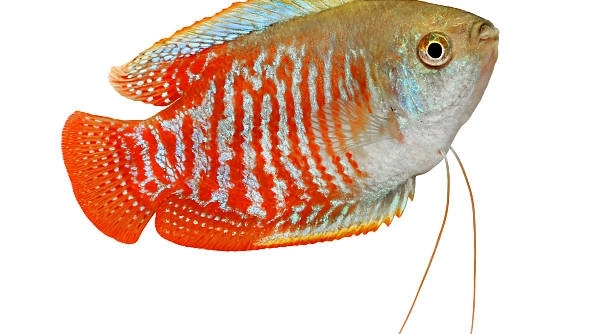
Gouramis are fascinating fish, known for their delicate bubble nests. Many owners enjoy watching this natural behavior, yet sometimes these fish stop building nests unexpectedly, leaving their tanks unusually quiet and still.
Gouramis may cease building bubble nests due to stress, water quality issues, temperature fluctuations, hormonal changes, age, illness, or an unsuitable environment. Each factor can disrupt their natural breeding instincts, preventing the construction and maintenance of their characteristic floating nests.
Identifying these factors can help ensure your gouramis remain healthy and engaged, supporting their natural behaviors and improving the overall balance of your aquarium.
Stress and Its Impact on Bubble Nesting
Gouramis are sensitive to changes in their environment, and stress can easily affect their behavior. Loud noises, frequent handling, or sudden changes in lighting can make them anxious. Even subtle disturbances like rearranging tank decorations or introducing new fish may cause stress. Stress often reduces their interest in nesting and feeding. Over time, prolonged stress can weaken their immune system, making them more prone to illness and further disrupting natural behaviors. Observing your gouramis daily can help you notice early signs of stress, such as hiding, reduced activity, or erratic swimming patterns. Creating a calm environment with stable conditions allows them to feel secure. Soft lighting, gentle water flow, and minimal disturbances encourage natural behaviors. Providing hiding spots and plants also gives them safe areas to retreat, reducing tension. Reducing stress improves overall health, supporting bubble nest building and other normal activities. A consistent routine benefits both their comfort and breeding instincts.
Stress is one of the main reasons gouramis stop building nests, but careful tank management can prevent this.
Monitoring water parameters, avoiding overfeeding, and maintaining a stable environment are key steps. These actions reduce stress and encourage normal nesting behavior.
Water Quality and Temperature Fluctuations
Poor water quality or rapid temperature changes can stop gouramis from building nests. High ammonia, nitrite, or nitrate levels irritate them, and sudden shifts in temperature may interrupt their breeding instincts. Even small fluctuations can signal unsafe conditions, causing them to focus on survival rather than nest building. Keeping the water clean, properly filtered, and within the recommended temperature range is essential. Regular testing and partial water changes maintain balance. Gouramis thrive in slightly acidic to neutral pH with gentle water flow. Warm, stable temperatures support hormone production needed for nesting. Using a thermometer and consistent maintenance routines reduces environmental stressors. Consistent water conditions also prevent diseases, which can further disrupt bubble nest construction. Providing stable conditions and monitoring the aquarium carefully allows gouramis to feel secure, promoting natural behavior. Observing their response after adjustments helps confirm the environment meets their needs, improving the likelihood of nest building. Patience and attention to detail are critical.
Temperature fluctuations and poor water conditions often explain sudden stops in nesting behavior.
Maintaining clean, stable water allows gouramis to rebuild nests. Frequent monitoring, gentle filtration, and consistent temperature management create an environment that supports breeding instincts. Regular partial water changes remove toxins and prevent chemical buildup, while maintaining pH and hardness within recommended ranges encourages comfort. Ensuring the aquarium is properly cycled before introducing fish is also essential. Overfeeding can pollute water quickly, so feeding measured amounts supports health and nesting. Temperature should remain stable, as even minor drops can disrupt hormonal triggers for nest building. Consistency in routine and conditions reduces stress, allowing gouramis to focus on their natural behaviors. Small adjustments, like adding floating plants or providing soft lighting, can improve comfort further. A healthy environment fosters confidence, which is crucial for bubble nest creation. Observing tank dynamics and responding to changes promptly ensures continued engagement. Ultimately, attention to water quality and temperature creates optimal conditions for gouramis to resume building nests and maintain their natural breeding activities.
Hormonal Changes
Hormonal fluctuations affect bubble nest building. Male gouramis rely on hormones to trigger nesting behavior, and any imbalance can stop the process entirely.
Hormonal changes can result from age, stress, or environmental factors. In young males, hormones may not be fully developed, while older males may experience a natural decline. Sudden stress or illness can also disrupt hormone levels, reducing interest in nesting. Even changes in day length or temperature can influence hormone production. Ensuring a stable environment, proper diet, and suitable tank mates helps support natural hormonal cycles. Observing behavior over time can indicate whether hormones are influencing nest-building activity, allowing for adjustments to encourage normal behavior.
Diet plays a role in hormone regulation. High-quality, protein-rich food can help maintain reproductive health and support nest-building instincts.
Providing variety and proper nutrition ensures male gouramis have the resources to produce and maintain bubble nests.
Illness and Physical Condition
Health issues can prevent gouramis from building nests. Infections, parasites, or injuries reduce energy and focus, leaving them less likely to engage in nesting. Stress and weakened immunity from disease further discourage this behavior, making regular health checks essential.
Common illnesses like bacterial infections, fungal growth, or parasitic infestations affect energy levels and behavior. A sick gourami may hide more, swim less, or lose appetite, signaling potential problems. Preventing illness involves maintaining water quality, avoiding overcrowding, and quarantining new fish before introduction. Observation is critical; early detection allows for treatment before nesting behavior is permanently affected. Proper nutrition strengthens the immune system, making fish more resilient to disease. Maintaining a clean, stable environment reduces stress and lowers the risk of illness. Fish with physical injuries may struggle to build nests, so providing soft, safe surfaces and avoiding aggressive tank mates is important. Regular monitoring, preventive care, and quick response to health issues ensure gouramis remain active and capable of bubble nest building.
Age and Maturity
Young gouramis may not build nests because they are not fully mature. Nesting requires both physical and behavioral readiness, which develops over time.
Older gouramis may stop building nests as their energy levels decline. Aging affects hormone production, reducing interest in reproductive behaviors and bubble nest construction.
Tank Environment
An unsuitable tank environment can prevent nesting. Limited space, lack of hiding spots, or strong currents discourage gouramis from building bubble nests. Providing a calm area with floating plants supports natural behavior. Temperature stability, proper lighting, and gentle water flow are essential for encouraging nesting activity.
Incompatible Tank Mates
Aggressive or overly active tank mates can intimidate gouramis, making them stop building nests. Peaceful companions reduce stress and allow males to focus on nesting behaviors.
Why did my gourami stop building bubble nests suddenly?
Sudden stops in bubble nest building are often caused by stress, illness, or changes in water conditions. Even minor disturbances in temperature, lighting, or tank setup can interrupt their behavior. Observing daily routines and tank parameters helps identify the exact reason, allowing you to correct it.
Can water quality alone prevent bubble nests?
Yes, water quality is crucial. High ammonia, nitrite, or nitrate levels irritate gouramis and reduce energy for nesting. Low oxygen or fluctuating pH can also interfere with reproductive behaviors. Regular testing, filtration, and partial water changes maintain a stable environment for nesting activity.
Does diet affect nest-building behavior?
Absolutely. A balanced, protein-rich diet supports hormonal health and energy needed for nest building. Inadequate nutrition can weaken males and reduce reproductive instincts. Feeding small, frequent meals of high-quality flakes, pellets, or live food encourages normal behaviors.
Can tank mates stop a male from building a nest?
Aggressive or overly active fish can intimidate gouramis, making them feel unsafe. Male gouramis need a calm environment to focus on nesting. Keeping compatible, peaceful companions or providing separate areas with hiding spots helps them maintain natural behaviors.
Do age and maturity influence nest building?
Yes, young gouramis may not be ready to build nests because they lack hormonal and physical maturity. Older males may slow or stop nesting due to declining energy and hormone levels. Observing their life stage helps set realistic expectations for bubble nest activity.
Can temperature and lighting affect bubble nest creation?
Temperature and lighting play a major role. Stable, warm temperatures stimulate hormone production, while consistent light cycles signal breeding readiness. Sudden changes can halt nest-building instincts. Maintaining gentle, steady water flow and proper lighting promotes confidence and encourages males to continue building.
How does stress impact bubble nest building?
Stress is one of the leading causes of interrupted nest-building. Loud noises, sudden movements, frequent handling, or frequent tank changes can make gouramis anxious. Stress reduces energy and focus, causing them to stop constructing nests. Calm surroundings and consistent routines help alleviate stress.
What role does illness play in nest-building behavior?
Illness or injury can prevent males from building nests. Sick fish often hide, eat less, and conserve energy. Parasites, bacterial infections, or injuries all disrupt normal behavior. Prompt diagnosis, treatment, and maintaining clean, stable water conditions restore health and encourage nesting.
Is it possible to encourage a male to start nesting again?
Yes, restoring stable water conditions, reducing stress, providing proper nutrition, and ensuring peaceful tank mates can help. Floating plants, gentle filtration, and consistent temperature create a supportive environment. Observing their comfort level and adjusting the tank gradually improves the likelihood of nest-building resuming.
How long should I wait before a male starts building nests again?
It varies depending on the cause. Stress relief and water stabilization may produce results within days, while recovery from illness or hormonal fluctuations can take weeks. Patience and consistent care are key. Monitoring behavior and making small, gradual improvements ensures better results.
Can females influence male nesting behavior?
Females can sometimes encourage males if present in the right number and if conditions are ideal. However, overcrowding or aggressive females can cause stress. Observing interactions and maintaining a balanced ratio of males to females ensures a safe, motivating environment.
Are there environmental signs that indicate nesting might resume?
Yes, males will often hover near the surface, display chasing behavior, and begin collecting plant material or bubbles. These early signs indicate readiness. Providing floating plants and calm water encourages progression, allowing them to rebuild or start new nests successfully.
Does providing breeding-specific setups improve success?
Special setups with shallow water, floating plants, and calm zones help. These setups mimic natural conditions and provide safety. Even small adjustments in tank arrangement can increase comfort, confidence, and the likelihood that males will resume bubble nest construction.
How important is consistency in daily care?
Consistency is critical. Regular feeding, stable lighting, gentle water flow, and minimal disruptions reduce stress. Gouramis respond well to routine, which supports hormonal cycles and encourages natural behaviors, including bubble nest building. Disruption of routine can quickly halt nesting activities.
Can a male stop building nests permanently?
It’s possible, particularly with older males, chronic stress, or long-term illness. However, with proper care, many males resume nesting. Understanding and addressing the underlying causes improves the chances of reestablishing this natural behavior.
What signs show that a nest is healthy and being maintained?
A healthy nest has consistent bubbles, is centered in calm water, and may include plant material. The male frequently guards and adds to it. If bubbles collapse quickly or the male ignores it, environmental or health issues may be affecting maintenance.
How often do males typically build bubble nests?
Frequency depends on age, health, and environment. Healthy males in ideal conditions may build nests regularly, especially during breeding periods. Environmental stability, low stress, and good nutrition all contribute to consistent nest-building behavior.
Can multiple factors combine to stop nest building?
Yes, stress, poor water quality, illness, age, and incompatible tank mates often interact. A combination of small issues can create conditions that prevent nesting. Addressing multiple aspects simultaneously usually produces better results than focusing on a single factor.
Are there natural alternatives to encourage nesting if a male seems reluctant?
Providing floating plants, gentle lighting, soft water flow, and a calm environment can simulate natural conditions. Introducing subtle environmental cues, like slightly warmer temperatures or areas with surface cover, can stimulate nesting behavior without forcing the fish.
How do I monitor progress without stressing the fish?
Observe quietly from a distance, avoid sudden movements, and maintain a gentle routine. Track changes in swimming patterns, feeding behavior, and surface activity. Patience is key; small, consistent improvements often indicate recovery and readiness to resume nest building.
Gouramis are delicate and fascinating fish, and watching them build bubble nests can be a rewarding experience. However, it is normal for them to stop this behavior occasionally. There are many factors that influence nesting, including stress, water quality, diet, hormonal changes, and even age. Understanding these factors is important because it helps create an environment where gouramis feel safe and comfortable. A stable and well-maintained aquarium allows them to display natural behaviors, including bubble nest building. Observing your fish daily gives insight into their health and behavior, and small adjustments in the tank can make a significant difference in encouraging nesting activity. Paying attention to water temperature, filtration, and lighting can reduce stress and support their natural instincts.
Maintaining consistent care is key to keeping gouramis healthy and active. Stress is a common reason for interrupted nesting, and it can come from loud noises, tank disturbances, or incompatible tank mates. By providing peaceful companions and minimizing sudden changes in the environment, males are more likely to regain confidence and resume nest building. Nutrition also plays a role. Feeding a balanced, protein-rich diet strengthens their energy and supports hormonal cycles that trigger nesting. Illness or injury can disrupt behavior, so regular observation and timely treatment are essential. Even small improvements, like adding floating plants or soft surfaces, can make the tank more inviting and encourage males to rebuild nests. Understanding these basic needs allows you to create an environment that promotes natural behavior and overall well-being.
Bubble nest building is not just a decorative behavior—it reflects the health and comfort of your fish. While some interruptions in nesting are temporary, others may indicate environmental or health concerns that need attention. Ensuring stable water conditions, proper diet, peaceful tank companions, and consistent routines helps support nesting instincts. Older males may naturally reduce their activity, while young males may take time to develop the behavior. Patience and observation are essential for understanding your fish and meeting their needs. By focusing on these aspects, you provide an environment where gouramis can thrive, maintain healthy behaviors, and display the fascinating process of bubble nest building whenever conditions are favorable.

Hello,
If you enjoy the content that we create, please consider saying a "Thank You!" by leaving a tip.
Every little bit helps us continue crafting quality advice that supports the health, happiness, and well-being of pets around the world, for pets of all shapes, sizes, and species.
We really appreciate the kindness and support that you show us!