
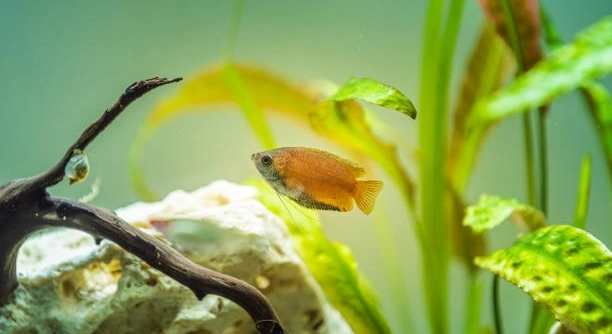
Are your gouramis swimming around the tank but leaving their food untouched today? Sometimes these gentle fish can skip a meal, even when everything in their environment seems normal and their tank is clean and comfortable.
One of the main reasons your gourami might avoid eating is stress or sudden changes in their environment. Factors such as water temperature, quality, or tank setup can influence appetite, and even minor disturbances can cause temporary food refusal.
Observing your fish closely and noting any changes can help you understand their behavior better and keep them healthy in the long run.
Water Quality and Tank Conditions
Gouramis are sensitive to their environment, and even small changes in water quality can affect their appetite. Ammonia, nitrite, or nitrate levels that rise too high can make fish feel unwell and cause them to stop eating. Temperature fluctuations can also play a role. Gouramis prefer stable water temperatures, typically between 74 and 82 degrees Fahrenheit. A sudden drop or increase can stress them, leading to skipped meals. Regular water testing and partial water changes help maintain a healthy environment. Tank size matters too. Overcrowding or aggressive tank mates can create stress, which may reduce feeding interest. Adding plants and hiding spots allows your gourami to feel safe, encouraging normal behavior. Consistent lighting cycles help mimic natural conditions, promoting appetite. Even minor shifts, like moving the tank or cleaning too aggressively, can cause temporary food refusal. Observing behavior alongside these factors helps pinpoint the cause.
Maintaining clean water and a stable tank environment is essential for your gourami’s appetite.
Monitoring water quality daily and providing a calm, consistent environment ensures your gourami remains healthy, active, and interested in food over time.
Feeding Habits and Diet
Gouramis may avoid eating if their diet does not match their preferences or nutritional needs.
Offering a varied diet of flakes, pellets, and occasional live or frozen foods keeps them interested. Overfeeding can reduce appetite, so small portions at regular intervals are best. Sometimes, they may prefer one food type over another, refusing unfamiliar options. Feeding at consistent times helps establish a routine. Observing their preferences allows you to adjust meals to meet nutritional needs. Some gouramis nibble slowly or graze throughout the day, which can appear as skipped meals. Supplements like brine shrimp or bloodworms provide essential nutrients and stimulate feeding. Proper portioning ensures they get enough without leaving uneaten food to decay in the tank. Feeding at the same spot or with the same method can also reduce stress and encourage eating.
Understanding and adjusting feeding practices based on your gourami’s behavior supports long-term health, growth, and vitality. It helps prevent malnutrition and keeps their activity levels steady, creating a thriving tank environment. Consistent observation allows you to detect changes early, ensuring your fish remain healthy and happy. Tracking which foods are preferred helps plan future meals, making feeding time predictable and stress-free. Avoid sudden diet changes, as this can lead to refusal or digestive issues. A gradual introduction of new foods increases the likelihood of acceptance. Balancing protein, vegetables, and occasional treats maintains energy levels and overall wellness. By tailoring feeding habits to your gourami’s specific needs, you can support natural behaviors and enhance their quality of life.
Stress and Tank Mates
Gouramis can become stressed when tank mates are aggressive or overly active. Stress often leads to reduced appetite and hiding behavior. Even peaceful fish can intimidate gouramis if the tank is crowded or lacks sufficient hiding spots, making them reluctant to eat.
Stress in gouramis can be triggered by frequent changes in their environment, such as rearranging decorations or adding new fish. Loud noises near the tank or excessive movement around it can also disturb them. Overcrowding reduces swimming space and increases competition for food, which may cause shy gouramis to stop eating. Providing plants, caves, or floating objects creates safe areas. Consistent feeding schedules help reduce stress and encourage regular eating. Observation is key; noticing aggressive behaviors or constant hiding indicates stress that needs addressing to restore normal feeding.
Some gouramis are naturally shy, and even minor stress can affect their appetite. Gradually adjusting tank conditions, rearranging decorations slowly, and monitoring interactions with tank mates can help them feel secure. Regularly checking water quality and ensuring adequate space further supports their comfort. Avoid sudden introductions of new fish, and use quarantine procedures to prevent disease. By creating a calm and predictable environment, gouramis regain confidence, which usually restores normal feeding patterns and overall health.
Illness and Physical Health
Illness can cause a gourami to stop eating and show other signs like lethargy or color changes.
Common health issues include parasites, bacterial infections, and swim bladder problems. If a gourami refuses food for more than a day or two, check for physical symptoms such as clamped fins, bloating, or unusual swimming patterns. Quarantining sick fish prevents spreading disease, while appropriate medication can treat infections. Stress from poor water quality or sudden temperature changes can worsen illness, making feeding even less likely. Regular observation and early intervention improve recovery chances and prevent long-term health problems.
Digestive problems can also affect appetite. Overfeeding or providing inappropriate foods may lead to constipation, bloating, or difficulty swimming, which discourages eating. Adjusting diet and feeding smaller portions can relieve these issues. Maintaining clean water and stable conditions supports recovery. In cases of prolonged food refusal, consulting a veterinarian specializing in fish is recommended. They can provide proper diagnosis and treatment options. Keeping a log of feeding habits, behavior changes, and tank conditions helps identify patterns and potential triggers. Prompt action ensures gouramis regain appetite, energy, and overall health while preventing more serious complications from developing.
Temperature Fluctuations
Gouramis are sensitive to sudden changes in water temperature. Even a few degrees difference can make them stop eating temporarily. Consistent temperature helps maintain their metabolism and encourages normal feeding behavior.
Using a reliable heater and thermometer ensures water stays within the ideal range of 74 to 82 degrees Fahrenheit, reducing stress and promoting appetite.
Lighting and Day-Night Cycle
Proper lighting influences gouramis’ feeding habits. Too much light or abrupt changes can stress them, while a stable day-night cycle supports natural rhythms. Keeping lights on for 8 to 12 hours a day mimics their natural environment. Consistency helps them feel secure and eat normally.
Age and Growth Stage
Younger gouramis often have smaller appetites compared to adults. Their feeding frequency and portion sizes differ, which may make them appear to skip meals. Adjusting diet according to age ensures proper growth and health.
Seasonal Changes
Seasonal shifts can influence water temperature, light, and overall fish activity. Gouramis may eat less during cooler months or when daylight patterns change. Monitoring these conditions and adjusting feeding habits helps maintain their well-being throughout the year.
FAQ
Why is my gourami ignoring food even though the water looks fine?
Even if water appears clean, there could be unseen issues such as minor ammonia or nitrate spikes, pH changes, or temperature fluctuations. Gouramis are sensitive to subtle changes in their environment, and any stressor can cause temporary food refusal. Consistent testing and monitoring help detect hidden problems.
Can stress from tank mates make my gourami stop eating?
Yes, aggressive or overly active fish in the same tank can intimidate gouramis. Shy or smaller gouramis may retreat to hiding spots and skip meals. Adding plants, caves, and visual barriers can reduce stress and restore normal feeding patterns over time.
Does overfeeding affect appetite?
Overfeeding can make gouramis less interested in their regular food. Leftover food can also degrade water quality, creating further stress. Feeding small, measured portions once or twice a day encourages consistent eating habits and prevents digestive issues.
Could illness be causing my gourami to avoid food?
Illness is a common reason for sudden appetite loss. Signs include lethargy, clamped fins, bloating, or unusual swimming patterns. Quarantining sick fish and providing appropriate treatment helps prevent disease spread and restores appetite. Maintaining clean water supports recovery.
Do temperature changes influence feeding habits?
Yes, gouramis are very sensitive to temperature fluctuations. Even a few degrees outside their preferred range of 74–82°F can slow metabolism and reduce feeding. Using a reliable heater and thermometer keeps conditions stable, helping maintain normal appetite.
Can lighting affect my gourami’s willingness to eat?
Lighting impacts feeding behavior and overall comfort. Too much light, sudden changes, or inconsistent day-night cycles can stress gouramis. Maintaining a stable light schedule of 8–12 hours per day helps mimic natural conditions and encourages regular eating.
Does age or growth stage matter?
Younger gouramis may eat smaller portions and more frequently than adults. Growth stages influence metabolism, activity level, and appetite. Adjusting food type, portion size, and feeding schedule based on age ensures proper nutrition and avoids unnecessary stress.
How do seasonal changes affect feeding?
Seasonal shifts can change water temperature and light exposure, influencing gouramis’ activity and appetite. Cooler months may slow metabolism, leading to less frequent feeding. Monitoring conditions and adjusting meal sizes helps maintain health year-round.
Can sudden tank changes cause refusal to eat?
Yes, moving decorations, adding new fish, or rearranging the tank can stress gouramis. They rely on familiar surroundings for comfort. Making gradual adjustments and providing hiding spots allows them to acclimate and return to normal feeding patterns.
What should I do if my gourami refuses food for more than two days?
If refusal persists, carefully check water quality, tank conditions, and signs of illness. Adjust temperature, lighting, and diet as needed. Consider consulting a fish veterinarian for diagnosis. Prompt action prevents serious health problems and supports recovery.
Are there foods that are more appealing to gouramis?
Yes, most gouramis enjoy a mix of flakes, pellets, and occasional live or frozen foods like brine shrimp or bloodworms. Introducing new foods gradually and observing preferences encourages consistent feeding while providing necessary nutrients.
Can tank cleanliness influence appetite?
Dirty water or leftover food can stress gouramis and reduce appetite. Regular water changes, cleaning the substrate, and removing uneaten food promote a healthy environment that encourages feeding. Clean tanks reduce disease risk and support overall well-being.
How can I tell if my gourami is stressed rather than sick?
Stress may show as hiding, darting, or avoiding certain areas, but without physical symptoms like fin rot or bloating. Identifying stressors such as aggressive tank mates, poor water conditions, or sudden changes helps resolve feeding issues before illness develops.
Does feeding schedule consistency matter?
Yes, feeding at the same time each day creates a routine that gouramis recognize. Inconsistent feeding can cause hesitation or reduced appetite. Small, regular portions build trust and encourage predictable, healthy eating habits.
Can changing the diet too quickly cause food refusal?
Sudden diet changes can make gouramis wary of new foods. Gradually introducing new options over several days allows them to adjust without stress, improving acceptance and maintaining a balanced diet.
Are gouramis picky eaters by nature?
Some gouramis are naturally selective. They may prefer specific textures, flavors, or feeding methods. Observing preferences and adjusting diet accordingly ensures proper nutrition and keeps them interested in meals.
Do gouramis need supplements to maintain appetite?
Occasional supplements like live foods or frozen treats provide variety and essential nutrients, stimulating appetite. Balanced feeding with a combination of flakes, pellets, and occasional treats keeps gouramis healthy and encourages regular eating.
Can disease prevention improve feeding consistency?
Yes, maintaining water quality, proper tank conditions, and quarantine practices reduces illness risk. Healthy gouramis are more likely to eat consistently, and early detection of disease prevents long-term appetite problems.
How important is observation for preventing appetite loss?
Daily observation allows quick identification of changes in behavior, appearance, or feeding habits. Noticing small shifts early helps address stressors, illness, or environmental issues before they cause prolonged food refusal.
Gouramis are delicate fish that rely on a stable environment, proper diet, and consistent care to stay healthy. Skipping a meal now and then is not always a sign of serious illness, but repeated food refusal can indicate stress, illness, or environmental problems. Paying attention to water quality, tank conditions, and the behavior of your fish can prevent many of the common issues that cause appetite loss. Simple steps like monitoring temperature, maintaining clean water, and ensuring there is enough space in the tank for all inhabitants can make a big difference in keeping your gouramis comfortable and willing to eat. Even small adjustments, such as adding plants or hiding spots, can reduce stress and encourage normal feeding habits, helping your fish feel secure and confident in their home.
Feeding habits are influenced by multiple factors, including age, diet, and even seasonal changes. Younger gouramis may eat smaller portions more frequently, while older fish might prefer larger meals at regular intervals. A varied diet of flakes, pellets, and occasional live or frozen foods provides essential nutrients while keeping meals interesting. Overfeeding should be avoided, as leftover food can pollute the water and create additional stress for your fish. Establishing a consistent feeding schedule allows gouramis to anticipate meals and develop a routine that supports their health. Paying attention to their preferences and gradually introducing new foods can help maintain interest and ensure they receive proper nutrition. Observing your fish closely during feeding times can also reveal subtle changes in behavior that might indicate stress, illness, or discomfort in the tank environment.
Even with careful care, gouramis may sometimes refuse food temporarily. Stress from tank mates, sudden changes in the tank, or minor illnesses can affect appetite. Early observation and intervention are essential to address any issues before they become serious. If food refusal continues for more than a day or two, checking water parameters, adjusting diet, or consulting a fish veterinarian can help restore normal feeding behavior. Keeping a calm, stable, and clean environment, combined with attentive observation and appropriate diet, ensures your gouramis remain healthy and active. Understanding their natural behaviors and responding to their needs makes it easier to maintain their well-being, creating a tank where your gouramis feel safe, comfortable, and motivated to eat consistently.

Hello,
If you enjoy the content that we create, please consider saying a "Thank You!" by leaving a tip.
Every little bit helps us continue crafting quality advice that supports the health, happiness, and well-being of pets around the world, for pets of all shapes, sizes, and species.
We really appreciate the kindness and support that you show us!