
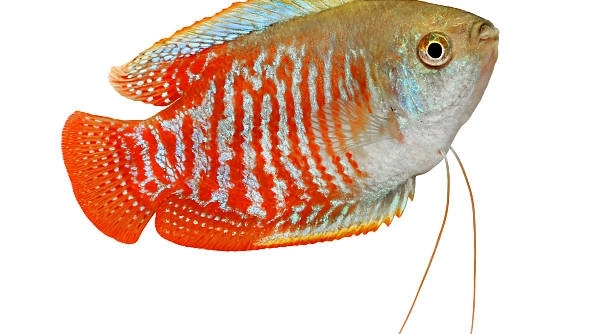
Is your gourami swimming alone and spending more time near the edges of the tank? Many gourami owners notice subtle changes in their fish’s behavior when they are lacking social interaction in their aquatic environment.
Gouramis display signs of loneliness through reduced activity, lack of interaction with tank mates, decreased appetite, and increased hiding. Observing these behavioral changes consistently can help determine if your gourami requires companionship or environmental enrichment.
Recognizing these signs early can improve your gourami’s well-being and help you create a more engaging and supportive tank environment.
Signs Your Gourami Feels Lonely
Lonely gouramis often show subtle changes in behavior. They may swim slowly, stick close to tank walls, or hide more than usual. You might notice less interest in food or reduced interaction with decorations. Some gouramis may display restless swimming or repetitive movements, which can indicate stress. Changes in color or fading patterns are another sign of isolation. Observing your gourami regularly can help you spot these shifts before they affect health. Creating a more engaging environment with plants, hiding spots, or gentle water flow can encourage activity. A lonely gourami might also ignore usual stimuli, such as tapping on the glass or movements nearby, signaling a need for more mental stimulation. It’s important to act early because long-term isolation can impact overall health. Adjusting the tank setup or adding compatible companions can make a significant difference. Paying attention to subtle cues helps maintain a balanced, healthy habitat for your fish.
Not all gouramis show loneliness the same way, but consistent behavior changes are a strong indicator of social needs.
Introducing new elements gradually or providing visual stimulation can reduce stress and improve daily activity. Even small changes in tank layout or adding floating plants may make your gourami more active and engaged. Observing how it responds to these changes gives insight into its comfort level and helps maintain a happier environment.
How to Help a Lonely Gourami
Providing social interaction carefully can improve your gourami’s behavior and health.
Adding a compatible tank mate slowly allows them to adjust without aggression. Observing interactions ensures harmony and reduces stress. In some cases, reorganizing the tank with plants or hiding spots can encourage movement and exploration. Feeding enrichment, such as varying food types or introducing live food, can stimulate natural behavior. Even visual enrichment, like moving decorations or gentle lighting changes, provides mental stimulation. Patience is key, as sudden changes can increase stress rather than reduce loneliness. Regular monitoring of behavior and color patterns helps identify whether adjustments are effective. Creating a calm, enriched environment tailored to your gourami’s preferences encourages natural activity and reduces the effects of isolation. Over time, these steps improve appetite, energy levels, and overall well-being. The goal is to create a habitat where your gourami can display normal behavior and thrive, making the tank a more balanced, lively space.
Creating a Comfortable Tank Environment
Adding plants, hiding spots, and gentle decorations can make a tank feel safer for a gourami. Spaces to explore help reduce stress and encourage natural swimming patterns. Soft lighting and steady water flow also contribute to a calmer, more engaging habitat for your fish.
A well-structured tank encourages activity and reduces boredom. Gouramis benefit from vertical and horizontal spaces where they can swim freely or hide when needed. Floating plants create shaded areas, while small caves or driftwood offer secure resting spots. Keeping the tank clean and maintaining stable water parameters supports health and reduces stress-related behaviors. Observing how your gourami interacts with the environment helps you know what adjustments are most effective for comfort and stimulation. Proper layout can prevent loneliness and improve overall well-being.
Visual and physical stimulation works together to create a balanced tank. Gouramis respond to variety in textures, plant placement, and gentle water movement. These elements encourage exploration, play, and natural behavior. Even subtle changes, like moving a plant or adding a new decoration, can spark curiosity. Rotating elements occasionally keeps the tank dynamic and prevents routine boredom.
Introducing Compatible Tank Mates
Choosing the right tank mates prevents aggression and stress in gouramis. Small, peaceful fish are ideal companions, while avoiding overly active or aggressive species.
Gradual introductions reduce conflict and allow the gourami to adapt comfortably. Keeping the tank spacious and providing multiple hiding spots prevents territorial disputes. Monitor interactions closely to ensure harmony, separating fish if signs of stress appear. Choosing species with similar water parameter needs ensures compatibility, and observing feeding behavior helps maintain peace during mealtime. Over time, compatible companions can reduce signs of loneliness, stimulate activity, and enrich the environment. It’s important to remain patient and attentive throughout the process.
Monitoring Behavior Changes
Tracking your gourami’s daily activity helps identify signs of loneliness. Noting swimming patterns, hiding, or reduced appetite provides insight into its mental and physical well-being.
Consistency in observation allows you to spot gradual changes. Small shifts in color, movement, or social interaction can indicate the need for adjustments in the tank or companionship.
Adjusting Feeding Habits
Offering varied food can stimulate interest and encourage natural behavior. Mixing flakes, pellets, and occasional live food keeps meals engaging. Regular feeding schedules also provide a sense of routine, which can comfort a lonely gourami and promote consistent activity throughout the day.
Recognizing Stress Signals
Frequent hiding, sudden color changes, or erratic swimming are clear signs of stress. Stress often accompanies loneliness and should be addressed immediately to prevent health problems and maintain overall well-being.
Providing Mental Stimulation
Introducing new decorations or rearranging plants encourages exploration. Even small changes in the tank layout can spark curiosity and reduce boredom, helping a lonely gourami remain active and engaged.
FAQ
How can I tell if my gourami is lonely?
A lonely gourami often shows subtle behavioral changes. It may hide more, swim less, or stick to the edges of the tank. Appetite changes, fading colors, and lack of interest in tank decorations or companions are common indicators. Observing your fish consistently over time is key.
Can a gourami be happy alone?
Some gouramis can adapt to being alone, especially larger species, but many benefit from social interaction or environmental enrichment. Providing hiding spots, floating plants, and visual stimulation can reduce loneliness and encourage natural activity. Not all gouramis need companions, but mental stimulation is essential.
What are safe tank mates for gouramis?
Peaceful, small fish like tetras, rasboras, or Corydoras catfish are generally compatible. Avoid aggressive or overly active species that may stress your gourami. Monitor introductions closely and provide plenty of space and hiding spots to prevent territorial disputes. Gradual introductions help maintain harmony.
How long does it take for a gourami to adapt to a new companion?
Adaptation varies depending on species and temperament. It can take a few days to several weeks. Introducing tank mates slowly, observing behavior, and ensuring enough hiding spots reduces stress. Patience is necessary, as forcing interaction can increase aggression or anxiety.
What environmental changes help a lonely gourami?
Adding plants, caves, and floating decorations gives your fish areas to explore and hide. Gentle water flow, soft lighting, and varied textures create a stimulating habitat. Even small rearrangements can spark curiosity and activity, helping reduce signs of loneliness over time.
Does feeding variety reduce loneliness?
Yes, offering different foods can stimulate natural foraging behavior. Flakes, pellets, frozen, or live foods encourage activity and curiosity. Changing feeding routines slightly, without causing stress, helps maintain interest and provides mental enrichment for your gourami.
Can stress from loneliness cause health problems?
Prolonged loneliness and boredom can weaken the immune system, reduce appetite, and lead to slower growth or faded colors. Stress makes gouramis more susceptible to disease. Addressing isolation through tank enrichment or compatible companions supports overall health and longevity.
Should I separate a lonely gourami from aggressive tank mates?
Yes, if aggression is present, separation is necessary. Stress from bullying can worsen loneliness and lead to injury or illness. Providing a peaceful environment with compatible companions or isolating the gourami temporarily allows it to regain confidence and activity levels.
How do I introduce a new gourami to reduce stress?
Introduce new fish gradually using a divider or quarantine tank. Observe behavior closely, and ensure hiding spots are available. Avoid overcrowding, and monitor feeding and swimming patterns. Slowly increasing interaction helps both fish adjust comfortably without aggression or stress.
Is it better to have multiple gouramis together?
Some species enjoy social interaction, while others may be territorial. Research your specific type before adding companions. Providing adequate space, hiding spots, and compatible tank mates ensures a balanced environment, reducing stress and encouraging natural behavior for multiple gouramis.
How often should I monitor my gourami’s behavior?
Daily observation is ideal. Noting swimming patterns, feeding, and interactions helps detect early signs of loneliness or stress. Keeping a small log of changes over time can make it easier to identify trends and adjust the tank environment before problems develop.
Can toys or visual stimulation help a lonely gourami?
Yes, rearranging decorations, adding floating plants, or gently changing tank layout provides mental stimulation. Gouramis explore new elements and can become more active, which reduces the effects of isolation and promotes natural behavior. Small, thoughtful changes are often effective.
What should I do if my gourami refuses food?
Loss of appetite can signal loneliness or stress. Check water quality, adjust feeding methods, and provide enrichment. If necessary, try offering varied or live foods to spark interest. Persistent refusal may require professional advice to rule out health issues.
Are gouramis social with other species?
Gouramis can interact with peaceful species that share similar water conditions. They may enjoy observing or swimming near compatible fish, but temperament varies. Careful selection of companions and proper tank setup encourages safe social interaction without stress.
How can I prevent loneliness in the future?
Maintaining a stimulating environment with hiding spots, decorations, and varied feeding prevents boredom. If your gourami enjoys company, introduce compatible companions gradually. Regular observation ensures early detection of behavior changes, keeping your fish healthy, active, and engaged consistently.
Final Thoughts
Gouramis are sensitive fish that rely on their environment and social cues to stay healthy and active. Loneliness can affect their behavior, appetite, and overall well-being. Even small changes in a tank, like adding plants or rearranging decorations, can have a significant impact on their mood. Paying attention to your gourami’s daily habits helps you notice subtle signs that something may be off. Observing swimming patterns, color, and activity levels over time gives insight into their comfort and mental state. This observation is key to making timely adjustments that improve their quality of life. Small improvements in the tank setup or routine can prevent long-term stress and support a more natural, engaging habitat for your fish.
Creating a comfortable environment is just as important as social interaction. Gouramis often enjoy having spaces to explore, hide, and rest. Floating plants, caves, and gentle water flow mimic natural habitats and encourage normal behavior. Even minor adjustments, like moving decorations or adding soft lighting, can spark curiosity and make the tank more stimulating. These changes help prevent boredom and reduce the negative effects of isolation. Introducing compatible tank mates can be beneficial for social species, but it should always be done gradually and with care. Observing their interactions ensures harmony, while providing plenty of hiding spots reduces conflict. A calm, enriched environment contributes to both physical health and emotional well-being.
Feeding habits and mental stimulation also play a role in preventing loneliness. Offering a variety of foods, including flakes, pellets, and occasional live options, encourages natural foraging behavior and keeps your gourami engaged. Visual enrichment, such as changing the tank layout or introducing new elements, supports curiosity and activity. Monitoring behavior and adapting the environment as needed helps ensure your gourami remains active, healthy, and comfortable. Addressing loneliness early can prevent stress-related health issues, promote appetite, and maintain energy levels. Overall, providing a stable, enriched, and thoughtfully arranged habitat allows your gourami to thrive. With consistent care and attention, you can support both their physical and mental well-being, ensuring they lead a more active and fulfilling life in your tank.

Hello,
If you enjoy the content that we create, please consider saying a "Thank You!" by leaving a tip.
Every little bit helps us continue crafting quality advice that supports the health, happiness, and well-being of pets around the world, for pets of all shapes, sizes, and species.
We really appreciate the kindness and support that you show us!