
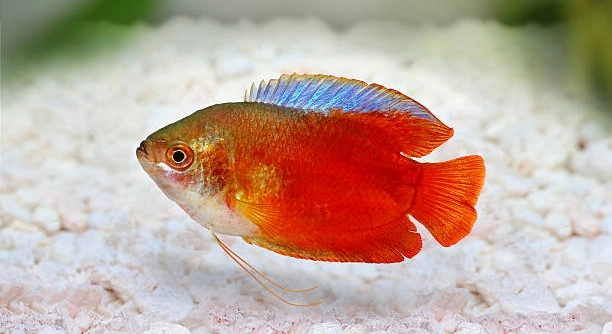
Gouramis are gentle fish that bring calm beauty to any aquarium. Watching them swim gracefully can be relaxing, but sometimes their energy levels change, and it’s important to recognize the signs early to keep them healthy.
A gourami showing low energy often moves slowly, rests at the bottom, and eats less than usual. Environmental stress, poor water quality, or illness can contribute to these behaviors, making prompt attention crucial for the fish’s well-being.
Knowing how to spot these subtle changes can help maintain a healthy and vibrant aquarium environment for your gourami.
Signs Your Gourami Is Losing Energy
When a gourami begins to lose energy, changes in behavior are often the first noticeable sign. You might observe the fish resting near the bottom of the tank or floating without much movement. Eating habits can shift, with the fish showing less interest in food or eating smaller amounts than usual. Its swimming may become slower, and it might avoid interacting with other tank mates. Color changes can also indicate stress or illness, with duller hues appearing along the body. Physical symptoms such as clamped fins, labored breathing, or unusual spots may accompany low energy. Monitoring these signs consistently can help you catch potential health issues early. Paying attention to the tank’s environment, including water quality and temperature, is equally important. Sudden changes or poor conditions can make your gourami sluggish. Taking proactive steps at the first sign of low energy can improve its chances of recovery and maintain a healthier tank overall.
Observing slower swimming and reduced appetite are key indicators that your gourami is experiencing low energy levels and may require immediate attention.
Addressing these signs starts with checking the aquarium’s basic conditions. Ensure the water is clean, properly filtered, and at the correct temperature for your gourami species. Stress from overcrowding or incompatible tank mates can also reduce energy. Adjusting the environment and removing sources of stress helps the fish regain activity levels. Diet is another important factor; feeding a balanced, high-quality diet can improve vitality. Keep an eye on changes day by day, noting any improvements or worsening conditions. Early intervention often leads to quicker recovery, preventing more serious health issues. Sometimes, consulting with a vet specializing in fish is necessary if symptoms persist. Combining environmental care, proper nutrition, and observation gives your gourami the best chance to recover energy and maintain its natural, graceful behavior.
Common Causes of Low Energy
Low energy in gouramis is often linked to water quality issues, improper diet, or stress from tank conditions.
Gouramis are sensitive fish that need stable environments. Poor water quality can lead to fatigue and illness, while inconsistent feeding schedules or nutrient deficiencies also impact energy levels. Overcrowding or aggressive tank mates can increase stress, causing the fish to hide or remain inactive. Temperature fluctuations can affect metabolism, slowing activity. Regular monitoring of these factors is essential. Cleaning the tank, maintaining proper temperature, and providing nutritious food can prevent most energy problems. Observing behavior closely helps identify small changes before they become serious. Implementing these measures consistently ensures your gourami remains active, healthy, and comfortable in its habitat.
Adjusting Tank Conditions
Poor water quality directly affects a gourami’s energy. Regular water changes and proper filtration are essential to keep the tank clean and stable. Checking pH, ammonia, and nitrate levels can prevent stress and lethargy.
Keeping the tank clean involves more than just removing debris. Test water parameters weekly to ensure ammonia, nitrite, and nitrate levels remain safe. Maintain a stable temperature suited to your gourami species, typically between 24–28°C. Avoid sudden changes in lighting or decorations, as gouramis can be sensitive to abrupt environmental shifts. Using a reliable filter and performing partial water changes regularly helps maintain a healthy habitat, reducing fatigue and promoting natural activity levels.
Tank layout and space also impact energy. Provide hiding spots with plants or ornaments, allowing the fish to feel secure. Avoid overcrowding and ensure compatible tank mates to prevent stress. Gentle water flow is preferred, as strong currents can tire gouramis. Observing behavior after these adjustments helps gauge improvements. Gradual changes, rather than sudden shifts, ensure the fish adapts comfortably, restoring energy naturally over time and improving overall health.
Feeding and Nutrition
Proper nutrition is critical for maintaining a gourami’s energy levels. Feeding high-quality flakes, pellets, or frozen foods ensures essential nutrients are delivered consistently.
A balanced diet supports metabolism and immune function. Include protein-rich foods like bloodworms, brine shrimp, or daphnia alongside plant-based options to provide variety. Avoid overfeeding, which can cause obesity and poor water quality, further reducing energy. Feed small amounts two to three times daily, observing whether the fish consumes the food within a few minutes. Uneaten food should be removed promptly to maintain cleanliness.
Supplements can help boost vitality if needed. Occasionally offering vitamins or specialized fish food enhances nutrition and promotes a more active lifestyle. Tracking feeding behavior daily helps identify appetite changes, signaling possible stress or illness. Combining proper diet with clean water and stable tank conditions creates a supportive environment. Over time, your gourami is likely to regain energy, swim more actively, and display brighter colors, reflecting better health and comfort in the aquarium.
Monitoring Behavior
Slow movement and hiding are clear signs your gourami is low on energy. Tracking daily activity helps detect subtle changes early.
Changes in appetite or unusual swimming patterns also indicate stress or illness. Noticing these shifts allows timely intervention before serious health issues develop.
Identifying Illness
Common illnesses like fin rot, bacterial infections, or parasites can cause lethargy. Early detection is crucial to prevent worsening conditions. Observing physical symptoms such as clamped fins, discoloration, or white spots can help identify the specific problem. Quarantining the affected fish and adjusting treatment accordingly supports recovery and reduces the risk of spreading illness to other tank mates. Maintaining clean water, proper diet, and a stress-free environment enhances the effectiveness of treatment. Consistent observation ensures any new symptoms are noticed promptly, allowing for faster action and better long-term health outcomes for your gourami.
Stress Reduction
Minimizing sudden changes and aggressive tank mates helps reduce stress and restore energy levels.
FAQ
How do I know if my gourami is sick or just tired?
A tired gourami may rest more but still show some interest in food and move occasionally. Signs of illness include clamped fins, faded colors, labored breathing, white spots, or unusual swimming patterns. Monitoring these behaviors over several days helps distinguish normal fatigue from health issues.
What water conditions are ideal for a gourami?
Gouramis thrive in clean water with a temperature between 24–28°C and a pH of 6.5–7.5. Ammonia and nitrite should be at zero, and nitrate kept under 20 ppm. Regular water changes, a reliable filter, and gentle water flow create a stable environment that supports energy and overall health.
Can poor diet make my gourami lethargic?
Yes, nutrition directly affects energy. A balanced diet of high-quality flakes, pellets, and occasional protein-rich treats like bloodworms or brine shrimp ensures proper metabolism. Avoid overfeeding, as excess food can pollute the tank, stressing the fish and reducing activity levels. Small, frequent meals are best.
Why does my gourami hide so much?
Excessive hiding often indicates stress, illness, or environmental discomfort. Overcrowding, aggressive tank mates, or sudden changes in light and decorations can trigger this behavior. Providing plants, caves, or ornaments helps the fish feel secure while giving it space to regain energy.
How often should I check water quality?
Weekly testing is recommended for ammonia, nitrite, nitrate, and pH levels. Daily observation of fish behavior can also indicate if water conditions are off. Quick intervention after detecting problems prevents prolonged stress and energy loss in your gourami.
Is temperature important for energy levels?
Absolutely. Gouramis are sensitive to sudden temperature changes. Keeping the tank within the recommended range supports metabolism and keeps them active. Using a heater or thermometer to monitor and stabilize temperature is essential for maintaining energy and preventing lethargy.
Can tank mates affect my gourami’s energy?
Yes, aggressive or overly active tank mates can stress gouramis, causing hiding and sluggish movement. Choose peaceful species that are compatible and avoid overcrowding. Observing interactions daily ensures your gourami feels safe and can swim freely without fear or competition.
What should I do if my gourami refuses to eat?
Loss of appetite can signal illness, stress, or poor water conditions. Check tank parameters first, then offer varied high-quality foods. If the problem persists for more than a day or two, consider quarantining and consulting a vet specializing in fish. Early action improves recovery chances.
Can stress really cause long-term lethargy?
Chronic stress reduces immune function and energy levels. Factors include poor water quality, inappropriate tank mates, or frequent environmental changes. Reducing stress by stabilizing conditions, providing hiding spaces, and maintaining a calm environment allows your gourami to regain vitality and maintain overall health.
How can I encourage my gourami to be more active?
Improving water quality, adjusting diet, and minimizing stressors naturally boost activity. Gentle water flow, proper lighting, and interactive elements like plants or floating objects stimulate exploration. Regular observation helps you notice positive changes and ensures your gourami stays energetic and healthy.
What signs indicate recovery after low energy?
Increased swimming, brighter colors, regular eating, and interaction with tank mates are positive indicators. Consistency in water quality, diet, and stress reduction contributes to steady recovery. Tracking these improvements ensures your gourami maintains energy and thrives in a stable environment.
How long does it take for a gourami to regain energy?
Recovery time depends on the cause. Environmental improvements and proper nutrition can show results within days, while illness may require weeks and treatment. Consistent care and observation are key to supporting a full return to normal activity levels.
Are supplements necessary for energy recovery?
Supplements are not always required but can help if the diet is lacking in vitamins or minerals. Occasional use of high-quality fish vitamins can enhance vitality, support the immune system, and complement a balanced diet, helping your gourami regain energy more efficiently.
How do I prevent energy loss in the future?
Maintaining stable water conditions, feeding a varied diet, minimizing stress, and monitoring daily behavior are essential. Regular tank maintenance and observation prevent early signs of fatigue and ensure your gourami stays active and healthy long-term.
Can old age affect my gourami’s energy?
Yes, older gouramis naturally slow down and may rest more. While this is normal, sudden extreme lethargy should still be checked for health issues. Adjusting diet, reducing stress, and providing a calm environment helps senior gouramis remain comfortable and as active as possible.
Caring for a gourami requires attention to both its behavior and its environment. Low energy is often the first sign that something is off, and recognizing it early can make a big difference. Observing your fish daily, noting changes in swimming, eating habits, or general activity, helps you catch potential issues before they become serious. Even small signs, like resting more than usual or hiding frequently, can indicate stress, illness, or environmental problems. By staying attentive and consistent, you can ensure your gourami remains healthy and active for a long time. Simple steps such as keeping the water clean, monitoring temperature, and maintaining a balanced diet go a long way in preventing energy loss and promoting overall well-being.
Providing a stable and comfortable environment is key to supporting your gourami’s energy levels. This includes regular water changes, proper filtration, and checking the water parameters like pH, ammonia, and nitrate levels. A stable temperature suited to your gourami species also helps maintain their metabolism and activity. Tank layout matters as well; adding plants, hiding spots, and decorations can reduce stress and give your fish a sense of security. Avoiding overcrowding and pairing your gourami with compatible tank mates minimizes conflict and allows them to swim freely without fear. Every detail, from lighting to gentle water flow, contributes to a healthier environment that encourages natural behavior and energy.
Nutrition plays a critical role in keeping your gourami active and healthy. Feeding a balanced diet with high-quality flakes, pellets, and occasional protein-rich treats ensures they receive essential nutrients. Overfeeding should be avoided, as uneaten food can pollute the tank and increase stress. Tracking feeding habits daily helps identify early signs of fatigue or illness. If needed, occasional supplements can support vitality and improve recovery from periods of low energy. Combining proper diet with clean water, reduced stress, and a stable tank environment creates the best conditions for your gourami to thrive. With consistent care, attention, and observation, your gourami can remain energetic, display vibrant colors, and continue to be a lively presence in your aquarium for years to come.

Hello,
If you enjoy the content that we create, please consider saying a "Thank You!" by leaving a tip.
Every little bit helps us continue crafting quality advice that supports the health, happiness, and well-being of pets around the world, for pets of all shapes, sizes, and species.
We really appreciate the kindness and support that you show us!