
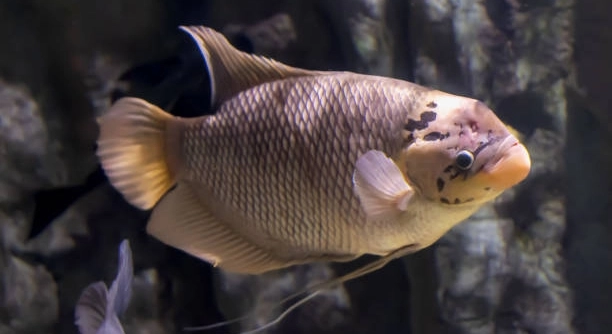
Is your gourami mostly inactive during the day, only becoming lively when the lights dim? Many aquarists notice this pattern and wonder why their fish seem to prefer nighttime activity in their tanks.
Gouramis are naturally crepuscular or nocturnal, meaning they are most active during low-light conditions. Factors such as stress, tank environment, and feeding schedules can influence their daytime inactivity, encouraging movement primarily during evening and nighttime hours.
Understanding your gourami’s habits can help improve its environment and overall well-being, ensuring a healthier and more engaging experience for your aquatic companion.
Understanding Nocturnal Behavior in Gouramis
Gouramis are often more active during dim lighting or at night due to their natural instincts. In the wild, they use low-light hours to explore, hunt, and avoid predators. In home aquariums, bright daytime lighting can make them feel exposed or stressed, reducing daytime activity. The tank environment plays a significant role in their behavior. Overly bright lights, limited hiding spots, or sudden disturbances can cause gouramis to hide or remain still. Adjusting the environment with shaded areas, plants, or dim lighting can encourage more natural movement patterns. Additionally, feeding routines influence activity levels. Gouramis may wait for quieter moments to search for food, showing bursts of energy after lights go down. Observing these patterns allows you to align tank conditions with their instincts, creating a calmer, more balanced habitat where your fish can thrive without forcing unnatural behaviors. Understanding these factors is key to supporting their health.
Creating shaded areas and adding plants helps your gourami feel secure, promoting more activity even during daytime hours.
Monitoring light exposure, temperature, and feeding times ensures that your gourami’s activity aligns with natural patterns. Over time, adjustments can reduce stress, increase visibility during the day, and maintain healthy behavior without sudden changes. A balanced environment encourages exploration, social interaction, and feeding habits, resulting in a livelier and more content fish. Observing subtle behavioral cues, like gentle fin movement or quiet hovering, can indicate comfort. By aligning your aquarium setup with these instincts, you support both mental and physical health. Even small changes, like adding floating plants or adjusting light duration, make a noticeable difference. This approach helps maintain natural rhythms, allowing your gourami to remain active while feeling safe. It also reduces the risk of stress-related illnesses and promotes longevity. Regular observation and minor tweaks ensure your tank fosters a healthy, responsive, and engaging environment for your fish over time.
Tank Environment and Lighting Adjustments
Proper tank setup is essential for encouraging natural activity. Gouramis respond well to plants, dim lighting, and hiding spaces.
Lighting adjustments, plant placement, and tank décor create a secure environment that supports nocturnal habits. Bright lights or open tanks often cause prolonged hiding, while shaded areas encourage exploration.
Positioning floating plants, adding caves, and adjusting light schedules helps gouramis feel safe. Gradually dimming lights toward evening simulates natural conditions, stimulating movement. Too much light can increase stress, causing lethargy and hiding. Tank size also matters; larger spaces allow for more natural roaming, while crowded conditions limit movement. Temperature stability influences behavior too; inconsistent warmth can reduce activity. Maintaining clean water and moderate flow supports comfort. Observing your fish during transitions helps identify ideal conditions. Small environmental tweaks make a significant impact over time, promoting both daytime and nighttime engagement. Adjusting decorations, lighting angles, and feeding timing further encourages exploration. Over weeks, these changes can shift your gourami’s behavior toward a balanced routine, blending periods of rest and activity while ensuring overall health and vitality within the aquarium setting.
Feeding Patterns and Nighttime Activity
Gouramis often adjust their feeding habits to low-light conditions. They may remain inactive during the day, waiting for quieter periods to search for food, which explains bursts of energy after lights dim in the aquarium.
Feeding schedules directly impact activity levels. Gouramis tend to be more active when food is available, especially during calm, dim conditions. Overfeeding or inconsistent routines can make them lethargic or overly cautious during daylight hours. Providing small, frequent meals in the evening aligns with their natural tendencies, encouraging movement and exploration. Observing when your gourami shows interest in food helps refine feeding timing, ensuring energy is used efficiently for swimming and interacting with the environment rather than remaining idle.
Evening feeding supports natural rhythms and helps reduce daytime inactivity. Gradually adjusting feeding times can align behavior with tank conditions, creating a more balanced daily routine for your fish. Proper portion control and consistent timing prevent stress and support overall health, reinforcing natural nocturnal activity patterns.
Stress and Environmental Factors
Stress is a significant factor in a gourami’s daytime inactivity. Poor water quality, overcrowding, and sudden movements can make them hide or remain still for long periods.
Gouramis are sensitive to environmental changes, and stress can drastically alter behavior. Strong currents, aggressive tank mates, or fluctuating temperatures can suppress daytime activity and cause the fish to retreat during the day. Ensuring stable water parameters, compatible companions, and quiet surroundings helps reduce stress. Subtle adjustments, such as adding floating plants or rearranging décor for additional hiding spots, can encourage movement without overwhelming the fish. Monitoring behavior daily allows you to detect stress indicators early and make necessary corrections, promoting comfort and consistent activity patterns. Consistent tank maintenance, gentle handling, and observing social interactions improve overall well-being, allowing gouramis to feel secure while displaying natural behaviors during both day and night periods.
Water Conditions and Temperature
Stable water parameters are essential for active gouramis. Sudden changes in temperature or poor water quality can make them hide or reduce movement during the day.
Maintaining proper pH, temperature, and cleanliness supports natural behavior. Regular water testing and partial changes prevent stress and encourage consistent activity throughout the day and night.
Tank Companions and Social Dynamics
Gouramis respond strongly to their tank mates. Aggressive or overly active fish can intimidate them, causing hiding or nocturnal behavior. Choosing compatible species and providing adequate space reduces stress, allowing gouramis to move freely and display natural activity patterns.
Adjusting Lighting for Activity
Gradually dimming lights in the evening can stimulate movement. Soft, indirect lighting during the day helps gouramis feel secure, promoting a balance between daytime rest and nighttime activity.
FAQ
Why is my gourami inactive during the day?
Gouramis naturally prefer low-light conditions, making them more active during dim or dark periods. Bright lighting or frequent disturbances can make them hide or remain still. Ensuring shaded areas, plants, and a calm environment encourages activity while respecting their natural tendencies.
Can I change my gourami’s active period to daytime?
It is possible to gradually adjust their activity patterns by dimming lights slowly during the day and providing a safe, stress-free environment. Feeding during daylight hours and adding hiding spots can help, but many gouramis will still retain some nocturnal behavior due to instinct.
Does tank size affect my gourami’s activity?
Yes, smaller or overcrowded tanks can limit movement, making gouramis hide or appear inactive. Larger tanks with sufficient swimming space, plants, and decorations promote exploration and natural activity patterns, especially when combined with a proper feeding schedule and consistent lighting.
How does water quality impact their behavior?
Poor water quality can stress gouramis, causing lethargy or hiding. Regular water changes, proper filtration, and monitoring pH, temperature, and ammonia levels support both health and activity. Stable water conditions reduce stress, allowing gouramis to move naturally during their preferred times.
Do gouramis prefer certain types of tank décor?
Yes, gouramis feel secure with floating plants, caves, and shaded areas. These elements provide hiding spots and reduce stress. Open tanks or sparse decorations often lead to hiding or inactivity, especially during daylight. Adding plants and décor encourages natural exploration and nighttime activity.
Can other fish affect my gourami’s activity?
Aggressive or overly active tank mates can intimidate gouramis, causing them to stay hidden. Peaceful, compatible species and proper spacing reduce stress. Observing interactions and adjusting the tank’s social structure ensures gouramis can swim freely and remain active according to their natural rhythms.
Does feeding schedule influence nocturnal behavior?
Yes, gouramis often adapt feeding times to low-light conditions. Feeding in the evening or at quieter times can trigger activity. Overfeeding during the day may make them lethargic. Small, consistent meals aligned with their preferred activity periods promote movement and maintain health.
Can temperature changes cause inactivity?
Temperature fluctuations can make gouramis sluggish or inactive. Maintaining a stable, appropriate range supports energy levels and encourages natural activity. Gradual adjustments are better than sudden changes, which can stress the fish and alter behavior patterns for extended periods.
How do I know if my gourami is stressed?
Signs of stress include hiding, clamped fins, erratic swimming, or refusal to eat. Stress is often caused by poor water quality, incompatible tank mates, or sudden environmental changes. Addressing these factors improves behavior and encourages daytime and nighttime activity.
Will adjusting lighting improve my gourami’s activity?
Yes, dimming lights gradually in the evening and providing soft, indirect light during the day helps gouramis feel secure. Lighting adjustments simulate natural conditions, encourage exploration, and maintain a balance between rest and activity, supporting overall health and well-being.
Are gouramis naturally nocturnal?
Many gourami species are naturally crepuscular or nocturnal. They are instinctively more active during dawn, dusk, or low-light conditions. Understanding this behavior helps aquarists provide suitable tank conditions, feeding schedules, and environments that align with their natural activity patterns, reducing stress and inactivity.
What can I do if my gourami refuses to eat during the day?
Offer food during low-light periods or gradually shift feeding times to earlier in the day. Providing small, frequent meals and ensuring the environment feels safe encourages eating without forcing unnatural behavior. Observation and patience are key to aligning feeding with their activity.
Does tank maintenance affect activity?
Regular tank maintenance is crucial. Dirty water, algae buildup, or clogged filters can reduce oxygen levels and increase stress. Consistent cleaning, monitoring water parameters, and maintaining a healthy environment encourage natural movement and reduce hiding or nighttime-only activity.
How long does it take for behavior to adjust after changes?
Behavior adjustment depends on the extent of changes and the individual fish. Gradual lighting shifts, feeding adjustments, and environmental improvements may show results in days to weeks. Patience is essential, as forcing changes too quickly can increase stress rather than encourage natural activity.
Can stress cause long-term inactivity?
Yes, prolonged stress can lead to chronic hiding, loss of appetite, or weakened immune response. Maintaining stable water conditions, compatible tank mates, and a secure environment prevents long-term behavioral issues and supports both daytime and nighttime activity.
Is it normal for gouramis to rest at night?
Yes, gouramis often rest during the darkest hours, even if they are active at dusk or dawn. Providing safe areas and calm conditions ensures restful periods without disrupting their natural nocturnal or crepuscular activity cycles.
Do all gourami species behave the same way?
No, behavior varies by species. Some gouramis are more diurnal, while others are primarily nocturnal. Understanding the specific species’ habits allows tailored tank setups, feeding schedules, and lighting adjustments to support natural activity patterns.
How important is observation for adjusting their routine?
Daily observation helps detect stress, illness, or environmental issues. Noting activity patterns, feeding behavior, and interactions with tank mates allows targeted adjustments, improving overall well-being and promoting consistent activity in line with natural tendencies.
Can plants alone encourage daytime activity?
Plants provide security, reduce stress, and mimic natural habitats. While they help encourage movement, combining plants with proper lighting, feeding schedules, and compatible tank mates creates the most effective environment for balanced activity throughout the day and night.
What signs indicate my gourami is healthy and active?
Active swimming, responsive feeding, bright coloration, and calm social interactions indicate good health. Consistent observation of these signs ensures environmental and dietary conditions are supporting natural behavior patterns, including both daytime and nighttime activity.
How do I balance light and dark periods in the tank?
Gradual transitions between light and dark periods replicate natural conditions. Use timers to maintain consistent schedules, provide shaded areas, and avoid sudden bright lights. Balanced light cycles reduce stress and support normal activity, feeding, and resting behaviors for your gourami.
Final Thoughts
Understanding your gourami’s behavior begins with recognizing its natural tendencies. Many gouramis are crepuscular or nocturnal, which means they feel most comfortable and active during low-light periods. This is a survival instinct inherited from their wild environment, where dim lighting offered safety from predators and a better chance to explore and feed without threat. In a home aquarium, bright lights and sudden movements can make them feel exposed, causing them to hide or remain still during the day. Providing a calm and secure environment allows your gourami to express its natural behaviors without forcing changes that might increase stress. Observing how your fish moves, interacts, and responds to the tank conditions gives insight into its comfort levels and activity patterns. Shaded areas, floating plants, and quiet spaces help create a sense of security, encouraging movement during preferred times. Even small adjustments, like repositioning décor or softening the lighting, can make a noticeable difference in your gourami’s daily behavior.
Feeding habits also play a crucial role in activity levels. Gouramis may adjust their energy to match quieter times, often becoming more lively in the evening when the tank is less bright and less disturbed. Aligning feeding schedules with these natural tendencies helps maintain energy balance and reduces stress. Overfeeding during daylight or inconsistent meal times can make your gourami lethargic and discourage exploration. Offering small, frequent meals during low-light periods provides both nourishment and a reason for movement, reinforcing natural routines. Watching for cues, such as interest in food or gentle fin movement, helps identify the best timing for meals. Proper feeding combined with a secure environment supports both mental and physical health, allowing your gourami to swim, explore, and interact with the surroundings naturally. Consistency in these aspects builds trust in the environment, giving your fish confidence to be active without fear.
Environmental stability is equally important for promoting balanced behavior. Temperature fluctuations, poor water quality, and incompatible tank mates can create stress that suppresses activity, often forcing your gourami to hide during the day. Regular monitoring of water parameters, maintaining a stable temperature, and ensuring tank companions are peaceful and compatible reduce these stressors. Tank size, décor, and hiding spaces all contribute to a comfortable environment where the fish feels secure. Gradual adjustments, rather than sudden changes, are essential for supporting natural activity patterns. Over time, maintaining these conditions allows your gourami to establish a reliable routine, balancing periods of rest and activity. By combining proper lighting, feeding schedules, environmental stability, and careful observation, you can create an aquarium that supports both daytime and nighttime behaviors, ensuring a healthy, content, and active gourami.

Hello,
If you enjoy the content that we create, please consider saying a "Thank You!" by leaving a tip.
Every little bit helps us continue crafting quality advice that supports the health, happiness, and well-being of pets around the world, for pets of all shapes, sizes, and species.
We really appreciate the kindness and support that you show us!