
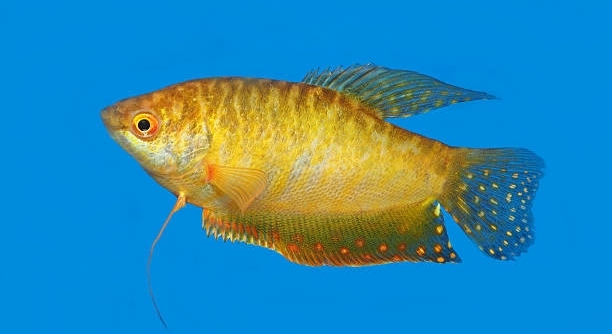
Introducing a new gourami to your aquarium can be an exciting experience, but it often comes with challenges. These fish are sensitive to changes in their environment, and sudden introductions may cause stress or erratic behavior.
To calm a newly introduced gourami, it is essential to control environmental factors such as water temperature, pH levels, and tank decorations. Gradual acclimation, hiding spots, and minimal disturbance reduce stress and promote adaptation to the new habitat.
Implementing simple strategies can make the transition smoother and help your gourami feel secure. Each step plays a role in creating a peaceful and balanced aquarium environment.
Prepare a Quiet Environment
When introducing a new gourami, minimizing noise and sudden movements around the tank is crucial. Loud sounds or frequent activity can heighten stress and make the fish retreat or behave erratically. Ensure that the tank is in a calm area, away from daily disturbances such as television noise, door slams, or high traffic. Covering part of the tank can help reduce visual stressors and make the fish feel safer. A stable environment encourages the gourami to explore gradually and reduces aggressive tendencies toward other fish. Keeping lights consistent and avoiding abrupt changes also contributes to a sense of security. Monitoring the tank daily helps you spot stress signs early, allowing you to adjust conditions quickly. A peaceful environment not only calms the new gourami but also benefits all the tank inhabitants. Simple changes like positioning the tank away from windows or providing soft background lighting can make a noticeable difference in behavior.
A quiet and stable tank environment allows your gourami to adjust naturally without unnecessary stress or panic.
Reducing noise, controlling lighting, and maintaining consistent activity around the aquarium all contribute to a calmer fish. Providing hiding spots and observing interactions carefully allows the gourami to feel secure while integrating into the tank. Gradual acclimation in this controlled setting helps prevent stress-induced illness. Simple measures like soft background noise, consistent feeding times, and minimal sudden movements allow the fish to adapt on its own pace. The key is patience and observation. Over time, the new gourami will explore, interact, and settle comfortably in its new habitat, showing natural behavior and improved health. Consistency and care make a tangible difference in the fish’s overall adjustment.
Introduce Hiding Spots
Adding plants, caves, or decorations provides essential shelter for a new gourami. These hiding spots give the fish a secure area to retreat if feeling threatened or stressed.
Providing multiple hiding spots ensures that the gourami has choices and avoids conflicts with other fish.
Hiding places are essential for reducing stress during the initial introduction. Gouramis use them to feel safe while exploring the tank at their own pace. Dense vegetation, driftwood, or small caves simulate a natural habitat, offering both comfort and privacy. Avoid overcrowding the tank with too many decorations, as this can create territorial disputes or limit swimming space. Placement of hiding spots should allow easy access while keeping open swimming areas for exploration. Observing the fish’s behavior near these shelters helps identify which areas are preferred, indicating comfort levels. Over time, the gourami will use these spaces less frequently as confidence grows. Properly positioned hiding spots also encourage healthier interactions with tank mates, reducing aggressive behavior and supporting overall well-being in the aquarium.
Gradual Acclimation
Acclimating a new gourami slowly reduces shock from sudden changes in water conditions. Float the sealed bag in the tank for 15-20 minutes and gradually mix tank water to adjust temperature and pH.
Introducing water from the tank into the bag slowly over 30-45 minutes allows the gourami to adapt without stress. Sudden exposure to new water chemistry can cause rapid breathing, lethargy, or erratic swimming. Carefully observing the fish during this process helps ensure it is tolerating the conditions well. Avoid rushing the transfer; patience during acclimation supports long-term health and reduces the likelihood of disease or injury. Using a drip method or slowly adding small amounts of tank water every few minutes helps the gourami adjust naturally.
Once acclimated, gently release the gourami into the tank without forcing it. Let it explore at its own pace, retreating to hiding spots if necessary. Avoid immediate interaction or feeding, giving the fish time to recover from the stress of relocation and feel secure in its new environment.
Monitor Behavior Closely
Watching your gourami’s behavior after introduction can reveal stress or health issues early. Signs include hiding excessively, rapid gill movement, or aggressive behavior toward tank mates.
Consistent observation helps detect problems before they escalate. Track activity patterns, eating habits, and interactions with other fish. Early detection allows for prompt adjustments to water quality, tank setup, or diet. Stress can be subtle, such as slight color fading or reduced movement. Keeping a daily log of behavior provides insight into adaptation progress. Adjust lighting, placement of hiding spots, and feeding routines as needed to support comfort. Noticing positive changes, like confident swimming or exploring, signals that the acclimation is successful. This ongoing monitoring ensures the gourami remains healthy, integrated, and stress-free.
Maintain Stable Water Conditions
Keeping water parameters steady is essential for calming a newly introduced gourami. Sudden changes in temperature, pH, or hardness can trigger stress and illness.
Regularly test the water and perform small, consistent changes when needed. Stability helps the fish adapt more quickly and prevents health complications.
Limit Feeding Initially
Overfeeding or sudden diet changes can stress a new gourami. Offer small portions once or twice daily until it adjusts.
Gradually increase food quantity as the fish becomes comfortable. Maintaining a consistent feeding schedule supports digestion, reduces waste buildup, and encourages normal behavior while helping the gourami settle confidently into its new environment.
Provide Gentle Lighting
Bright or flickering lights can cause anxiety in a new gourami. Soft, steady lighting promotes calm behavior and exploration.
Reduce Tank Disturbances
Avoid tapping the glass, rearranging decorations, or sudden movements near the aquarium. Minimizing disturbances allows the gourami to feel secure and explore freely.
FAQ
How long does it take for a new gourami to calm down?
The adjustment period varies depending on the fish and tank conditions. Generally, a newly introduced gourami may take several days to a few weeks to feel secure. Factors such as water stability, hiding spots, and minimal disturbances can shorten the acclimation period. Monitoring behavior daily helps gauge comfort levels.
What signs indicate my gourami is stressed?
Stress signs include hiding constantly, rapid gill movement, loss of appetite, or aggressive behavior toward other fish. Color fading, erratic swimming, or clamped fins are also common indicators. Early recognition allows timely adjustments to water quality, lighting, or tank setup to reduce stress.
Can gouramis live with other fish immediately?
Introducing gouramis to an established tank requires patience. Gradually allow interaction while monitoring behavior. Aggression or territorial disputes may occur, especially if tank mates are similar in size or temperament. Providing multiple hiding spots helps reduce conflicts during initial introductions.
Is feeding during the first few days important?
Feeding should be minimal at first. A stressed gourami may refuse food, so small portions once or twice daily are sufficient. Consistent feeding helps establish routine and supports energy recovery without overloading the tank with waste. Gradually increase feeding as the fish becomes more comfortable.
What water parameters are ideal for a new gourami?
Stable temperature, pH, and hardness are key. Gouramis prefer slightly acidic to neutral pH and moderate hardness. Sudden fluctuations can cause stress or illness. Testing water regularly and making small, gradual adjustments ensures the fish adapts safely. Avoid abrupt changes in temperature or chemistry.
Do hiding spots really make a difference?
Yes, hiding spots are essential for reducing stress. Gouramis retreat to plants, caves, or decorations when feeling threatened. Multiple shelters allow the fish to explore confidently while maintaining a sense of security. Over time, reliance on hiding spots decreases as the fish adjusts.
Should I touch or interact with my gourami during acclimation?
Physical interaction should be avoided during the first days. Handling can increase stress and slow adaptation. Observation from a distance is sufficient. Allow the fish to explore the tank naturally and use hiding spots when needed. Interaction can increase gradually once the gourami appears relaxed.
How often should I check the water?
Daily observation is recommended for the first week, followed by regular testing twice weekly. Monitoring parameters like temperature, pH, and ammonia levels ensures stability. Prompt action can prevent stress-related illnesses and support overall well-being of the new gourami.
What if my gourami shows aggressive behavior?
Aggression may result from territorial instincts or stress. Separate aggressive individuals temporarily or rearrange tank decorations to break sight lines. Providing additional hiding spots can reduce tension and allow both the new gourami and established fish to coexist peacefully.
Can lighting affect my gourami’s behavior?
Yes, bright or flickering lights can increase anxiety. Gentle, consistent lighting encourages calm exploration and natural behavior. Gradually introducing light intensity, or using dimmer settings initially, helps the gourami feel secure in its new environment.
How do I know my gourami is fully adjusted?
Signs of adjustment include confident swimming, regular feeding, and interaction with other fish without retreating constantly. The fish will explore the tank freely, use hiding spots less often, and display normal coloration and fin positioning, indicating comfort in its new habitat.
Is it necessary to quarantine new gouramis?
Quarantining before introduction helps prevent the spread of disease. A separate tank for 2-3 weeks allows observation for illness or parasites. This step protects established fish and provides a controlled environment for the new gourami to adjust gradually before entering the main tank.
Can water changes help calm a new gourami?
Yes, small and consistent water changes maintain water quality without causing stress. Large or sudden changes can disrupt stability and heighten anxiety. Gentle maintenance routines support the fish’s health and help it settle more comfortably in the aquarium.
What role does tank size play in calming a gourami?
Adequate space reduces stress and territorial disputes. A larger tank allows for more hiding spots and swimming areas, supporting natural behavior. Overcrowding increases aggression and anxiety, making it harder for a newly introduced gourami to acclimate effectively.
Are certain gourami species more sensitive than others?
Yes, dwarf gouramis tend to be more delicate and prone to stress, while larger varieties like pearl gouramis are generally more adaptable. Species-specific sensitivity should guide tank setup, water parameters, and introduction strategies to ensure smooth acclimation.
How can I reduce stress during maintenance tasks?
Performing maintenance quietly and gradually is essential. Avoid sudden movements, loud noises, or drastic changes in lighting. Gentle water changes, slow addition of new water, and careful rearrangement of decorations minimize stress while maintaining a healthy environment for the gourami.
Does tank decoration placement affect acclimation?
Yes, strategic placement of plants and hiding spots helps the gourami establish territory and feel secure. Leaving open swimming areas while providing shelters encourages exploration. Adjusting decoration gradually allows the fish to adapt without feeling overwhelmed or exposed.
Can tank mates influence a gourami’s stress levels?
Absolutely. Aggressive or overly active fish can intimidate a new gourami. Choosing compatible species and monitoring interactions reduces stress. Providing multiple hiding spots and visual barriers supports peaceful coexistence, especially during the initial introduction period.
Is it normal for a new gourami to hide constantly?
Yes, hiding is a natural response to stress and an unfamiliar environment. Persistent hiding should decrease as the fish acclimates. Observation, stable water conditions, and available shelters help the gourami feel safe and gradually become more confident in its surroundings.
How important is patience in calming a new gourami?
Patience is key. Rushing feeding, interaction, or tank integration can worsen stress. Allow the gourami time to adjust at its own pace. Gradual acclimation, observation, and stable conditions create an environment where the fish can thrive naturally and develop confidence.
Introducing a new gourami to your aquarium can feel overwhelming, especially when you see it hiding or behaving nervously. The key to helping a new fish settle is patience and consistency. Stress in fish is often subtle at first, but it can quickly affect health and behavior if not addressed. Simple steps like providing hiding spots, maintaining stable water conditions, and limiting disturbances go a long way in creating a calming environment. Gouramis are naturally cautious, and giving them time to adjust without pressure allows them to explore their new home safely. Even small actions, such as floating the acclimation bag for the proper time or gently introducing tank water, can make a noticeable difference in how the fish responds.
Observing behavior closely is essential during the first days and weeks. Signs of stress, such as rapid gill movement, color fading, or aggression, should be addressed immediately through adjustments in water quality, lighting, or tank setup. A gradual approach is always better than rushing changes, whether it involves feeding, introducing tank mates, or modifying decorations. Monitoring your gourami’s interactions with other fish is also important. Territorial disputes or overly aggressive responses can indicate the need for additional hiding spots or temporary separation. Over time, as the fish becomes more comfortable, these behaviors typically lessen. Keeping a log of activity, feeding, and general behavior helps identify patterns and ensures that you can respond to changes promptly.
Creating a calm and secure environment benefits not only the new gourami but also the entire tank. Stable water parameters, appropriate lighting, and a well-thought-out arrangement of plants and decorations allow fish to feel safe and exhibit natural behavior. Patience during the acclimation process is critical. Avoid touching or handling the fish unnecessarily, and maintain consistent feeding routines to help the fish gain confidence. With careful observation and steady care, your gourami will gradually explore the tank, interact more confidently, and display its full coloration and personality. A thoughtful approach ensures the health and happiness of your fish, making the aquarium a more balanced and peaceful place for all its inhabitants.

Hello,
If you enjoy the content that we create, please consider saying a "Thank You!" by leaving a tip.
Every little bit helps us continue crafting quality advice that supports the health, happiness, and well-being of pets around the world, for pets of all shapes, sizes, and species.
We really appreciate the kindness and support that you show us!