
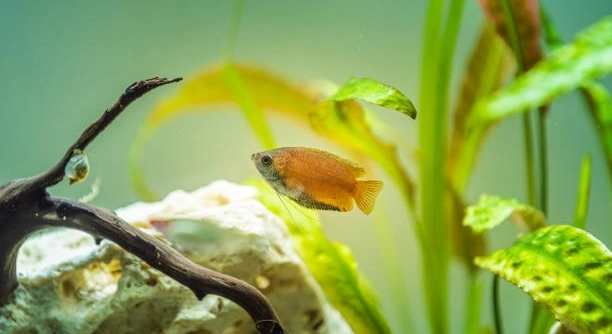
Do you ever find yourself wondering if your gouramis are getting enough variety in their diet? Providing a range of foods can improve their health and keep them active, brightening up your aquarium naturally.
Gouramis enjoy more than standard flakes and pellets, and incorporating lesser-known foods can enrich their nutrition. Foods such as bloodworms, brine shrimp, daphnia, spinach, zucchini, peas, and small insects provide essential proteins, vitamins, and minerals that support growth and overall well-being.
Exploring these options can help your gouramis thrive, adding both flavor and nutrition to their everyday meals in a simple, effective way.
Bloodworms
Bloodworms are a favorite treat for many gouramis due to their high protein content. They can be fed live, frozen, or freeze-dried, making them versatile for different feeding routines. Bloodworms encourage natural hunting behavior and can stimulate more active swimming. They are also rich in essential nutrients, including iron, which supports strong coloration and overall health. While feeding, it is important to offer them in moderation to prevent overfeeding and maintain water quality. Observing your gouramis while they eat helps ensure all fish receive their share. Introducing bloodworms gradually allows your gouramis to adjust to this food without stress. Bloodworms are especially useful during breeding periods, as they can enhance vitality and reproductive success. They are easy to prepare and require minimal effort, making them a convenient addition to your feeding routine. Including bloodworms occasionally adds variety to your gouramis’ diet and keeps them interested in their meals consistently.
Adding bloodworms a few times per week helps maintain balanced nutrition.
They are highly digestible and can improve growth rates while offering a change from standard dry foods. Regular inclusion supports stronger coloration and healthier, more active fish. Bloodworms also promote natural foraging behavior, keeping gouramis engaged and stimulated throughout the day.
Brine Shrimp
Brine shrimp are small, nutrient-rich crustaceans that provide essential proteins and fatty acids. They can be offered live or frozen, making them convenient for regular feeding. Their movement attracts gouramis, encouraging natural hunting instincts and activity.
Feeding brine shrimp several times a week enhances health, boosts immune function, and supports growth. These shrimp are low in fat and easy to digest, making them suitable for both young and adult gouramis. Live brine shrimp can stimulate breeding behavior, while frozen options offer practicality without compromising nutrition. Introducing them gradually prevents overeating and ensures the fish adapt comfortably to the new food source. Brine shrimp also provide important micronutrients that improve overall vitality, scale health, and coloration. Mixing brine shrimp with other foods maintains dietary balance and keeps your gouramis engaged. By rotating brine shrimp with other high-protein foods, you can create a varied, stimulating feeding routine that promotes long-term well-being and supports their natural behaviors. Regular monitoring ensures the aquarium remains clean, as uneaten shrimp can affect water quality.
Daphnia
Daphnia are small, freshwater crustaceans that serve as excellent live food for gouramis. They are rich in protein and essential nutrients, and their movement encourages active feeding and natural foraging behaviors.
Feeding daphnia helps maintain clear water because they are less likely to overfeed compared to other live foods. They are easily digestible, which supports healthy digestion and prevents bloating. Daphnia can also improve growth rates and enhance the fish’s coloration. Regular inclusion of daphnia in the diet provides variation, keeping gouramis interested and engaged in their meals. They are suitable for all life stages, from juvenile to adult gouramis, and can complement other protein sources like bloodworms or brine shrimp. By rotating daphnia with other foods, you create a balanced diet that meets nutritional needs without overwhelming the aquarium ecosystem.
Daphnia are easy to culture at home, providing a continuous, fresh source of food.
Including daphnia multiple times weekly promotes vitality and supports natural swimming and hunting instincts. This helps maintain active, healthy fish while contributing to a more stimulating feeding routine that reduces boredom. Gouramis benefit from the micro-nutrients in daphnia, which aid in reproduction and overall well-being. Careful portioning ensures all fish have access while keeping water quality stable, making daphnia a practical, nutritious choice for everyday feeding plans.
Spinach
Spinach is a leafy green that offers essential vitamins and minerals for gouramis. It can be lightly blanched before feeding to make it softer and easier to digest.
Feeding spinach adds fiber to their diet, which supports digestion and prevents constipation. It provides vitamin C, iron, and other micronutrients that enhance health and coloration. Regular inclusion of spinach ensures a balance between protein-based foods and plant-based nutrients. Many gouramis enjoy nibbling on small pieces, which keeps them active and encourages natural grazing behavior. Spinach can be combined with other vegetables like zucchini or peas for variety. Rotating plant-based foods with protein-rich options creates a more complete diet that supports growth, immune function, and overall vitality. It is important to remove uneaten spinach promptly to maintain water quality.
Spinach also helps prevent nutrient deficiencies while supporting overall fish health. Its mild taste and texture make it a palatable addition, encouraging gouramis to eat regularly and remain healthy. Providing fresh or lightly blanched spinach ensures they receive necessary vitamins, while also promoting a more engaging and balanced feeding routine that benefits their digestive system and coloration.
Zucchini
Zucchini is a soft vegetable that gouramis enjoy nibbling on. Lightly steaming or blanching it makes it easier to digest while preserving essential vitamins and minerals.
Offering zucchini provides fiber, aiding digestion and preventing constipation. It also introduces plant-based nutrients that balance a protein-rich diet, supporting overall health.
Peas
Peas are small, nutrient-dense vegetables that are easy for gouramis to eat. Removing the outer skin and lightly cooking them softens the texture, making them digestible. Peas supply fiber, vitamins, and minerals that improve digestion, support healthy growth, and add variety to the diet.
Small Insects
Small insects like fruit flies or tiny crickets provide essential protein and stimulate natural hunting behaviors. They are easy to digest and support growth, vitality, and reproduction in gouramis. Regular inclusion enhances dietary variety without overwhelming the aquarium ecosystem.
Feeding Tips
Introduce new foods gradually, monitoring how your gouramis react. Variety ensures balanced nutrition, prevents boredom, and supports overall health.
FAQ
What is the best way to introduce new foods to gouramis?
Start by offering small portions alongside their regular diet. Observe their reaction to ensure they accept the new food. Gradually increase the amount over several days while maintaining water quality. Combining new foods with familiar options helps gouramis adjust without stress, ensuring they receive balanced nutrition.
How often should I feed bloodworms or brine shrimp?
Feed high-protein foods like bloodworms or brine shrimp two to three times per week. Overfeeding can lead to water quality issues and digestive problems. These foods should complement, not replace, regular flakes or pellets. Moderation ensures your gouramis remain healthy and active.
Can gouramis eat only plant-based foods like spinach and zucchini?
While gouramis can nibble on vegetables, a diet solely of plant-based foods lacks essential proteins. Combining vegetables with live or frozen protein sources creates a balanced diet that supports growth, coloration, and overall health. Vegetables serve as a nutritious supplement rather than a main diet.
Are frozen or live foods better for gouramis?
Both have benefits. Live foods stimulate natural hunting behavior and encourage activity, while frozen foods are convenient and safe, reducing the risk of parasites. Rotating between live and frozen options provides variety and ensures consistent nutrition without compromising safety.
How do I prepare peas and zucchini for my gouramis?
Blanch or lightly steam peas and zucchini to soften them. Remove outer skins from peas to prevent digestion issues. Cut vegetables into small, manageable pieces to ensure all gouramis can eat. Proper preparation makes plant-based foods safe, digestible, and appealing.
Can small insects replace other protein sources?
Small insects like fruit flies or tiny crickets can provide protein, but they should be used in rotation with other foods. Variety ensures balanced nutrition and prevents deficiencies. They also stimulate natural hunting instincts, which keeps gouramis active and engaged in their environment.
How do I know if my gouramis are getting enough nutrients?
Healthy, active gouramis with bright coloration are good indicators of balanced nutrition. Observing growth, behavior, and appetite can reveal dietary issues. Offering a mix of protein-rich and plant-based foods ensures they receive essential vitamins, minerals, and proteins for long-term well-being.
Can overfeeding harm gouramis?
Yes, overfeeding can cause bloating, poor water quality, and increased susceptibility to disease. Feed small portions that they can consume within a few minutes and remove uneaten food promptly. Maintaining a controlled feeding schedule prevents health problems and keeps the aquarium environment stable.
Is it necessary to rotate foods regularly?
Yes, rotating foods prevents dietary boredom and ensures your gouramis receive a broad range of nutrients. Alternating between bloodworms, brine shrimp, daphnia, vegetables, and insects supports growth, immunity, and coloration while encouraging natural foraging behaviors and overall vitality.
Can these foods help during breeding?
High-protein foods like bloodworms, brine shrimp, and small insects enhance vitality and reproductive readiness. Vegetables provide vitamins and fiber to support general health. A balanced, varied diet increases the chances of successful breeding while maintaining strong adult fish.
How do I avoid water quality issues when feeding live or frozen foods?
Feed in small amounts that can be consumed quickly. Remove uneaten food promptly. Use a fine net to pick out leftover pieces, and monitor filtration. Maintaining proper water quality prevents disease and ensures your gouramis thrive while enjoying a varied diet.
Are there risks with live foods?
Live foods may carry parasites or bacteria. Culturing at home or sourcing from reputable suppliers reduces risks. Freezing or rinsing before feeding can further minimize potential contamination, providing safe, nutritious options for gouramis without compromising aquarium health.
Can I mix multiple types of food in one feeding?
Yes, combining protein-rich and plant-based foods in one feeding provides a balanced meal. This approach introduces variety, encourages active feeding, and ensures that gouramis obtain necessary nutrients without relying solely on one food type. Proper portioning is essential to prevent overfeeding.
How do I store frozen or dried foods?
Keep frozen foods in a freezer until use, and store dried foods in airtight containers in a cool, dry place. Proper storage preserves nutritional value, prevents spoilage, and ensures your gouramis receive high-quality food at every feeding.
What is the safest way to feed small insects?
Offer insects in small quantities, ensuring they are appropriately sized for your gouramis. Avoid wild-caught insects that may carry pesticides or disease. Cultured or commercially available options are safer and provide consistent nutrition while stimulating natural hunting behavior.
Final Thoughts
Providing a varied diet is key to keeping gouramis healthy and active. While standard flakes and pellets offer basic nutrition, adding lesser-known foods can significantly improve their overall well-being. Bloodworms, brine shrimp, daphnia, small insects, and vegetables like spinach, zucchini, and peas introduce essential proteins, vitamins, and minerals that might be missing from a standard diet. These foods not only support growth but also enhance coloration, digestive health, and immune function. Incorporating a mix of live, frozen, and plant-based foods ensures that gouramis receive balanced nutrition while encouraging natural behaviors, such as foraging and hunting. A thoughtful approach to feeding can also prevent common issues like nutrient deficiencies, boredom, or digestive problems, keeping your fish thriving for years.
Introducing new foods gradually helps gouramis adjust without stress. Sudden changes in diet can lead to refusals or digestive upset, so small portions alongside familiar foods are ideal. Observing how your gouramis respond allows you to identify preferences and ensure all fish are eating adequately. Preparing plant-based foods properly, such as blanching spinach or steaming zucchini, ensures they are safe and digestible. Similarly, rotating live and frozen protein sources reduces the risk of overfeeding while maintaining variety. By carefully balancing portions, feeding frequency, and food types, you create a sustainable routine that benefits both the fish and the aquarium environment. Healthy, well-fed gouramis display more vibrant colors, consistent activity, and improved breeding potential, reflecting the effectiveness of a diverse diet.
Consistency and moderation are essential for long-term success. Overfeeding high-protein foods or neglecting water quality can harm even the healthiest gouramis. Removing uneaten food promptly and monitoring water parameters helps maintain a stable environment while maximizing nutritional benefits. Paying attention to these details encourages natural feeding behaviors, reduces stress, and promotes vitality. A balanced, varied diet combined with proper care enhances the overall life quality of gouramis. Over time, you will notice improvements in their growth, coloration, and energy levels. By incorporating a range of lesser-known foods thoughtfully and responsibly, you ensure that your gouramis remain healthy, active, and thriving in their aquatic habitat.

Hello,
If you enjoy the content that we create, please consider saying a "Thank You!" by leaving a tip.
Every little bit helps us continue crafting quality advice that supports the health, happiness, and well-being of pets around the world, for pets of all shapes, sizes, and species.
We really appreciate the kindness and support that you show us!