
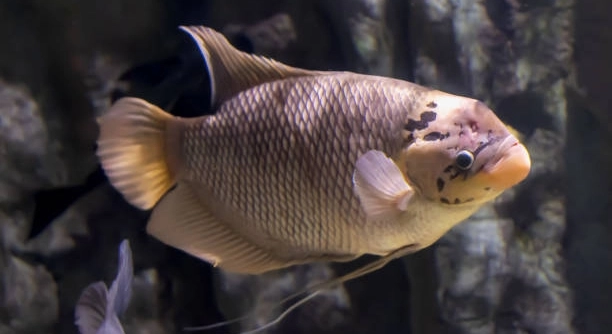
Have you ever noticed how sensitive gouramis can be when their environment changes? These peaceful fish rely on stability, and frequent tank changes can impact their behavior and overall well-being. Adjusting their surroundings requires careful attention.
Changing a gourami’s tank too often can cause stress, weaken their immune system, and disrupt their natural behavior. Rapid alterations in water chemistry, temperature, and layout negatively affect health, leading to potential illness and decreased lifespan if not managed properly.
Maintaining a stable environment is key for healthy gouramis. Understanding how changes affect them helps create a balanced habitat and ensures your fish remain calm and thriving.
Signs Your Gourami Is Stressed After a Tank Change
After moving a gourami to a new tank, you may notice subtle signs of stress. They might hide more often, stay near the bottom, or swim erratically. Loss of appetite is another common indicator, as stress can interfere with their natural feeding patterns. Color changes, especially duller or faded tones, can also appear when they are uncomfortable. Stress might make them more aggressive toward tank mates or, conversely, overly shy and withdrawn. Behavioral changes often happen gradually but can be observed within hours or days after a move. Observing your fish closely is important during this period. Small adjustments, like adding familiar decorations or plants, can help them feel more secure. Maintaining consistent water conditions, such as temperature and pH, is crucial to reducing stress. Even minor fluctuations can be felt strongly by gouramis. Patience is essential, as repeated moves may cause long-term effects if not handled carefully.
Stress in gouramis may also trigger minor illnesses if left unchecked. Observation and timely action can prevent serious problems.
By paying attention to their reactions, you can intervene quickly. Gradually reintroducing changes and keeping water conditions stable helps them adapt. Adding hiding spots and monitoring interactions with other fish reduces tension. Feeding smaller, frequent meals encourages eating, and testing water regularly ensures chemical balance. Avoid rearranging decor frequently, as familiarity is calming. Over time, consistent care fosters healthier, more active fish, and helps them regain their natural colors and behaviors. Building a calm environment also minimizes aggression and supports immune function. Understanding how stress manifests allows for better management and keeps your gourami thriving.
How Frequent Tank Changes Affect Long-Term Health
Repeated tank changes can weaken a gourami’s immune system over time. Constant stress reduces their ability to fight off infections and may shorten their lifespan if the pattern continues.
Long-term effects of frequent tank changes extend beyond stress. Chronic stress can cause digestive issues, slower growth, and increased susceptibility to disease. Water chemistry fluctuations, even minor, can lead to fin rot or other bacterial infections. Behavioral changes may become permanent, with fish hiding constantly or showing persistent aggression. Stability is essential for their overall well-being, including maintaining proper coloration and activity levels. Providing a consistent environment, regular feeding, and minimal disruption fosters natural behavior and ensures the fish remain healthy. Over time, these measures reduce the risks associated with repeated tank changes. Creating a stable habitat with predictable patterns, such as consistent feeding schedules and familiar decorations, encourages comfort. Monitoring water parameters carefully prevents sudden shocks. By prioritizing stability, you help your gourami thrive, maintain energy, and reduce the likelihood of chronic health problems that can arise from frequent relocations.
Tips to Minimize Stress During Tank Moves
Using a familiar water source during transfers helps gouramis adjust. Adding plants and decorations from the old tank creates a sense of comfort.
Gradually acclimating your gourami to new water conditions reduces shock. Start by floating the bag in the new tank for 15–20 minutes, slowly mixing small amounts of tank water every few minutes. Avoid sudden temperature changes or rapid water replacement. Rearranging the tank too often can confuse the fish, so keep decor consistent. Providing hiding spots allows them to retreat and feel secure while they adapt. Observing their behavior during this period ensures any stress signs are addressed promptly, preventing long-term issues.
Feeding lightly and monitoring interactions with other fish supports recovery. If aggression or hiding persists, consider adjusting tank mates or adding more shelters. Maintaining stable lighting and minimal disturbances also promotes a calm environment. Regular water testing ensures chemical balance, reducing stress triggers. Over time, these steps help gouramis regain confidence and return to normal activity levels. Careful attention during each move strengthens their resilience and keeps them healthier.
Choosing the Right Tank Size and Setup
A spacious tank reduces stress by allowing natural movement and territory establishment. Proper filtration and aeration maintain water quality efficiently.
Selecting the appropriate tank size is crucial for gouramis. A small tank limits swimming space and can increase stress, while overcrowding creates territorial conflicts. A minimum of 20 gallons is recommended for most gouramis, with additional space needed for multiple fish. Gentle filtration avoids strong currents that may overwhelm them, while live plants provide shelter and mimic natural habitats. Consistent water temperature and pH levels support stability. Using a secure lid prevents jumps and protects the fish. A well-planned layout balances open swimming areas with hiding spots, promoting natural behavior. Proper lighting, temperature control, and regular maintenance reduce stress and improve overall health.
Adding compatible tank mates enhances social behavior without causing aggression. Avoid overstocking and maintain a routine for feeding and cleaning. A stable environment encourages active swimming, vibrant coloration, and healthy growth. Choosing the right substrate, plants, and decor contributes to a balanced habitat that meets both physical and psychological needs. Regular monitoring of water parameters ensures that any changes are addressed quickly, keeping the gouramis comfortable. Thoughtful setup and consistent care are key to minimizing stress and supporting long-term health.
Proper Water Maintenance
Regular water changes keep the tank clean and reduce stress. Removing debris and monitoring chemical levels helps maintain a healthy environment.
Testing water frequently ensures pH, ammonia, and nitrate levels stay stable. Stable water conditions prevent illness and keep gouramis active.
Feeding Habits and Nutrition
Providing a balanced diet supports immunity and overall health. Include high-quality flakes, pellets, and occasional live or frozen foods. Feeding small amounts multiple times a day encourages natural behavior and prevents overfeeding. Monitoring eating patterns helps identify stress or health issues early, allowing timely adjustments.
Avoiding Frequent Rearrangements
Keeping tank decorations consistent helps gouramis feel secure. Sudden changes in layout can cause stress and hiding behavior.
How often should I move my gourami to a new tank?
Gouramis do best in a stable environment. Frequent tank changes cause stress, which can weaken their immune system and affect behavior. Moving them only when necessary, such as during tank upgrades or major cleaning, helps maintain health. If you must move them, prepare the new tank carefully and ensure water conditions match their previous habitat. Minimizing changes allows them to adjust naturally and keeps them active and comfortable.
What are the signs my gourami is stressed after a move?
Stress in gouramis can show in several ways. They may hide more than usual, lose their appetite, or swim erratically. Colors may become dull or faded, and some may display aggression or unusually shy behavior. Behavioral changes can appear within hours or days. Observing these signs early helps prevent long-term issues. Providing familiar decorations, consistent water temperature, and hiding spots can reduce stress. Maintaining stable feeding patterns also supports recovery and overall health.
Can frequent tank changes make my gourami sick?
Yes. Stress caused by repeated tank changes lowers their immune system, making them more susceptible to diseases. Issues like fin rot, infections, or digestive problems may arise. Even minor changes in water chemistry or temperature can trigger health problems. Keeping water parameters consistent and avoiding frequent moves reduces risks. Regular observation and quick intervention when symptoms appear can prevent serious illness. Long-term stability in the tank is critical for maintaining strong health and proper growth.
How can I safely acclimate my gourami to a new tank?
Start by floating the bag in the new tank for 15–20 minutes to match temperatures. Slowly add small amounts of tank water to the bag every few minutes to adjust water chemistry gradually. Avoid sudden changes in temperature or rapid water replacement. Add familiar decorations and plants from the old tank to create a sense of security. Monitor behavior during the acclimation period, and provide hiding spots to reduce stress. Feeding lightly and observing interactions with other fish helps them adjust naturally.
What tank size is best for a gourami?
A minimum of 20 gallons is recommended for most gouramis. Adequate space allows swimming, reduces stress, and helps establish territory. Overcrowding increases aggression and stress, while too small a tank limits natural behavior. Proper filtration, gentle currents, and live plants create a balanced environment. Open swimming areas combined with hiding spots provide comfort and promote normal activity. Regular maintenance and water monitoring ensure stability, supporting both health and behavior. Tank size plays a crucial role in minimizing stress and maintaining vibrant, active gouramis.
Are certain tank setups better for reducing stress?
Yes. A setup that balances open swimming space with plenty of hiding spots helps gouramis feel secure. Live plants, consistent decorations, and calm water flow mimic natural conditions. Stable water parameters and minimal disturbances are essential. Avoid frequent rearrangements or sudden changes in decor. A consistent feeding schedule, proper lighting, and gentle filtration further reduce stress. Thoughtful planning of tank layout supports natural behavior, coloration, and immune health. Observing their reactions to the setup helps ensure the environment meets their physical and psychological needs.
How do feeding habits affect stress levels?
Regular, balanced feeding helps gouramis remain healthy and reduces stress. Small, frequent meals encourage natural behavior and prevent overfeeding. Offering a mix of flakes, pellets, and occasional live or frozen foods supports immunity. Changes in appetite may indicate stress or illness, so monitoring eating patterns is important. Maintaining consistent feeding routines provides comfort and stability. Overfeeding or inconsistent schedules can lead to aggression, hiding, or digestive issues. Proper nutrition, combined with a stable environment, helps gouramis adapt to minor changes and promotes long-term health.
Can tank mates influence stress during changes?
Yes. Aggressive or overly active tank mates can increase stress, especially after a tank move. Choosing compatible species and maintaining proper spacing reduces conflict. Providing hiding spots allows less dominant fish to retreat. Observe interactions carefully during acclimation. Reducing competition for food and territory helps gouramis feel secure. Stable social dynamics support calm behavior and overall health. Introducing new fish gradually, rather than all at once, minimizes stress and prevents aggressive encounters. Consistent monitoring and thoughtful pairing of tank mates are key to maintaining a peaceful environment.
Is water quality more important than decorations during moves?
Water quality is critical. Stable parameters, such as pH, temperature, ammonia, and nitrate levels, have a greater impact on stress than decorations. Poor water conditions can quickly cause illness. Decorations help create comfort and hiding places but cannot compensate for unstable water. Ensuring chemical balance during and after a move is essential. Regular testing, slow acclimation, and gradual adjustments to water conditions reduce stress. Combining high water quality with familiar decorations provides both physical and psychological comfort, keeping gouramis healthy and more resilient to environmental changes.
How long does it take for a gourami to recover from a stressful move?
Recovery time varies depending on individual fish and the extent of stress. Some gouramis adjust within a few days, while others may take one to two weeks. Providing consistent water conditions, hiding spots, and familiar surroundings speeds adaptation. Monitoring feeding, behavior, and interactions with other fish helps track recovery. Minor stress-related illnesses may appear during this time, so early detection is important. Maintaining stability and minimal disturbances allows gouramis to regain normal behavior, coloration, and appetite. Patience and careful observation are key to ensuring complete recovery.
Moving a gourami to a new tank too often can create a lot of stress for the fish. These fish are sensitive to changes in their environment, and frequent alterations in water conditions, decorations, or tank layout can affect both their behavior and health. Stress can show up in many ways, including hiding more than usual, swimming erratically, or losing appetite. Color changes are another sign, as gouramis may appear dull or faded when they are uncomfortable. By limiting tank moves and keeping conditions stable, you allow your fish to feel secure and maintain a healthy routine. Even small changes, like adding unfamiliar plants or shifting decorations, can make a noticeable difference, so maintaining consistency is key.
It’s important to focus on the tank setup and water quality when moving gouramis. A proper tank size, gentle filtration, and adequate space reduce stress and encourage natural behavior. Live plants and hiding spots provide comfort and make the environment feel familiar. Water conditions, including temperature, pH, and chemical balance, should be monitored closely before and after a move. Sudden changes in these parameters can be harmful, even if the move itself seems minor. Feeding patterns and nutrition also play a role in recovery. Small, frequent meals of high-quality food help maintain energy and support immunity. Combining stable water conditions, a comfortable layout, and proper nutrition creates an environment where gouramis can adapt more quickly and remain healthy.
Patience and careful observation are essential when caring for gouramis during tank changes. Some fish recover quickly, while others may take a week or more to adjust fully. Watching behavior, appetite, and interactions with other tank mates allows you to notice early signs of stress or illness. Minimizing disturbances, avoiding frequent rearrangements, and maintaining a consistent routine all help the fish regain comfort. Over time, stable conditions encourage normal activity, vibrant coloration, and overall well-being. By understanding how changes impact gouramis and taking steps to reduce stress, you can create a safe and balanced habitat that supports long-term health. Consistency, careful planning, and attention to detail are the most effective ways to ensure your gourami thrives in its environment.

Hello,
If you enjoy the content that we create, please consider saying a "Thank You!" by leaving a tip.
Every little bit helps us continue crafting quality advice that supports the health, happiness, and well-being of pets around the world, for pets of all shapes, sizes, and species.
We really appreciate the kindness and support that you show us!