
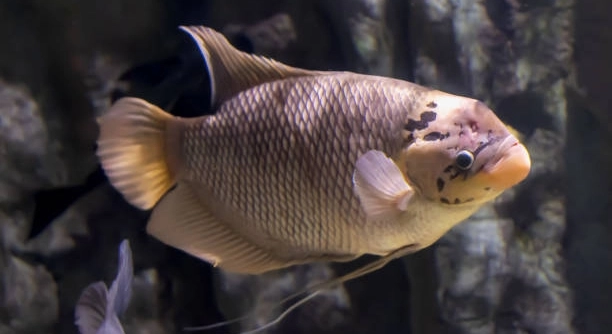
Overcrowding a gourami tank can quickly turn a peaceful aquarium into a stressful environment for your fish. Proper space is essential for their growth, behavior, and overall health, ensuring they thrive in a balanced aquatic setting.
Overcrowding a gourami tank leads to increased aggression, higher stress levels, and a greater risk of disease. Maintaining an appropriate fish-to-water ratio promotes healthier interactions, optimal water quality, and overall longevity for all inhabitants in the tank.
Keeping the right number of gouramis is key for a harmonious tank and a thriving aquatic environment. Proper planning ensures their well-being and enjoyment for years.
Reduced Oxygen Levels
When a gourami tank is overcrowded, oxygen levels can drop quickly, making it difficult for all fish to breathe properly. Each fish consumes oxygen, and more fish means less oxygen available per individual. Low oxygen can lead to gasping at the surface, sluggish movement, and even death in severe cases. Proper aeration helps, but the best solution is to avoid overstocking in the first place. Ensuring enough swimming space allows oxygen to circulate evenly throughout the tank, keeping your gouramis active and healthy. Additionally, overcrowding can increase waste, which further depletes oxygen as bacteria break down debris.
Low oxygen affects fish behavior and can cause health complications if not addressed.
Maintaining fewer fish in a tank ensures each gourami has access to sufficient oxygen. This creates a stable environment, reduces stress, and prevents sudden illness caused by hypoxia. Proper filtration and aeration support healthy water conditions, but space is the most reliable way to protect your fish. Observing how your gouramis behave can indicate if oxygen levels are adequate. Gasping, lethargy, or erratic swimming are clear signs that the tank may be overstocked. By monitoring fish activity and water parameters, you can maintain a balanced, thriving aquarium for all your gouramis.
Increased Aggression
Overcrowded gourami tanks often lead to heightened aggression among fish.
Gouramis are territorial and need space to establish boundaries. When too many are placed in one tank, fights, nipping, and chasing become frequent, stressing the entire group.
Aggressive behavior can result in injuries, faded colors, and a higher chance of disease spreading. Male gouramis, in particular, are prone to fighting when space is limited. Each fish requires its own area to retreat and feel secure, and without enough room, social hierarchies break down. Overcrowding disrupts natural behavior, causing some gouramis to hide constantly while others dominate resources like food and hiding spots. Stress from aggression weakens immune systems, making even minor wounds dangerous. By maintaining an appropriate population and providing adequate plants, decorations, and hiding spaces, aggression can be minimized. Balanced stocking not only keeps fish physically safe but also encourages natural, healthy interactions. A calm, spacious tank allows gouramis to display their colors and personalities fully, creating a peaceful and attractive aquarium.
Poor Water Quality
Overcrowding a gourami tank increases waste production, which quickly deteriorates water quality. Uneaten food and fish waste raise ammonia and nitrite levels, stressing fish and promoting disease. Regular water changes become less effective when too many fish share the same space.
High waste levels overwhelm filtration systems and create toxic conditions. Ammonia spikes can burn gills, damage fins, and reduce immune response. Even with frequent water changes, constant waste accumulation makes it hard to maintain stable conditions. Stress from poor water quality causes lethargy, appetite loss, and vulnerability to infections, impacting overall health and longevity. Monitoring ammonia, nitrite, and nitrate levels is crucial, but the most reliable way to maintain clean water is to keep a proper fish-to-tank ratio.
Maintaining fewer gouramis helps control waste, ensuring water remains clear and safe. A balanced tank supports normal behavior, encourages growth, and reduces the risk of disease outbreaks. Plants and decorations also aid water quality by providing surfaces for beneficial bacteria. Proper stocking combined with filtration keeps water parameters stable, allowing gouramis to thrive in a healthy environment. Observing fish for signs of stress or illness can help identify water issues early.
Stunted Growth
Overcrowding can limit the space gouramis need to grow properly. Limited swimming area and competition for resources restrict development and overall size.
When multiple gouramis share a small tank, they often compete for food and territory. Dominant fish may prevent others from accessing adequate nutrition, slowing growth. Physical activity is also restricted, which affects muscle development and overall health. Overcrowded conditions increase stress hormones, which further inhibit growth and weaken the immune system. Stress can cause deformities or delayed maturation in younger fish. Maintaining a moderate population allows each gourami to reach its potential size, develop properly, and display natural behaviors.
Providing sufficient space supports healthy growth, proper metabolism, and overall vitality. With adequate swimming room and consistent feeding, gouramis grow stronger and more colorful. Overcrowding disrupts these processes, causing long-term effects on appearance and health. Proper tank size, combined with high-quality food and regular monitoring, ensures your gouramis remain vibrant and energetic. Allocating separate territories and avoiding excessive numbers prevents dominance issues and promotes a balanced environment. A well-maintained tank with appropriate stocking helps every gourami flourish to its full potential.
Increased Stress Levels
Overcrowding a gourami tank causes constant stress. Fish have less space to swim freely, leading to tension, anxiety, and erratic behavior. Stress weakens their immune system, making them more susceptible to illness.
Constant proximity to other gouramis prevents natural rest periods. Stress can lead to reduced appetite, color fading, and slower growth, impacting overall health.
Disease Spread
Crowded tanks make it easier for infections to spread. Parasites, bacteria, and fungal diseases move quickly when fish are in close contact. Overcrowding accelerates outbreaks, making treatment more challenging. Proper stocking limits disease transmission and keeps fish healthier.
Limited Hiding Spaces
Too many gouramis in one tank reduces available hiding spots. Fish cannot retreat, increasing stress and aggression. Providing fewer gouramis ensures everyone has access to shelter, helping maintain calm interactions and healthier social behavior.
FAQ
How many gouramis can I keep in a 20-gallon tank?
A 20-gallon tank can comfortably hold about 3 to 4 adult gouramis. This allows enough space for swimming, territories, and hiding spots. Overcrowding more than this increases stress, aggression, and disease risk. Proper filtration and regular maintenance are still necessary even with this moderate number of fish.
What are signs that my gourami tank is overcrowded?
Common signs include constant chasing, nipping, or hiding, sluggish swimming, gasping at the surface, and faded colors. Increased algae growth or rapid water quality changes can also indicate too many fish. Observing behavior and water conditions regularly helps prevent serious health issues.
Can overcrowding affect breeding?
Yes, overcrowding can significantly reduce breeding success. Gouramis need personal space and calm conditions to display natural mating behavior. Stress from too many fish prevents proper courtship and may lead to eggs being eaten or males becoming overly aggressive.
How often should I clean an overcrowded tank?
Even with frequent cleaning, overcrowded tanks struggle to maintain stable water conditions. Regular partial water changes, ideally 25–30% weekly, help, but reducing the number of fish is the most effective solution for long-term water quality management.
Will overcrowding affect my gourami’s lifespan?
Yes, overcrowding shortens lifespan. Stress, disease, and poor water conditions weaken the immune system, leading to health issues. Providing ample space and maintaining water quality allows gouramis to live longer and remain active and colorful.
What can I do if my tank is already overcrowded?
The safest option is to rehome some fish or upgrade to a larger tank. Adding extra filtration and increasing aeration may help temporarily, but reducing population is the most reliable solution. Observing fish behavior ensures stress and aggression are minimized during this transition.
Are all gourami species affected the same way by overcrowding?
While all gouramis suffer from overcrowding, aggressive species like the Dwarf or Three-Spot Gourami show more signs of stress and fighting. Peaceful species like Pearl Gouramis tolerate moderate stocking better but still require sufficient space to thrive.
Can plants and decorations help in an overcrowded tank?
Yes, adding plants and hiding spaces can reduce stress by giving fish areas to retreat. However, these only help temporarily; they cannot fully offset the negative effects of too many fish. Space and water quality remain the most critical factors.
Is feeding affected by overcrowding?
Overcrowding increases competition for food. Dominant fish may eat first, leaving others underfed. Uneaten food also decomposes faster, worsening water quality. Feeding smaller amounts multiple times a day and monitoring each fish’s intake can reduce issues, but space is still the primary concern.
How can I prevent overcrowding in the future?
Plan your tank stocking based on adult sizes and behavior. Avoid impulse buying, research species compatibility, and always account for growth. Maintaining proper filtration, monitoring water parameters, and providing enough hiding spaces support a healthy tank without overloading it.
Does tank size alone prevent overcrowding?
Tank size helps, but not entirely. Behavior, aggression, and social needs matter as much as volume. Even in a large tank, too many gouramis can stress each other if territories are limited or dominant fish monopolize resources. Balance is key.
Can overcrowding lead to disease outbreaks?
Yes, crowded conditions accelerate the spread of infections. Bacterial, fungal, and parasitic diseases move quickly among stressed fish. Quarantine new fish and maintain good hygiene to prevent outbreaks, but avoiding overcrowding is the most effective prevention.
What’s the best way to measure if my tank is overcrowded?
Observe fish behavior, check water parameters, and calculate space based on adult sizes. A rough guideline is one inch of fish per gallon, but consider activity level and territorial behavior. Regular monitoring allows adjustments before serious problems arise.
How long does it take for overcrowding effects to show?
Effects can appear within days to weeks. Aggression and hiding may be immediate, while growth issues and disease take longer. Prompt action, such as reducing population or improving conditions, helps prevent permanent damage.
Can I use automated systems to manage overcrowding effects?
Filtration, aeration, and monitoring systems help maintain water quality, but they cannot solve stress, aggression, or growth issues caused by overcrowding. Population management is always necessary for a healthy gourami tank.
How does overcrowding affect tank maintenance?
More fish means more waste, quicker water quality deterioration, and frequent cleaning requirements. Overcrowding makes maintenance harder, increases the risk of water parameter spikes, and reduces the effectiveness of regular upkeep routines. Reducing numbers is more sustainable than overworking filtration.
Is it possible to rehabilitate fish from an overcrowded tank?
Yes, moving fish to a properly sized tank with good water quality and adequate hiding spaces can restore health and behavior. Recovery depends on the severity of stress, disease, or injuries caused by overcrowding, but many gouramis respond well to improved conditions.
Overcrowding a gourami tank can seem harmless at first, especially when fish are small or the tank looks spacious. However, the reality is that even a few extra gouramis can quickly create a stressful environment. When space is limited, fish compete for swimming areas, hiding spots, and food. This competition often leads to aggression, chasing, and nipping, which can injure fish and affect their overall well-being. Stress from overcrowding weakens immune systems, making fish more prone to illness and slowing their growth. Maintaining the right number of fish ensures that each gourami has enough space to swim freely, find shelter, and access food without constant conflict. Proper tank management, including regular water changes and monitoring water parameters, supports a healthier environment, but space is the foundation of a thriving aquarium. Even with advanced filtration, too many fish can overwhelm a tank, causing problems that are difficult to reverse.
In addition to stress and aggression, overcrowding affects water quality in ways that are not always obvious. More fish produce more waste, which increases ammonia and nitrite levels, creating toxic conditions that harm fish health. Overcrowded tanks also make it harder for filtration systems to keep water clean, and frequent water changes may not be enough to compensate. Low oxygen levels can develop, particularly in warmer water, causing fish to gasp at the surface or become lethargic. Gouramis, like many other tropical fish, rely on a stable environment to remain healthy and display natural behaviors. Providing a tank that is appropriately sized for the number of fish helps maintain water quality, reduces stress, and prevents disease. Using plants, decorations, and hiding spaces can improve conditions, but these measures cannot replace the benefits of having enough space for all fish. A calm, balanced tank allows gouramis to thrive, display their colors, and grow properly without unnecessary pressure.
Planning ahead is the best way to prevent overcrowding issues. Before adding gouramis, it is important to consider adult size, species compatibility, and territorial behavior. Smaller or less aggressive species may tolerate slightly higher numbers, while larger or more aggressive gouramis require more space to avoid conflict. Regular observation of fish behavior and water parameters helps identify problems early, allowing adjustments before serious issues occur. Providing a balanced environment ensures that fish remain healthy, active, and visually appealing, creating a more enjoyable aquarium for the caretaker. Ultimately, keeping gouramis in a properly sized tank is a simple yet essential step for their long-term health. By avoiding overcrowding, you ensure each fish has room to thrive, reduce stress and disease, and maintain a clean, stable, and vibrant tank. Proper planning and attention to fish needs make all the difference in creating a healthy and harmonious aquatic environment.

Hello,
If you enjoy the content that we create, please consider saying a "Thank You!" by leaving a tip.
Every little bit helps us continue crafting quality advice that supports the health, happiness, and well-being of pets around the world, for pets of all shapes, sizes, and species.
We really appreciate the kindness and support that you show us!