
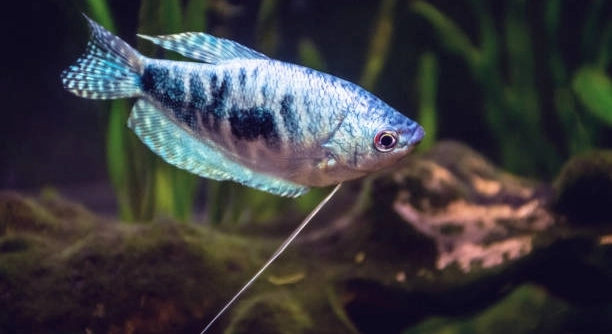
Have you ever noticed your gourami swimming rapidly across the tank, bumping into decorations, or darting around without rest? Such hyperactive behavior can be surprising, especially when your fish usually moves calmly and gracefully through the water.
Hyperactivity in gouramis is often caused by stress, poor water quality, or dietary issues. Adjusting tank conditions, ensuring proper nutrition, and monitoring behavior closely can help calm your fish and maintain a healthy, balanced environment.
Managing these factors can prevent further stress and keep your gourami comfortable and safe in its habitat. Observing small changes can make a big difference.
Common Causes of Hyperactivity in Gouramis
Gouramis can become hyperactive for several reasons, most often related to their environment or care routine. Sudden changes in water temperature or quality can stress them, causing erratic swimming. Overfeeding or feeding the wrong type of food may lead to bursts of energy. Aggressive tank mates or overcrowding can also increase stress, making your fish restless. Even lighting changes or loud noises near the tank can trigger hyperactivity. Understanding these factors helps identify what might be affecting your gourami and allows you to take corrective action. Observing your fish daily is key, as small changes in behavior can indicate underlying issues. By keeping the tank clean, maintaining stable water conditions, and providing appropriate food, you can reduce stress levels. Providing hiding spots or plants helps your gourami feel secure and calm. Consistent care and attention are essential to ensure their well-being.
Properly identifying these triggers allows you to implement targeted adjustments, reducing hyperactivity and promoting calmer behavior.
Addressing hyperactivity often involves gradual changes rather than sudden interventions. Small steps, like lowering tank noise, adding plants, or spacing out feeding times, can create a calmer environment. Keeping a log of water parameters, feeding schedules, and behavioral changes is useful. Over time, you can see patterns and identify which adjustments have the most effect. Patience is important because gouramis respond slowly to changes, and aggressive corrections may worsen stress. Combining environmental improvements with diet adjustments usually yields the best results. Ensuring your gourami has space to swim and areas to hide helps balance their energy. Observing interactions with other fish can also reveal if social stress contributes to hyperactivity. With careful monitoring and consistent care, hyperactive behavior can be managed effectively, allowing your gourami to thrive in a more stable and comfortable tank environment.
Practical Steps to Calm a Hyperactive Gourami
Maintaining clean water and a stable temperature is crucial for reducing stress and hyperactivity in gouramis.
To calm your fish, perform regular water changes, test parameters often, and avoid sudden shifts. Adjust feeding routines and provide enrichment such as plants or hiding spaces. Reducing noise and keeping the tank in a quiet area helps. Observing the fish’s reactions to each change guides further steps. Sometimes, separating overly aggressive tank mates or adjusting tank size is necessary. Consistency in care creates a secure environment, which naturally reduces restless behavior. Even small improvements in habitat conditions can have a noticeable calming effect. Over time, these adjustments help the gourami regain its usual relaxed movements. Combining these environmental strategies with proper nutrition ensures long-term behavioral stability. Patience and attention to detail are key, as rushing changes can increase stress rather than ease it. Regular observation allows you to fine-tune care routines effectively.
Adjusting Diet and Feeding Habits
Feeding your gourami the right amount at consistent times helps reduce hyperactivity. Overfeeding or irregular meals can lead to bursts of energy, while a balanced diet keeps them calmer and healthier.
Offering high-quality flakes, pellets, or frozen foods ensures proper nutrition. Avoid giving too many treats or live foods in excess, as these can overstimulate your fish. Smaller, more frequent meals often work better than one large feeding. Observing how your gourami reacts to different foods can guide adjustments. A stable feeding routine supports energy regulation and overall well-being.
Some gouramis may become restless if they compete for food with tank mates. Separating feeding areas or feeding at multiple spots can minimize stress and hyperactivity. Avoid sudden changes in diet, as this can trigger erratic behavior. Keeping a simple feeding log helps track what works best. Over time, consistent diet management can create a calmer, more predictable environment for your gourami, making it easier to maintain overall health.
Environmental Enrichment for Calmer Behavior
Adding plants, decorations, or hiding spots provides a sense of security and reduces stress-related hyperactivity.
Gouramis respond positively to a well-structured tank. Live plants, caves, or floating ornaments create hiding areas where your fish can retreat when feeling anxious. Open swimming space combined with these safe zones helps balance activity levels. Gentle water flow and stable lighting also contribute to a calmer environment.
Gradually introducing enrichment elements is key, as sudden changes can increase stress. Observing your gourami’s interaction with new plants or decorations lets you adjust placement for comfort. Adding floating plants helps diffuse strong light, while dense foliage offers resting spots. Rearranging tank elements occasionally can provide mental stimulation, but maintain some familiar areas to avoid disorientation. Enrichment paired with proper feeding and water care significantly lowers hyperactivity and encourages natural behaviors, resulting in a healthier, more balanced fish.
Monitoring Water Quality
Regularly testing water parameters helps prevent stress-induced hyperactivity. Keeping ammonia, nitrite, and nitrate levels in check supports your gourami’s health.
Consistent temperature and pH levels are essential. Sudden fluctuations can trigger erratic swimming. Frequent partial water changes maintain a stable and clean environment, reducing restlessness.
Reducing Stress from Tank Mates
Aggressive or overly active tank mates can provoke hyperactivity in gouramis. Observing interactions is necessary to ensure peaceful cohabitation.
Separating incompatible fish or rearranging the tank to give each species its own space helps. Introducing calmer species and providing hiding spots can reduce tension. A balanced social environment encourages relaxed behavior and prevents constant chasing or darting.
Observing Behavioral Changes
Tracking your gourami’s daily behavior allows early detection of stress or illness. Noting changes helps identify patterns or triggers for hyperactivity.
Regular observation ensures timely adjustments to diet, tank setup, or social arrangements, maintaining a calm and healthy environment for your fish.
FAQ
Why is my gourami suddenly hyperactive?
Hyperactivity in gouramis often results from stress, poor water quality, or sudden environmental changes. Shifts in temperature, pH, or ammonia levels can make your fish restless. Overfeeding or competing for food with other tank mates may also cause bursts of energy. Observing their daily routine helps pinpoint the reason.
How can I calm a hyperactive gourami quickly?
Immediate steps include checking water parameters and performing a partial water change if needed. Reducing noise around the tank and dimming the lights can lower stress. Providing hiding spots or floating plants gives your fish areas to retreat and feel safe, which encourages calmer swimming.
What type of food should I feed a hyperactive gourami?
Balanced meals of high-quality flakes, pellets, or frozen foods are ideal. Avoid overfeeding or frequent treats, which can overstimulate your fish. Smaller, more frequent feedings often help regulate energy levels. Watching how your gourami responds to different foods allows you to adjust portions and feeding times effectively.
Can tank mates cause hyperactivity?
Yes, aggressive or overly active fish can trigger hyperactivity in gouramis. Observing interactions and separating incompatible species is essential. Rearranging decorations or adding plants to create private spaces helps reduce tension and allows your gourami to swim without constant chasing.
Does lighting affect gourami activity?
Sudden changes in lighting or very bright lights can cause stress and erratic swimming. Using consistent, moderate lighting and adding floating plants to diffuse brightness can create a calmer environment. Gradual adjustments to light schedules help your fish adapt without triggering hyperactivity.
How often should I check water quality?
Testing water parameters weekly is a good practice. Ammonia, nitrite, nitrate, pH, and temperature all impact gourami behavior. Frequent monitoring allows early detection of issues that may cause hyperactivity, letting you make small corrections before stress becomes severe.
Are there any behavioral signs that indicate stress besides hyperactivity?
Yes, hiding more than usual, loss of appetite, rapid gill movement, or rubbing against surfaces can indicate stress. Hyperactivity is often accompanied by these signs, so observing multiple behaviors helps identify underlying problems and adjust care routines accordingly.
Is tank size important for reducing hyperactivity?
A small or overcrowded tank can increase stress and lead to hyperactive behavior. Providing enough swimming space, along with plants or decorations for hiding, supports natural movement and helps gouramis remain calm. Adjusting stocking density is crucial for balanced behavior and health.
Can water changes alone reduce hyperactivity?
Partial water changes improve water quality, which is often a major factor in hyperactivity. However, water changes work best when combined with stable temperature, proper diet, and stress reduction from tank mates or decorations. Consistency is key for long-term behavioral improvement.
How long does it take for a gourami to calm down?
Calming hyperactive behavior can take days to weeks, depending on the cause. Gradual adjustments to environment, feeding, and social arrangements are more effective than sudden changes. Regular observation helps track progress and ensures your gourami is adapting comfortably.
Are there health issues that cause hyperactivity?
Certain illnesses or parasites can make gouramis restless. If hyperactivity persists despite proper care, check for physical symptoms such as bloating, discoloration, or clamped fins. Consulting a veterinarian or experienced aquarist may be necessary to address underlying health problems.
What role does enrichment play in calming gouramis?
Adding plants, caves, or floating ornaments provides hiding places and mental stimulation. Enrichment helps gouramis feel secure, reduces stress, and naturally lowers hyperactivity. Rearranging decorations occasionally can keep their environment interesting while maintaining familiar areas to avoid confusion.
Can hyperactivity affect a gourami’s health long-term?
Prolonged hyperactivity can increase stress, weaken the immune system, and make your fish more susceptible to illness. Addressing environmental, dietary, and social factors early helps prevent long-term negative effects and supports overall well-being.
How can I track improvements in behavior?
Keep a simple log of feeding times, water parameters, tank changes, and behavior observations. Noting responses to adjustments helps identify what works and ensures your gourami is gradually calming down. Consistent tracking makes it easier to maintain a balanced environment and prevent future hyperactivity.
Are there signs that hyperactivity is normal?
Occasional bursts of activity can be normal, especially after feeding or during tank exploration. The difference is consistency and intensity—persistent, erratic swimming that does not settle indicates stress or environmental issues. Observing patterns helps distinguish normal energy from problematic hyperactivity.
Final Thoughts
Hyperactivity in gouramis can be alarming, but it is often a signal that something in their environment or care routine needs attention. Stress, poor water quality, or sudden changes in the tank can all lead to restless swimming. By closely observing your fish and understanding their habits, you can identify the factors causing hyperactivity. Regular monitoring of water parameters like temperature, pH, and ammonia levels is essential. Maintaining a stable environment gives your gourami a sense of security and comfort. Even small adjustments, such as adding plants or rearranging decorations, can make a significant difference in reducing stress and encouraging calmer behavior. Consistency in care routines is key, as sudden changes can worsen the situation rather than improve it.
Feeding habits also play a critical role in managing hyperactivity. Overfeeding or providing irregular meals can lead to bursts of energy that appear as hyperactive behavior. Offering a balanced diet with high-quality flakes, pellets, or frozen foods ensures proper nutrition and supports stable energy levels. Smaller, more frequent meals often work better than one large feeding. Observing how your gourami responds to different foods allows you to fine-tune portions and feeding times. Additionally, separating feeding areas or providing multiple spots for food can reduce competition with other tank mates, which often contributes to erratic swimming. When combined with proper water care and environmental adjustments, dietary management helps create a calmer and healthier tank for your fish.
Social interactions and enrichment also influence hyperactivity. Aggressive or overly active tank mates can trigger restless behavior in gouramis, so it is important to provide hiding spots, plants, or other structures that allow your fish to retreat when needed. Enrichment not only provides security but also mental stimulation, which helps maintain natural behaviors without causing stress. Even small changes, such as adjusting lighting or water flow, can have a noticeable impact. Patience is essential, as it may take days or weeks for your gourami to settle into a calmer routine. Keeping a daily log of observations and gradual adjustments ensures that changes are effective and sustainable. With attention to water quality, diet, social environment, and enrichment, you can reduce hyperactivity and support your gourami’s overall health, helping them thrive in a stable and comfortable tank.

Hello,
If you enjoy the content that we create, please consider saying a "Thank You!" by leaving a tip.
Every little bit helps us continue crafting quality advice that supports the health, happiness, and well-being of pets around the world, for pets of all shapes, sizes, and species.
We really appreciate the kindness and support that you show us!