
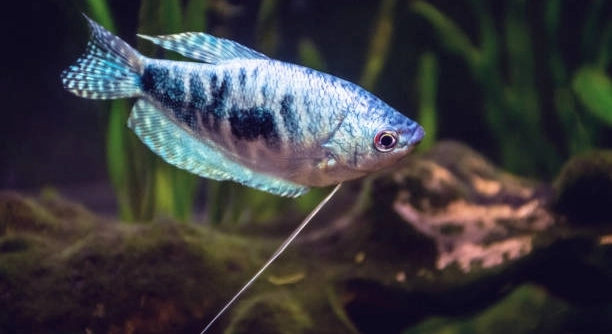
Gouramis are fascinating fish that show a lot through their movements and gestures. Observing them closely can reveal subtle hints about their mood, health, and interactions within the tank. Many owners overlook these quiet signals.
Gourami body language communicates emotions, intentions, and social status through postures, fin movements, and gill displays. Recognizing these signals helps owners understand stress, aggression, mating readiness, and overall well-being, providing a clearer picture of their aquatic behavior.
Knowing these subtle cues can transform your experience with gouramis, making it easier to care for them and interpret their daily behavior.
Fin Flaring and Dominance
Gouramis often flare their fins when they want to assert dominance or defend territory. This behavior is more common in males, especially when new fish are introduced into the tank. Flaring shows confidence and signals to other fish to keep their distance. Observing the way fins are spread can indicate whether a fish is stressed, aggressive, or simply curious. It is important to monitor these displays to prevent fights or injuries. In some cases, excessive flaring may point to discomfort in the tank, such as poor water quality or lack of hiding spaces. Providing plants and decorations helps gouramis feel secure and reduces stress. Over time, owners can learn to distinguish between playful displays and serious aggression, making tank management easier and ensuring that all fish remain healthy. Paying attention to these gestures improves both the fish’s environment and your understanding of their behavior, strengthening care practices for a peaceful aquarium.
Flaring is a clear sign of social interaction and hierarchy. Watching these movements helps anticipate conflicts and adjust the tank setup accordingly.
Recognizing fin flaring as communication rather than random movement is key. It reflects both emotional state and environmental satisfaction. By giving gouramis enough space and hiding spots, flaring can become a harmless display rather than a threat. This awareness also aids in monitoring tank dynamics, helping prevent stress-related illness or fights among fish. Understanding these cues makes your interactions with gouramis more predictable and allows a better sense of the tank’s balance. Observing fin flaring carefully can reveal when a fish is ready to mate, feeling threatened, or simply asserting itself. Over time, you learn to respond appropriately, whether that means rearranging the tank, separating aggressive individuals, or simply noting natural social behavior. These small adjustments can significantly improve both fish health and owner confidence in managing aquarium life.
Color Changes and Mood
Gouramis may change color depending on their emotional state or health. Stress, illness, or excitement can all influence their appearance.
Color shifts indicate well-being, stress, or reproductive readiness. Noticing patterns allows better care and early detection of potential issues.
Monitoring color changes in gouramis offers insights into their mood and overall condition. Bright, vibrant colors generally signal good health and low stress, while dull or faded colors often suggest discomfort, poor water conditions, or illness. During mating periods, males may become more intensely colored, signaling readiness and attracting females. Conversely, sudden color loss can warn of disease or bullying from tank mates. By observing these patterns, owners can adjust water parameters, feeding schedules, and tank arrangements to maintain a supportive environment. Color changes also help identify individuals within a group, making it easier to track social dynamics and detect changes in behavior. Paying attention to these subtle signals enhances care and ensures that gouramis remain active, healthy, and comfortable in their habitat.
Bubble Nest Building
Bubble nest building is a sign of breeding behavior in male gouramis. It shows that the fish is healthy and ready to reproduce. These nests are made at the water surface using bubbles and saliva.
Observing a male constructing a bubble nest is fascinating. He carefully places bubbles together, sometimes incorporating plant material, creating a floating structure that can support eggs. The size and quality of the nest can indicate the fish’s overall health and energy level. This behavior usually occurs in calm water with minimal disturbances. Providing gentle filtration and a stable water temperature encourages this natural activity. While building the nest, males may become territorial and guard the area fiercely. Understanding this behavior helps owners distinguish breeding activity from aggression and ensures the fish has a safe environment to complete its reproductive process. It also provides a closer look at the species’ natural instincts, which are rewarding to watch.
Males may guard the nest aggressively. Recognizing this behavior prevents accidental stress or injury to both the male and other fish.
Bubble nest construction is not only a reproductive signal but also an indicator of environmental comfort. A male will abandon nesting if the water is too cold, oxygen levels drop, or tank mates are overly active. Watching the construction and maintenance of the nest helps monitor fish health. Sometimes, observing how carefully a male repairs the nest after disruption can indicate strong parental instincts and readiness for spawning. Ensuring a quiet, stable environment supports these behaviors and helps maintain the natural cycle within the tank. These observations give insight into social hierarchy, health, and breeding potential in gouramis.
Pectoral Fin Movements
Gouramis use pectoral fins to communicate subtle messages. Small flicks or continuous movements can indicate curiosity or alertness.
These fins often signal intention or mood. Watching them helps interpret interactions, identify stress, and understand behavior.
Pectoral fin movements are a constant form of communication. Gentle fluttering may show interest in food or nearby tank mates, while rapid, repeated motion can indicate agitation or anxiety. These movements also help maintain balance and navigate obstacles. By paying attention to pectoral fin signals, owners can detect subtle changes in mood, notice potential conflicts, or respond to environmental stressors. Observing these movements over time reveals patterns in daily routines, feeding responses, and social interactions. It provides a deeper understanding of each individual fish, allowing better care and management of the tank’s overall harmony.
Gill Display
Gouramis flare their gills to show strength or warn others. This behavior is more common during territorial disputes or when feeling threatened.
Watching gill displays can help identify dominant fish. Recognizing this signal early prevents unnecessary stress and potential fights in the tank.
Body Shaking
Body shaking in gouramis can indicate excitement, stress, or attempts to remove irritants. This movement is often subtle but noticeable when observed closely.
Paying attention to these shakes helps distinguish between normal behavior and signs of discomfort. Consistent shaking may signal water quality issues, parasites, or stress, allowing owners to respond quickly and maintain fish health.
Tail Position
Tail positioning communicates mood and intent. A raised tail can signal alertness or readiness, while a low tail often shows submission or tiredness.
How can I tell if my gourami is stressed?
Stress in gouramis can show in several ways. They may hide more often, lose color, or swim erratically. Some will stay at the bottom of the tank or gasp at the surface. Changes in eating habits, such as refusing food, are also common signs. Watching their body language closely helps spot stress early. Signs like clamped fins, constant hiding, or rapid gill movement usually indicate that the fish is uncomfortable with its environment. Stress can result from poor water quality, overcrowding, sudden changes in temperature, or aggressive tank mates. Addressing these issues quickly can prevent illness.
What does it mean when my gourami flares its fins?
Flaring fins is a form of communication. It often signals dominance or territorial behavior. Males flare more frequently, especially when other fish are nearby. Observing the frequency and context of flaring helps determine if it’s playful, defensive, or aggressive. Excessive flaring can indicate irritation or stress, so ensuring there is enough space, plants, and hiding spots is important. Flaring is also used during courtship to attract females, so noticing it can indicate reproductive behavior. Being able to read fin movements allows you to respond appropriately, either by adjusting the tank environment or monitoring interactions to prevent conflicts.
Why is my gourami changing color?
Color changes can reflect mood, health, or environmental conditions. Bright colors generally indicate a healthy, comfortable fish. Dull or faded colors may signal stress, illness, or poor water quality. During mating periods, males often show more intense coloration to attract females. Sudden changes should be monitored closely, as they can indicate rapid shifts in water temperature, pH, or the presence of disease. Observing patterns in color change over time helps understand each fish’s behavior and well-being. Consistent care and proper tank conditions can minimize stress-related color changes and maintain overall health.
How do I know if my gourami is ready to breed?
A male ready to breed usually builds a bubble nest at the water surface. He may become more colorful, flare his fins, and guard the nesting area aggressively. The female may also show subtle changes in color and behavior, staying near the nest. Observing these signals helps identify when breeding is likely and whether the environment is suitable. Ensuring calm water, proper temperature, and safe space for the nest supports successful spawning. Understanding these behaviors helps prevent unnecessary stress or aggression during the breeding process.
What does it mean when my gourami shakes its body?
Body shaking can indicate excitement, stress, or irritation. Occasional shaking is normal, especially during feeding or interacting with other fish. Frequent or prolonged shaking may point to water quality issues, parasites, or stress from aggressive tank mates. Observing when and how the shaking occurs helps determine the cause. Adjusting water parameters, providing hiding spaces, or separating aggressive fish can reduce shaking. Recognizing the difference between normal activity and concerning behavior is key to maintaining a healthy tank.
Why does my gourami stay at the bottom of the tank?
Remaining at the bottom can indicate stress, illness, or fatigue. It may also occur when the fish is exploring or resting. Monitoring other signs like color, fin position, or appetite helps determine if there is a problem. Environmental factors such as temperature, oxygen levels, or tank setup may contribute. Addressing water quality, ensuring proper filtration, and providing hiding spots can encourage normal swimming behavior. Understanding their natural patterns helps distinguish between normal resting and a health issue.
How can I improve communication with my gourami?
Paying attention to body language is the key. Observing fin positions, gill displays, tail movements, and color changes allows understanding of moods and intentions. Adjusting tank conditions based on these signals fosters a healthier environment. Offering hiding spots, proper lighting, and calm surroundings reduces stress and encourages natural behavior. Responding appropriately to signs of aggression, stress, or readiness to breed ensures that interactions are safe and predictable. Learning these cues enhances the connection and helps maintain a harmonious tank.
What should I do if my gourami is showing aggression?
Aggression is common, especially in males. Recognizing warning signs like fin flaring, gill displays, or chasing helps prevent injury. Providing sufficient space, hiding spots, and visual barriers reduces conflict. In some cases, separating aggressive fish temporarily may be necessary. Monitoring tank dynamics and adjusting the number or type of fish ensures long-term peace. Understanding the causes behind aggressive behavior helps maintain a balanced environment and keeps all fish healthy and safe.
Why do gouramis build bubble nests?
Bubble nests are a sign of health and reproductive readiness. Males create these nests using bubbles and saliva, sometimes incorporating plant material. The nest serves to protect eggs and young fry. Observing nest-building behavior helps identify readiness to spawn and indicates that the fish is comfortable in its environment. Providing calm water, appropriate temperature, and minimal disturbances supports this natural behavior. Watching how carefully a male maintains the nest can also reveal social hierarchy and overall well-being.
How can I tell if my gourami is comfortable in its tank?
Comfortable gouramis are active, have vibrant colors, and display natural behaviors such as exploring, feeding, or interacting with tank mates. Calm swimming, minimal hiding, and regular fin movements indicate contentment. Observing daily routines and social interactions helps recognize comfort levels. Maintaining stable water conditions, a proper tank layout, and compatible companions ensures the fish remain relaxed and healthy. Paying attention to subtle signals like fin positions, tail movements, and body posture provides insight into their emotional and physical state, allowing adjustments that improve tank life and well-being.
Understanding gourami body language can make caring for these fish much easier. Observing their movements, colors, and gestures provides clues about their mood, health, and social interactions. Every flick of a fin, bubble nest, or change in posture can signal something important. Over time, learning to read these signals helps maintain a healthier tank and reduces stress for both the fish and the owner. Simple actions like noting fin flaring, tail positions, or pectoral fin movements give insight into what each gourami is feeling. Paying attention to these details allows for timely adjustments, whether that means improving water quality, rearranging tank decorations, or separating aggressive fish. The more consistent and patient the observation, the better the understanding of each individual fish. Recognizing patterns in behavior over days and weeks is just as important as noticing immediate changes. These small observations contribute to long-term health and well-being for your gouramis.
Caring for gouramis goes beyond feeding and cleaning the tank. Body language offers a window into their daily experience. Stress, excitement, and reproductive behavior are all visible through their gestures. Watching a male build a bubble nest or flare his fins during interactions is a natural display that communicates his intentions. Color changes and tail positions reveal subtle changes in mood or health. Even small behaviors like body shaking or hiding provide essential information about how the fish are coping with their environment. Learning these cues allows owners to respond appropriately, whether by adjusting tank conditions or monitoring social dynamics. Creating a supportive environment with proper water quality, hiding spots, and space for swimming ensures that gouramis can express their natural behaviors safely. Observing and understanding these behaviors makes daily care more meaningful and helps maintain a peaceful tank community.
Paying attention to gourami body language also strengthens the connection between the fish and the owner. It becomes easier to recognize when a fish is comfortable, stressed, or ready to breed. This knowledge allows for proactive care and helps prevent potential problems before they escalate. Maintaining a calm, stable, and enriched environment encourages natural behavior, which is both rewarding and beneficial for the fish. By noticing how gouramis interact with each other and respond to changes in the tank, owners gain insight into their personalities and needs. Over time, this understanding creates a more harmonious tank and promotes long-term health. Ultimately, being observant and responsive to these subtle signals improves the quality of care and makes watching your gouramis a more enjoyable and informative experience.

Hello,
If you enjoy the content that we create, please consider saying a "Thank You!" by leaving a tip.
Every little bit helps us continue crafting quality advice that supports the health, happiness, and well-being of pets around the world, for pets of all shapes, sizes, and species.
We really appreciate the kindness and support that you show us!