
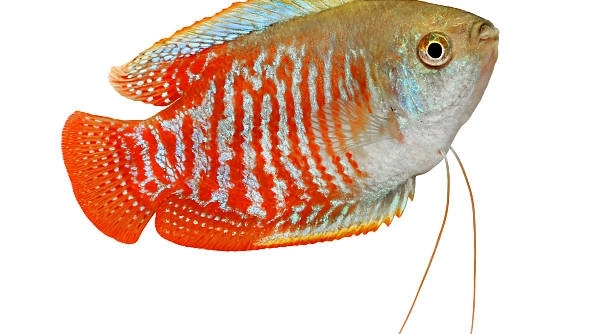
Are your gouramis often skittish and hiding in the corners of their tank, leaving you worried about their wellbeing? A nervous gourami can make tank life stressful for both you and your fish. Small changes can help.
Calming a nervous gourami involves adjusting the tank environment, including reducing sudden movements, providing hiding spaces, maintaining stable water conditions, controlling lighting, and limiting aggressive tank mates. Each modification works to reduce stress and promote natural behavior.
Implementing these changes can make your tank a safer, calmer space for your gourami, improving their daily activity and overall health significantly.
Maintain Stable Water Conditions
Nervous gouramis are highly sensitive to fluctuations in water temperature, pH, and cleanliness. Sudden changes can cause stress, leading to hiding, reduced feeding, or erratic swimming. Regularly testing water parameters ensures they remain within optimal ranges, typically 24–28°C for temperature and slightly acidic to neutral for pH. Perform partial water changes weekly to remove waste and maintain clarity, avoiding sudden large changes that could shock your fish. Using a reliable heater, filter, and water conditioner helps create a consistent environment. Observing your gourami’s behavior alongside water quality allows you to detect subtle stress signs early. Keeping parameters stable reduces physiological stress and supports immune function, making your fish more resilient. Over time, a steady, clean environment encourages relaxed swimming and regular feeding habits. This approach benefits not only gouramis but all tank inhabitants, promoting a balanced ecosystem and reducing aggressive or anxious interactions. Consistency is key in creating a calm and healthy habitat.
Stable water conditions directly prevent stress, allowing your gourami to remain active and healthy in its tank environment.
Gradual adjustments, regular monitoring, and consistent cleaning ensure the water remains ideal. Avoid sudden temperature shifts or large pH swings.
Maintaining stability in temperature, pH, and water quality is fundamental for nervous gouramis. Sudden changes can disrupt metabolism, weaken immunity, and increase stress hormones. Regular partial water changes help remove toxins, while proper filtration maintains oxygen levels and clarity. Monitoring ensures any deviations are addressed quickly before affecting behavior or health. Stable water also supports beneficial bacteria, which naturally process waste and reduce harmful compounds. Keeping parameters constant reduces the likelihood of disease and encourages normal feeding and swimming. Combining water stability with other stress-reducing measures, such as soft lighting and hiding spaces, creates an environment where the gourami can thrive. Over time, this approach results in a more confident, active, and visually healthy fish, reflecting the overall balance of the tank. The benefits extend to other species in the tank, making the ecosystem calmer and more harmonious.
Limit Aggressive Tank Mates
Introducing calmer species or limiting aggressive fish prevents intimidation and stress in gouramis.
Aggressive tank mates can chase or bully nervous gouramis, disrupting feeding and causing constant hiding. Selecting compatible species and monitoring interactions reduces stress and allows gouramis to establish a secure presence.
Choosing peaceful companions and observing tank dynamics helps maintain harmony. Ensure gouramis have escape routes, such as plants or decorations, to avoid confrontations while sharing space. Creating a calm social environment encourages confident swimming and normal behaviors. Over time, stress-related health issues decrease, and the gourami engages more with its surroundings. Proper selection and placement of tank mates are essential for a balanced, relaxed habitat.
Control Feeding Amounts
Overfeeding can increase stress and water pollution, affecting nervous gouramis. Feeding small portions multiple times a day helps maintain water quality and prevents uneaten food from causing tension.
Feeding smaller, measured amounts ensures gouramis receive proper nutrition without overwhelming the tank. Excess food can decompose, raising ammonia levels and creating an unstable environment. Gradually adjusting portion sizes according to the fish’s appetite helps prevent overeating and associated health issues. Monitoring how quickly the food is consumed provides insight into your gourami’s comfort and feeding habits. Balanced feeding supports digestion, energy levels, and overall wellbeing, contributing to calmer behavior. Maintaining consistent feeding routines also reduces sudden disturbances in the tank, keeping stress levels low.
Observing feeding patterns allows you to recognize stress signs early. If your gourami hesitates or avoids food, it may indicate environmental issues, aggressive tank mates, or water instability. Adjusting feeding frequency, portion sizes, or type of food can help restore comfort. Using slow-sinking pellets or live food encourages natural foraging behavior, keeping the fish engaged and reducing anxiety. Consistent feeding routines combined with stable conditions enhance confidence and activity levels, making your gourami more relaxed and interactive over time.
Reduce External Disturbances
Frequent tapping, loud noises, or sudden movements can frighten nervous gouramis, causing constant stress. Limiting these disturbances helps maintain a calm tank.
External activity directly affects gourami behavior, as sudden vibrations or loud sounds trigger flight responses. Positioning the tank in a quiet area, away from doors, televisions, or high-traffic spaces, minimizes stress. Covering parts of the tank with plants or backgrounds can also buffer visual disturbances. Reducing handling or sudden equipment adjustments allows the fish to feel secure in their environment.
Even minor, repeated disturbances can have lasting effects on a nervous gourami’s health and behavior. Noise, shadows, or sudden hand movements can elevate stress hormones, weaken immunity, and reduce feeding motivation. Creating a consistently calm environment involves strategic placement of the tank, using soft background lighting, and limiting abrupt external changes. Regularly observing the tank from a distance helps you monitor natural behavior without interference. Over time, this approach allows gouramis to swim confidently, explore their habitat, and maintain steady feeding habits. Environmental stability directly supports both physical health and behavioral comfort, making your tank a safer, calmer home.
Use Gentle Water Flow
Strong currents can overwhelm nervous gouramis, making them hide or struggle to swim. Adjusting filters to create a gentle flow helps them navigate the tank comfortably and reduces stress.
Positioning decorations and plants can break water movement, allowing calm zones. This encourages natural swimming and resting behavior, improving overall confidence and wellbeing.
Monitor Temperature Consistently
Keeping a steady water temperature is essential. Sudden changes can trigger stress responses, affecting feeding and activity levels. A reliable heater and thermometer help maintain consistency, preventing shock and supporting a calm, healthy gourami environment.
Avoid Overcrowding
Too many fish in a tank increases competition for space and resources, raising stress. Maintaining an appropriate fish population ensures your gouramis have room to swim, explore, and establish territories comfortably.
How can I tell if my gourami is stressed?
A stressed gourami often hides, swims erratically, or avoids food. You may notice rapid gill movement, clamped fins, or frequent darting across the tank. Stress can also appear as faded colors or unusual lethargy. Observing behavior daily helps identify early signs before serious health issues develop.
What is the ideal water temperature for gouramis?
Gouramis thrive in temperatures between 24–28°C. Consistent warmth is important, as sudden fluctuations can trigger stress and affect metabolism. Using a reliable heater and thermometer ensures the water remains stable. Gradual temperature adjustments during maintenance reduce shock and allow the fish to acclimate comfortably.
How often should I change the water?
Partial water changes once a week are usually sufficient to maintain cleanliness. Removing 20–30% of the water helps reduce toxins without shocking the fish. Regular changes prevent ammonia buildup and support beneficial bacteria, which are crucial for a calm and healthy environment.
What type of plants are best for hiding spots?
Dense plants such as java fern, hornwort, and floating species provide excellent cover. These create shaded areas that reduce stress and allow gouramis to explore the tank at their own pace. Soft leaves are preferred, as sharp edges can injure delicate fins.
Can gouramis live with other fish?
Yes, but selecting peaceful tank mates is essential. Avoid aggressive species that chase or nip fins. Suitable companions include small tetras, rasboras, or peaceful catfish. Providing multiple hiding spaces helps minimize conflict and ensures all fish feel secure.
How should I feed my gourami?
Feed small portions once or twice a day, avoiding overfeeding. Gouramis respond well to pellets, flakes, and occasional live or frozen food. Observing how much is eaten in a few minutes prevents leftover food from polluting the tank and increasing stress.
Does lighting affect gourami behavior?
Yes, bright or sudden light changes can startle nervous gouramis. Soft, consistent lighting with shaded areas allows natural activity while reducing anxiety. Floating plants or lightly tinted backgrounds can diffuse light and create calm zones within the tank.
What should I do if my gourami hides constantly?
Persistent hiding may indicate stress from water quality, tank mates, or environmental changes. Check temperature, pH, and cleanliness, and ensure hiding spots are available. Reducing disturbances and observing behavior over time can help the fish gradually regain confidence.
Is tank size important for reducing stress?
A larger tank provides more swimming space and room for hiding spots. Overcrowding increases competition, leading to nervous behavior. For a single gourami, at least 20 liters is recommended, with additional space required for each extra fish. Adequate room supports exploration and reduces tension.
How can I reduce external disturbances?
Position the tank away from loud noises, high-traffic areas, and sudden movements. Covering portions of the tank with plants or backgrounds helps buffer visual disturbances. Minimizing tapping on glass or abrupt equipment adjustments allows gouramis to feel secure and reduces constant stress.
Can water flow affect nervous behavior?
Strong currents can overwhelm gouramis, making them hide or struggle. Gentle water movement, broken up with plants or decorations, creates calm zones. Adjusting filter output and providing shaded areas encourages natural swimming and resting behaviors, contributing to a more relaxed fish.
Are there signs of long-term stress in gouramis?
Long-term stress may appear as faded colors, slow growth, repeated hiding, or reduced feeding. Chronic stress weakens the immune system, making the fish more susceptible to disease. Consistently stable water conditions, proper tank mates, and environmental enrichment are key to preventing prolonged anxiety.
What should I do if my gourami refuses to eat?
Refusal to eat can signal water quality issues, aggressive tank mates, or illness. Check temperature, pH, and ammonia levels, and ensure hiding spots are available. Offering live or frozen food can stimulate appetite. Gradual environmental adjustments may encourage normal feeding behavior.
How often should I monitor water parameters?
Regular monitoring, at least once a week, is important to detect changes early. Track temperature, pH, ammonia, nitrite, and nitrate levels. Consistent observation allows timely adjustments, maintaining a calm and safe environment that supports healthy behavior and reduces stress.
Can rearranging the tank help calm a nervous gourami?
Slight adjustments can improve hiding spaces and reduce visual exposure to stressors. Avoid drastic changes, which may cause shock. Gradual modifications, such as moving plants or decorations, encourage exploration and help the fish feel secure without creating unnecessary stress.
Is it normal for gouramis to display territorial behavior?
Yes, gouramis may defend small areas or prefer specific zones. Territorial displays are natural but should not be confused with constant aggression. Providing ample space and hiding spots reduces conflicts and ensures a calm, balanced environment for all tank inhabitants.
What is the best way to introduce new gouramis?
Acclimate new fish slowly by floating the bag in the tank for 15–20 minutes, then gradually mixing tank water. Adding new gouramis at the same time helps prevent established fish from becoming territorial. Ensure sufficient space and hiding spots to reduce initial stress and promote adaptation.
How do I know if the tank setup is effective?
A calm gourami swims confidently, explores hiding spots, and feeds regularly. Colors appear vibrant, and fins are fully extended. Monitoring behavior over time and adjusting lighting, water flow, or hiding spaces ensures the environment meets the fish’s needs and promotes long-term wellbeing.
Can stress affect gourami health long-term?
Chronic stress can weaken immunity, reduce growth, and increase susceptibility to disease. Maintaining stable water conditions, proper feeding routines, gentle lighting, and compatible tank mates minimizes stress, supporting a healthier, more active, and visually vibrant gourami over time.
Final Thoughts
Calming a nervous gourami requires a combination of careful observation, environmental adjustments, and consistent care. Each small change, from providing hiding spots to maintaining stable water conditions, contributes to a more secure and comfortable tank. Gouramis are sensitive fish, and stress can manifest in many ways, such as hiding, erratic swimming, or reduced appetite. By paying attention to these behaviors, you can identify areas that need improvement and make the necessary adjustments. Even small steps, like controlling water flow or softening lighting, have a noticeable effect on the fish’s confidence. Over time, these modifications help the gourami explore the tank more freely and engage in natural behaviors without constant fear.
Consistency is a key factor in reducing stress. Sudden changes in water temperature, pH, or tank layout can quickly increase anxiety, even in an otherwise healthy environment. Gradual adjustments allow the fish to acclimate without feeling threatened. Feeding routines, water changes, and observation schedules should be maintained regularly, as predictable conditions reduce uncertainty for the gourami. Hiding spaces, gentle water flow, and proper tank mate selection further create a sense of safety, helping the fish regulate its own stress levels. Monitoring the fish’s responses over time allows you to fine-tune the environment, ensuring that each modification is effective and that the tank remains a stable and supportive space. This balance supports not only the physical health of the gourami but also its mental wellbeing.
A calm gourami is more likely to display vibrant colors, swim confidently, and feed regularly. By understanding the factors that contribute to nervous behavior, you can create an environment that meets both the biological and psychological needs of your fish. While it may take patience and observation, the results are rewarding, as a relaxed gourami is easier to care for and more enjoyable to watch. Each adjustment, from lighting and hiding spots to tank placement and feeding, works together to form a cohesive environment that promotes stability and comfort. Long-term attention to these details ensures that your gourami remains healthy and active, while also enhancing the overall balance of the aquarium. Over time, the fish will settle into its surroundings, and the tank will become a calm, thriving habitat where natural behaviors can flourish.

Hello,
If you enjoy the content that we create, please consider saying a "Thank You!" by leaving a tip.
Every little bit helps us continue crafting quality advice that supports the health, happiness, and well-being of pets around the world, for pets of all shapes, sizes, and species.
We really appreciate the kindness and support that you show us!