
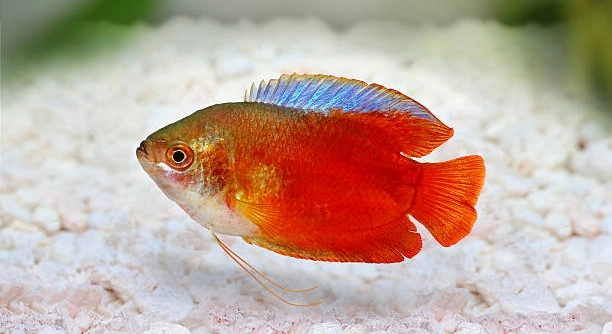
Have you ever noticed your gouramis behaving differently when the water feels colder than usual? These small, colorful fish are sensitive to changes in their environment, and sudden shifts in temperature can affect their behavior.
Gouramis can detect sudden drops in temperature through specialized cells called thermoreceptors. These cells sense changes in water temperature, allowing the fish to respond by adjusting their activity, feeding habits, and positioning within the tank to maintain comfort and survival.
Understanding how gouramis react to temperature changes is important for maintaining a healthy aquarium environment and ensuring their well-being over time.
How Gouramis Sense Temperature Changes
Gouramis have a remarkable ability to notice temperature changes in their tank. Their bodies contain thermoreceptors that detect even minor fluctuations in water temperature. These receptors send signals to the brain, helping the fish adjust quickly to maintain comfort. A sudden drop can make them less active, hiding more often, or seeking warmer areas near filters or heaters. Some gouramis may reduce their feeding until the water stabilizes. Observing their behavior can give clear clues about temperature shifts. Proper tank management, such as consistent monitoring and gradual changes, can prevent stress. This sensitivity is particularly important during seasonal shifts when room temperatures fluctuate. Gouramis rely on stable conditions for their immune system to function well, and sudden cold can make them vulnerable to disease. Even minor adjustments, like slightly raising the water temperature, can help keep them comfortable and healthy over time. Their responses are subtle but noticeable if you watch closely.
Monitoring tank temperature regularly helps prevent sudden drops that could affect gourami behavior and health. Consistency is key for their well-being.
Paying attention to small behavioral changes can help you anticipate temperature problems before they become serious issues in your aquarium.
Behavioral Signs of Temperature Drops
Gouramis often change their swimming patterns when water gets colder. They may linger near heat sources or slow down significantly.
Sudden cold can affect a gourami’s metabolism, making them eat less and move slower. Their fins may droop, and they might avoid brightly lit areas, preferring corners or plants for shelter. Some gouramis become less social, isolating themselves from tank mates until conditions improve. Observing these shifts is crucial because prolonged exposure to low temperatures can weaken their immune system. Adjusting heaters gradually, adding insulation around the tank, and checking for drafts in the room can help maintain stable temperatures. Regular monitoring with a reliable thermometer ensures the water remains within a safe range. Even a small temperature drop can trigger noticeable behavior changes, so staying vigilant is essential for their comfort. Consistent care supports their natural activity patterns, feeding habits, and overall health, helping them thrive in captivity. Understanding these signs allows you to respond quickly and prevent stress-related issues.
Maintaining Stable Temperatures
Gouramis thrive in stable water conditions, so it’s important to keep the temperature steady. Sudden fluctuations can stress them and make them more vulnerable to illness, so using a reliable heater and thermometer is essential.
Keeping tank temperature consistent requires monitoring and adjustments. Using an aquarium heater with a thermostat ensures the water stays within the ideal range for gouramis, usually between 24°C and 28°C. Avoid placing the tank near windows or drafts where temperature swings can occur. Regular checks with a thermometer help you notice small changes before they become stressful. Adding floating plants or decorations can also help buffer minor fluctuations by providing shelter and microclimates within the tank. Stability in temperature supports healthy feeding patterns, swimming behavior, and overall activity levels, allowing gouramis to live comfortably.
Gradual adjustments are safer than rapid changes. If the water needs warming, increase the temperature slowly over several hours to prevent shock. Observing gouramis during these adjustments helps ensure they adapt well, reducing stress and maintaining normal behavior. Consistent care creates a stable environment where gouramis can remain active, feed properly, and maintain strong immunity. Small measures like insulation, timed heaters, and careful room placement all contribute to a healthy, balanced habitat.
Tools and Techniques for Temperature Control
Using a high-quality heater and thermometer helps maintain safe water temperatures for gouramis. These tools provide accuracy and prevent sudden drops.
A reliable heater with a built-in thermostat ensures water remains within the preferred range, reducing stress for your fish. Pairing this with a digital thermometer allows for precise monitoring of the water temperature. Some aquarists use dual heaters or backup systems to avoid fluctuations during power outages. Additional measures, such as insulating the tank with foam or blankets on cooler nights, can help maintain a steady environment. Monitoring room temperature, especially during seasonal changes, also prevents sudden water cooling. Combining these tools and techniques provides consistent, safe conditions, promoting active and healthy gouramis over time.
Preventing Stress from Temperature Drops
Gouramis can become stressed when the water cools suddenly. Stress lowers their immunity, making them more prone to disease and reducing their overall activity levels in the tank.
Minimizing sudden temperature changes is crucial. Avoid placing the tank near air conditioners, open windows, or drafty areas. Gradual adjustments help gouramis acclimate safely without affecting their behavior or health.
Feeding Adjustments During Cold Periods
When water temperature drops, gouramis’ metabolism slows, and they may eat less. Adjusting feeding amounts prevents overfeeding and water contamination. Offering smaller, more frequent meals ensures they receive adequate nutrition without stressing their digestive system during cooler conditions. Monitoring their appetite helps determine when to resume normal feeding.
Using Plants and Decorations for Stability
Adding plants and decorations can create microclimates within the tank. These areas provide shelter and slightly warmer spots, helping gouramis cope with minor temperature fluctuations more comfortably.
Observation Is Key
Watching your gouramis closely allows you to spot behavioral changes quickly. Early observation helps prevent prolonged stress and maintains overall health.
FAQ
How quickly can gouramis sense a temperature drop?
Gouramis can detect changes in water temperature almost immediately. Their thermoreceptors respond to small fluctuations, allowing them to adjust behavior quickly. They may slow down, hide, or move to warmer areas of the tank within minutes of a sudden drop. This immediate response helps protect them from stress.
What is the ideal temperature range for gouramis?
The preferred range for most gouramis is between 24°C and 28°C. Maintaining this range ensures normal metabolism, feeding behavior, and activity levels. Water that is consistently within these temperatures reduces stress, prevents disease, and supports overall health and longevity. Gradual changes within this range are safe.
Can gouramis survive short-term temperature drops?
Yes, gouramis can survive brief periods of slightly cooler water, but repeated or severe drops can weaken their immune system. Even short-term exposure to cold water may make them less active, reduce appetite, and increase susceptibility to disease. Slow adjustments and monitoring help minimize risks.
How do I know if my gourami is stressed from temperature?
Signs of stress include reduced swimming activity, hiding, fin clamping, and lower appetite. Some gouramis may isolate themselves from other fish. Observing these behaviors alongside temperature readings can help identify if water conditions are causing stress. Early detection allows corrective action to protect their health.
Are there specific gourami species more sensitive to temperature changes?
Yes, smaller species like the honey gourami and dwarf gourami are often more sensitive than larger species such as pearl gouramis. Sensitive species may react quickly to even minor drops, showing behavior changes faster. Tailoring tank management to the species’ tolerance is important.
What measures prevent sudden temperature drops in aquariums?
Using a reliable heater with a thermostat, monitoring with a thermometer, insulating the tank, and avoiding drafty areas are key steps. Gradual water changes and consistent room temperature also help. These measures keep water stable and reduce stress for gouramis.
Can plants and decorations help with temperature changes?
Yes, floating plants, dense foliage, and decorations create microclimates. These areas provide shelter and slightly warmer spots, allowing gouramis to seek comfort during minor drops. Strategically arranging tank décor can improve their sense of safety and stability.
Should feeding be adjusted during colder periods?
Yes, slower metabolism in cooler water means gouramis eat less. Offer smaller meals more frequently to prevent overfeeding. Observing their appetite helps determine when normal feeding can resume. This approach prevents waste buildup and maintains water quality.
Do gouramis recover quickly after temperature stabilization?
Once the water returns to their preferred range, gouramis usually recover within hours to a day. Activity and feeding return to normal if stress hasn’t caused illness. Consistent care during and after drops supports faster recovery and overall health.
Can temperature drops cause long-term health issues?
Repeated or prolonged exposure to cold water can weaken immunity, slow metabolism, and increase disease risk. Maintaining consistent temperature and observing behavior are essential to prevent long-term issues. Early intervention minimizes risks and keeps gouramis active and healthy.
How often should I monitor water temperature?
Daily monitoring is recommended, especially during seasonal changes or if the room temperature fluctuates. Consistent observation helps detect small drops early, allowing quick corrective actions to maintain a safe environment for gouramis.
Are thermometers alone enough for temperature control?
Thermometers show temperature but don’t adjust it. Using them alongside a reliable heater ensures water stays in the proper range. Some aquarists use digital thermometers for precision, combined with heaters or backup systems for stability.
Do gouramis adapt to slight seasonal changes?
Gouramis can adapt to gradual seasonal shifts if changes are small. Rapid changes, however, cause stress. Slow adjustments in water temperature during transitions help them acclimate without affecting health or behavior.
Can other fish in the tank affect gouramis’ reaction to temperature drops?
Yes, tank mates can influence stress levels. If other fish are active or aggressive, stressed gouramis may hide more. Providing enough space, hiding spots, and calm companions helps gouramis cope with temperature changes.
What should I do if a gourami appears sick after a temperature drop?
Immediately stabilize the water temperature and monitor closely. Check for illness signs such as fungus, fin rot, or lethargy. Quarantine if necessary and treat according to veterinary or aquarium care guidelines. Prompt action prevents worsening health conditions.
Is it possible to prevent all temperature-related stress?
While complete prevention isn’t always possible, careful tank placement, reliable equipment, and attentive monitoring greatly reduce risks. Consistent care and gradual adjustments are the most effective ways to maintain a stress-free environment for gouramis.
Gouramis are delicate fish that respond quickly to changes in their environment, particularly temperature. Their ability to sense sudden drops in water temperature comes from specialized thermoreceptors, which trigger behavioral changes to protect them. When the water becomes colder than their ideal range, they may become less active, hide more often, or seek warmer areas near heaters and filters. Observing these changes helps aquarists understand the comfort level of their fish. Maintaining a stable temperature is essential because even small fluctuations can stress gouramis, weaken their immune system, and reduce their overall activity. Gradual adjustments in water temperature and consistent monitoring are key practices to ensure their health. Using reliable heaters, thermometers, and proper tank placement can prevent sudden drops and create a comfortable environment for these sensitive fish.
In addition to temperature control, providing an environment that helps gouramis cope with minor changes can make a significant difference. Adding plants and decorations offers shelter and creates microclimates, allowing fish to find slightly warmer or more protected areas when the water cools. This also encourages natural behavior, such as exploring and hiding, which supports their mental and physical well-being. Feeding routines should also be adapted when temperatures drop because slower metabolism means they may eat less. Offering smaller, more frequent meals prevents overfeeding and keeps the water clean. Monitoring their appetite and behavior ensures they receive proper nutrition and prevents stress-related issues. Even minor adjustments, such as avoiding drafty areas and insulating the tank, help maintain consistent conditions. These simple steps contribute to a more stable and comfortable environment, supporting the long-term health of gouramis.
Understanding how gouramis react to temperature changes allows aquarists to take proactive measures that promote their well-being. By observing behavior, monitoring water temperature, and providing appropriate tank conditions, it is possible to minimize stress and prevent health issues. Consistency is crucial, and small, thoughtful changes can have a lasting impact on their comfort and longevity. Gouramis respond well to a stable environment, and careful attention to their needs enhances their natural activity, feeding patterns, and overall health. Regular monitoring, proper equipment, and small environmental adjustments work together to create a safe and balanced habitat. Taking these measures ensures that gouramis can thrive in captivity, displaying their vibrant colors and natural behavior while staying healthy and active for years.

Hello,
If you enjoy the content that we create, please consider saying a "Thank You!" by leaving a tip.
Every little bit helps us continue crafting quality advice that supports the health, happiness, and well-being of pets around the world, for pets of all shapes, sizes, and species.
We really appreciate the kindness and support that you show us!