
Write in a simplistic style, 3 paragraphs for the intro of the article: “Can Giant Gouramis Be Kept in a Divided Aquarium?”. Make it sound partially friendly. Follow the format mentioned. Do not say: “Picture this” or “Stay tuned” or “Dive” or “Delve”; Use the Format:; Paragraph: 35 words that will be a short intro to the article. (use a simplistic style and a neutral tone, avoid using questions) Examples:; “Do you love baking pies but find yourself wondering how long your pie dough will stay fresh in the fridge?”; “Have you ever wondered how …”; “Do you ever find yourself …“; “Have you ever …” ; “Are your…”; “Is your…”; “Do your brownies sometimes end up too oily, leaving you with a less-than-perfect treat?”; Paragraph: A straight to the point response to the question in the title that is 40 words long (bold this paragraph, use a formal tone, like you are writing a research paper).; Examples: ; “The simplest way to get your pie to brown on the bottom is by baking it on the lowest oven rack. Placing your pie closer to the heat source allows the bottom crust to crisp up and brown evenly and quicker.”; “The main reason your no-knead bread is too wet is due to overproofing. Allowing the dough to rise for too long can cause it to become excessively hydrated and lose its structure”; “Ferrets stare at their owners as a sign of affection and curiosity. This gaze is a way of bonding and showing trust. Additionally, ferrets are naturally curious creatures, and they may be observing you to learn more about their environment.”; “The most common reason why your bundt cake is not cooking in the middle stems from incorrect oven temperature. Ovens can be finicky and inconsistent, leading to uneven baking. A simple way to avoid this problem is to use an oven thermometer.”; Paragraph: 20 words that will make the reader want to keep reading the rest of the article. (use a simplistic style and a neutral tone) (Do not say ”Curious to“, avoid using questions, avoid saying “Delve”); Examples:; “While the tiny trimmings may seem harmless, there is a deeper story behind your guinea pigs barbering adventures.” ; “Leaving pizza dough refrigerated is a common practice for many, however, it is beneficial to know how leaving it out may impact the cooking process.”; “From the art of toppings and the battle of sauces to the influence of ovens, we will uncover the secrets that make each slice unique.”.; “Understanding these factors will not only help you address current issues but also ensure your axolotls long-term health and happiness in its aquatic habitat. Dive in to explore more!”; “So, what can you do to get your axolotl back on track?“; “Your guinea pigs deserve a well-balanced diet, and we are here to guide you through the ins and outs of incorporating eggplant into their munch-worthy repertoire.”; Note: do not exceed the given word count.; Note: pretend you are a woman.
Understanding Giant Gourami Behavior
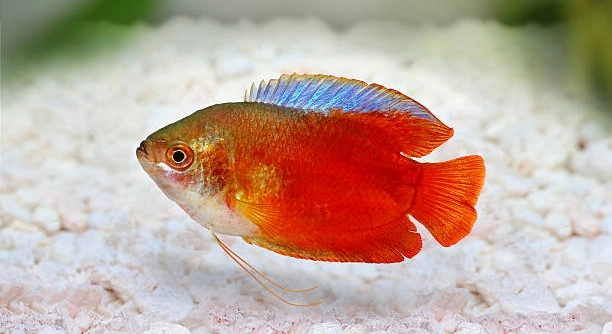
Giant gouramis are generally calm but can display territorial tendencies, especially as they grow. They use their size and presence to establish dominance, which can lead to occasional aggression if space is limited. Observing their interactions early can prevent conflicts and ensure a more peaceful environment. Each fish has its own personality, so behavior may vary even among individuals of the same species. Proper tank structure, including hiding spots and visual barriers, helps reduce stress. It’s important to introduce gouramis to divided spaces gradually, allowing them to adjust without feeling cornered. Water quality and diet also play roles in their temperament, as healthy fish are less likely to display unnecessary aggression. Maintaining a balanced environment fosters natural behavior while protecting each fish from potential harm caused by overcrowding or poor management. Paying attention to these details makes keeping giant gouramis in a divided aquarium more successful and less stressful for both fish and keeper.
Dividers should be strong and smooth to prevent injuries, ensuring the fish can swim freely without sharp edges.
Monitoring water conditions is critical when dividing an aquarium. Filtration must reach both sections evenly, and frequent testing prevents spikes in ammonia, nitrites, or nitrates. Temperature stability is equally important because sudden changes can stress the gouramis, increasing the risk of aggression or illness. Adjusting feeding routines to ensure each section receives sufficient food is also necessary. Overcrowding in either compartment can lead to competition, so space planning is key. Observing behavior daily allows prompt intervention if stress or aggression occurs. Additionally, providing enrichment, such as floating plants or rocks near dividers, keeps the fish engaged and less focused on territorial disputes. When done correctly, a divided aquarium can accommodate giant gouramis comfortably while maintaining their natural behaviors and overall health.
Choosing the Right Divider
Select dividers made of durable materials that can withstand the weight and activity of large fish.
Acrylic or mesh dividers work well, allowing water flow while keeping fish separated. Ensure dividers are tall enough to prevent jumping and anchored securely to avoid displacement. Holes or perforations should be small enough to prevent fish from squeezing through but allow adequate water circulation. Transparent dividers reduce visual stress, while solid panels can help minimize aggression by blocking direct sightlines. Consider the long-term growth of your gouramis, as they can exceed 18 inches, which may require adjustments or upgrades to the divider. Placement is also important; position decor strategically to create a sense of territory for each fish. Regular inspections ensure the divider remains intact and effective. With the right divider, giant gouramis can thrive in a shared aquarium without physical harm, maintaining both their health and the tank’s balance over time.
Tank Size Requirements
A divided aquarium must be large enough to give each giant gourami ample swimming space. Each section should allow the fish to turn easily, swim freely, and have its own territory with hiding spots and decorations.
For a single giant gourami, a minimum of 150 gallons is recommended, but when dividing, each section should be at least 75 gallons to accommodate growth. The height and width of each compartment matter because these fish prefer vertical and horizontal swimming space. Overcrowding can lead to stress, stunted growth, and aggression, even with a divider. Providing extra room ensures both fish remain healthy, active, and less likely to challenge one another. Regular observation helps detect stress signs early, allowing adjustments before problems escalate.
Careful placement of decorations within each section helps create a sense of security and natural territory. Floating plants, rocks, and driftwood reduce visual contact and keep the gouramis calm.
Feeding Strategies
Separate feeding is essential in a divided aquarium to ensure both gouramis receive enough nutrition.
Giant gouramis are omnivores, requiring a balanced diet of pellets, vegetables, and occasional live food. Feeding them in each section prevents one fish from dominating meals or leaving the other underfed. Distributing food evenly and observing their eating habits ensures proper intake. Overfeeding can foul the water, so portion control is crucial. Rotate food types to provide variety and maintain health. Using feeding rings or target feeding techniques can help direct food to each fish without interference. Proper nutrition supports growth, immunity, and reduces stress-related aggression.
Monitoring leftovers after feeding is important to maintain water quality. Removing uneaten food promptly prevents decay and keeps the tank environment stable, minimizing health risks for both gouramis. Consistent feeding routines also help each fish feel secure in its space and reduce competition, making divided tank life smoother and more manageable.
Water Quality Maintenance
Maintaining clean water is vital for giant gouramis in a divided aquarium. Each section must have proper filtration and water circulation to prevent buildup of waste and harmful chemicals. Regular testing ensures ammonia, nitrite, and nitrate levels stay safe for the fish.
Partial water changes should be done weekly. Removing 20-30% of water in each compartment keeps the environment stable. Uneven water quality can stress one fish while the other thrives, leading to health issues or aggression. Using a siphon carefully prevents disturbing the fish while cleaning. Monitoring temperature and pH levels consistently ensures both sides of the tank remain comfortable and safe for the gouramis.
Monitoring Behavior
Observe each gourami’s interactions with the divider and surroundings carefully.
Behavioral signs such as fin nipping, excessive hiding, or lethargy indicate stress or discomfort. Early detection allows adjustments in tank setup or enrichment to improve well-being. Regular observation helps maintain a balanced environment.
Adjusting Tank Setup
Rearranging plants, rocks, or décor can reduce territorial disputes. Creating visual barriers helps each fish feel secure and lowers stress.
FAQ
Can giant gouramis live together without a divider?
Giant gouramis can sometimes coexist in the same tank, but their large size and territorial nature make this risky. Without ample space, dominant individuals may bully or injure others. Over time, aggression can increase, especially as they mature. Providing separate territories or a divider helps reduce conflicts and stress.
What is the minimum tank size for a divided setup?
Each section should provide at least 75 gallons for a single adult gourami, though larger tanks are preferable. Adequate height, width, and length are necessary to allow swimming, turning, and exploration. Small tanks lead to stress, stunted growth, and increased aggression, even with a divider.
What type of divider is best?
Durable acrylic or fine mesh dividers are recommended. They should be tall enough to prevent jumping and strong enough to handle contact. Transparent dividers allow water flow while reducing direct visual stress, whereas solid dividers help minimize aggression. Decorations can create additional visual separation.
How often should I feed giant gouramis in a divided tank?
Feeding should occur once or twice daily, depending on size and appetite. Each section should receive an equal amount to prevent one fish from dominating meals. Remove uneaten food promptly to maintain water quality. A balanced diet includes pellets, vegetables, and occasional live food for variety and nutrition.
Do dividers affect water circulation?
Yes, dividers can disrupt water flow if not perforated or designed properly. Proper filtration and placement are essential to ensure both sections have consistent oxygen levels and water quality. Regular testing of ammonia, nitrites, and nitrates helps prevent imbalances that could stress the fish.
Can giant gouramis jump over dividers?
Some gouramis may attempt to jump, especially if stressed or curious. Dividers should be tall and secure enough to prevent escapes. Adding floating plants or cover can discourage jumping and provide a sense of security for both fish, reducing the likelihood of accidents.
What signs indicate stress in a divided aquarium?
Signs include hiding excessively, fin clamping, lethargy, loss of appetite, or aggressive displays. Observing these behaviors early allows adjustments in tank setup, feeding, or enrichment to improve comfort. Stress management is essential to prevent health problems and ensure long-term well-being.
How can I enrich each side of the tank?
Adding plants, rocks, and driftwood creates hiding spots and visual interest. Floating plants or caves reduce boredom and aggression. Each section should feel like a separate territory, encouraging natural exploration while minimizing stress from seeing the other gourami constantly.
Can I breed giant gouramis in a divided aquarium?
Breeding in a divided setup is challenging because pairs require interaction for mating rituals. Dividers prevent courtship behavior and limit space for nest building. For breeding, it is better to use a dedicated tank with sufficient space and conditions for both male and female gouramis.
How do I monitor health in a divided setup?
Observe each fish daily for physical signs like fin damage, bloating, or unusual swimming. Water tests and maintenance routines are crucial to prevent illness. Proper nutrition, clean water, and attention to behavior ensure both gouramis remain healthy and stress-free in a divided environment.
Are there alternative ways to separate aggressive gouramis without a divider?
Yes, adding visual barriers, rearranging décor, or using tank mates that distract aggressive behavior can help. However, these methods are less reliable than a secure divider. For long-term safety, dividers are the most effective solution to prevent injury and stress.
What maintenance routines are critical in a divided aquarium?
Regular water changes, filter cleaning, and checking dividers for damage are essential. Each section must have consistent water parameters. Monitoring food intake, observing behavior, and adjusting tank décor when necessary help maintain a stable and healthy environment for both fish.
Can one side of the tank suffer water quality issues faster?
Yes, uneven feeding, waste accumulation, or poor circulation can affect one compartment more than the other. Using proper filtration, regular siphoning, and water testing for both sections ensures balanced conditions and prevents stress or illness.
How long can giant gouramis live in a divided tank?
With proper care, including ample space, clean water, and proper nutrition, giant gouramis can live 15 to 20 years or more. Regular observation, consistent maintenance, and attention to behavior help ensure a long, healthy life in a divided aquarium.
Is it possible to move gouramis between sections?
Yes, but it should be done carefully to minimize stress. Gradual acclimation and gentle handling reduce the risk of injury. Moving fish may be necessary if adjusting tank size, divider placement, or addressing behavioral conflicts. Proper planning ensures both gouramis remain safe.
Can divided tanks reduce aggression permanently?
Dividers reduce direct aggression but do not eliminate stress completely. Some gouramis may still display frustration by nipping fins or rushing the barrier. Providing enrichment, hiding spots, and stable water conditions helps minimize these behaviors, making the environment calmer over time.
What temperature and pH levels are best for divided gouramis?
Giant gouramis thrive in 24–28°C (75–82°F) and slightly acidic to neutral pH 6.5–7.5. Maintaining these parameters consistently in both sections is critical, as fluctuations can increase stress and aggression, even with a divider. Stable conditions support health, growth, and natural behavior.
How do I prevent algae and debris buildup near dividers?
Regular cleaning of surfaces, decorations, and water changes prevents debris accumulation. Strong but gentle water flow along the divider helps reduce algae growth. Avoid overcrowding and remove leftover food to keep both compartments clean and safe for the gouramis.
Are there common mistakes when using dividers?
Common mistakes include underestimating tank size, using weak dividers, neglecting water flow, and uneven feeding. Each error can increase stress, aggression, and health risks. Careful planning, sturdy materials, and routine maintenance prevent these issues and ensure a smooth divided aquarium setup.
Can I keep other species with giant gouramis in a divided tank?
Yes, smaller, non-aggressive species can be added to either compartment, but care must be taken to ensure similar water requirements. Avoid fin-nipping or highly territorial species that could provoke stress. Proper monitoring ensures all inhabitants remain safe and healthy in the shared environment.
Do giant gouramis recognize each other across a divider?
They may notice the other fish but usually cannot interact directly. Visual contact can trigger territorial displays in some individuals, so using visual barriers or strategic placement of plants and décor can help minimize stress while keeping both fish comfortable.
How often should dividers be inspected?
Dividers should be checked weekly for cracks, displacement, or sharp edges. Secure, intact barriers prevent injuries and ensure each gourami remains in its designated space safely. Routine inspections maintain the integrity of the divided setup.
Is it better to divide juveniles or adults?
Dividing juveniles early allows them to grow without establishing strong territorial claims, making them easier to manage. Adults can also be divided, but they may resist change or display more aggression initially. Early separation often results in a calmer, more balanced aquarium environment.
What equipment is essential for a divided gourami tank?
A strong divider, efficient filtration, heaters, thermometers, water test kits, and enrichment items like plants or rocks are essential. Proper lighting and consistent maintenance tools ensure both sections remain healthy, reducing stress and supporting the long-term well-being of the fish.
How do I introduce a new gourami into a divided tank?
Quarantine new fish before introducing them. Gradually place them on one side of the divider while observing reactions. Ensure enough space and hiding spots to minimize stress. Careful introduction prevents territorial disputes and maintains harmony in the divided setup.
Can divided aquariums prevent disease spread?
Dividers can limit direct contact, which helps reduce the spread of some contagious diseases. However, shared water means pathogens can still move between compartments. Maintaining water quality, quarantine protocols, and proper hygiene are critical for overall disease prevention.
What is the best long-term strategy for divided gouramis?
Provide ample space, sturdy dividers, proper enrichment, and consistent water maintenance. Observe behavior closely and adjust tank décor, feeding routines, or divider placement as needed. This approach supports health, reduces aggression, and ensures both gouramis thrive over many years.
Final Thoughts
Keeping giant gouramis in a divided aquarium is a practical solution for managing their size and territorial nature. These fish can grow quite large, and their behavior often becomes more assertive as they mature. Without enough space, even the calmest individuals may display aggression, which can lead to injuries or stress. Using a sturdy divider provides each fish with a separate territory, helping reduce conflicts while allowing them to coexist in the same tank. Planning the setup carefully from the start, considering tank size, divider strength, and water quality, makes the process much smoother. Proper preparation ensures that both gouramis can thrive without unnecessary stress or harm.
A successful divided aquarium requires attention to detail in several areas. Tank size is critical, as each section must provide sufficient swimming space and room for decorations, plants, or hiding spots. Water quality must be consistently monitored in both compartments, with filtration and circulation adjusted to ensure balanced conditions. Feeding routines need to be managed carefully, providing equal portions for each fish to prevent one from dominating the meals. Observing the fish daily allows early detection of any stress, aggression, or health issues, which can then be addressed promptly. By paying close attention to these factors, the tank can remain stable, and the gouramis’ overall well-being is supported.
Maintaining a divided setup also involves thoughtful enrichment and regular maintenance. Placing decorations, rocks, and plants strategically creates visual barriers and a sense of security, which helps reduce stress and boredom. Dividers must be checked regularly to ensure they remain secure and intact. Long-term success depends on consistency, from maintaining stable water parameters to monitoring behavior and adjusting the environment as needed. While it requires commitment and attention, a well-planned divided aquarium allows giant gouramis to live comfortably, grow healthily, and display natural behaviors. When all aspects are managed carefully, both the fish and the tank environment can remain balanced and harmonious for many years.

Hello,
If you enjoy the content that we create, please consider saying a "Thank You!" by leaving a tip.
Every little bit helps us continue crafting quality advice that supports the health, happiness, and well-being of pets around the world, for pets of all shapes, sizes, and species.
We really appreciate the kindness and support that you show us!