
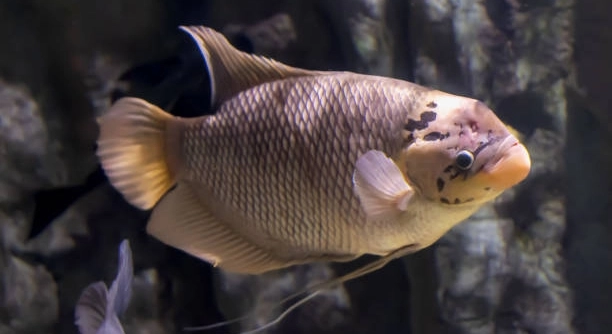
Are your gouramis seeming restless or cramped in their tank? Observing their behavior can reveal whether their current environment still meets their needs. Growth and space requirements change over time as these fish develop and mature.
Gouramis outgrowing their tank can be identified through signs such as increased aggression, limited swimming space, stunted growth, poor coloration, excessive jumping, irregular feeding patterns, and visible stress behaviors. Recognizing these signs is essential for maintaining proper fish health.
Understanding these indicators will help you make timely adjustments to ensure your gourami thrives in a comfortable and safe aquatic environment.
Increased Aggression
As gouramis grow, their behavior often changes. One of the first noticeable signs is increased aggression toward tank mates. Fish that were once calm may start nipping at fins or chasing others more frequently. Territorial behavior becomes more pronounced, especially in males. Smaller tanks intensify these interactions, as limited space leaves little room for retreat. Even if your gouramis previously coexisted peacefully, cramped conditions can trigger conflict. Aggression can lead to injury, stress, and even illness if left unaddressed. Observing these behavioral shifts early allows you to take action before serious harm occurs. Ensuring each fish has adequate territory and hiding spots can help, but sometimes the issue is the tank size itself. Proper monitoring of interactions over time provides valuable insight into whether your tank still supports your growing gouramis comfortably.
Aggression is a key indicator that your gourami may need a larger habitat to reduce stress and conflict.
Providing a more spacious environment reduces tension, allowing fish to swim freely without constant confrontation. When aggression increases, it’s often a direct result of overcrowding. Expanding the tank or creating distinct zones with plants and decorations helps to separate individuals and minimize conflict. In larger spaces, gouramis can establish territories naturally, improving overall health and behavior. Observing interactions daily and responding promptly ensures a harmonious environment.
Limited Swimming Space
Restricted swimming room is another clear sign your gourami has outgrown its tank. Fish may appear hesitant to move or swim in tight, repetitive patterns, showing frustration or restlessness. Inadequate space can stunt growth and reduce overall vitality. Gouramis require areas to explore and swim freely to maintain strong muscles and healthy metabolism. A tank that once felt roomy may become insufficient as the fish grows, affecting both physical and mental well-being. Decorations, plants, and equipment can add complexity, but they also take up space, further limiting swimming area. Noticing a sudden drop in activity or repeated attempts to navigate tight corners indicates the need for a larger tank. Ensuring proper dimensions allows gouramis to display natural behaviors, interact safely, and thrive without stress.
Limited swimming space can significantly impact your gourami’s health and energy levels.
Expanding the tank provides the freedom necessary for healthy movement and activity. When a gourami’s environment feels cramped, its natural behaviors become restricted, which can lead to stress, illness, or aggression. Larger tanks allow for proper swimming patterns, exploration, and interaction with other fish. Proper planning and consideration of tank size, decoration placement, and water flow ensure your gourami maintains both physical and mental well-being. A spacious habitat supports growth, encourages natural activity, and reduces tension caused by confinement. Over time, consistent observation can reveal if the new space meets the gourami’s evolving needs, allowing for adjustments that maintain comfort, safety, and vitality.
Stunted Growth
Stunted growth is a common sign your gourami is limited by its tank size. Fish may stop gaining size or appear thinner than normal. Lack of space affects overall development and can weaken their immune system, making them more vulnerable to illness.
When a gourami’s tank is too small, it struggles to reach full size. Crowded conditions limit swimming space and reduce access to nutrients, as competition for food increases. Stress from confinement also slows growth, as energy is diverted from development to coping with environmental pressures. Over time, stunted growth becomes noticeable, especially compared to healthier fish in larger tanks. Regular observation of size differences and body condition helps identify whether the tank is restricting proper growth. Ensuring adequate space and proper nutrition is essential for restoring normal development.
Providing more room allows the fish to grow naturally. Larger tanks reduce stress, encourage activity, and improve overall health. Gouramis can develop fully when they have space to swim, establish territories, and access sufficient food without competition. Observing consistent growth and active behavior confirms the environment meets their needs. Proper tank adjustments prevent long-term physical issues caused by confinement and support a healthier, more vibrant fish.
Poor Coloration
Dull or fading coloration often signals that your gourami is outgrowing its tank. Stress, limited space, and inadequate conditions can all contribute to a loss of natural vibrancy.
When gouramis lack space, stress hormones rise, affecting coloration and overall appearance. Crowded tanks can cause constant interactions, leaving little opportunity for restful periods, which directly impacts pigment development. Poor water quality often accompanies small tanks, further dulling colors. Gouramis rely on healthy conditions and room to swim to maintain bright, vibrant scales. Regular monitoring of water parameters, diet, and behavior helps identify the causes of fading coloration. Adjusting tank size and improving environmental conditions often restores their natural hues.
Maintaining bright coloration requires a balanced environment and sufficient space. Proper tank size allows gouramis to display natural behaviors, reducing stress and promoting optimal pigment expression. A larger habitat also supports better circulation, nutrient absorption, and energy levels, all contributing to healthier scales. Decorations and plants can enhance the environment but must not restrict movement. Providing an adequate, comfortable habitat ensures gouramis retain their striking appearance while supporting overall health, vitality, and longevity.
Excessive Jumping
Gouramis may jump more frequently when their tank is too small. Limited space and stress can cause them to leap out of the water in search of freedom or comfort.
Jumping is often a response to overcrowding or insufficient stimulation. Smaller tanks leave little room to explore, prompting this behavior. Regular observation and a secure tank cover help prevent accidents while indicating that your gourami needs more space.
Irregular Feeding Patterns
When gouramis outgrow their tank, feeding habits can change. Fish may eat less, act aggressively during feeding, or appear distracted and restless.
Crowded conditions disrupt normal feeding routines. Some fish may dominate food, leaving others undernourished. Smaller tanks can also increase stress, causing inconsistent appetite or selective eating. Monitoring meal times and ensuring each gourami receives proper nutrition is vital. Providing enough space reduces competition and supports balanced feeding behavior.
Visible Stress Behaviors
Stress behaviors like hiding, rapid gill movement, or frantic swimming often appear when gouramis are confined. These actions signal discomfort and environmental strain.
Recognizing stress is important for maintaining fish health. Addressing space limitations and improving tank conditions can reduce these behaviors, allowing gouramis to settle and thrive naturally.
How do I know if my gourami has outgrown its tank?
Signs include increased aggression, stunted growth, dull coloration, excessive jumping, irregular feeding, limited swimming space, and visible stress behaviors. Observing these patterns over time gives a clear indication that your gourami requires a larger, more suitable environment.
What tank size is ideal for a growing gourami?
A single gourami typically needs at least 20 gallons, with additional space added for each extra fish. Providing sufficient room ensures proper swimming, reduces stress, and allows for natural behavior. Overcrowding can cause aggression, stunted growth, and health issues.
Can gouramis adapt to smaller tanks if necessary?
While they can survive in smaller spaces for short periods, long-term confinement causes stress and health problems. Growth may be limited, coloration can fade, and aggressive behavior may increase. Expanding the tank is the safest option.
What are the risks of keeping gouramis in a small tank?
Crowded conditions raise stress levels, weaken the immune system, and increase disease risk. Aggression between tank mates becomes common, and proper swimming and feeding are restricted. Over time, this can reduce lifespan and overall vitality.
How can I reduce stress if my gourami seems cramped?
Adding hiding spots, plants, and decorations can temporarily ease stress by providing retreats. Monitoring water quality and maintaining a consistent schedule also helps. However, these measures do not replace the need for a larger tank.
Is it possible to prevent stunted growth in gouramis?
Yes. Providing adequate space, balanced nutrition, and proper water conditions supports healthy growth. Monitoring development regularly ensures that the fish are thriving and allows adjustments before growth is permanently affected.
Will adding more tank mates worsen the problem?
Yes. More fish increase competition for food, space, and territory. This can escalate aggression and stress, especially in already small tanks. Prioritize tank size first before considering additional gouramis.
How do I safely transition my gourami to a larger tank?
Gradually acclimate the fish by matching water temperature and parameters between tanks. Use slow introductions to avoid shock. Ensure the new tank has proper filtration, hiding spots, and sufficient space to prevent stress during the move.
Can water quality affect signs of outgrowing a tank?
Absolutely. Poor water quality intensifies stress, dulls coloration, reduces appetite, and exacerbates aggression. Regular testing, proper filtration, and consistent maintenance are essential to keep a growing gourami healthy.
How often should I monitor my gourami for these signs?
Daily observation is recommended. Keep track of behavior, appetite, swimming patterns, and interactions with tank mates. Early detection allows timely interventions, preventing long-term health issues.
Are certain gourami species more sensitive to tank size?
Yes. Some species, like the Dwarf Gourami, are smaller and more tolerant, while others, like the Pearl Gourami or Three-Spot Gourami, grow larger and require more space. Understanding species-specific needs is crucial.
Can tank decorations help if space is limited?
Decorations can create hiding spots and reduce aggression but do not replace swimming space. Overdecorating a small tank may worsen confinement, so balance aesthetics with functional space.
What is the long-term benefit of upgrading a gourami tank?
A larger tank promotes healthy growth, reduces stress and aggression, improves coloration, and supports natural behaviors. It extends lifespan and ensures the fish remain active, vibrant, and resilient over time.
How do I choose the right tank for multiple gouramis?
Calculate the total adult size of all fish and add at least 10 gallons per additional fish. Ensure sufficient swimming space, proper filtration, and distinct territories to prevent conflict. Proper planning ensures a harmonious and healthy environment.
Can diet affect how my gourami responds to a small tank?
Yes. Inadequate nutrition combined with limited space increases stress and stunts growth. Balanced meals tailored to the species’ needs help maintain health even in less-than-ideal conditions, though tank size remains critical.
What immediate steps should I take if my gourami shows multiple signs of being cramped?
Prioritize moving the fish to a larger tank. Temporarily reduce stress with plants, hiding spots, and consistent feeding. Test water quality and maintain stable conditions to support a smooth transition and recovery.
How long does it take for a gourami to adjust to a larger tank?
Adjustment varies but generally takes several days to a couple of weeks. During this period, observe behavior, feeding, and interactions. Most fish gradually become more active, display better coloration, and resume natural swimming patterns.
Are there long-term consequences if I ignore these signs?
Yes. Chronic stress, stunted growth, illness, aggression, and shortened lifespan can occur. Ignoring tank limitations compromises overall well-being and can result in irreversible health issues.
How do I ensure my gourami thrives after upgrading the tank?
Provide stable water conditions, adequate space, proper diet, and enrichment like plants or decorations. Monitor behavior regularly to confirm comfort, encourage natural activity, and maintain a healthy, stress-free environment.
Is it necessary to upgrade the tank even if my gourami seems fine?
Yes. Subtle signs like reduced swimming, occasional aggression, or slightly dull coloration indicate limitations. Proactively upgrading ensures long-term health, proper growth, and vibrant coloration before serious problems develop.
This FAQ covers the most common concerns related to gouramis outgrowing their tanks, offering clear solutions and guidance for maintaining their health, behavior, and quality of life.
Ensuring your gourami has enough space is one of the most important steps for maintaining its health and well-being. Fish may seem fine in a smaller tank at first, but as they grow, limited space can create stress and behavioral changes. Overcrowding reduces their ability to swim freely, explore their environment, and interact naturally with tank mates. This can lead to stunted growth, dull coloration, increased aggression, and irregular feeding patterns. Observing your fish daily can help you notice these signs early, allowing you to take timely action. Recognizing that tank size directly impacts a fish’s physical and mental health is essential for creating a supportive environment that encourages natural behavior. A comfortable, well-maintained tank gives gouramis the room they need to thrive and express their natural habits without stress or discomfort.
Upgrading a tank when necessary is not just about giving your fish more room; it is about improving their overall quality of life. A larger tank supports better water circulation, more stable conditions, and proper oxygen levels, all of which contribute to the fish’s health. It also allows for thoughtful placement of decorations, plants, and hiding spaces, which can help reduce stress and prevent aggressive behavior among tank mates. Even temporary solutions, such as adding plants or rearranging decorations, can provide some relief, but they do not replace the benefits of proper space. Ensuring that your gourami has adequate room to swim, rest, and explore promotes strong growth, vibrant coloration, and active, stress-free behavior. Observing how your fish respond to changes can help you determine whether the tank fully meets their needs and supports long-term well-being.
Maintaining a healthy environment for your gourami requires consistent attention, care, and planning. Regular monitoring of water quality, feeding habits, and social interactions helps detect problems before they become serious. Paying attention to subtle signs, like changes in behavior or slight fading of colors, can prevent long-term health issues and ensure your fish remains active and vibrant. Upgrading the tank is an investment in their comfort and longevity, giving them the space to grow naturally while reducing stress and promoting positive behavior. By providing a suitable, well-maintained habitat, you create an environment where your gourami can flourish, maintain its natural behaviors, and enjoy a healthier, more fulfilling life. Consistent care and proactive adjustments make a significant difference in the overall happiness and vitality of your fish.

Hello,
If you enjoy the content that we create, please consider saying a "Thank You!" by leaving a tip.
Every little bit helps us continue crafting quality advice that supports the health, happiness, and well-being of pets around the world, for pets of all shapes, sizes, and species.
We really appreciate the kindness and support that you show us!