
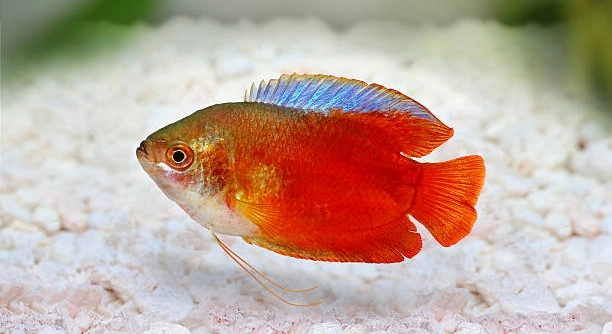
Are your gouramis suddenly hiding in corners of the tank and avoiding interaction? Changes in behavior can be concerning for any fish keeper. Observing these subtle shifts early helps prevent potential health or environmental problems.
A sudden reclusive behavior in gouramis is often linked to stress, illness, or changes in their environment. Factors such as water quality, tank mates, diet, or disease can influence their activity and social interactions.
Understanding why your gourami is withdrawing will help maintain its health. Simple adjustments in care and environment can make a noticeable difference in behavior.
Common Causes of Gourami Withdrawal
Gouramis can become reclusive for several reasons, most of which are related to their environment or health. Poor water quality is a leading factor, including high ammonia, nitrite, or nitrate levels. Sudden temperature fluctuations or inadequate filtration can also stress them. Tank overcrowding often causes tension, as gouramis prefer territories. Aggressive tank mates may intimidate them, pushing them into hiding. Additionally, lack of hiding spots can make the fish feel exposed, leading to avoidance behavior. Diet plays a role too; insufficient nutrition can weaken them, making them less active. Illnesses, such as bacterial infections or parasites, frequently trigger withdrawal. Observing other signs, like changes in coloration, appetite, or fin condition, helps identify the problem. Regular water tests, maintaining appropriate tank size, and offering a balanced diet are essential preventive measures. Adjusting these elements can encourage your gourami to become more active and visible again.
Early observation and intervention often prevent long-term stress. Addressing small changes quickly protects their health effectively.
Monitoring your gourami closely allows you to identify patterns and subtle signs of distress. Changes in swimming, hiding frequency, or interactions with other fish can provide insights. Implementing environmental adjustments, such as adding plants or rearranging tank décor, creates a more comfortable space. Feeding consistent, nutritious meals supports recovery. If illness is suspected, isolating the fish and consulting a veterinarian or aquatic specialist ensures proper care. Small, timely interventions can restore normal behavior and improve overall well-being. Observing daily habits builds confidence in managing your tank and promotes a balanced ecosystem for all inhabitants.
Strategies to Encourage Interaction
Creating a stress-free environment is key to bringing your gourami out of hiding.
Adjust tank conditions gradually, ensuring stable water temperature, proper filtration, and low ammonia levels. Introduce gentle lighting and quiet surroundings to reduce stress. Offering a variety of foods in small portions encourages natural foraging and activity. Adding plants and hiding spaces gives security while promoting exploration. Consistency in maintenance routines reassures your fish and reduces sudden shocks.
Patience and careful observation are essential. By maintaining stable water parameters, arranging the tank thoughtfully, and feeding balanced meals, you create conditions where your gourami can regain confidence. Observe interactions with other fish and ensure there is no aggression. Slowly, the fish will return to normal activity. Regular monitoring helps catch potential health issues early, preventing future withdrawal episodes. Over time, consistent care and attention to environmental details restore comfort, encouraging your gourami to swim openly, explore the tank, and interact naturally with its surroundings. Creating a stable, enriched habitat supports both physical health and behavioral well-being.
Monitoring Health Indicators
Regularly check your gourami for changes in color, fins, or swimming patterns. Any sudden shifts can indicate illness or stress. Monitoring daily helps catch problems early, allowing timely intervention.
Observing your gourami’s behavior closely provides valuable insights into its well-being. Look for signs like lethargy, clamped fins, or irregular swimming, which often indicate discomfort or disease. Appetite changes are another key indicator. Keeping a simple log of these observations helps track trends over time. Early detection of issues allows for prompt water adjustments, dietary improvements, or medical attention if needed. This proactive approach reduces stress and supports your fish’s overall health. Regular health checks prevent minor problems from escalating into serious conditions.
Environmental factors influence health more than often realized. Water parameters like pH, hardness, and temperature affect metabolism and immunity. Even minor changes in the tank setup, including decorations or plant density, can alter behavior. Ensuring clean water, stable conditions, and adequate space encourages activity and reduces hiding. Introducing gentle enrichment, like floating plants or secure hiding spots, helps the gourami feel safe while promoting natural behaviors. Consistent care combined with observation strengthens resilience, helping the fish recover quickly from stress. Proper nutrition further supports immune function and overall vitality.
Adjusting the Aquarium Environment
Creating a stable and secure environment is essential for reclusive gouramis.
Temperature consistency and proper filtration prevent stress. Adding live or artificial plants gives hiding spots and reduces anxiety. Rearranging tank décor occasionally stimulates exploration without overwhelming the fish. Limiting sudden changes in lighting or movement around the tank keeps them calm.
Maintaining stable conditions is crucial for encouraging activity. Gouramis respond well to a predictable environment where food, lighting, and water parameters remain consistent. Overcrowding should be avoided, as it increases tension and forces hiding. Gentle tank mates reduce conflict and stress. Providing multiple layers of hiding places, such as plants or caves, allows the fish to feel secure while still exploring. Careful observation after adjustments ensures the changes are beneficial. Gradual modifications in water temperature or tank layout prevent shock. Combined with a balanced diet, these environmental strategies help restore natural behavior and confidence in your gourami.
Feeding Adjustments
Offer smaller, more frequent meals to encourage your gourami to eat. Variety in food types, including flakes, pellets, and frozen options, keeps them interested and nourished.
Observe how the fish responds to different foods. Avoid overfeeding, as leftover food can degrade water quality and increase stress.
Social Dynamics
Aggressive or overly active tank mates can cause a gourami to hide. Ensuring compatible species reduces conflict and promotes confidence. Providing separate areas within the tank allows peaceful coexistence, encouraging your fish to explore without feeling threatened.
Water Quality Maintenance
Regular water changes and testing maintain optimal conditions. Stable pH, low ammonia, and consistent temperature are critical.
Behavioral Stimulation
Introduce plants, floating objects, or gentle water movement to encourage natural activity. These additions promote exploration and reduce prolonged hiding.
Why has my gourami suddenly become reclusive?
A gourami may hide due to stress, illness, or environmental changes. Poor water quality, aggressive tank mates, or sudden shifts in temperature can trigger withdrawal. Illnesses, parasites, or nutritional deficiencies also make them less active. Observing behavior and checking tank conditions helps identify the cause.
How can I tell if my gourami is sick or just stressed?
Signs of illness include faded colors, clamped fins, labored breathing, or loss of appetite. Stress may cause similar behavior but usually without physical symptoms. Monitoring water quality, observing tank mates, and checking for changes in activity patterns can help differentiate between stress and disease.
What water parameters should I maintain for my gourami?
Stable temperature between 24–28°C, pH around 6.5–7.5, and low ammonia and nitrite levels are essential. Regular water testing and partial water changes maintain these conditions. Clean, well-filtered water reduces stress and supports immune function.
Can tank mates cause a gourami to hide?
Yes, aggressive or overly active fish can intimidate gouramis, prompting them to retreat. Even non-aggressive fish may create competition for space or food. Ensuring compatible species and providing sufficient hiding spots helps your gourami feel secure.
How often should I feed my gourami?
Feeding small portions 2–3 times a day encourages natural foraging and prevents overeating. Include a mix of flakes, pellets, and frozen foods to ensure balanced nutrition. Remove uneaten food to maintain water quality.
Do hiding spots really help?
Yes, gouramis need areas to feel safe. Plants, caves, or floating objects reduce anxiety and encourage exploration. Providing multiple hiding places allows them to retreat without becoming completely inactive.
Should I isolate my gourami if it hides too much?
Isolation is recommended only if illness is suspected or if tank mates are aggressive. A separate quarantine tank allows observation, treatment, and stress reduction while preventing the spread of disease.
How long does it take for a reclusive gourami to become active again?
Recovery time depends on the cause. Adjusting water quality or environment may show improvement in days. Stress or minor illness may take one to two weeks. Persistent hiding may require veterinary consultation.
Can diet influence behavior?
Yes, poor nutrition can reduce energy and activity levels. Offering high-quality, varied foods supports vitality and encourages natural swimming and interaction. Regular feeding schedules also create a sense of routine.
Is it normal for gouramis to hide sometimes?
Occasional hiding is normal, especially during tank maintenance or when lights are bright. Consistent or prolonged withdrawal, however, signals stress, poor conditions, or illness and requires attention.
What other changes should I watch for in behavior?
Watch for sluggish swimming, erratic movements, or staying at the surface or bottom for long periods. These signs often indicate water problems, stress, or disease. Early intervention can prevent more serious issues.
Can enrichment help my gourami feel more comfortable?
Yes, plants, floating objects, and gentle water currents encourage natural behaviors and reduce prolonged hiding. Enrichment provides mental stimulation and creates a balanced environment that supports confidence and activity.
How do I prevent my gourami from becoming reclusive again?
Maintain stable water parameters, avoid aggressive tank mates, provide hiding spots, and feed a balanced diet consistently. Regular observation allows early detection of stressors, preventing withdrawal before it becomes a problem.
Observing your gourami retreat into hiding can be worrying, but understanding the reasons behind this behavior helps you take effective action. Gouramis are sensitive fish that respond quickly to changes in their environment. Sudden shifts in water quality, temperature, or tank layout can trigger stress, leading to reclusive behavior. Even minor issues, like aggressive tank mates or insufficient hiding spots, can make a gourami feel unsafe. Paying close attention to the fish’s activity, swimming patterns, and interactions with others in the tank provides important clues. Monitoring daily habits and noting changes in behavior or appetite allows you to address problems before they become serious.
Maintaining a stable environment is essential to helping a reclusive gourami regain confidence. Ensuring consistent water parameters, including temperature, pH, and ammonia levels, reduces stress significantly. A well-filtered, clean tank encourages regular swimming and activity. Introducing plants, caves, or floating objects provides secure hiding spots and creates a sense of safety, while gradual changes in lighting or tank setup prevent shock. Feeding small, frequent meals of varied, high-quality foods supports health and encourages exploration. Even minor adjustments, such as rearranging décor or adding gentle water movement, can help your gourami feel more comfortable and active over time.
Patience is key when helping a gourami return to its normal behavior. Changes in activity or interactions may not happen immediately, but consistent care and observation make a noticeable difference over days or weeks. Addressing stress factors, maintaining clean water, and offering a balanced diet strengthens the fish’s immune system and overall well-being. Monitoring health indicators, such as color, fins, and appetite, ensures that any emerging problems are detected early. A calm, stable environment combined with attentive care fosters confidence, allowing your gourami to explore the tank, interact naturally with other fish, and regain its usual behavior. By remaining observant and providing a supportive habitat, you create the conditions necessary for your gourami to thrive.

Hello,
If you enjoy the content that we create, please consider saying a "Thank You!" by leaving a tip.
Every little bit helps us continue crafting quality advice that supports the health, happiness, and well-being of pets around the world, for pets of all shapes, sizes, and species.
We really appreciate the kindness and support that you show us!